
REVIEW · TENERIFE
Tenerife: Mount Teide Observatory Guided Tour
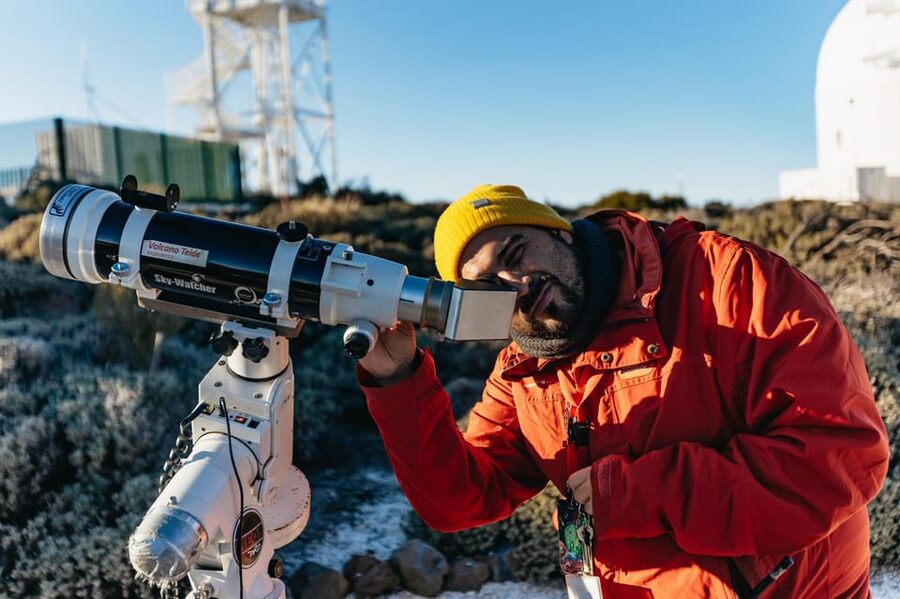
The most unusual part of this Tenerife outing is simple: you get to look directly at the sun through professional solar equipment, safely filtered for observation. Inside the world’s largest solar observatory, your guide explains sunspots, solar flares, and the work done by astronomers at 2,400 meters above sea level.
I like the two different solar telescopes, since each reveals something different, and I like the chance to enter one of the giant night-telescope buildings. The guides, including Raquel, Jesús, and Steffi on past tours, are praised for making hard science easy to follow. The main drawback is that much of the tour takes place outdoors on gravel, where the high-altitude sun can be fierce and the shade can feel cold.
Key points
- See the sun through two solar telescopes: One is used for sunspots, while the other helps show solar flares.
- Visit a professional night telescope: You will learn how the huge structures work after dark, even though this is a daytime tour.
- Expect an expert-led introduction: The tour includes a short film about the Canary Islands’ skies and the observatory’s role.
- Prepare for 2,400 meters: Bring warm layers, sunglasses, sunscreen, and comfortable clothing for exposed paths.
- Allow 90 minutes for the tour: Transportation, food, and drinks are not included, so plan your route and refreshments separately.
- Best for curious adults and children aged eight or older: The explanations suit beginners, but the tour is not recommended for people with mobility, respiratory, cardiac, or general health problems.
Why Mount Teide is a natural home for astronomy
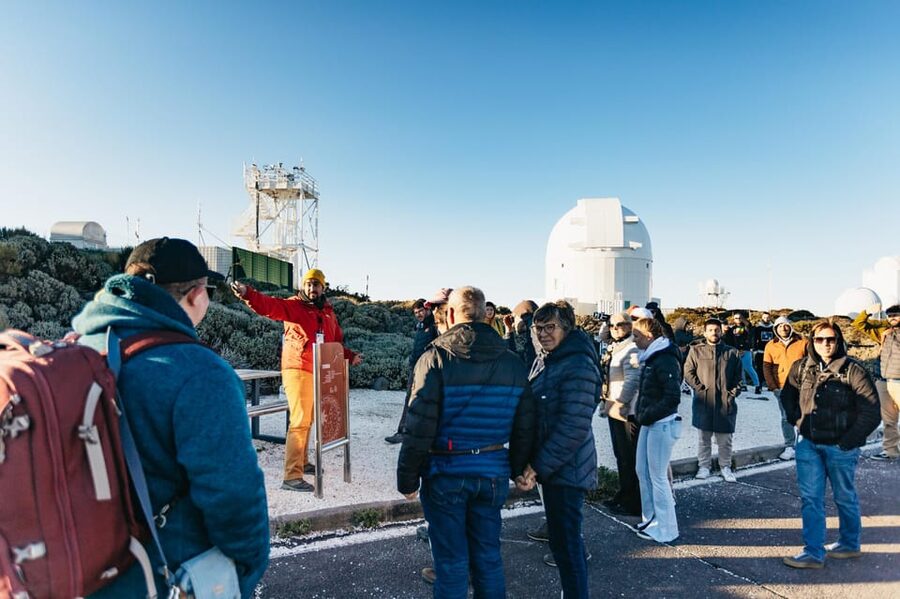
Mount Teide Observatory sits high in Tenerife’s volcanic interior, at roughly 2,400 meters. The altitude matters. The air is thinner and the site is far above much of the island’s haze, giving astronomers a useful place to study the sun and night sky.
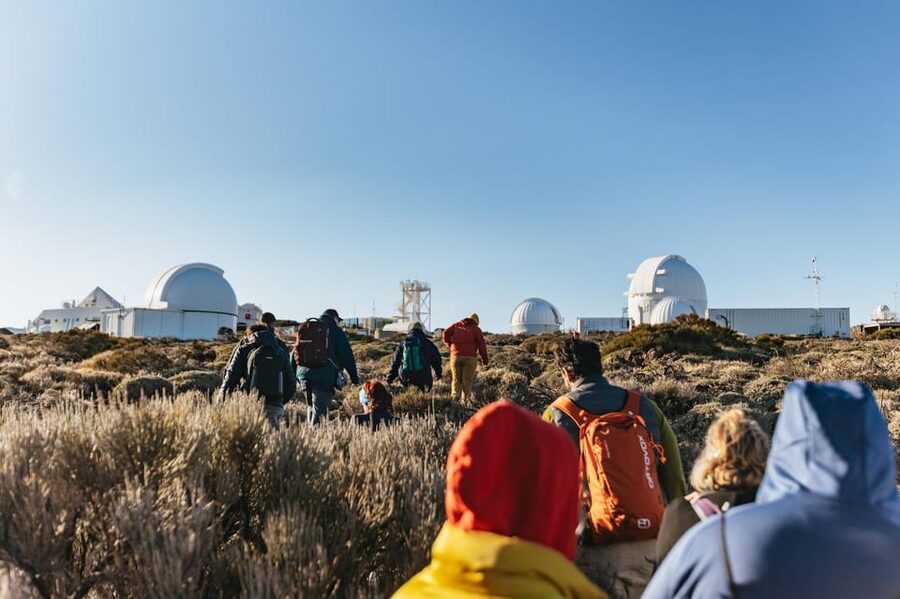
You will notice the height during the visit. Walking on gravel paths can take more effort than expected, especially if you are not used to mountain air. The open setting also means strong sun, wind, and sudden chill can all be part of the same 90-minute outing.
The setting is part of the appeal. The volcanic ground has an otherworldly look, and the views can stretch across Tenerife toward the coast and other islands. This is not simply a lecture in a dark room. You are moving around an active scientific site, with large instruments and stark mountain scenery around you.
The observatory’s work focuses heavily on the sun. That gives this visit a different feel from a standard stargazing session. Instead of waiting for darkness, you learn how solar scientists study the nearest star during the day.
More Mount Teide Tours in Tenerife:
- Tenerife: Mount Teide Tour with Cable Car Ticket & Transfer
★ 4.3 · 5,094 reviews - Tenerife: Teide National Park Sunset & Stargazing Tour
★ 4.2 · 3,812 reviews - Tenerife: Sunset and Stargazing at Teide National Park
★ 4.7 · 2,826 reviews
The opening presentation gives you the big picture
The tour begins with an introduction to the observatory and its different areas. A short video explains the quality of the Canary Islands’ skies and shows how telescopes are used at night.
This opening is useful if you know little about astronomy. You get basic terms and context before seeing the equipment, so the huge domes and instruments feel less like mysterious machinery. The presentation also explains that the site serves professional astronomy rather than simply providing a viewing platform for tourists.
The explanations are aimed at ordinary people, not trained scientists. Guides use visual material to clarify subjects such as solar observation, night-sky research, and the technical work carried out at the observatory. Past guides such as Jesús and Raquel have been praised for answering questions clearly and keeping the mood light.
You should still set your expectations correctly. This is an introduction, not a university course in astrophysics. If you already follow astronomy closely, some information may be familiar. The value comes from hearing it on site, then seeing the instruments and solar equipment in front of you.
The two solar telescopes are the tour’s main event
The most memorable part is the chance to observe the sun through two different solar telescopes. One is set up to show sunspots. The other is used to reveal solar flares and other features of solar activity.
The equipment is fitted with special filters, so you can observe the sun safely. Do not attempt anything similar with an ordinary telescope or binoculars. The guides explain how the filters work and make sure you use the equipment correctly.
What you see depends on solar conditions on the day. You may see dark sunspots or the red glow associated with solar activity. Some people expect a giant, cinematic view of explosions across the sun, but the image can be more modest. One past visitor found the view through the smaller tour telescopes less dramatic than expected, describing it as mostly red.
That is a fair warning, and it does not make the experience pointless. The importance is not only the size of the image. You are looking at the sun with the same basic care and filtering principles used in serious solar observation, while a guide explains what appears in the eyepiece.
The high-altitude sun can also catch you off guard. Wear sunscreen and sunglasses, even if the air feels cool. Umbrellas have sometimes been provided during tours, but you should not rely on that. Bring your own protection, along with a hat if you use one.
The night telescope shows how big astronomy really is
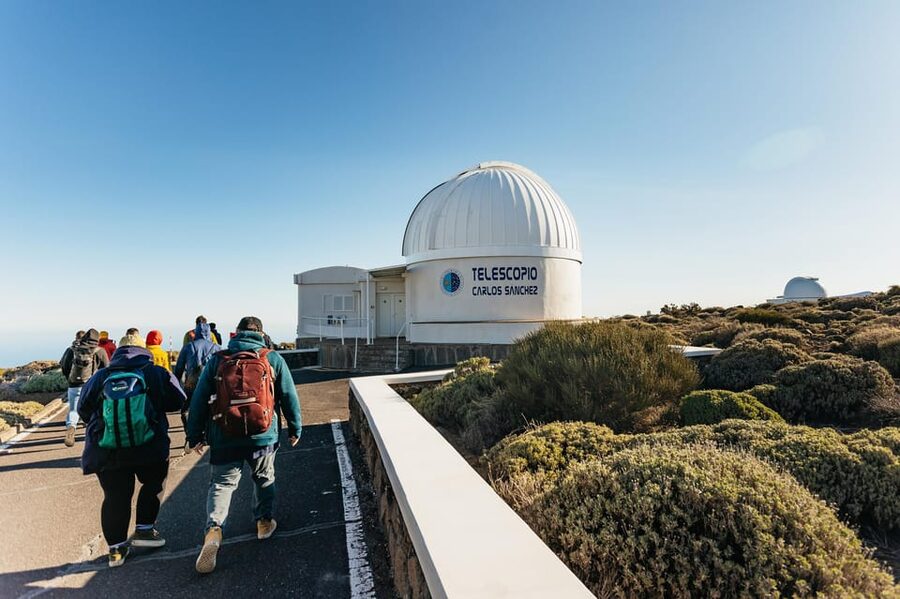
The tour also takes you to one of the professional night telescopes. You learn how these large structures observe the sky after sunset and how astronomers work with equipment designed to collect faint light.
This part is more about scale and method than personal stargazing. You do not get a nighttime sky session as part of this 90-minute daytime visit. Instead, you get a look at the machinery and an explanation of how the observatory functions when the sun is down.
One of the most striking details is the contrast between the small solar telescopes used during the tour and the enormous professional instruments used for research. A few past visitors hoped to see more of the equipment inside the towers. That is worth keeping in mind: access and viewing may focus on selected areas rather than every telescope at close range.
Still, seeing one of these structures up close gives the visit real substance. The telescope is not presented as a decorative object. You learn what it does, how it moves, and why astronomers need such large instruments to study distant objects.
More Guided Tours in Tenerife:
- Teide: Guided Sunset & Stargazing Tour by Night with Dinner
★ 4.7 · 1,339 reviews - Tenerife: Teide National Park Guided Buggy Tour
★ 4.7 · 609 reviews - Tenerife: Guided Group Quad Tour on Mount Teide
★ 4.1 · 379 reviews - Teide National Park: Guided Large Telescope Stargazing Tour
★ 4.9 · 319 reviews
The guides make difficult science easier
The guide can make or break an astronomy tour. Here, the strongest part of the experience is the human explanation. Guides have been praised for being enthusiastic, funny, patient, and able to answer questions from beginners and experienced amateurs alike.
Past visitors have singled out Raquel, Rachel, Jesús, and Steffi by name. Guide assignments can change, so you should not book expecting a particular person. What you can expect is a live guide in English, Spanish, German, or French, depending on the option and schedule you choose.
The best explanations connect the instrument to what you see. Instead of only hearing that sunspots exist, you look for them through the telescope. Instead of simply being told that night telescopes are large, you see the structure and learn why it needs to be built that way.
The subject can become technical, but the tour is designed to keep it accessible. If you have limited scientific background, the video and demonstrations help. If your group asks questions, allow the guide time to answer them, since that is often where the visit becomes most useful.
Allow for cold shade, strong sun, and gravel paths
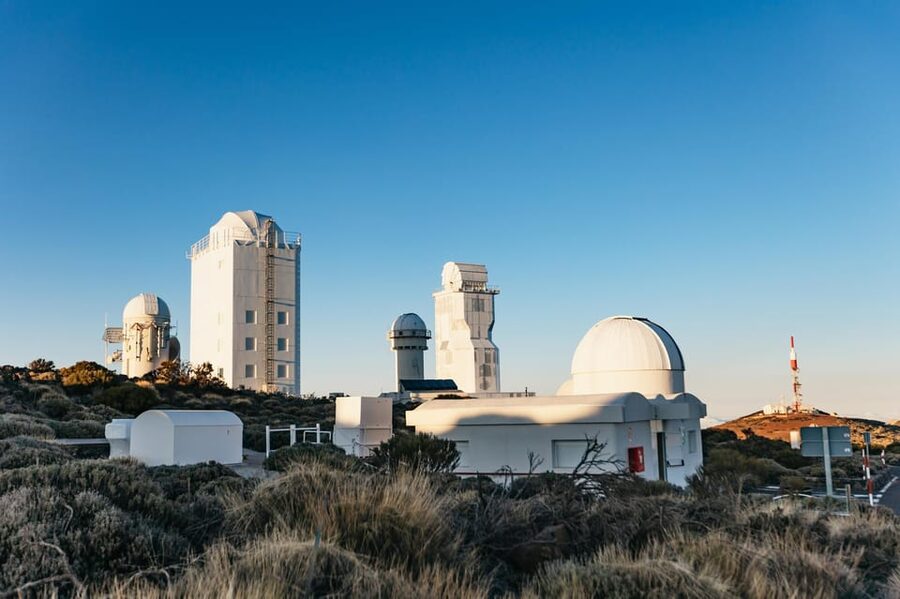
Mount Teide’s altitude creates a strange clothing problem. The sun can be intense, yet the wind and shade can feel cold. Bring a warm jacket, even in summer, along with sunscreen and sunglasses.
Comfortable clothing and shoes matter because the group moves along gravel paths. This is not a good choice if you need smooth, step-free access or find walking on uneven ground difficult. The experience is specifically not recommended for people with mobility impairments, respiratory issues, anaemia, cardiac conditions, or other general health concerns.
Children must be at least eight years old. Children’s ages may need to be confirmed with a passport or identity card, so carry the required identification rather than leaving it at your accommodation.
There can be a practical shortage of sitting and toilet opportunities during the visit. One useful tip is to arrive early if your meeting arrangement allows it, since there may be somewhere to sit and buy water while you wait. Take care of personal needs before the tour begins, and carry water with you.
Getting there requires more planning than the tour itself
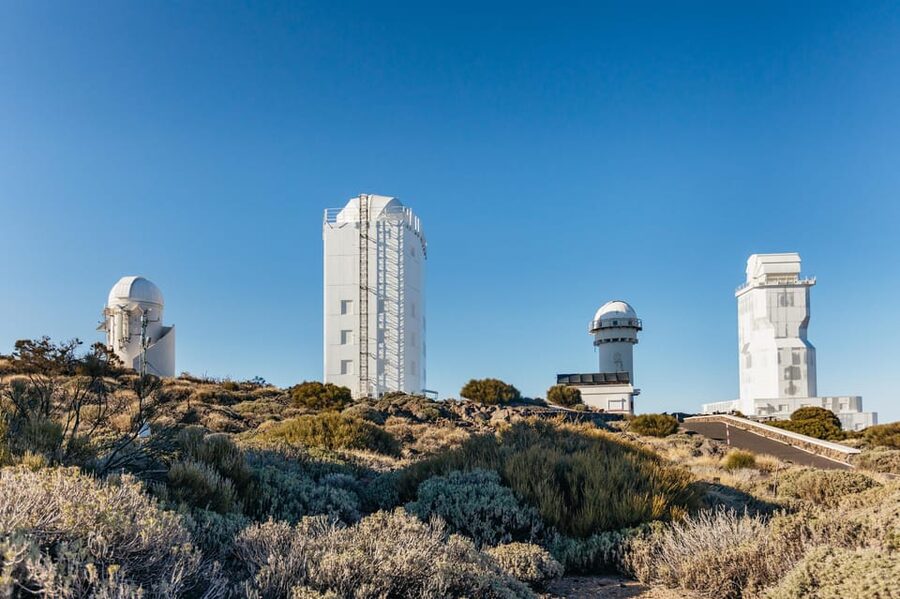
Transportation is not included. Your meeting point can vary according to the option booked, so check the exact instructions before setting out. The observatory is in the high Teide area, not in a town where you can casually arrive by local street transport.
A rental car gives you the most control, but the mountain drive deserves attention. The route climbs through changing scenery, and some visitors find the roads intimidating if they are used to flat country. Build in time for the drive and do not assume the 90-minute tour is the total length of your outing.
The observatory is visible from a distance after you pass the Teide area, which can make it easier to locate. Even so, do not depend only on sight. Follow the meeting instructions provided for your chosen option.
You should also plan food and drink separately. Neither is included, and the tour itself is too short to serve as a full mountain day. Carry water, especially in bright weather, and consider eating before or after at a suitable stop elsewhere on your route.
Is $25 a fair price for 90 minutes?
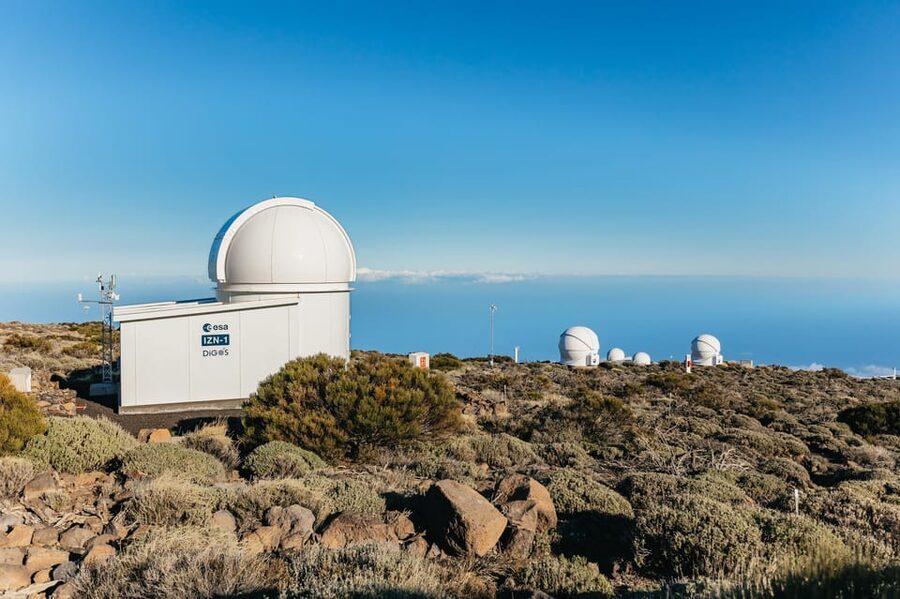
At $25 per person, this is a reasonably priced specialist visit. You are paying for access to an operating observatory, a live astronomy guide, two solar telescope sessions, and an introduction to a professional night telescope.
The value is strongest if you are already visiting Mount Teide. You are adding a focused scientific experience to a mountain day, rather than making a separate journey only for a short tour. For anyone curious about astronomy, the price is modest compared with many attraction tickets.
The value is weaker if you want a dramatic, close-up solar image or a full tour of every building. The solar telescopes used for public visits may be smaller than you expect, and the tour does not promise access to every instrument. You are buying explanation and controlled observation, not a theme-park spectacle.
The activity also includes free cancellation up to 24 hours before the start time, and you can reserve while paying later if that option is available for your booking. Those policies help if your Tenerife schedule depends on weather or other mountain plans, but they do not remove the need to check the exact meeting point and tour time.
Who will enjoy this observatory visit most?
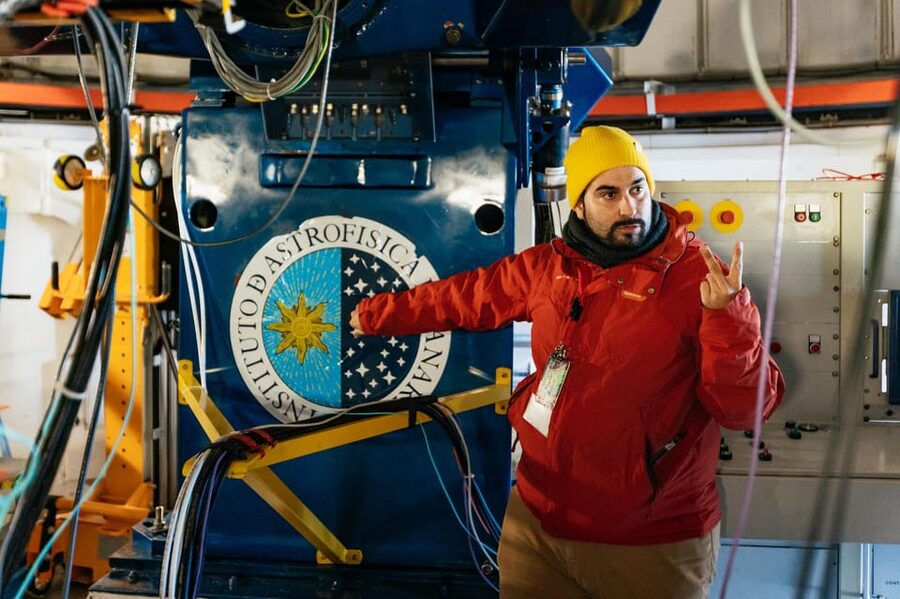
I would recommend it to adults, teenagers, and children aged eight or older who ask how telescopes work, why the sun has spots, or what astronomers do after dark. You do not need a science background. Curiosity is enough.
It also suits anyone who wants more from Mount Teide than a viewpoint and a photograph. The mountain scenery is memorable, but the observatory adds a clear sense of place and purpose. You see why this high volcanic site matters to science.
It may not suit you if you dislike exposed outdoor walking, struggle at altitude, or want a relaxed indoor attraction. The paths are gravel, the sun is powerful, and the air contains less oxygen than at sea level. If you have a respiratory, cardiac, blood, or other health condition, take the stated warning seriously and ask a medical professional before booking.
Families should be realistic about the format. The material is accessible, but it is still a science tour with walking and explanations. Children who enjoy machines, planets, or experiments are likely to get more from it than children looking for rides or hands-on games.
My verdict on the Mount Teide Observatory tour
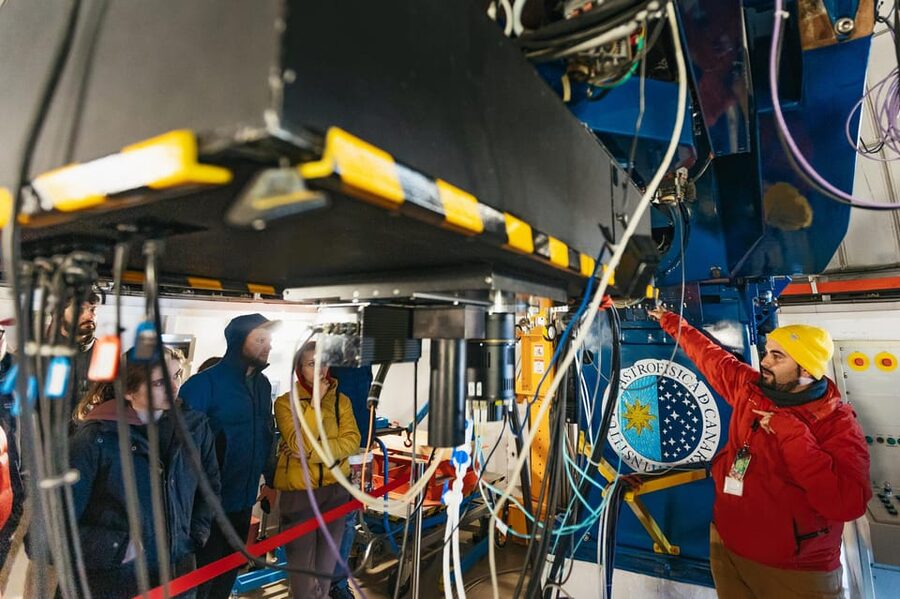
I would book this if you are spending time around Mount Teide and have even a passing interest in astronomy. The solar observations, the professional setting, and the strong guide-led explanations give the visit more substance than a quick photo stop.
Go prepared for a small-scale public viewing rather than a spectacular close-up movie of the sun. Wear layers, protect your skin, bring water, and allow extra time for the mountain drive. If you do that, $25 buys a rare chance to see how astronomers study our nearest star and how giant telescopes handle the night sky.
FAQ
How long is the Mount Teide Observatory tour?
The guided tour lasts approximately 1.5 hours.
How much does the tour cost?
The listed price is $25 per person.
What can I see through the solar telescopes?
You use two solar telescopes. One is intended for viewing sunspots, and the other is used to observe solar flares and other solar features.
Is this a nighttime stargazing tour?
No. The tour includes access to a professional night telescope and an explanation of how it works, but the listed experience is a daytime observatory visit.
What languages are available?
Live guides are available in English, Spanish, German, and French.
Is transportation included?
No. Transportation is not included, and the meeting point may vary depending on the option booked.
What should I wear and bring?
Bring warm clothing, sunglasses, sunscreen, and comfortable clothes. The tour includes movement on gravel paths, and the mountain can be cold in the shade despite strong sun.
Can children join the tour?
Children under eight are not permitted. Children must confirm their age with a passport or identity card.
Can I cancel the booking?
You can cancel up to 24 hours in advance for a full refund. A reserve-now, pay-later option may also be available, depending on the booking choice.
Just added around Tenerife
- Tenerife: Water Jet-Ski / Teide Volcano Quad Safari Combo★ 4.5 · 6 reviews
- Tenerife: Tenerife Highlights beyond the Teide★ 4.8 · 160 reviews
- Puerto de la Cruz: Quad to Mount Teide Day or Sunset★ 4.7 · 25 reviews
- Tenerife: Teide Stargazing with an Astrophysicist★ 4.9 · 74 reviews
- Teide: Small Group Sunset Adventure with Picnic & Stargazing★ 4.6 · 231 reviews
- Tenerife: Teide National Park and Volcano Buggy Tour★ 4.0 · 39 reviews
- Tenerife: Teide National Park & Teno Rural Park Private Tour★ 5.0 · 35 reviews
- Tenerife: Teide National Park Sunset Quad Tour★ 4.1 · 164 reviews
Tenerife Volcano Tours, compared.
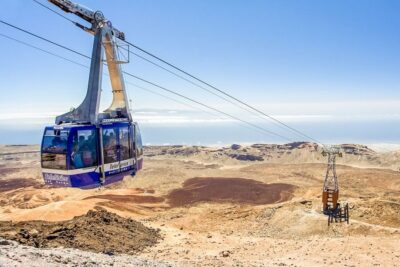
Tenerife: Mount Teide Tour with Cable Car Ticket & Transfer
Read our review →
Tenerife: Teide National Park Sunset & Stargazing Tour
Read our review →
Tenerife: Mount Teide, Masca, Icod and Garachico Day Trip
Read our review →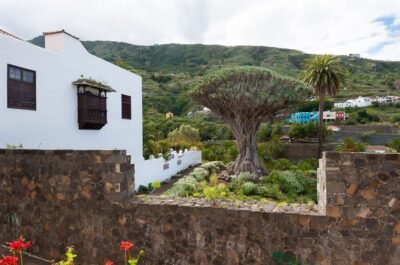
Tenerife: Teide National Park Full-Day Tour with Pickup
Read our review →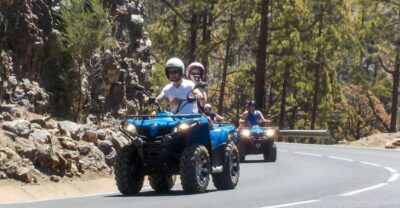
Tenerife: Quad Adventure Tour in Teide National Park
Read our review →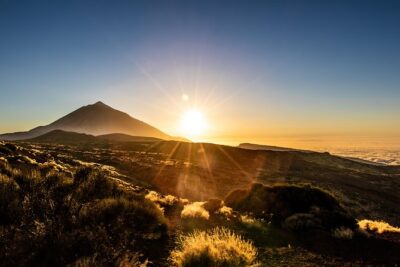
Teide by Night: Sunset & Stargazing with Telescopes Experience
Read our review →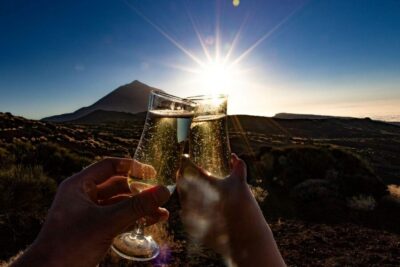
Teide: Guided Sunset & Stargazing Tour by Night with Dinner
Read our review →
Browse the lists this tour appears in