
REVIEW · TENERIFE
Teide National Park: Guided Large Telescope Stargazing Tour
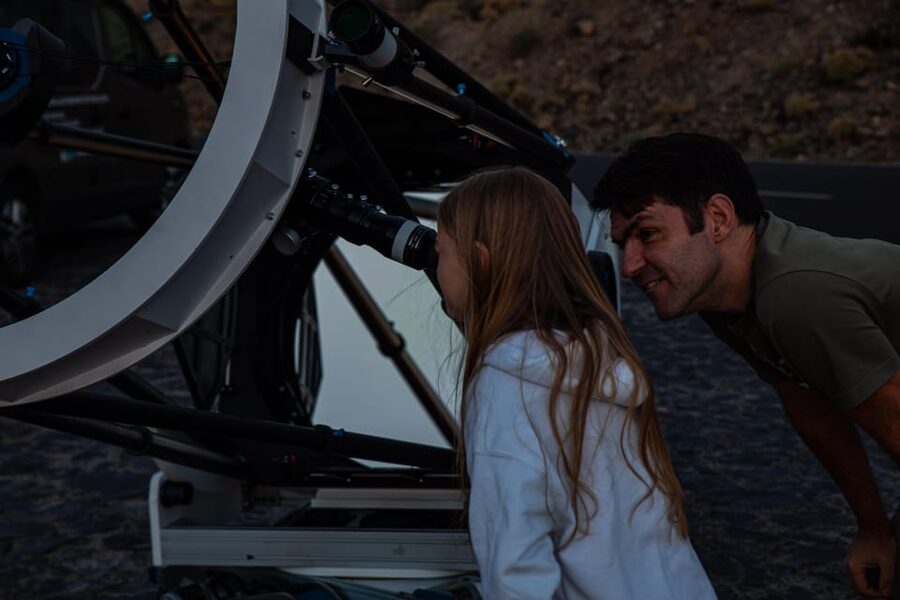
The main draw here is a 32-inch Dobsonian telescope, said to be the largest private telescope in the Canary Islands. Under Teide’s dark skies, you may see galaxies, nebulae, star clusters, planets, and the remains of exploded stars, not just bright points of light.
I like the small groups of up to 12 people, which give you time at the eyepiece rather than a quick look and a shuffle to the back. I also like Alessandro’s teaching style: he explains big ideas in plain language, then adjusts the talk for curious beginners, children, and amateur astronomers. The catch is the cold, wind, changing start time, and occasional need to postpone when the sky will not cooperate.
Key points to know before you go
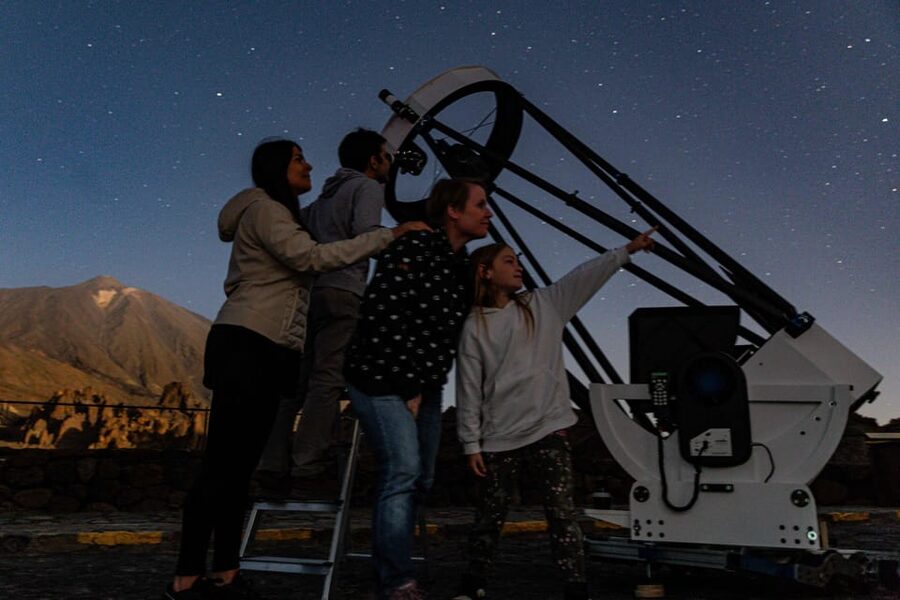
- The 32-inch telescope is the star of the show: Its large mirror gathers much more light than a standard small telescope.
- Alessandro leads with real enthusiasm: Expect clear explanations of planets, galaxies, nebulae, stellar evolution, and astrophotography.
- Small groups matter: With no more than 12 people, you should have time to look properly and ask questions.
- The meeting point can change: You receive GPS coordinates by WhatsApp around 9:30 am on the day, based on weather and wind.
- Night Vision offers a different style: The modified 12-inch telescope amplifies light for a more immediate, live observing session.
- Bring serious warm clothing: Teide gets very cold after sunset, even when Tenerife feels warm by the coast.
Why this Teide stargazing tour is different
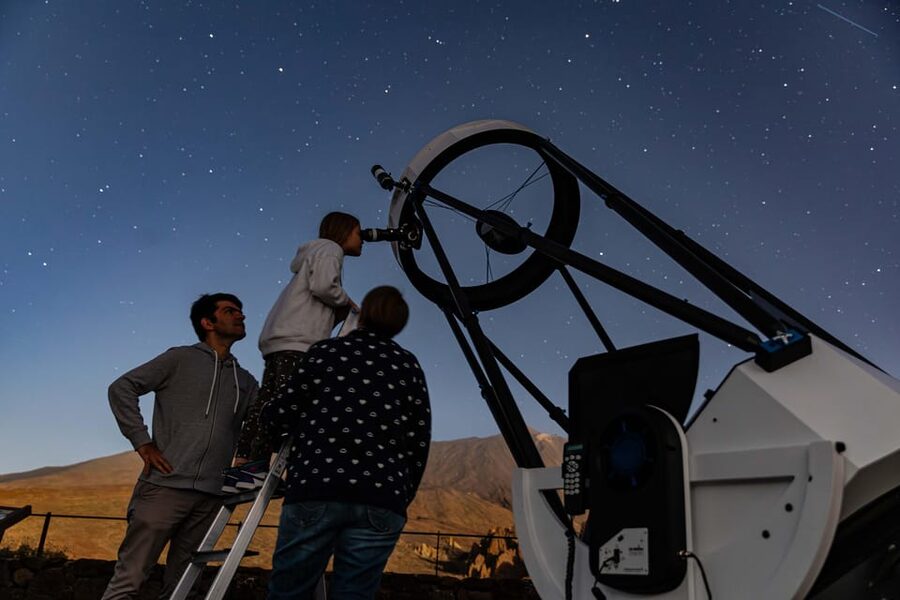
Many astronomy outings in Tenerife focus on a short talk, a laser pointer, and a look through several modest telescopes. This one is built around a single large instrument: a computerized 32-inch Dobsonian telescope with a cooled astro-camera attached.
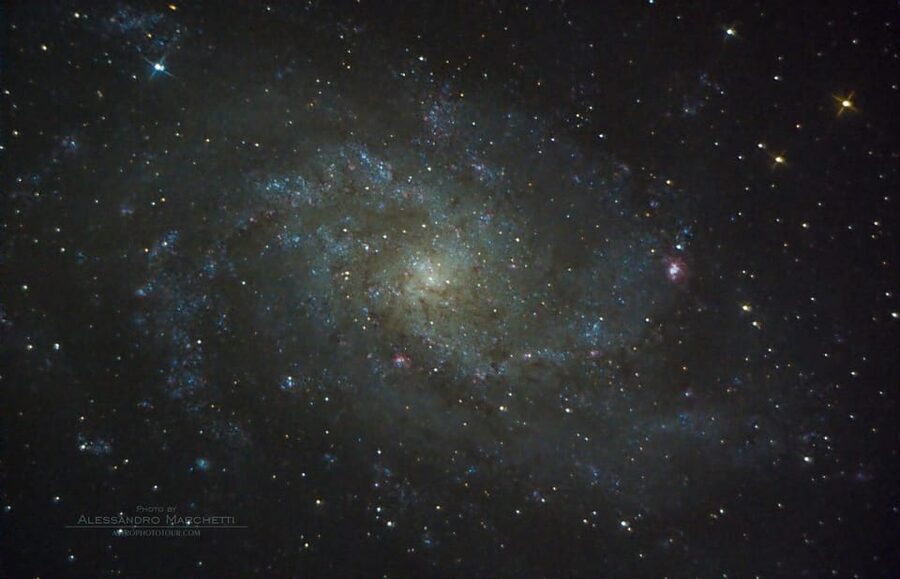
That size matters. A telescope mirror gathers light, and a one-meter-class mirror can show fainter objects with more detail than a small backyard telescope. You are not promised a view that looks exactly like a space photograph, but the large scope gives you a better chance of seeing the structure of distant galaxies, the shape of nebulae, star clusters, and planetary details.
The tour is run by Astrophototour, with Alessandro as the main guide. His approach combines a straightforward introduction to the universe with time spent at the eyepiece. He has explained the birth and death of stars, the scale of galaxies, and the objects in view in a way that works for people who know little about astronomy. At the same time, more serious amateurs can ask about optics, astrophotography, and how the telescope works.
That mix is important. A tour aimed only at experts can leave beginners behind. A basic tourist talk can frustrate people who already know the difference between a nebula and a galaxy. Here, the guide can adjust the level to the group.
More Volcano National Parks in Spain
- Tenerife: Teide National Park Sunset & Stargazing Tour
★ 4.2 · 3,812 reviews - Tenerife: Sunset and Stargazing at Teide National Park
★ 4.7 · 2,826 reviews - Teide National Park Sunset & Stargazing with Dinner (Star Safari)
★ 5.0 · 2,601 reviews
Arriving at Teide after sunset
This is a meeting-point tour, not a hotel pickup excursion. The exact location and time are not fixed in advance. Around 9:30 am on the day of your booking, the provider sends details through WhatsApp after checking the weather and wind.
That flexible system has a practical reason. A very large telescope needs a calmer spot, so the meeting point may change according to wind direction. You need a phone that can receive the message, a way to reach the GPS location, and enough time to drive there without rushing.
The start time changes through the year because it follows sunset. A winter tour may begin earlier than a summer session. Check the time on the day rather than assuming the hour shown when you first book is fixed.
Once the group gathers, expect a short introduction before the observing begins. The opening explanation sets up the basic story of the night sky: how stars form, how they change, and why certain objects are visible at that time of year. This is useful because the telescope session becomes more than a series of disconnected sights.
The 32-inch telescope and what you may see
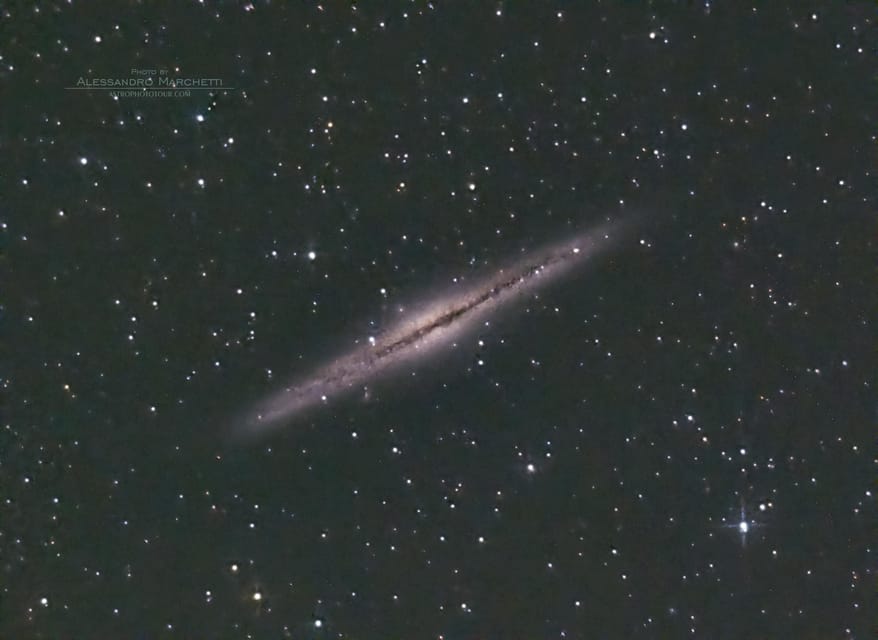
The computerized 32-inch Dobsonian is the central attraction. The scope was designed and built by Alessandro, and its mirror diameter is roughly one meter. That is a serious piece of amateur equipment, far beyond the small telescopes often used for casual public viewing.
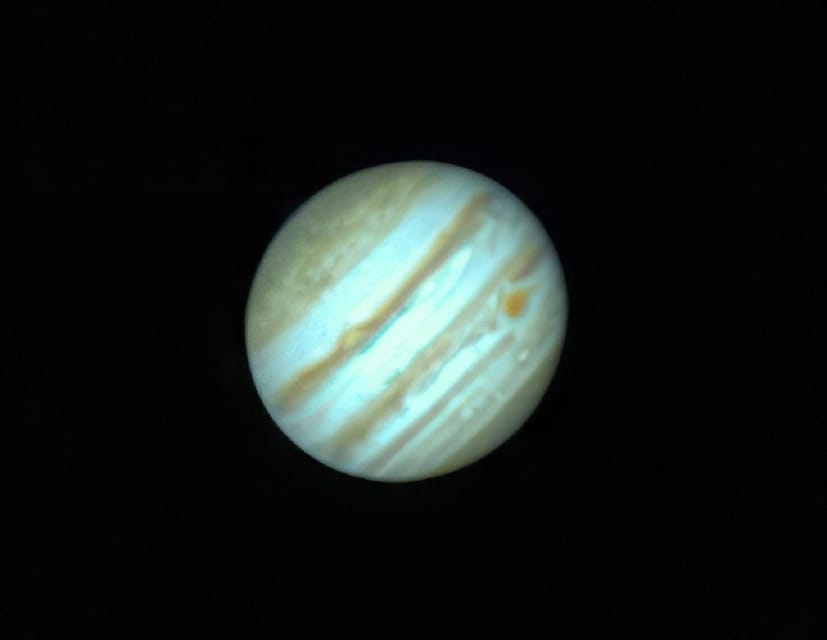
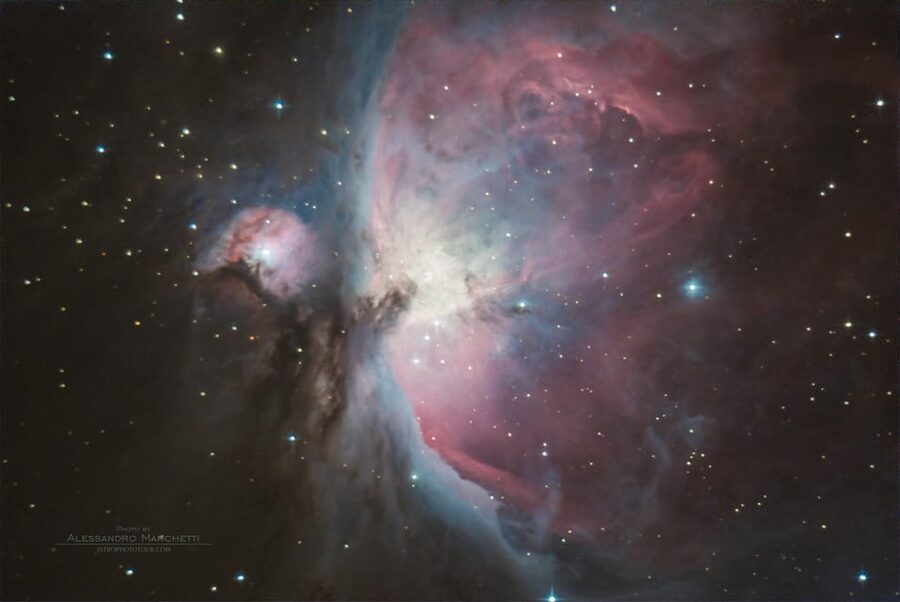
The exact objects depend on the season, the weather, and what is high enough above the horizon. You might see Saturn with its rings, Jupiter, Mars, star clusters, galaxies, planetary nebulae, and supernova remnants. One family reported seeing another galaxy, a star cluster, an exploded supernova, and a dead star during its session. In another season, Saturn and four of its major moons were visible.
The view is live, through the telescope’s eyepiece. It is not the same as looking at a processed observatory image on a screen. Faint objects can appear subtle, and your eye may need a moment to adjust. That is part of the fun. The guide points out what to look for, and the large mirror helps bring out details that a smaller telescope may not show.
The scope is computerized, which helps the guide locate targets efficiently. That matters during a three-hour tour. You spend more time looking and less time waiting while someone searches manually for every object.
Small groups make a real difference here. With a maximum of 12 people, each person should get a proper turn at the eyepiece. You will still share the session, and one group noted that fewer people would have made it even better, but the format is more personal than a large coach-style astronomy stop.
Alessandro’s teaching style
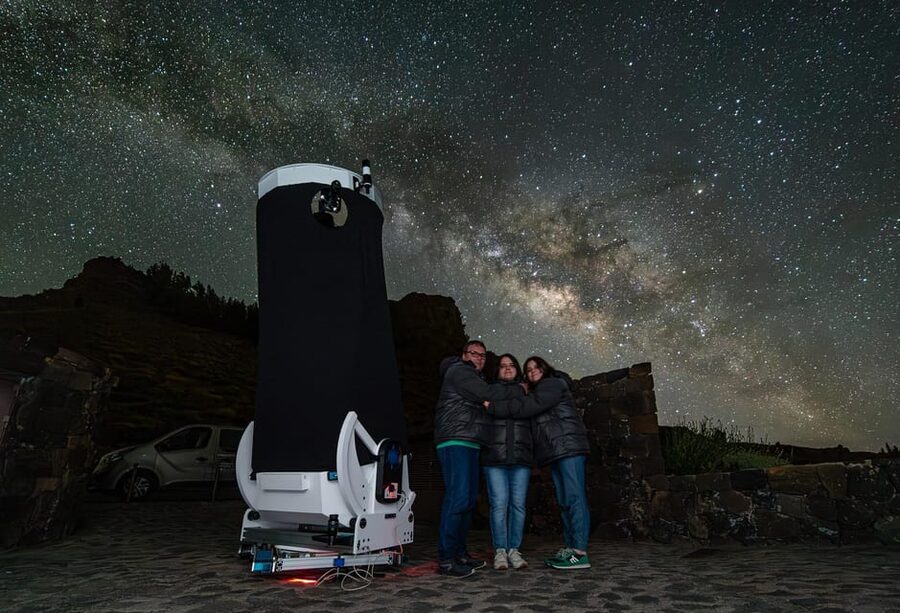
The strongest part of this activity is the guide. Alessandro is described as passionate, patient, friendly, and able to explain difficult ideas in simple terms. That combination helps because astronomy can become abstract very quickly.
He may begin with the solar system, move outward to our galaxy, then explain how astronomers study galaxies and stellar remnants far beyond it. His explanations connect what you are hearing with what you are seeing. A bright planet, a hazy nebula, or a faint galaxy becomes part of a larger story about time, distance, and the life of stars.
The pace seems generous rather than rushed. Alessandro answers questions, gives people time at the telescope, and checks that the group understands what it is looking at. Families have found him good with children, including taking extra time to help younger viewers find the object in the eyepiece.
The talk can run long for someone who is only mildly interested in astronomy. One person specifically noted that a shorter version might suit a companion who was not very engaged with the subject. If your group includes mixed interests, consider the private option so you can set the pace and shape the discussion more easily.
The tour is available in English, Spanish, and Italian. If you need a private format, the Exclusive Starlight Experience is designed for couples, families, or friend groups.
More Volcano National Parks in Tenerife
- Teide National Park: Sunset & Stargazing Safari with Dinner
★ 4.6 · 2,115 reviews - Tenerife: Teide National Park Full-Day Tour with Pickup
★ 4.5 · 1,613 reviews - Tenerife: Quad Adventure Tour in Teide National Park
★ 4.7 · 1,492 reviews - Tenerife: Teide National Park Guided Buggy Tour
★ 4.7 · 609 reviews
Night Vision is a different kind of astronomy
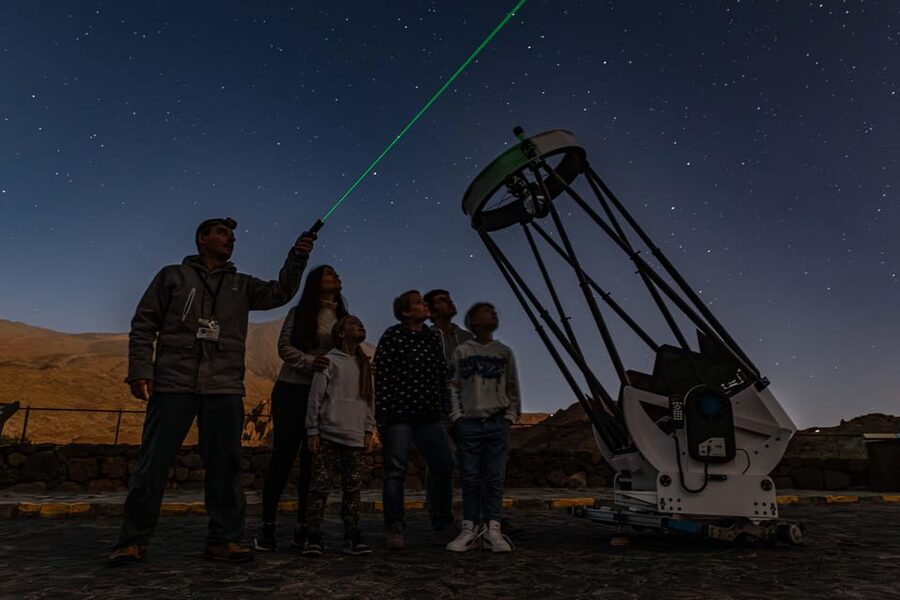
The Night Vision Voyage uses a modified 12-inch telescope fitted with a Night Vision system. It is smaller than the 32-inch instrument, but the technology amplifies available light and changes how you observe the sky.
This option is less about the sheer size of the mirror and more about the immediate quality of the live view. It can reveal stars and objects in a way that feels different from ordinary eyepiece observing. The description emphasizes real-time fun, so it may suit you if you want a more unusual telescope session rather than the largest possible aperture.
Do not assume the Night Vision option is simply a cheaper version of the main tour. It is a separate style of experience. The 32-inch session is the obvious choice if your priority is maximum light-gathering power and large deep-sky targets. Night Vision may appeal more if you are curious about modern observing tools and want to compare what a modified telescope can do.
The astrophotography package
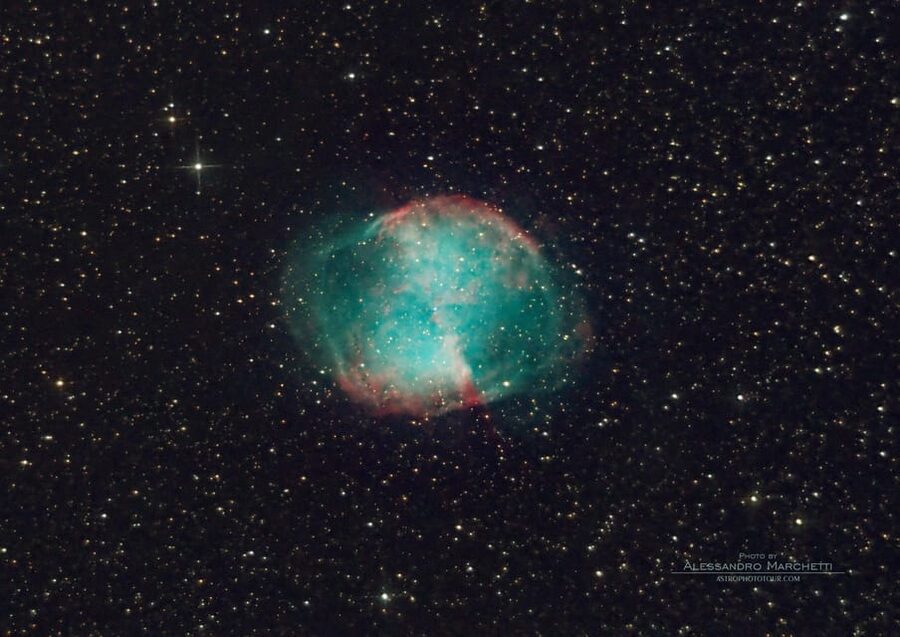
A dedicated cooled astro-camera is included. The equipment captures images of some objects viewed during the night, and you receive photographs after the session. The provider also shares selected images from earlier observing sessions, so your final set may include objects that were not visible on your particular evening.
This is a useful extra because astrophotography and visual observing serve different purposes. With your eye, you experience the live view and the changing detail as you look through the eyepiece. The camera can record longer exposures and bring out color and structure that the eye cannot easily hold in low light.
The tour also includes a final photo of you with the night sky. One clever setup uses a longer exposure while you keep your face still, which can produce a striking result. Do not expect a sharp portrait if you move during the exposure, but the image gives you a memorable record of the night.
The photos add value to the $58 price. You are not paying only for a talk and a telescope look. You receive guided observing, access to unusually large private equipment, and images to take home. For anyone already interested in astronomy or photography, that package makes the cost easier to justify.
Cold, wind, and the parts you need to plan
Teide’s elevation and open surroundings make it a strong place for observing, but those same conditions can make the night uncomfortable. Bring warm layers, long trousers, water, snacks, and comfortable clothing. Shorts and open-toed shoes are not allowed, and you should not bring a flashlight.
The cold is not a minor footnote. People have needed extra coats in winter, and Alessandro and Antonella have sometimes provided clean coats, hot tea, biscuits, or cookies. Still, pack as though you must keep yourself warm for three hours. A coastal Tenerife evening can be mild while the mountain after sunset is bitterly cold.
Wind is the main factor that can interrupt the telescope session. Strong gusts may make it unsafe or impractical to use a large instrument. On one difficult evening, the group stopped telescope viewing but continued with constellations visible to the naked eye, astronomy images, and explanations. That is a sensible backup, but it cannot fully replace clear, steady telescope time.
If conditions are poor, the activity may be postponed until the next day or refunded. This flexibility is reassuring, but it also means you should avoid scheduling the tour on the final night of your trip if seeing the telescope is your main reason for booking.
Who will enjoy the three-hour format
I would choose this tour if you want a serious look at the night sky rather than a quick tourist stop. It works especially well for:
- Couples who want a quiet evening with a strong visual focus
- Families with children over five who can handle a late, cold outing
- Amateur astronomers who want access to a very large private telescope
- Beginners who like explanations and want to understand what they see
- Photography fans who value the included images
- Visitors willing to drive to a changing meeting point
Children under five cannot take part. Older children can enjoy it, especially if Alessandro has time to explain the sights at their level, but you need to judge whether your children can stay warm and attentive for three hours.
This is less suitable if you dislike long explanations, dislike waiting your turn at a shared telescope, or want a fixed pickup and timetable. It may also frustrate you if you expect every object to look like a colorful space-agency photograph. The best reward comes from seeing faint, real objects with your own eyes and understanding what they are.
Is $58 a fair price?
At $58 per person, this is not the cheapest way to look at stars in Tenerife. The price is easier to assess when you separate the parts of the package.
You get a three-hour guided session, a small group of no more than 12 people, access to a 32-inch computerized telescope, a cooled astro-camera, a multilingual guide, and photographs. Hotel transportation, food, and drinks are not included, so you need to handle the drive and bring your own snacks and water.
For a casual visitor who only wants to point out constellations, the price may feel high. For someone who wants time at a large telescope and a guide who can answer real astronomy questions, it is a strong value. The unusual equipment and small-group format are the reasons to choose it over a general night-sky outing.
Should you book this stargazing tour?
I would book it if the night sky is a real interest, even if you are starting from zero. Alessandro’s clear explanations, the large telescope, and the time given to each person make this more than a standard lookout stop.
Book with care if your schedule is tight. The meeting point and start time arrive on the day, the session depends on weather and wind, and poor conditions can force a postponement. Bring proper mountain clothing and keep another evening available if possible.
The best choice is the Grand 32 Scope Adventure if you want the largest mirror and the strongest chance of seeing faint deep-sky objects. Pick the Night Vision Voyage if the technology and live amplified view appeal more to you. Choose the Exclusive Starlight Experience if your group has mixed interests or you want a more personal pace.
For $58, this is a particularly good match for curious people who want to look through the telescope, ask questions, and leave with photographs rather than simply hear a short talk about the stars.
FAQ
How long does the Teide stargazing tour last?
The tour lasts three hours.
How much does the tour cost?
The listed price is $58 per person.
What telescope is used on the main tour?
The main experience uses a computerized 32-inch Dobsonian telescope, described as the largest private telescope in the Canary Islands.
Is a Night Vision option available?
Yes. The Night Vision Voyage uses a modified 12-inch telescope with a Night Vision system that amplifies light.
What can I see through the telescope?
Depending on the season and conditions, you might see planets such as Saturn, Jupiter, or Mars, along with galaxies, nebulae, star clusters, and supernova remnants.
Are photographs included?
Yes. The tour includes a dedicated cooled astro-camera and photos, including images taken during the session and selected images from previous sessions.
Is hotel pickup included?
No. Hotel pickup and drop-off are not included. You must travel to the meeting point.
When will I receive the meeting point?
The provider sends the meeting time and GPS coordinates through WhatsApp at around 9:30 am on the day of the tour. The location can change according to wind direction.
What should I wear and bring?
Bring warm clothing, water, snacks, and comfortable clothes. Shorts and open-toed shoes are not allowed, and you should not bring a flashlight.
Can the tour be postponed because of weather?
Yes. If the weather is not suitable for observing, the activity may be postponed to the next day or refunded. You can also cancel up to 24 hours in advance for a full refund.
More Mount Teide Tours in Tenerife
- Tenerife: Mount Teide Tour with Cable Car Ticket & Transfer
★ 4.3 · 5,094 reviews - Tenerife: Mount Teide, Masca, Icod and Garachico Day Trip
★ 4.5 · 2,065 reviews - Teide by Night: Sunset & Stargazing with Telescopes Experience
★ 4.5 · 1,492 reviews - Teide: Guided Sunset & Stargazing Tour by Night with Dinner
★ 4.7 · 1,339 reviews
Just added around Tenerife
- Tenerife: Water Jet-Ski / Teide Volcano Quad Safari Combo★ 4.5 · 6 reviews
- Tenerife: Tenerife Highlights beyond the Teide★ 4.8 · 160 reviews
- Puerto de la Cruz: Quad to Mount Teide Day or Sunset★ 4.7 · 25 reviews
- Tenerife: Teide Stargazing with an Astrophysicist★ 4.9 · 74 reviews
- Teide: Small Group Sunset Adventure with Picnic & Stargazing★ 4.6 · 231 reviews
- Tenerife: Teide National Park Sunset Quad Tour★ 4.1 · 164 reviews
- Tenerife: Teide National Park and Volcano Buggy Tour★ 4.0 · 39 reviews
- Tenerife: Teide National Park & Teno Rural Park Private Tour★ 5.0 · 35 reviews
Tenerife Volcano Tours, compared.
Tenerife: Mount Teide Tour with Cable Car Ticket & Transfer
Read our review →
Tenerife: Teide National Park Sunset & Stargazing Tour
Read our review →
Tenerife: Mount Teide, Masca, Icod and Garachico Day Trip
Read our review →
Tenerife: Teide National Park Full-Day Tour with Pickup
Read our review →
Tenerife: Quad Adventure Tour in Teide National Park
Read our review →
Teide by Night: Sunset & Stargazing with Telescopes Experience
Read our review →
Teide: Guided Sunset & Stargazing Tour by Night with Dinner
Read our review →
Browse the lists this tour appears in