REVIEW · AUCKLAND
Rangitoto Island: Sea Kayak & Summit Hike Day Trip
Rangitoto Island is Auckland’s most striking natural landmark, and this tour lets you reach it under your own power. You kayak across Waitemata Harbor, then climb the island’s volcanic cone for wide views of the city, islands, and sea. It is an active day, not a sightseeing cruise with a short walk tacked on.
I like the small group of up to nine, which gives your guide room to help with paddling and keep an eye on changing conditions. I also like the practical mix of sea, forest, volcano, and food: the barbecue lunch, cold drinks, and hot drinks make the trip feel like a proper day out rather than a workout.
The main catch is the water. Wind can make the return paddle tiring, and the tour is not suitable for people with back problems, low fitness, wheelchair users, people over 125 kilograms, or anyone over 95. Check the forecast and be honest about your stamina before booking.
Key points to know before you book
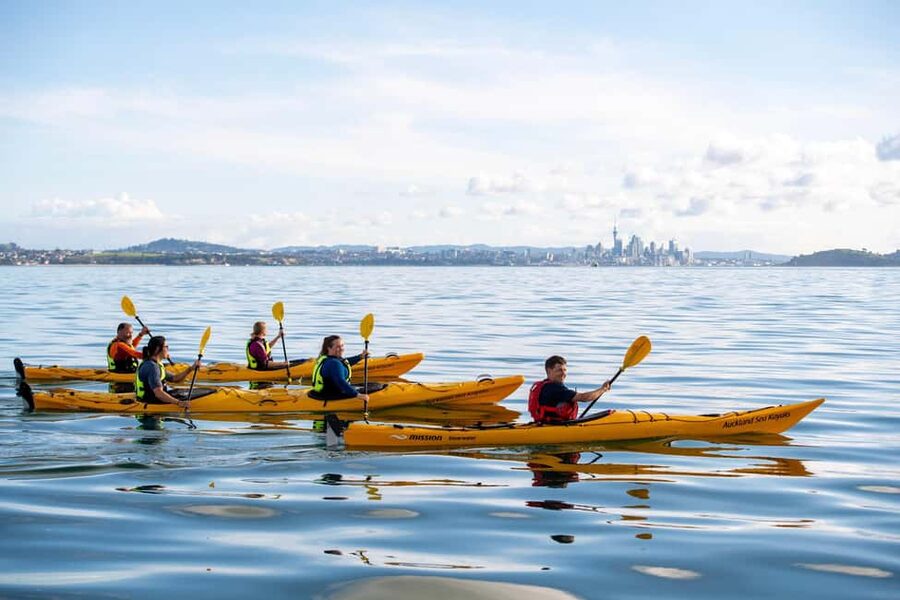
- Paddle from St Heliers Beach to Rangitoto: You cross Waitemata Harbor in a sea kayak, with instruction and safety guidance before setting off.
- Climb Auckland’s youngest major volcano: The summit walk takes about one hour and passes through pohutukawa forest, black scoria, and native plants.
- Expect a real outdoor day: Wind, open water, and the uphill walk matter more here than they would on a ferry-and-bus excursion.
- Lunch is part of the appeal: A hearty barbecue meal comes with hot and cold drinks, with healthy Kiwi-style refreshments also included.
- Small groups make the guidance personal: The maximum group size is nine, and past guides have included Tony, Daniel, Ben, and Eric.
- You get a different Auckland view: The city looks best from the water and from Rangitoto’s summit, not from another downtown lookout.
Why kayak to Rangitoto instead of taking the ferry?
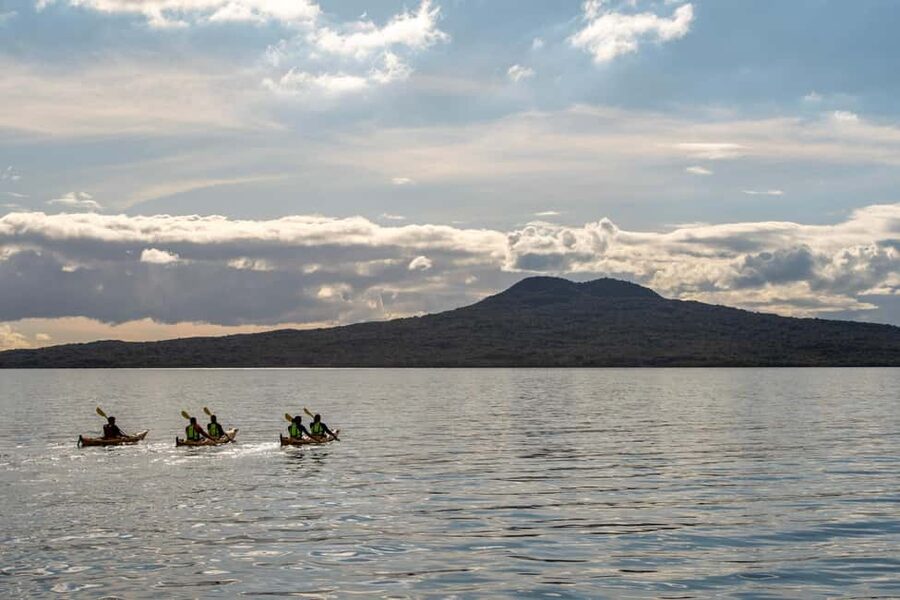
Rangitoto is easy to recognize from Auckland. Its broad volcanic cone rises from the Hauraki Gulf, and the island gives the city a dramatic natural frame. A ferry gets you there faster, but kayaking makes the crossing part of the experience.
You begin at St Heliers Beach on Tamaki Drive. After a safety briefing and paddling instruction, you take to the harbor in a kayak. This is useful even if you have paddled before, since the guide can explain how to handle the boat, work with the conditions, and stay with the group.
The harbor’s Māori name, Waitemata, is often translated as sparkling waters. From a kayak, you experience that name at water level. You are not simply looking across the harbor from a shore path. You are moving through it, with Auckland behind you and Rangitoto ahead.
The crossing can be calm, but it is not guaranteed to be easy. Strong wind made the paddle challenging on one recent trip, and the return leg can feel especially long when the beach seems slow to come closer. That is the honest tradeoff for an open-water adventure. Calm conditions make the crossing wonderfully scenic. Wind turns it into exercise.
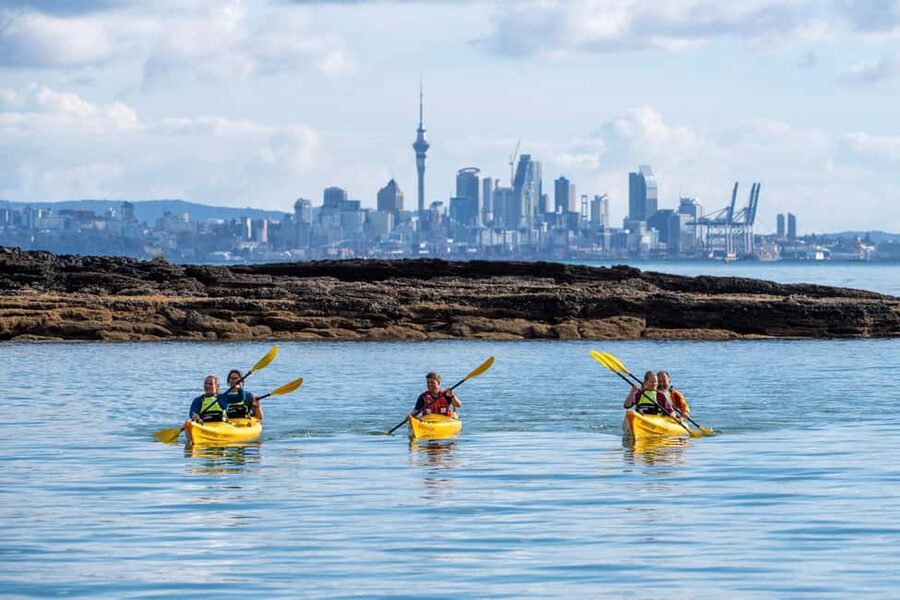
You might see Little Blue Penguins or Cook’s Petrels, though wildlife sightings are not promised. The most reliable reward is the changing view. Auckland’s waterfront, the harbor, and Rangitoto shift position as you paddle, giving you a much more three-dimensional sense of the area.
More Volcano Hikes and Treks in New Zealand
- Auckland: Segway to North Head Volcano Summit
★ 4.9 · 53 reviews - Rotorua Hiking: Mt Tarawera Guided Volcanic Crater Experience
★ 5.0 · 283 reviews - Volcanic Valley Self Guided Walking and Hiking at Waimangu
★ 4.5 · 248 reviews
The St Heliers start and the small-group setup
The regular meeting point is St Heliers Beach, at 384 Tamaki Drive. You meet at the beach at the scheduled start time. If you request pickup, the meeting point is the Atrium at the Auckland War Memorial Museum, 30 minutes before the tour begins.
The museum pickup is useful if you are staying in central Auckland and do not want to arrange your own way to the beach. The short drive to St Heliers keeps the transfer simple. If you meet at the beach, you begin right beside the water and avoid a separate transport stage.
The group limit is nine participants. That number matters on a kayaking trip. You are not lost in a large line of boats, and the guide has a better chance of spotting a paddler who needs help or a slower pace.
Recent guides have included Tony, Daniel, Ben, and Eric. Their roles are practical as well as interpretive. Tony has explained how the island is recovering after lava flows, while Daniel has been praised for keeping a solo paddler comfortable and for cooking a particularly good steak lunch. Ben has handled difficult wind with care, and Eric has guided both the kayaking and the volcanic walk.
You should still expect the guide assignment to vary. The important point is that the experience depends on an English-speaking guide who gives the briefing, teaches the paddling basics, leads the hike, and prepares lunch.
Crossing Waitemata Harbor by sea kayak
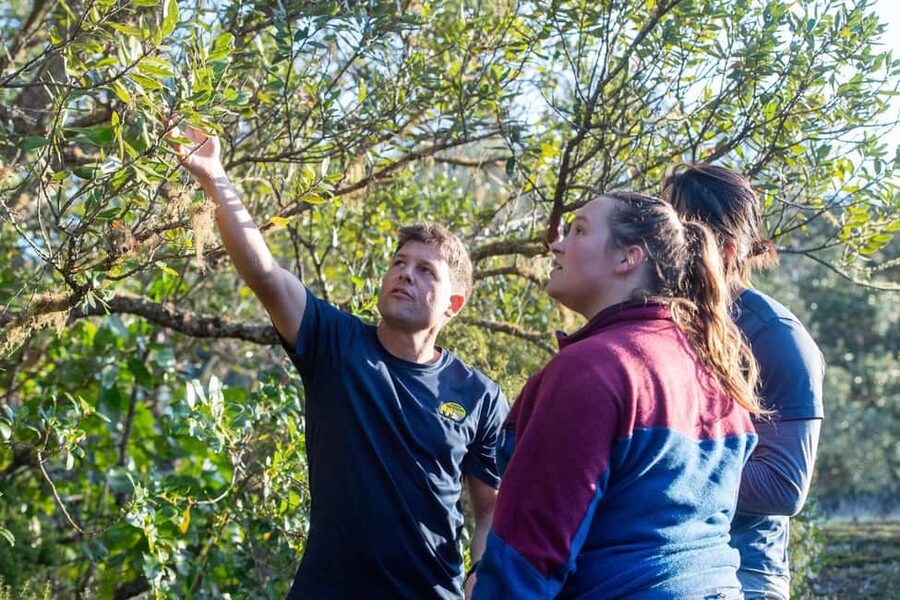
The first serious part of the day is the paddle. You receive your equipment, safety briefing, and instruction before leaving St Heliers. The tour includes the kayak and all required kayaking equipment, so you do not need to bring your own boat or paddles.
The water may look gentle from the beach, but open harbor conditions can change the feel of the trip. Your arms and shoulders do the work, while wind can affect both direction and effort. If you have not kayaked before, listen closely during the briefing and follow the guide’s pace rather than trying to race ahead.
A solo participant with motion sickness concerns found that medication helped and that the open-water kayaking itself was manageable. That does not guarantee the same result for everyone, but it is a useful reminder to plan ahead if you know you are prone to motion sickness. The provided information does not specify which medication to take, so speak with a medical professional if you need advice.
The crossing is also where the tour earns its sense of adventure. You are close enough to feel the harbor, yet far enough from land for the city to begin looking different. Rangitoto grows larger ahead, while the urban shoreline becomes part of the view behind you.
Rangitoto’s volcanic shore and one-hour summit walk
Once you reach the island, the day shifts from paddling to walking. The summit hike takes about an hour at a leisurely pace. This is not a technical climb, but it is uphill and follows volcanic ground, so comfortable shoes matter.
Rangitoto formed from volcanic activity, and its dark scoria gives the island a rough, exposed character. The path also passes through pohutukawa forest, a classic New Zealand coastal setting. More than 200 native trees and flowering plants grow on the island, which makes the walk more than a bare trek up a cone.
The combination of black volcanic rock and native plant life is one of the tour’s strongest features. You can see how plants have established themselves on ground created by lava and scoria. A guide may add useful context about the island’s regeneration, as Tony did on a recent trip.
The walk is described as leisurely, but do not confuse that with effortless. You need a reasonable level of fitness for the paddle and the climb together. The island has other trails, yet this day trip gives you limited time on shore. If you enjoy long walks and want to explore more of Rangitoto, a ferry-based visit with extra time may suit you better.
More Volcano Crater Hikes in Auckland:
- Mount Etna: Summit Crater Trek with Cable Car
★ 4.8 · 1,875 reviews - Etna Sunset Tour: Volcano trek, Cave & tasting from Catania
★ 4.8 · 1,290 reviews - Lanzarote: Guided Volcano Hike with Transfers
★ 4.9 · 861 reviews - From Antigua: Pacaya Volcano Trek
★ 4.4 · 798 reviews
The summit view across Auckland
At the summit, the effort pays off with a 360-degree view across the Auckland region. The city, harbor, islands, and open water spread out around the volcanic cone. It is the kind of viewpoint that explains Auckland better than a city street can.
You get two different views of Auckland during the day. From the kayak, the city sits across the water and Rangitoto appears as the destination. From the summit, the harbor becomes a pattern of bays and shorelines, and the route you paddled becomes easier to understand.
Take your time at the top, within the group schedule. The views are the central reason to climb, but the summit also gives you a clear sense of Rangitoto’s scale and position in the Hauraki Gulf. On a clear day, this is likely to be the visual high point of the tour.
The weather controls how much you see. The activity information promises panoramic views, but no outdoor operator can guarantee clear skies. Wind may make the crossing harder, while cloud can soften the summit view. You should book this for the full experience of paddling and hiking, not only for a perfect photograph.
Barbecue lunch, drinks, and a possible swim
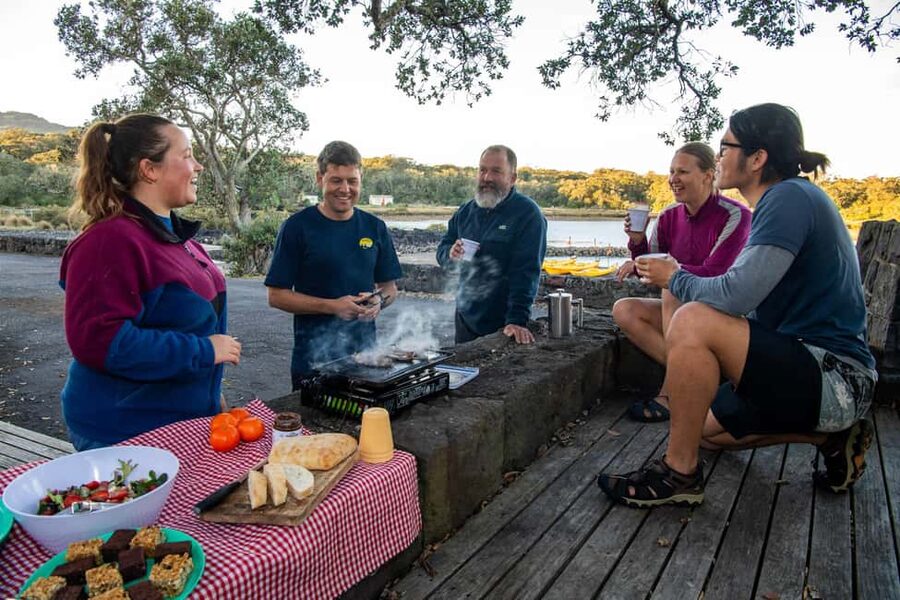
After returning to the water’s edge, you receive a healthy, hearty Kiwi lunch. The tour includes a barbecue, light refreshments, and hot and cold drinks. Past meals have included a steak cooked by Daniel, though you should not assume that exact menu on your date.
Lunch is more important here than it might be on an easy sightseeing trip. You have already paddled across open water and walked uphill. Eating before or after the hike can affect how comfortable you feel, and one solo participant was especially glad to have lunch before climbing because it provided useful fuel.
If time permits, you may have a chance to swim. Treat this as a bonus, not a fixed part of the schedule. Bring comfortable clothes, and remember that the tour is built around kayaking, hiking, lunch, and the return crossing.
The meal also gives the group a chance to pause. On an active day, that break helps prevent the whole trip from feeling like one long physical effort. It is a simple feature, but it adds real value to the $144 price.
The return paddle and the value of $144
At $144 per person, this is not the cheapest way to see Rangitoto. A ferry and self-guided walk should cost less, though the supplied information does not give a ferry fare for comparison. The kayaking tour bundles the guide, instruction, equipment, refreshments, barbecue lunch, drinks, and optional museum pickup into one full-day activity.
I see the value in the combination. You are paying for an active route to the island, not just transport. You also avoid arranging kayak hire, learning the basic technique on your own, planning lunch, and finding your way around the summit walk.
The return may include help from a sail, allowing the group to head safely back toward St Heliers Bay. That can give tired paddlers a break, but the trip still requires enough energy for the crossing. Do not book this expecting the sail to remove all physical effort.
The price makes the most sense if you want a guided adventure and would otherwise pay separately for equipment, instruction, food, and transport. It makes less sense if your main goal is simply to stand on Rangitoto for a short time. For that, a ferry visit gives you more control and may leave you with more time for the island’s other trails.
Who should book this Rangitoto day trip?
I would recommend it to an active visitor who wants to see Auckland from the water and from a summit in the same day. It suits solo participants, couples, and small groups who enjoy guided outdoor activities and do not mind a little uncertainty from the weather.
The small group is also a good fit if you prefer direct help rather than a large commercial outing. A solo paddler recently found the format reassuring, especially with a guide close by. That does not make the activity risk-free, but it can make the day feel more manageable.
You should think twice if you have back problems, a low fitness level, or discomfort with open water. Wheelchair users cannot take part, and the stated maximum weight is 125 kilograms. The activity is also not suitable for people over 95.
Wear comfortable clothes and shoes. The supplied information does not list a detailed packing list, so you should focus on clothing that works for paddling and walking. The guide provides kayaking equipment, refreshments, lunch, and drinks.
The tour has a 4.8 rating from 31 reviews, with repeated praise for the guides, food, organization, and scenery. Those strengths are clear in the structure of the day: personal instruction, a modest group, a proper meal, and two strong viewpoints. The repeated caution is also clear: wind can make kayaking hard, especially on the way home.
Should you book it?
Book this Rangitoto sea kayak and summit hike if you want an active Auckland day with a real sense of place. The paddle gives you a fresh view of Waitemata Harbor, the hike shows you Rangitoto’s volcanic character, and the barbecue lunch keeps the day grounded and practical.
Choose a ferry visit instead if you want a quieter outing, need flexible time for several island trails, or are unsure about open-water kayaking. For fit visitors who want more than a quick island stop, the $144 price is fair because it covers equipment, instruction, guiding, food, and transport help in one small-group experience.
FAQ
Where does the Rangitoto kayaking tour begin?
The standard meeting point is St Heliers Beach at 384 Tamaki Drive. You meet at the beach at the scheduled start time.
Is pickup available from Auckland War Memorial Museum?
Yes. If you request pickup, meet at The Atrium at the Auckland War Memorial Museum 30 minutes before the tour begins.
How long does the activity last?
It is a full-day activity. Exact starting times vary, so check availability when booking.
How large is the group?
The group is limited to nine participants.
Is kayaking instruction included?
Yes. The tour includes a safety briefing, paddling instruction, a guide, and all kayaking equipment.
How long is the hike to Rangitoto’s summit?
The summit walk takes about one hour at a leisurely pace.
Is lunch included?
Yes. The tour includes a barbecue lunch, light refreshments, and hot and cold drinks.
What wildlife might I see?
You may see Little Blue Penguins and Cook’s Petrels while crossing Waitemata Harbor. Wildlife sightings are not guaranteed.
Who should not take this tour?
The activity is not suitable for wheelchair users, people with back problems, people with a low level of fitness, people over 125 kilograms, or people over 95 years old.
More Kayak Trips in Auckland
- Sunset kayak tour to Rangitoto Island
★ 5.0 · 168 reviews - Day sea kayak tour Rangitoto Island
★ 5.0 · 79 reviews - Auckland: Sunset & Night Sea Kayak Tour to Rangitoto Island
★ 5.0 · 60 reviews - Rotorua: Glow Worm Kayak Tour
★ 4.9 · 351 reviews
More Volcano Hikes and Treks in Auckland
- Bali: Sunrise Mount Batur Guided Hike with Breakfast
★ 4.8 · 9,660 reviews - Bali: Mount Batur Sunrise Guided Hike and Natural Hot Spring
★ 4.8 · 9,284 reviews - Mount Etna: Summit Guided Hiking Tour up to 3,400 m
★ 4.8 · 4,792 reviews - Mount Etna: Trek to 3000m with cable car and 4×4
★ 4.6 · 3,823 reviews
Just added around Auckland
- Waitomo Glow Worm Caves & Te Puia (Rotorua) Private Tour★ 5.0 · 13 reviews
- Waitomo Glow Worm Caves & Te Puia – Rotorua’s Geothermal Valley★ 5.0 · 9 reviews
- Private Tour to Rotorua’s Natural wonders and Māori Arts & craft.★ 5.0 · 4 reviews
- TRIPLE DEAL Wai-O-Tapu, Redwood Forest & Blue Springs Ex Auckland★ 5.0 · 20 reviews
- Sunset kayak tour to Rangitoto Island★ 5.0 · 168 reviews
- Volcanic Rotorua Day Trip from Auckland★ 5.0 · 4 reviews
- Small Group Waitomo and Rotorua including Te Puia Tour★ 5.0 · 4 reviews
- Private Transfer From Auckland Airport To Rotorua★ 5.0 · 5 reviews
Auckland Volcano Tours, compared.
Waitomo Caves & Rotorua – Te Puia Small-Group Tour from Auckland
Read our review →
Auckland: Hobbiton, Rotorua and Wai-O-Tapu Day Tour
Read our review →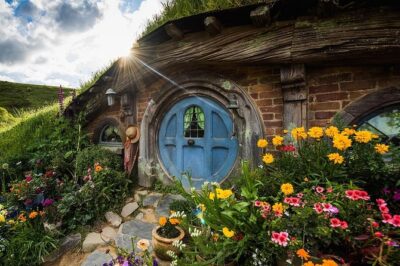
Hobbiton & Rotorua including Wai-O-Tapu – Small Group Tour from Auckland
Read our review →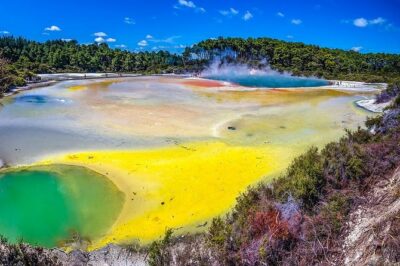
Rotorua Highlights Tour from Auckland with Optional Extras
Read our review →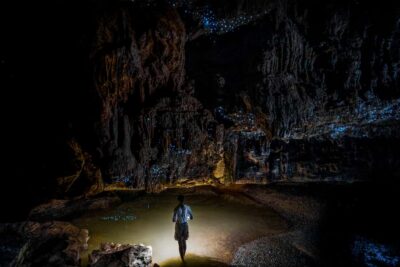
From Auckland or Rotorua: Hobbiton & Waitomo Tour with Lunch
Read our review →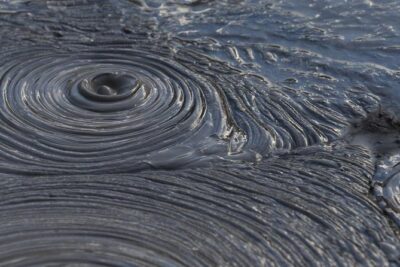
Auckland: Waitomo Caves & Rotorua – Te Puia Small-Group Tour
Read our review →