
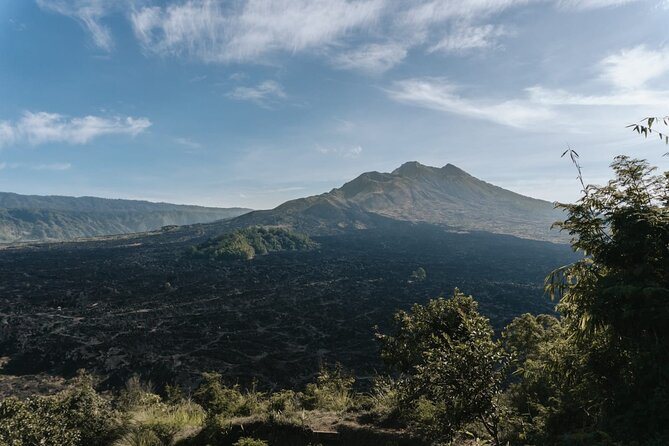
REVIEW · UBUD
Ubud: Downhill Cycling with Volcano, Rice Terraces, and Meal
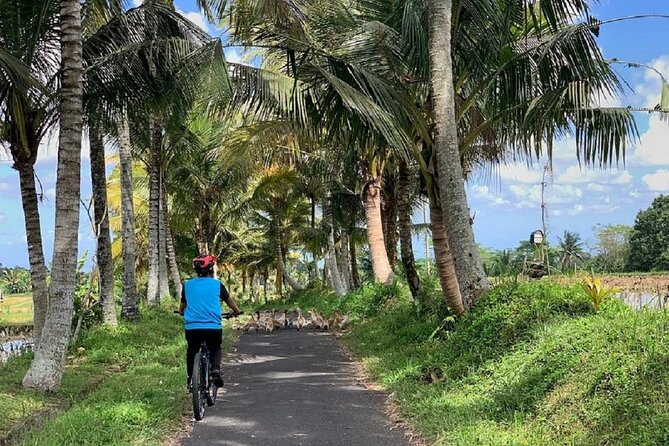
Bali’s best countryside views are often found beyond the car window. This six-hour ride starts near South Batur, then rolls downhill through village lanes, rice fields, farms, temples, and ordinary family compounds. The cycling is gentle, with little pedaling for much of the route, and the guide turns each stop into a lesson about daily Balinese life.
I like the tiny groups, limited to four people, because your guide can slow down for photos, answer questions, and adjust the pace. I also like the practical value: for $36, you get transport within Ubud, a bike, helmet, water, a local guide, and a filling Indonesian lunch. The main catch is that this is not a pure bike ride. You may stop at a coffee plantation, school, or family home, and the road can have potholes. Pickup is only from Ubud, so visitors staying elsewhere need to arrange their own way to the meeting point.
Key points at a glance
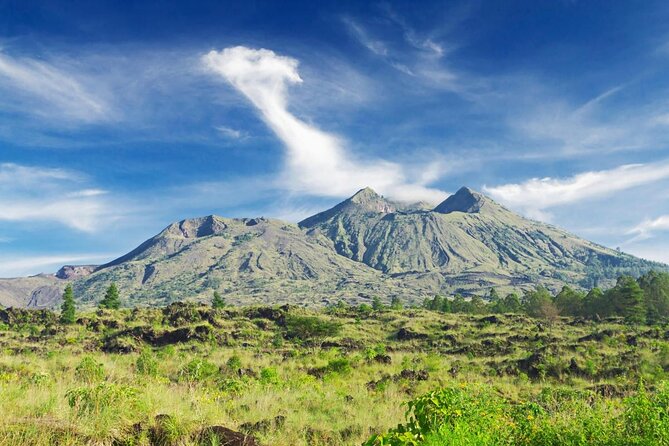
- Mostly downhill riding: You coast for most of the route, with only a few short uphill sections reported.
- A close look at village life: Visit a Balinese family compound, local school, temple, farms, and rice fields.
- Small groups matter: With no more than four participants, guides can adapt the speed and stops.
- Strong guides: Dewa, Pong, Eddy, Dika, Kong, and other local guides are praised for clear explanations and patient help.
- Lunch is part of the experience: Finish with a generous Indonesian or Balinese buffet, with vegetarian choices available.
- Good value at $36: Transport, equipment, bottled water, lunch, and basic personal insurance are included.
Starting near South Batur with a Mount Batur view
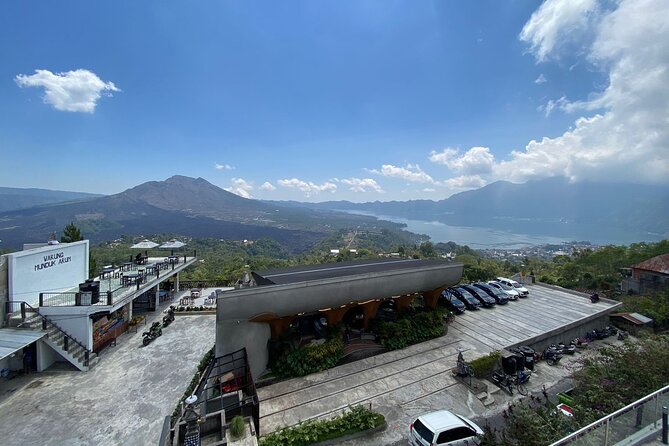
Your day begins with pickup from a hotel or meeting point in the Ubud area. The vehicle is air-conditioned, and the ride takes you toward South Batur, where you stop for about 15 minutes for a scenic view and photographs of the volcano.
This opening stop helps you understand the route. You are high above the warmer lowland fields, looking across one of Bali’s most dramatic areas before the bike ride begins. The volcano stop is brief, so think of it as a photo pause rather than a full sightseeing visit.
Some outings also include a coffee plantation before the cycling starts. At these stops, you may taste a range of local coffees and teas, and a few groups have met civets used in the production of kopi luwak. That can be an interesting addition, but it also means the exact balance between sightseeing and cycling may vary. If your priority is time on the bike, ask about the day’s planned stops when you confirm pickup.
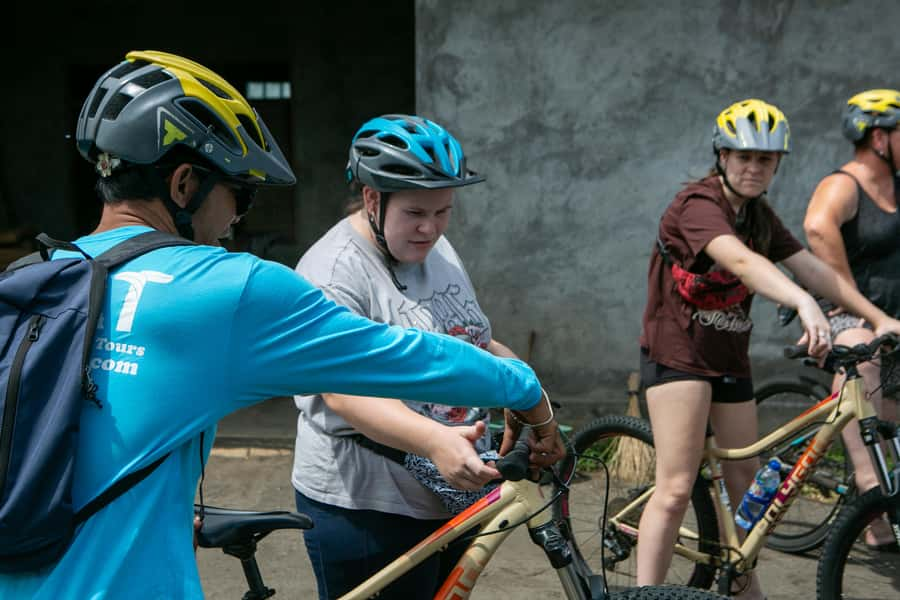
The staff generally provide the bike and helmet at the start point. Several bike sizes and helmet sizes have been available, and the equipment is described as well maintained. You should still check the saddle height, brakes, and helmet fit before setting off. Comfortable shoes, sunglasses, a hat, and sunscreen are sensible. Bring cash for personal expenses, since sun protection and souvenirs are not included.
A few more volcano tours around Ubud worth a look
- Ubud: Downhill Cycling with Volcano, Rice Terraces and Meal
★ 5.0 · 536 reviews - Ubud: Downhill Bike Tour with Rice Fields, Volcano and Meal
★ 5.0 · 267 reviews - Haleakala Sunrise Best Self-Guided Bike Tour
★ 4.5 · 745 reviews
A downhill ride through Bali’s quieter lanes
The central ride passes through traditional villages, small farms, rice fields, and local roads. You will not spend six hours pedaling hard. The route is designed as a downhill cruise, and many sections require little more than steering and controlled braking.
That makes this a good choice if you ride occasionally, are traveling with children, or have not been on a bicycle for years. One participant had not ridden in more than two decades and still found the pace manageable with the guide’s support. Children aged 10 and 12 have also enjoyed the ride with their family.
Still, do not read downhill as effortless and risk-free. There are short climbs, and one section may be steep. Some roads have large holes, uneven surfaces, and ordinary village traffic. You need to be comfortable using hand brakes and watching the road ahead. The guide controls the pace, but you remain responsible for riding safely.
Rain is also part of Bali’s reality. One group was caught in a shower and still enjoyed the day, while another received raincoats when the weather changed. A light jacket or rain layer is worth packing, especially if the sky looks unsettled.
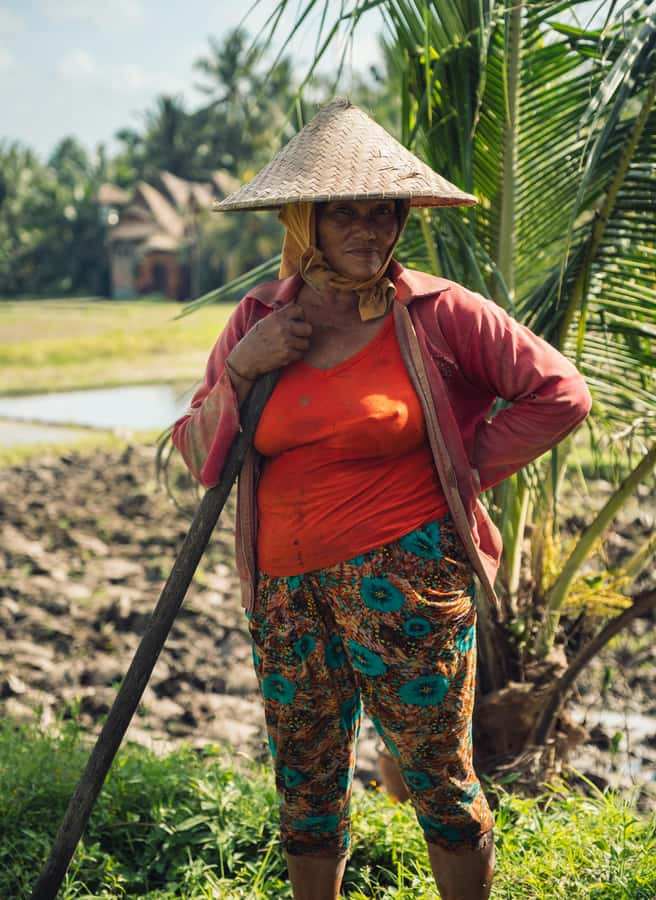
The reward is the changing view. One moment you are beside a house or temple, and the next you are riding between rice paddies with palms and wooded hills around you. From a car, you would pass these scenes in seconds. On a bike, you can stop, look, and ask what you are seeing.
The family compound and everyday Balinese customs
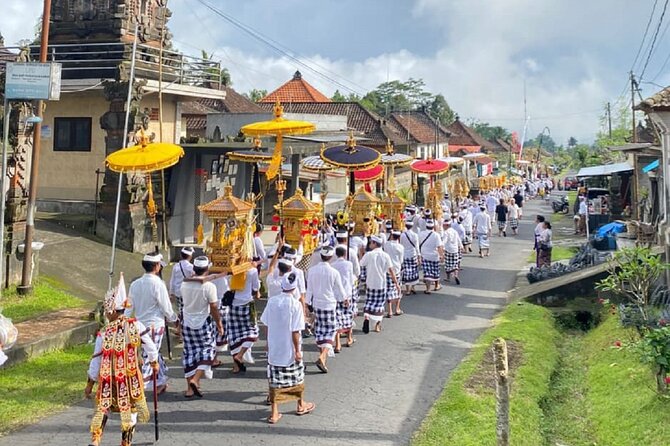
One of the most useful stops is a traditional Balinese compound. Here, your guide explains how several parts of family life fit together, including the arrangement of buildings, household customs, and the role of religious practice.
This is where the tour gains its human focus. The day is not only about pretty fields. You get a short look at how people live, work, worship, and organize family space. The visit is arranged as a meeting with local residents, so bring a respectful attitude. Follow the guide’s instructions about where to walk and what you may photograph.
Guides such as Dewa, Pong, Eddy, and Dika are repeatedly praised for explaining customs in clear English. Their value is not just naming plants or pointing out buildings. They help connect what you see with Balinese traditions, family life, and village routines.
The small group size is especially helpful here. With four people or fewer, the stop can feel like a conversation rather than a quick group shuffle. If you are curious, ask questions. The guides are expected to explain the details rather than rush you through.
Rice fields, farms, and the work behind the view
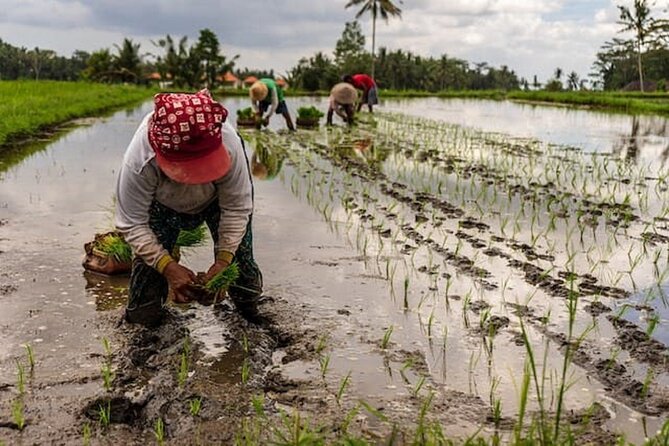
The route includes a short walk through rice paddies, along with time to learn about planting and harvesting. You may see local farm work up close and hear how rice fits into village life.
Rice terraces look effortless from a viewpoint, but they depend on careful water management, repeated planting, and hard physical work. A short walk gives the scenery some context. You are not simply photographing green fields. You are seeing part of the system that feeds households and shapes the local calendar.
The cycling route can also pass local farms and plantation areas. This is a good place to slow down for photos, since the route changes quickly and the guide can point out things you might miss alone. A large spider, a temple ceremony, or a small roadside activity may become an unexpected stop.
The walk through the paddies may involve uneven ground and wet or muddy patches. Wear shoes you can use for both cycling and walking. Flip-flops are a poor choice.
Same volcano country, a different day out:
- Mount Batur Sunrise Hike and Natural Hot Spring Option
★ 5.0 · 1,927 reviews - Mount Batur Sunrise Hike with Breakfast
★ 5.0 · 1,757 reviews - Mount Batur Sunrise Jeep Tour with Optional Activities
★ 5.0 · 1,555 reviews - Mount Batur Jeep Adventure
★ 5.0 · 1,420 reviews
A local school and a closer look at village routines
A visit to a local school adds another useful angle. You can observe the setting and learn about the education system from your guide, rather than treating the school as just another photo stop.
This part of the route should be approached with discretion. You are looking at a working community place, not a staged attraction. Listen to the guide about photography and keep the visit brief and respectful.
The school, family compound, farms, and temple work together to show different parts of village life. That range is what makes the ride more useful than a standard scenic loop. You see where people live, where children learn, where rice is grown, and how religious customs appear in daily routines.
A temple ceremony may be taking place during your ride. If so, the guide can explain what is happening and why. Ceremonies are not guaranteed, but the route leaves room for these chance encounters, which are often the most memorable moments of a day in Bali.
Lunch with a Balinese buffet to finish
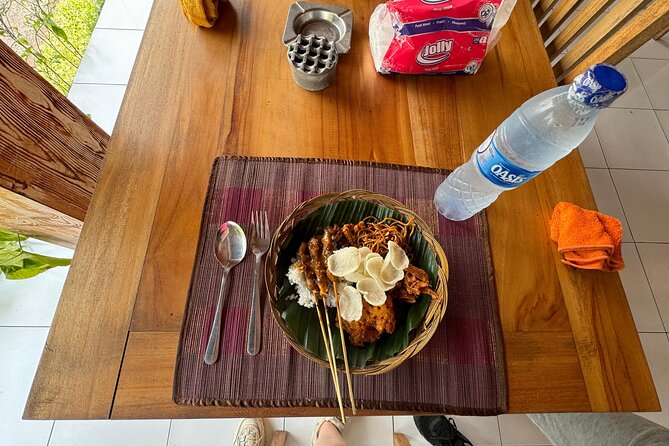
After the cycling and village visits, you return toward Ubud for lunch. The meal is usually a Balinese or Indonesian buffet, and vegetarian food has been available. The food is described as plentiful and flavorful, making it more than a token sandwich after a morning outdoors.
Lunch is included in the $36 price, along with bottled water. Some groups have also been welcomed with cold water and chilled face towels after the ride, a thoughtful touch in Bali’s heat. Alcohol is not included, and personal purchases are your responsibility.
The lunch stop lasts about an hour. It gives you time to cool down, eat properly, and compare the morning’s sights without being rushed. If you have dietary restrictions beyond vegetarian choices, ask before booking, since the provided information does not list every available option.
The return drive ends in Ubud. Exact timing depends on pickup, traffic, stops, and weather, but the full experience is planned for about six hours. It works well as a morning activity that leaves you with part of the day still available.
Why the small group is worth paying for
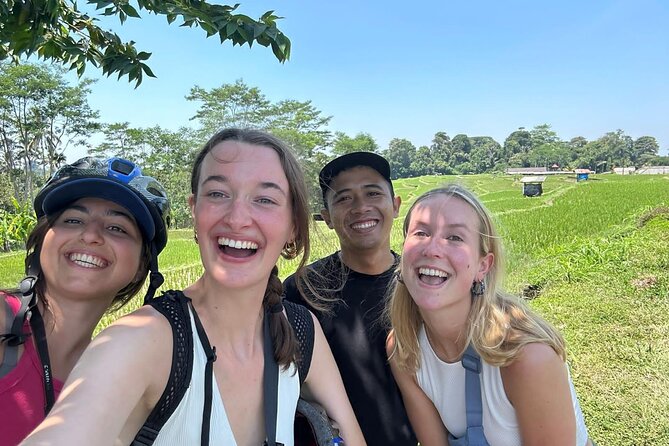
A maximum of four participants changes the feel of the tour. A guide can stop when you need a photograph, adjust the pace for a nervous rider, or spend more time answering a question about Balinese culture.
Solo visitors may even receive a private outing if the other spaces do not fill. One solo participant had the route adjusted for photo stops, rest breaks, speed, and extra time. That level of flexibility is not guaranteed, but the small format makes it possible.
Families benefit too. Guides have helped inexperienced riders and kept a close eye on children. One family appreciated the first-aid kit after a child fell because of a riding mistake. The tour is not designed for wheelchair users or pregnant women, and personal insurance covers participants aged 5 to 65 up to IDR 2,500,000.
The English-speaking guides are a major part of the value. Names that appear among the guide team include Dewa, Pong, Eddy, Dika, Kong, Dode, and Handsome. The important point is not which name you receive, but that the guide’s ability to explain local life can make the difference between a pleasant bike ride and a meaningful cultural outing.
What the $36 price really includes
At $36 per person, this is strong value if you want several services bundled into one morning. You receive:
- Pickup and return transport within the Ubud area
- An air-conditioned vehicle
- A mountain bike, helmet, and cycling equipment
- An English-speaking guide
- Bottled water
- Lunch
- Personal insurance for ages 5 to 65, with coverage up to IDR 2,500,000
You are paying not only for the ride, but also for transport to the higher starting point and a guide who can interpret the villages and customs. Arranging those pieces separately would take more time and would not necessarily give you the same local access.
The value is less convincing if you want a serious mountain-bike challenge. This is mainly a gentle downhill ride, not a technical cycling adventure. Strong cyclists may find the pedaling too easy, though the scenery and cultural stops still give the day purpose.
The package does not include sunscreen, alcohol, souvenirs, or expenses outside the listed services. Bring your own sun protection and some cash.
Who should book this Ubud cycling tour?
I would choose this for families, couples, solo visitors, and casual cyclists who want to see beyond central Ubud. It is also a smart option for anyone who wants countryside scenery without committing to a hard physical activity.
It suits you especially well if you like asking questions, stopping for photographs, and seeing ordinary places with a local guide. The village home, school, temple, farm, and rice-field stops give the day more substance than a simple scenic ride.
You should think twice if you dislike uneven roads, short climbs, rain, or planned cultural visits. This also is not suitable for pregnant women or wheelchair users. If you are staying in Sanur, Kuta, Nusa Dua, or another area outside Ubud, remember that pickup is not included from those places. You need to arrange transport to Ubud.
Book with flexible clothing and a flexible attitude. The route is mostly downhill, but Bali’s roads are not always smooth, and the most interesting moments may come from an unscheduled ceremony, a farm stop, or a question that keeps the guide talking.
Should you book it?
Yes, if you want an easy ride with real cultural context and you are based in Ubud. The strongest reasons are the small group size, capable local guides, well-kept bikes, volcano views, and generous lunch. The price is especially good for families and solo visitors who might otherwise pay more for a private outing.
Skip it if you want demanding cycling, a fixed race-like route, or a tour based only around famous viewpoints. For most visitors looking for a relaxed way to see rice fields, village life, and Bali’s countryside, this is six well-used hours.
FAQ
How long does the Ubud cycling tour last?
The activity lasts about six hours, including transport, sightseeing stops, cycling, and lunch.
Is the cycling route difficult?
The route is mostly downhill and requires little pedaling for much of the ride. There can be a few short uphill sections, uneven roads, potholes, and one potentially steep section.
Where does pickup take place?
Pickup is included only within the Ubud area. If you stay in Sanur, Kuta, Nusa Dua, or another area, you need to arrange transport to the designated meeting point in Ubud.
What is included in the price?
The $36 price includes an air-conditioned vehicle, English-speaking guide, cycling equipment, bottled water, lunch, and personal insurance for participants aged 5 to 65, with coverage up to IDR 2,500,000.
Can children join the tour?
The provided insurance applies to ages 5 to 65, and children aged 10 and 12 have taken part. The activity is not suitable for pregnant women or wheelchair users.
What should I bring?
Bring comfortable shoes, sunglasses, a sun hat, sunscreen, and cash. Sunscreen, alcoholic drinks, souvenirs, and personal expenses are not included.
Just added around Ubud
- Mount batur jeep sunrise / sunset and hot spring★ 5.0 · 5 reviews
- Mount Batur Jeep Sunrise & black lava with breakfast★ 5.0 · 4 reviews
- Bali: Mount Batur Sunrise Jeep and Black Lava With Breakfast★ 5.0 · 6 reviews
- Bali: Hidden Waterfall & Mt. Batur Sunset Jeep Private Tour★ 4.8 · 6 reviews
- Mount Batur Jeep Sunrise and Black Lava Tour★ 5.0 · 26 reviews
- Mount Batur Jeep Sunrise with Black Lava★ 5.0 · 33 reviews
- Mount Batur Sunrise Jeep With Black Lava★ 5.0 · 234 reviews
- Private Mt. Batur Sunrise Jeep & Black Lava Adventure & Breakfast★ 5.0 · 62 reviews
Ubud Volcano Tours, compared.
Mount Batur Sunrise Hike and Natural Hot Spring Option
Read our review →

Mount Batur Sunrise Jeep Tour with Optional Activities
Read our review →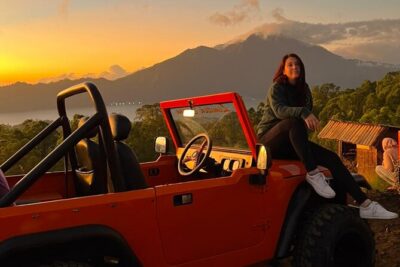
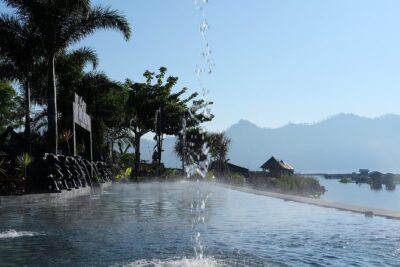
Mount Batur Sunrise Trekking Private All Inclusive
Read our review →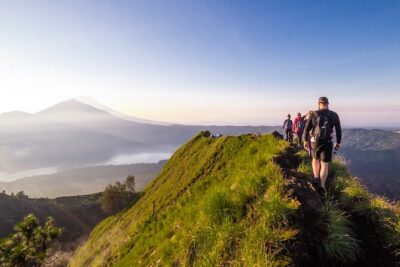
Browse the lists this tour appears in