
REVIEW · TOKYO
Tokyo Mt. Fuji 5th Station Tour | 9-Guest Small Group
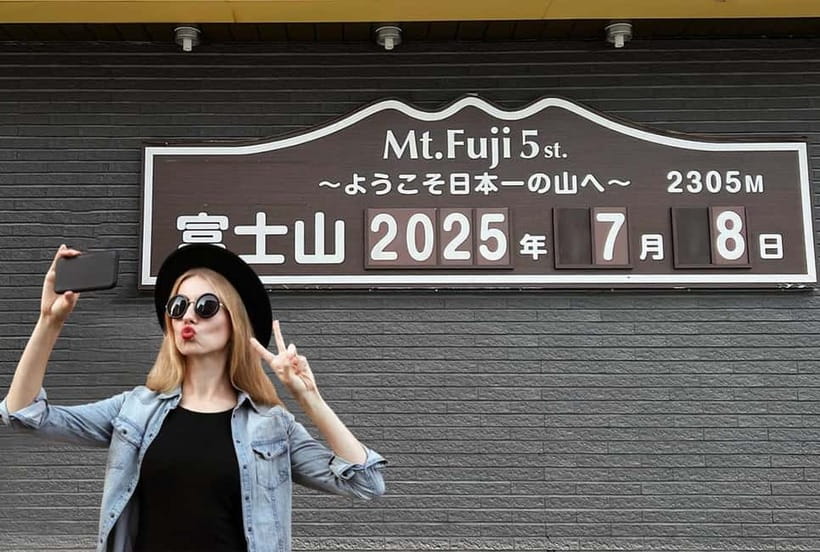
Mt. Fuji is the star, but this tour gives you more than one mountain viewpoint. You rise to the 5th Station at 2,300 meters, then work your way through spring-fed pools, flower gardens, a famous convenience-store photo stop, and a traditional street view. It is a full day, but the stops are varied enough to keep it from feeling like one long Fuji photo hunt.
I like the maximum nine-person group, which makes a cramped day trip more manageable, and I like the simple $56 price with transport, fuel, and tolls included. The main catch is the strict departure time: arrive 10 minutes early, because latecomers are not collected, and the return to Tokyo can take about two hours.
Key points
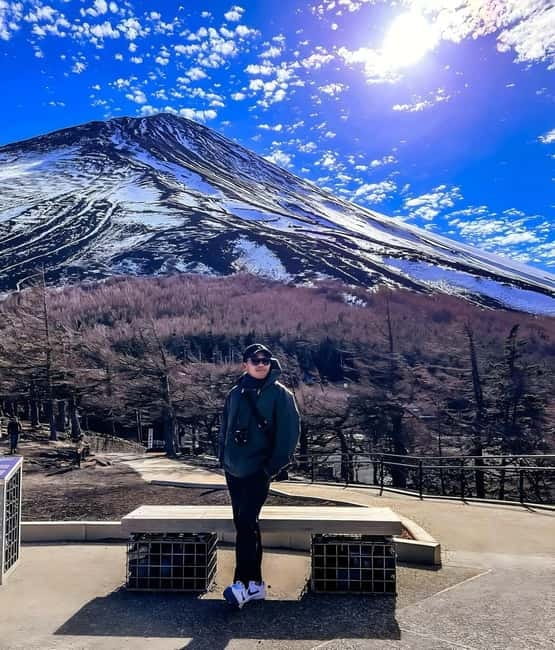
- 5th Station at 2,300 meters: Enjoy volcanic views, Komitake Shrine, and possible views over the Fuji Five Lakes.
- Five very different stops: The day mixes mountain scenery, sacred sites, springs, flowers, and highly photographed streets.
- Small group of nine: Easier than a large coach for loading, unloading, and keeping the day on schedule.
- Tokyo pickup choices: Meet at JR Tokyo Station or request hotel pickup within 3 kilometers of the station.
- Weather-sensitive planning: If the road to 5th Station closes, the schedule can shift and Lake Yamanaka may replace it.
- Self-paid meals: Oshino Hakkai provides the main lunch break, but food and drinks are not included.
A mountain day built around five photo stops
This is a sightseeing circuit rather than a hiking tour. You will not climb Mt. Fuji from the 5th Station, and you should not expect a long guided walk at each stop. Instead, the driver-guide takes you between carefully chosen viewpoints and gives you free time to look around, take pictures, shop, or eat.
That format suits you if your main goal is to see several sides of the Fuji area in one day. The stops have a pleasant rhythm: mountain air first, local food and water features next, then flowers and familiar Japanese street scenes. It also gives families and mixed-age groups room to set their own pace.
The small vehicle matters. With no more than nine participants, you should spend less time waiting for a large group to regroup. Past guides named in the tour feedback include Monir, Ken, and Ali, and the strongest praise centers on punctual departures, clear English instructions, good driving, and a friendly atmosphere in the vehicle.
Still, this is a shared tour, not a private one. The stop order may change because of traffic, weather, or operating conditions. You also need to follow the timetable closely, since the vehicle will not wait for late arrivals.
More Mount Fuji Tours in Tokyo:
- Mt Fuji and Hakone 1-Day Bus Tour Return by Bullet Train
★ 5.0 · 26,383 reviews - Mt Fuji & Hakone Cruise, Drum Show Bullet Train 1 Day from Tokyo
★ 4.0 · 7,413 reviews - Tokyo Mt Fuji 5th St & Hakone Cruise Bus Tour w/Bullet Train
★ 4.4 · 5,024 reviews
8:00 departure from central Tokyo
You have two meeting choices. The standard option is JR Tokyo Station’s Marunouchi North Exit, at 1-chōme-9 Marunouchi. The vehicle returns to the same general location unless your booking uses one of the listed drop-off points.
A hotel pickup option is available within 3 kilometers of JR Tokyo Station. That area rule is important. You must provide your exact hotel address and WhatsApp number during booking, and the operator confirms whether the address qualifies. Pickup is not a blanket service across all of Tokyo.
The tour lists 13 possible drop-off areas, including Akasaka, Shinjuku City, Shiodome, Tamachi, Taito City, Tokyo Station, Roppongi, Chiyoda City, Chuo City, and Hamamatsucho. Your exact return point depends on the selected arrangement and the day’s operating plan.
Plan to arrive at least 10 minutes early. The departure policy is firm, and missing the vehicle means losing the booking without a refund. Since the operator sends a GPS-pinned map, vehicle plate number, and meeting reminder through WhatsApp by 8 PM the night before, keep your phone active and check your messages.
The drive toward Mt. Fuji takes about two hours. Bring water, wear comfortable shoes, and carry warm clothing even if Tokyo feels mild. Temperatures at 2,300 meters can feel quite different from the city.
10:30 at Mt. Fuji 5th Station
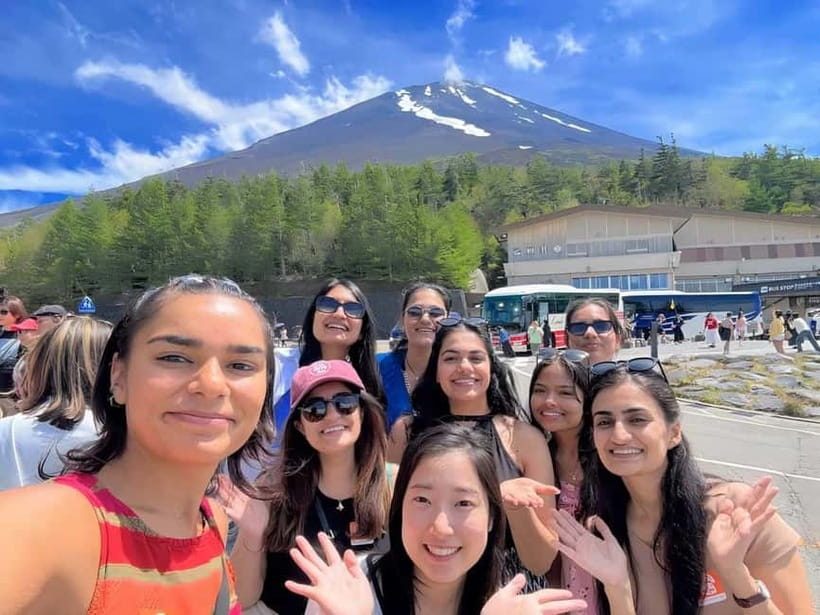
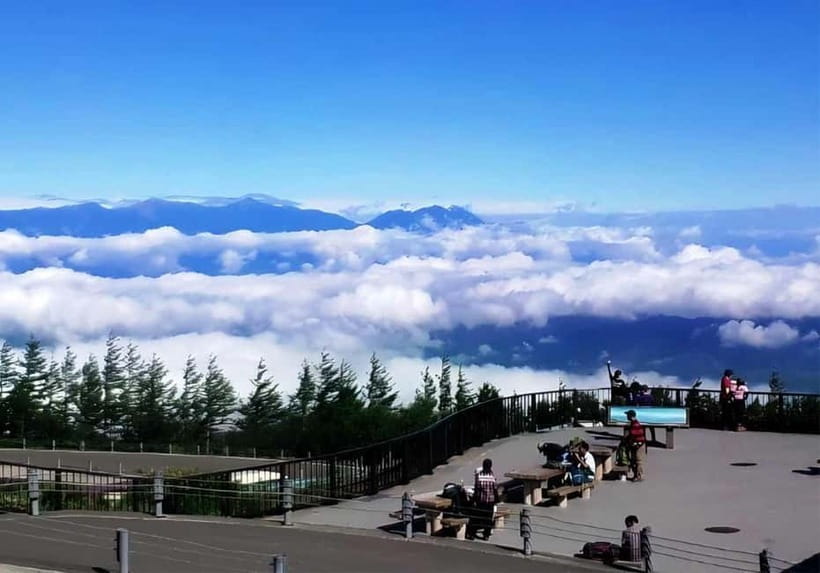
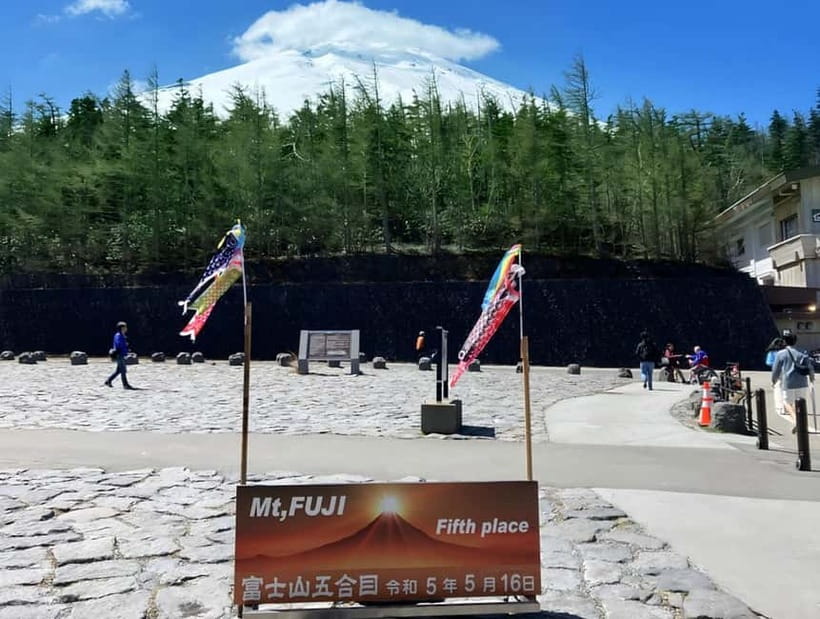
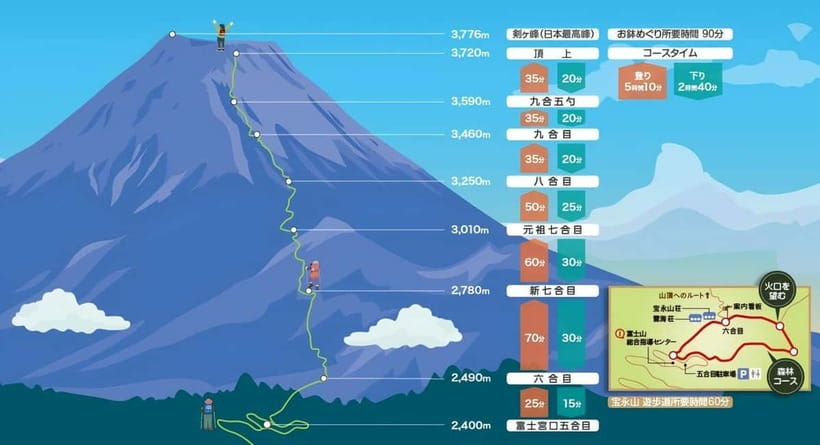
The 5th Station is the day’s headline stop. At about 2,300 meters, it gives you a much higher viewpoint than the lakeside locations later in the afternoon. You can look across the volcanic slopes, visit Komitake Shrine, shop for souvenirs, and take in views toward the Fuji Five Lakes when conditions allow.
You get about 50 minutes here. That is enough for the main viewpoint, shrine, and a few photographs, but it is not enough for a long walk or a relaxed meal. Listen carefully to the return instructions, especially if you want time to browse.
The tour is designed to include the 5th Station, but road access depends on weather and operating conditions. If the road closes, the schedule shifts to Lake Yamanaka or another weather-adjusted plan. This is the most important limitation for anyone booking specifically to stand at the 5th Station. The tour offers a strong chance and a stated plan for the stop, but mountain access can never be entirely controlled.
The reviews of this portion repeatedly highlight the useful balance between a short briefing and free time. Drivers such as Ken and Ali reportedly explained where to go and when to return, then let people explore without following them at every step. That approach works well if you want independence rather than a constant guided walk.
12:00 at Oshino Hakkai
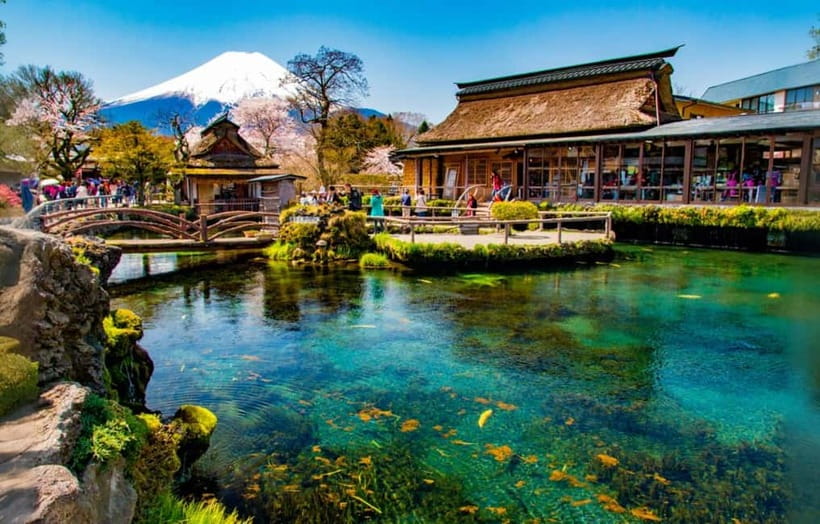
Oshino Hakkai is the most atmospheric stop on the route. Mt. Fuji’s snowmelt filters through underground layers of volcanic rock before emerging as clear spring water. The result is a group of pools with remarkably clean, reflective surfaces.
You have 70 minutes here, the longest stop of the day. Use it for a slow walk, photographs, local snacks, lunch, and shopping. The water features are the main attraction, but the food stalls and small market area make this a practical place to eat.
Lunch is not included, so budget separately. You can choose what appeals to you rather than being tied to a fixed restaurant, though the 70-minute window means you should not linger too long over a meal. If you want to see the pools and buy food, start walking soon after arrival.
This stop also gives the day a useful change of pace. The 5th Station is open, high, and exposed. Oshino Hakkai is lower and more intimate, with water, buildings, market stalls, and local food. You are not just stopping for another distant Fuji view.
Same volcano country, a different day out:
- From Tokyo: Mount Fuji Full-Day Sightseeing Trip
★ 4.5 · 4,970 reviews - Tokyo: Mt. Fuji Tour, Hakone Ropeway, Owakudani, Lake Ashi
★ 4.7 · 4,002 reviews - Tokyo:Mt.Fuji,Kawaguchiko Oishi Park,Arakurayama Sengen Park
★ 4.4 · 2,682 reviews - Mt Fuji Top 5 Spots Day Tour: Arakurayama Park,Oshino Hakkai
★ 4.7 · 2,066 reviews
13:30 at Fuji-Lawson
The Fuji-Lawson stop lasts 20 minutes and is exactly what it sounds like: a chance to photograph Mt. Fuji behind the familiar Lawson convenience store near Kawaguchiko Station.
It is an amusing example of modern Japanese travel culture. A simple convenience store became a popular Fuji image because of the neat alignment between the storefront, street, and mountain. You can take your picture, look around the station area, and move on without spending a large portion of the day.
Do not expect a major cultural visit here. This is a short, highly specific photo stop. For some people, it will be a fun visual souvenir. For others, it may feel less meaningful than the shrine or springs. The tour works best when you see this as a quick change of tone, not as one of the day’s deepest experiences.
14:10 at Oishi Park
Oishi Park gives you 50 minutes beside Lake Kawaguchiko. Its appeal changes with the season. Cherry blossoms frame Fuji in spring, lavender adds color in summer, and cosmos appear in autumn.
This is one of the more relaxed stops. You can walk along the shore, take wide photographs, and enjoy a view that combines water, flowers, and the mountain. The timing is also useful because the open setting gives you a chance to slow down after several shorter visits.
Your experience depends heavily on the weather and the calendar. Flowers do not peak on the same date every year, and clouds can hide Fuji even when the park itself is attractive. The tour description is careful to identify seasonal possibilities rather than promise a single flower display.
If you want the best photographs, keep your camera ready but do not spend the whole stop looking at the screen. Oishi Park is a place to take in the view with your own eyes. The 50-minute window gives you enough time for both.
15:10 at Hikawa Clock Shop
The final sightseeing stop is a 20-minute walk near Hikawa Clock Shop. Traditional rooflines and eaves create a striking view toward Mt. Fuji, producing one of the route’s most recognizable street photographs.
This is another short stop, so it is more about composition than exploration. You will have time to walk, frame the mountain between the buildings, and enjoy the contrast between a quiet traditional-looking street and the enormous volcanic peak behind it.
Take care around the road and follow the driver’s instructions. The tour is moving through a lived-in area, not a purpose-built viewing platform. That is part of the appeal, but it also means you should stay aware of traffic and local activity.
The $56 price and what it really covers
At $56 per person, this is a strong value if you want round-trip transport from Tokyo and several Fuji-area locations without arranging trains, buses, and local connections yourself. Fuel and toll fees are included, as is the driver-guide service.
The price is especially attractive for a 10-hour day with five sightseeing stops. You are paying for transport and access to a ready-made route, not for meals or entry tickets. There are no included attraction admissions listed, but the main stops are sightseeing areas rather than expensive ticketed attractions.
You should budget extra for lunch, drinks, snacks, and souvenirs at Oshino Hakkai or elsewhere. The vehicle also has limited luggage space, so pack light. Every passenger needs a dedicated seat, apart from children under three, who may sit on a guardian’s lap and travel free.
The value drops if you want a private guide, a long hike, or a flexible schedule. The value improves if you are staying in central Tokyo, want to avoid driving, and prefer a small group over a large coach.
Guide style, language, and group size
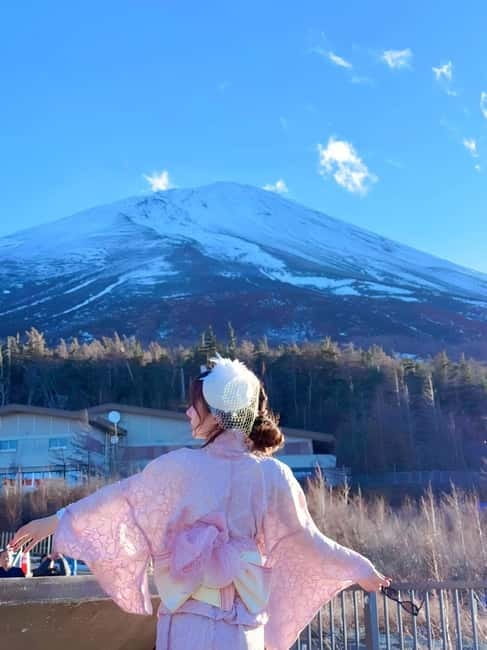
The experience is led by a driver-guide, with support listed in English, Chinese, Japanese, and Traditional Chinese. The driver may give short explanations while you are traveling, then leave you free at the stops.
That arrangement suits you if you want practical help without a full lecture at every site. The strongest guide feedback centers on clear directions, safe driving, punctuality, and making the meeting point easy to find. One driver was noted for guiding people to the meeting location in English, which is useful at a busy Tokyo station.
Do not assume every stop comes with a long walking tour. You are mainly getting transportation, orientation, and a well-planned schedule. If you need detailed cultural interpretation at Komitake Shrine or Oshino Hakkai, confirm the language and guide style before booking.
A nine-person maximum is a real advantage. It should make boarding and regrouping faster than on a large bus, though traffic can still affect the day. The atmosphere also depends on the people in your group, and the fixed timetable means everyone needs to cooperate.
What to bring and who should skip it
Wear comfortable shoes. You will walk at several stops, and the day includes outdoor viewing areas, streets, and park paths. Bring warm clothing for the 5th Station, water, and a camera.
Food and drinks are not allowed in the vehicle, and smoking, alcohol, and smoking in the vehicle are prohibited. Keep luggage to a minimum because storage space is limited.
This tour suits couples, families with older children, solo visitors who want company, and anyone with one open day in Tokyo. It is also useful for first-time Japan visitors who want to see Mt. Fuji without managing several regional transport connections.
It is not suitable for wheelchair users, pregnant women, or people with back problems. The day involves vehicle travel and walking, with no accessibility arrangement described.
Should you book this Mt. Fuji day trip?
Book it if you want a broad Fuji-area sampler at a modest price, with a small group and a driver who handles the roads. The route gives you the mountain at high elevation, clear springs, flowers, a shrine, local food options, and several popular photo views.
Think twice if your only goal is a guaranteed clear view of Mt. Fuji from the 5th Station. Weather can close the road, and even an open road cannot control clouds. Also skip it if you dislike early starts, strict departure times, or a day built around short visits.
For most people who have one free day from Tokyo, the balance is good. Arrive early, pack light, keep WhatsApp active, bring warm layers, and treat the itinerary as a flexible mountain day rather than a promise of perfect skies.
FAQ
How long does the tour last?
The scheduled duration is 10 hours. Departure is at about 8:00 AM, with an expected return to Tokyo around 6:00 PM.
Where does the tour meet?
The main meeting point is JR Tokyo Station at the Marunouchi North Exit, located at 1-chōme-9 Marunouchi, Chiyoda City, Tokyo 100-0005.
Is hotel pickup available?
Yes. Hotel pickup may be available within 3 kilometers of JR Tokyo Station. You must provide your exact hotel address and WhatsApp number so the operator can confirm eligibility.
How many people are in the group?
The group is limited to nine participants.
Is Mt. Fuji 5th Station guaranteed?
The tour is planned to visit the 5th Station at 2,300 meters, but access depends on weather and road conditions. If the road closes, Lake Yamanaka may be used instead.
Is lunch included?
No. Lunch is self-paid, with time provided at Oshino Hakkai. Food and drinks are not included in the tour price.
Which languages are available?
The activity lists English, Chinese, Japanese, and Traditional Chinese support. Driver-guide language availability may vary by departure.
What should I bring?
Bring comfortable shoes, warm clothing, water, and a camera. Pack light because luggage space in the vehicle is limited.
Can children join the tour?
Children under three travel free but must sit on a guardian’s lap. Every other passenger requires a dedicated seat.
Can I cancel the booking?
You can cancel up to 24 hours in advance for a full refund. The tour also offers a reserve-now, pay-later option.
Just added around Tokyo
- Tokyo/Yokohama: Mt. Fuji and Hakone Private Day Tour★ 5.0 · 64 reviews
- Tokyo:Mt Fuji & Hakone Day Tour with English Speaking Driver★ 5.0 · 26 reviews
- Tokyo:Customizable Private Day Trip to Mt.Fuji & Safari Park★ 4.8 · 6 reviews
- Tokyo:Fuji-Kawagu Cable Car (Ticket Inc.) Shinkurayama&Panos★ 3.9 · 7 reviews
- Tokyo: Private Day Trip to Mount Fuji and Hakone★ 4.9 · 8 reviews
- Tokyo to Mount Fuji and Hakone: Private Full-Day Tour★ 3.7 · 5 reviews
- Tokyo Summer: Mt Fuji 5th Station& Kawaguchiko Lavender Trip★ 3.5 · 4 reviews
- Tokyo: Private Mount Fuji Tour with Pickup and Drop-Off★ 4.7 · 69 reviews
Tokyo Volcano Tours, compared.
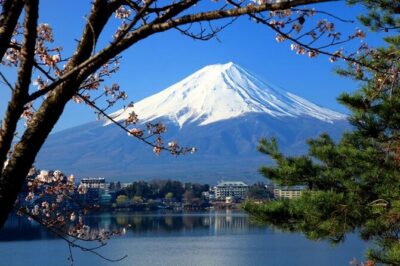
Mt Fuji and Hakone 1-Day Bus Tour Return by Bullet Train
Read our review →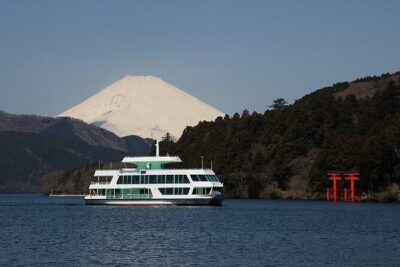
Mt Fuji & Hakone Cruise, Drum Show Bullet Train 1 Day from Tokyo
Read our review →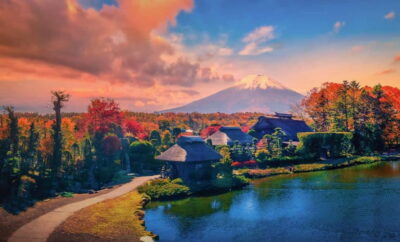
From Tokyo: Mount Fuji Full-Day Sightseeing Trip
Read our review →
Tokyo: Mt. Fuji Tour, Hakone Ropeway, Owakudani, Lake Ashi
Read our review →
Tokyo:Mt.Fuji,Kawaguchiko Oishi Park,Arakurayama Sengen Park
Read our review →
Private Tour to Mt. Fuji and Hakone (Fully Licenced Operator)
Read our review →
Mount Fuji Full-Day Private Tour from Tokyo (Customizable)
Read our review →
Mt Fuji & Hakone Cruise, Drum Show Bus 1 Day from Tokyo
Read our review →Browse the lists this tour appears in