
REVIEW · TENERIFE
Tenerife: Stargazing at Mt. Teide
The best part of this Mount Teide experience comes when a bright planet appears through the telescope. Saturn can show its famous rings, the Moon can look startlingly crisp, and Jupiter may suddenly seem much closer than expected. You’ll stargaze near the cable-car base station, high in Teide National Park, with guides explaining what you’re seeing.
I like the professional telescopes and the fact that the guides use monitors as well as the eyepieces. I also like the choice of English, Spanish, or French, with guides such as Maxime and Natasha praised for making the science easy to follow. The main catch is the short one-hour format: a long talk, a cloudy night, or a bright Moon can leave you with less telescope time than you hoped for.
Key points to know before booking
- Saturn, Jupiter, the Moon, and distant galaxies may be visible: What you see changes with the night sky and current conditions.
- The session takes place near the cable-car base station: You need to arrange your own transport, and the exact meeting point can vary by booking option.
- Professional equipment is included: Telescopes and on-site monitors help you see and understand celestial objects.
- The mountain gets cold after dark: Warm clothes and sturdy footwear are essential, even if the coast feels mild.
- It is a one-hour activity: This suits a focused introduction to astronomy, but it may feel brief if you want long telescope sessions.
- Children must be at least eight: Anyone under 8, and people with mobility impairments, are not suited to this activity.
Why Mount Teide makes a good night-sky setting
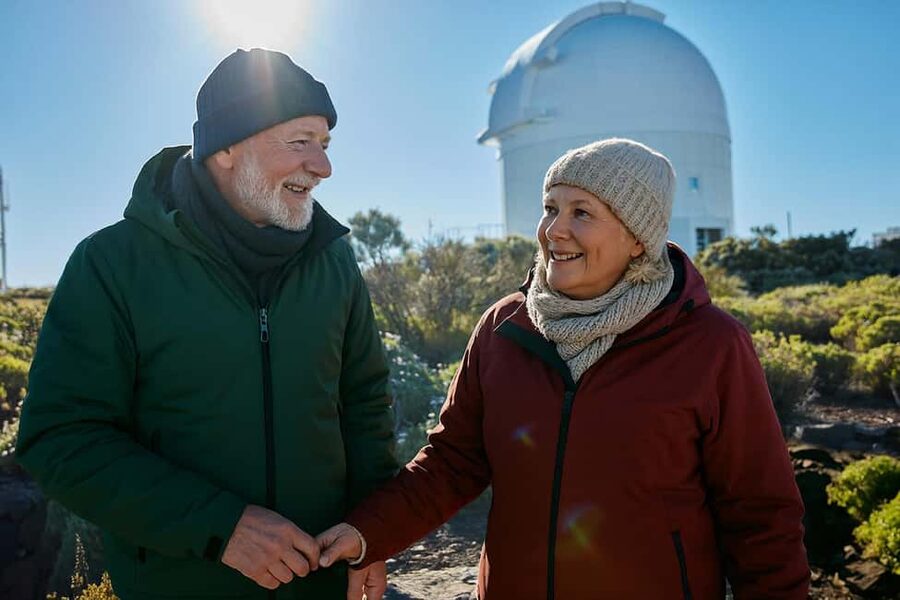
Teide National Park offers a very different evening from the beaches and resort streets below. You are surrounded by volcanic terrain, at the foot of Spain’s highest mountain, with a sky that can feel far removed from ordinary town or city viewing.
That setting is part of the appeal. You are not simply looking through a telescope in an indoor science center. You are outside in the mountain air, looking toward the same constellations that have guided people for centuries. The guides connect what you see to the old stories and patterns of the sky, though the amount of constellation teaching can vary.
The activity is held near the cable-car base station rather than at the summit. That makes the meeting area more practical, but it also means you should pay close attention to the instructions for your selected option. The meeting point may change, and arriving at the wrong part of the mountain would be an annoying way to start a short tour.
You will need your own transport because food and transportation are not included. That matters more here than it would for a city tour. Teide is far from Tenerife’s main resort areas, and the mountain road takes planning. If you are already visiting the national park by car, the activity fits more naturally into your day. If you are relying on organized transport, check that your plans get you to the stated meeting place on time.
More Mount Teide Tours in Tenerife:
- Tenerife: Mount Teide Tour with Cable Car Ticket & Transfer
★ 4.3 · 5,094 reviews - Tenerife: Teide National Park Sunset & Stargazing Tour
★ 4.2 · 3,812 reviews - Tenerife: Sunset and Stargazing at Teide National Park
★ 4.7 · 2,826 reviews
What happens during the one-hour session
The experience begins with confirmation of your booking near the cable-car base station. One past evening described a slightly confusing arrival because the area appeared closed at first, followed by a 10 p.m. meeting and ticket check. That is useful advice: do not assume a quiet or closed-looking area means you are in the wrong place. Follow the meeting instructions and allow time to find the spot.
Once the guides gather the group, they introduce the night sky and explain the equipment. The talk is supported by on-site monitors, which is helpful when several people cannot see the telescope at the same time. You can learn what an object is before, or while, you take a turn at the eyepiece.
The exact order depends on the conditions. The Moon may become the star of the evening when it is bright, with craters and surface details showing clearly through the telescope. On other nights, the guide may point toward Saturn or Jupiter. Saturn’s rings can be the moment that makes the whole activity worthwhile, while Jupiter may appear smaller and less sharp than you expect from photographs.
That last point is worth keeping in mind. A telescope does not turn a planet into a giant cinema image. Jupiter and Saturn can look small, and image quality depends on the equipment, the air, and the object’s position. You may still get a memorable sight, but do not expect the large, colorful views used in astronomy books.
The guides also identify other celestial objects, including stars, galaxies, and constellations. The monitors help put these sights into context. You are not left to stare at a random patch of darkness and guess what you are seeing.
The session is only an hour, so time management matters. One guide may spend a good part of the hour explaining astronomy before the group moves through the telescopes. That can be useful if you want the science, but frustrating if your main goal is hands-on viewing. If you are choosing this activity mainly for telescope time, remember that the lecture and the viewing share the same short schedule.
The telescopes are the real reason to go
I would book this for the equipment before I booked it for the lecture. Looking at the Moon or a planet through a properly set-up telescope gives you a direct connection to the sky that a phone app cannot provide.
The professional telescopes are also useful for people who do not know much about astronomy. You do not need to arrive knowing star names or the difference between a galaxy and a planet. The guide directs your attention, adjusts the equipment, and explains the object in front of you.
The monitors add another layer. While one person uses the eyepiece, others can follow the explanation and see information about the object. That reduces the usual problem of a group standing in the dark while one participant gets all the viewing time.
Still, manage your expectations. The telescope does not guarantee a sharp or dramatic view of every planet. One session produced small, blurry views of Jupiter and Saturn, while another had an especially clear look at the Moon. Astronomy is affected by the night, not just by the quality of the equipment.
The Moon can also change the experience. A bright Moon may wash out fainter stars, so you might not see the enormous field of stars you imagined. At the same time, that same Moon can look spectacular through the telescope. If your priority is planets and lunar detail, moonlight is not necessarily bad news. If your priority is faint stars and galaxies, a brighter night sky may disappoint.
Guides and languages make a difference
The activity is offered in English, Spanish, and French. That is a real advantage for a technical subject, because astronomy terms can become hard to follow when the explanation is rushed or translated awkwardly.
A French-speaking guide named Maxime was singled out for explaining a great deal during one session. Another evening featured Natasha and an assistant, with the astronomy knowledge presented in an engaging way. Guide assignments can change, so I would not book on the assumption that a particular person will lead your date, but these examples show the value of a strong presenter.
You should expect a mixture of practical instruction and general astronomy. The guides explain what appears through the telescopes and use screens to add information. The level of detail may not satisfy someone who already knows the constellations well.
If you want to learn star patterns, ask questions early. Some sessions have offered only a few constellation explanations, including where they sit in the sky. With only an hour available, guides may focus on the telescope targets rather than giving a full tour of the heavens.
Same volcano country, a different day out:
- Teide National Park Sunset & Stargazing with Dinner (Star Safari)
★ 5.0 · 2,601 reviews - Teide National Park: Sunset & Stargazing Safari with Dinner
★ 4.6 · 2,115 reviews - Tenerife: Mount Teide, Masca, Icod and Garachico Day Trip
★ 4.5 · 2,065 reviews - Tenerife: Teide National Park Full-Day Tour with Pickup
★ 4.5 · 1,613 reviews
Cold weather is part of the experience
Do not dress for Tenerife’s coast. At night on Mount Teide, warm clothing is a basic requirement, not a nice extra. Bring layers, a warm outer jacket, and sturdy footwear.
Comfortable clothes matter because you will spend the session outside and may need to move between viewing points. The ground around the cable-car base station is volcanic and uneven enough that firm shoes make more sense than sandals or thin city footwear.
There is no food included, so eat before you arrive if you need a proper meal. The activity lasts one hour, which is short enough that you probably do not need snacks during the session, but the timing may place you far from restaurants. Plan the evening as a mountain outing rather than a quick add-on from the coast.
Pets are not allowed. Children need to bring a passport or identity card to confirm their age, and the minimum age is eight. The activity is not suitable for people with mobility impairments, so consider the outdoor setting and access before booking.
Is $47 good value?
At $47 per person, this is not the cheapest way to spend an hour in Tenerife. You are also paying for the effort of reaching Mount Teide, since transportation is not included. If you must arrange a long drive solely for this session, the total cost can feel high.
The price makes more sense if you are already planning time in Teide National Park. In that case, the stargazing adds a specialist activity to a mountain visit, and the telescope access is more useful than simply pulling over to look at the stars on your own.
The value also depends on what you want. For a first look at astronomy, professional equipment, a guide, and three language choices make the fee reasonable. For an experienced amateur astronomer who owns good equipment or expects a long session, one hour may feel too limited.
I would also treat the weather and Moon as part of the value calculation. A clear, darker night can produce a powerful experience. A bright Moon may reduce the number of visible stars, but it can give you a superb lunar view. Clouds or poor conditions can change the result, and no telescope can fix a sky that refuses to cooperate.
Free cancellation up to 24 hours before the start gives you some protection when your plans change. You can also reserve and pay later, which helps if you are still arranging your Tenerife schedule.
Who will enjoy it most
I think this works best for couples, families with older children, and curious first-time stargazers who want a guided introduction rather than a full astronomy course. The activity gives you a clear starting point and removes the guesswork from finding planets and other objects.
It also suits anyone already interested in Mount Teide and volcanic scenery. The night setting changes the mood completely, and looking upward from the national park gives the experience a sense of place that a hotel observatory would not have.
You may want something longer if you are serious about constellations. The one-hour schedule can feel rushed, especially when the guide spends time on a presentation. It is also not the best choice if your main interest is a huge number of faint stars, since moonlight can reduce visibility.
Families should check the age rule carefully. Children under eight cannot join, and every child must confirm age with a passport or identity card. People with mobility impairments should choose another activity.
Practical tips for a better night
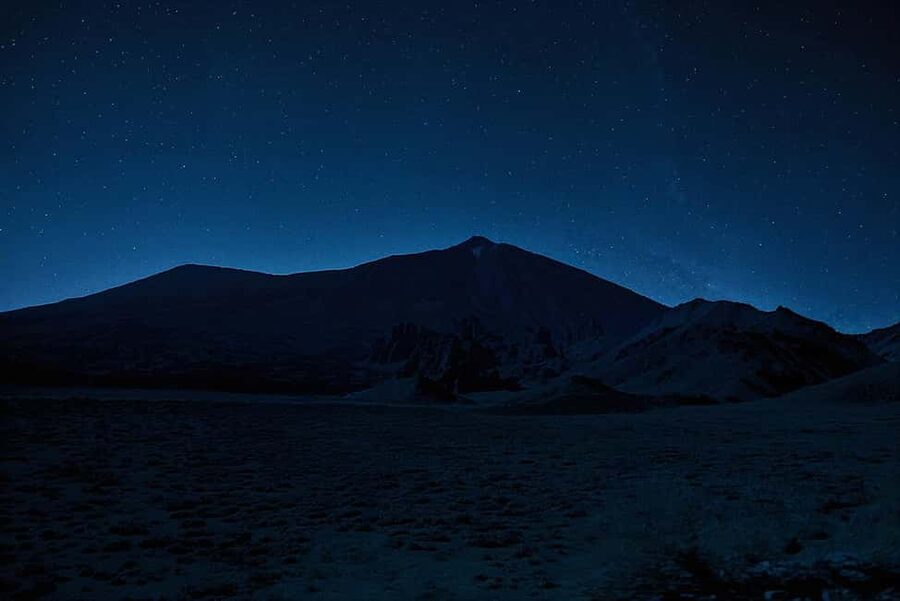
Arrive with the meeting instructions saved on your phone, but do not rely only on a quick glance at the cable-car area. The meeting point can vary by option, and the site may look quiet before the group gathers.
Wear more than you think you need. Warm clothing and sturdy shoes are specifically required, and the mountain temperature after dark can be very different from the resort weather you left behind.
If you want a particular type of sight, ask the guide what is visible that evening. The Moon, Saturn, Jupiter, galaxies, and constellations do not all offer the same experience. A quick question can help you understand whether the night favors planetary viewing or a wider look at the sky.
Finally, allow the guide to explain the science, but keep track of your own priorities. If you care most about the telescope, listen for the transition from the presentation to the viewing portion. The short format means every few minutes count.
Should you book the Mount Teide stargazing experience?
Book it if you want a guided first encounter with astronomy in a striking mountain setting, and if you are comfortable arranging your own transport. The telescopes, the chance to see the Moon or a planet, and the choice of English, Spanish, or French make it more than a simple star walk.
Skip it if you expect a long observing session, guaranteed views of a huge number of stars, or easy access from your resort. The $47 fee is easier to justify when paired with a Teide visit, and the result depends on the Moon, weather, and how the one-hour schedule is divided.
For most curious visitors, I would call it a worthwhile evening add-on, with warm clothes, realistic expectations, and a willingness to appreciate one clear planet rather than demand a perfect view of the entire universe.
FAQ
Where does the stargazing activity take place?
It takes place near the cable-car base station on Mount Teide in Teide National Park. The exact meeting point may vary depending on the option booked.
How long does the experience last?
The stargazing session lasts one hour. Starting times vary, so check availability for the date you want.
Which languages are available?
Live guides are available in English, Spanish, and French.
What equipment is included?
Professional stargazing equipment is included. The session also uses on-site monitors to provide information about the objects you view through the telescopes.
Can I see planets during the session?
Planets may be visible through the telescopes. Previous sessions included views of Saturn and Jupiter, while the Moon was especially clear during another session. What you see depends on the night sky and viewing conditions.
What should I wear?
Wear warm clothing, comfortable clothes, and sturdy footwear. The mountain can be cold after dark.
Can children join the activity?
Children must be at least eight years old. Children must confirm their age with a passport or identity card.
Is transportation included?
No. Transportation and food are not included, so you need to arrange your own way to the meeting point.
Can I cancel or pay later?
You can cancel up to 24 hours in advance for a full refund. A reserve-now, pay-later option is also available.
Just added around Tenerife
- Tenerife: Water Jet-Ski / Teide Volcano Quad Safari Combo★ 4.5 · 6 reviews
- Tenerife: Tenerife Highlights beyond the Teide★ 4.8 · 160 reviews
- Puerto de la Cruz: Quad to Mount Teide Day or Sunset★ 4.7 · 25 reviews
- Tenerife: Teide Stargazing with an Astrophysicist★ 4.9 · 74 reviews
- Teide: Small Group Sunset Adventure with Picnic & Stargazing★ 4.6 · 231 reviews
- Tenerife: Teide National Park and Volcano Buggy Tour★ 4.0 · 39 reviews
- Tenerife: Teide National Park & Teno Rural Park Private Tour★ 5.0 · 35 reviews
- Tenerife: Teide National Park Sunset Quad Tour★ 4.1 · 164 reviews
Tenerife Volcano Tours, compared.
Tenerife: Mount Teide Tour with Cable Car Ticket & Transfer
Read our review →
Tenerife: Teide National Park Sunset & Stargazing Tour
Read our review →
Tenerife: Mount Teide, Masca, Icod and Garachico Day Trip
Read our review →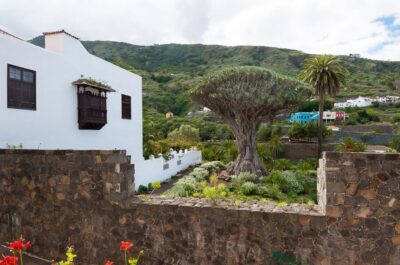
Tenerife: Teide National Park Full-Day Tour with Pickup
Read our review →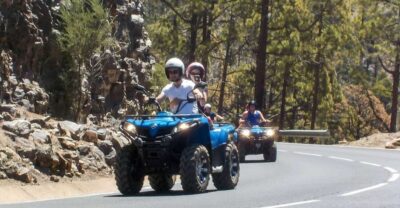
Tenerife: Quad Adventure Tour in Teide National Park
Read our review →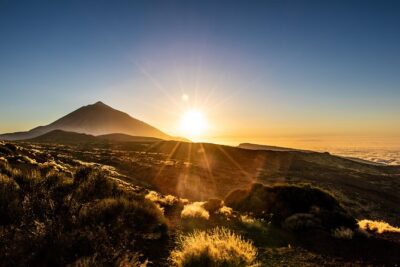
Teide by Night: Sunset & Stargazing with Telescopes Experience
Read our review →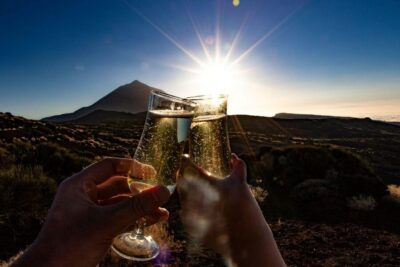
Teide: Guided Sunset & Stargazing Tour by Night with Dinner
Read our review →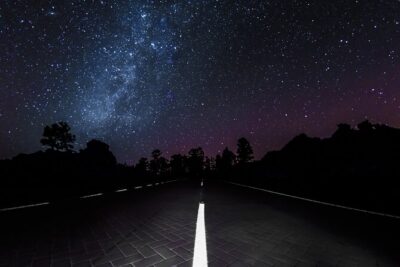
Browse the lists this tour appears in