
REVIEW · TENERIFE
Teide National Park: Stargazing Experience
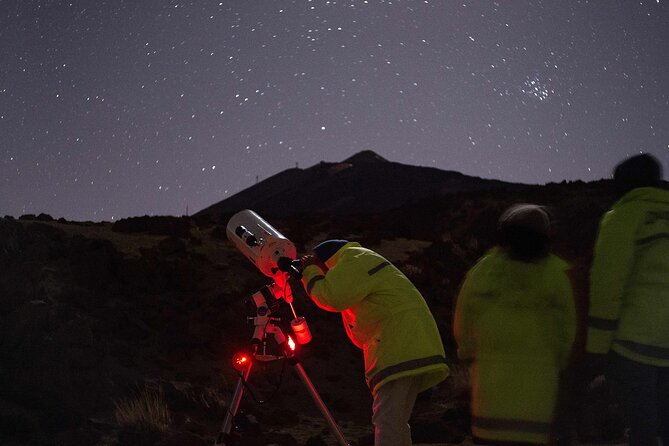
Teide’s high, dark setting lets you see far more than a few bright stars. After sunset, your guide helps you find Polaris, the celestial north pole, zodiac constellations, and familiar figures from Greek mythology before turning the high-grade telescopes toward planets, star clusters, and galaxies.
I like the clear mix of naked-eye astronomy and telescope viewing, and I like that guides such as Miguel make the science easy to follow without stripping away the wonder. The main drawback is the cold: even in August, wind and altitude can make this a long, chilly hour and 20 minutes.
Key points to know before you book
- Start with the naked eye: Learn the major stars, constellations, ecliptic, zodiac line, and Polaris before using the telescopes.
- See more than stars: Depending on the night, you might view Jupiter and its moons, Saturn, Mars, the Orion Nebula, Andromeda, the Milky Way, or star clusters.
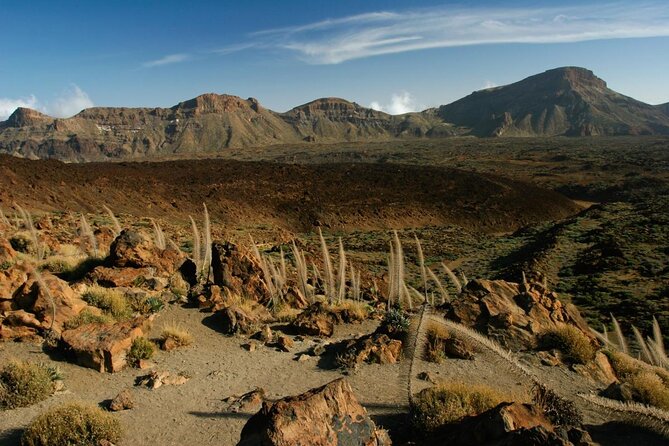
- Use a dark-sky setting: Teide National Park is far from town lights, giving you a much clearer sky than you usually get at the coast.
- Expect serious cold: Warm clothing and warm shoes are essential, including in seasons that feel mild elsewhere on Tenerife.
- Get help from an astronomy guide: The tour is offered in English or Spanish, with guides including Miguel and Manuel praised for clear explanations.
- Bring realistic expectations: The moon’s cycle affects what you see, and the 80-minute session may feel short for a full night of sky watching.
Why Teide is the right place to look up
Tenerife’s coast can be warm, bright, and busy. Teide National Park is a very different setting. At the Minas de San José meeting area, you are in a high mountain environment with far fewer artificial lights, which matters more than fancy equipment when you want to see faint stars.
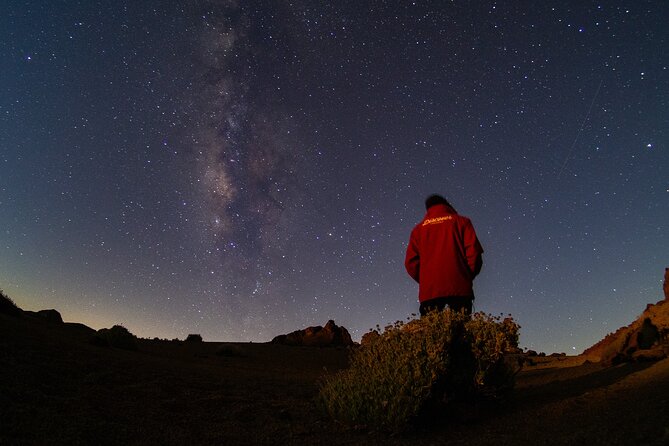
A dark sky reveals the Milky Way, dimmer constellations, and objects that disappear above a city. The difference can be startling. One of the strongest parts of this experience is simply standing outside and realizing how many stars are normally washed out by town lights.
The setting also brings a trade-off. The park is colder than the resorts, and the temperature can drop quickly after sunset. Several people needed to thaw out after the session, and one report noted that conditions felt much colder than at sea level even during August.
I would pack a warm coat, extra layers, a hat, and proper warm shoes. Comfortable footwear matters too, since the activity takes place outdoors in a natural area rather than inside a heated observatory.
More Volcano National Parks in Spain
- Tenerife: Teide National Park Sunset & Stargazing Tour
★ 4.2 · 3,812 reviews - Tenerife: Sunset and Stargazing at Teide National Park
★ 4.7 · 2,826 reviews - Teide National Park Sunset & Stargazing with Dinner (Star Safari)
★ 5.0 · 2,601 reviews
Finding the sky before touching a telescope
The session begins with the naked eye. This is a smart choice because it gives you a map of the sky before you look through a telescope. Your guide points out the main constellations and important stars, then shows you how to locate Polaris and the celestial north pole.
You also learn about the ecliptic, the apparent path followed by the sun across the sky, and the zodiac line. That makes the familiar zodiac signs more than names on a horoscope page. You see where they sit in relation to the larger pattern of the night sky.
The guide uses Greek mythology to explain the shapes and positions of constellations. This adds a human side to the science. Instead of memorizing scattered points of light, you get stories and visual clues that help you remember what you are seeing.
I especially like this part for first-time astronomy visitors. You do not need prior knowledge, and you are not expected to identify stars on your own. The explanations are designed to help you get your bearings fast, which makes the later telescope session more rewarding.
The naked-eye section is also useful if the moon is bright or conditions limit telescope viewing. The exact objects available change through the year, but learning the sky itself remains worthwhile.
What you may see through the telescopes
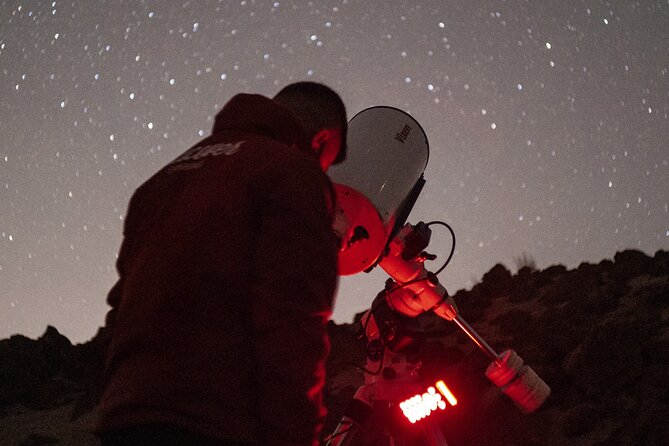
Once everyone has a sense of direction, the tour moves to telescope observation. The equipment is described as high grade, and the session focuses on the most notable celestial objects visible that night.
Past viewing lists have included Jupiter and its moons, Saturn, Mars, the Orion Nebula, the Andromeda Galaxy, star clusters, the Milky Way, and the moon. You should not treat that list as a guarantee. The season, weather, moon phase, and the night’s visibility all shape the program.
Seeing a planet through a telescope feels different from seeing a bright point in the sky. Jupiter’s moons can appear as tiny points beside the planet, while Saturn can reveal its rings under suitable conditions. These are small views, not giant planetarium images, so patience helps.
Nebulae and galaxies are also subtle. You may see a soft patch or a delicate shape rather than a colorful image like those made by space telescopes. That is part of the appeal. You are looking at light that has crossed enormous distances before reaching the instrument in front of you.
The Orion Nebula and Andromeda are good examples of why the guide matters. The equipment helps you see them, but the explanation gives the sight context. You learn what kind of object it is and why it matters, rather than simply moving from one bright target to another.
The astrophoto telescope and the souvenir image
A special feature is the astrophoto telescope, which turns selected observations into images. The exact photographs depend on what is visible, but images of a star cluster and a galaxy have been sent after the activity.
This is a useful extra because telescope views can be hard to remember. Your eye sees a small, delicate object in the eyepiece, while a carefully made image gives you something clearer to keep and share.
Do not confuse this with a full photography workshop. The main purpose is guided observation, not learning camera settings or spending the evening making your own exposures. The astrophoto element works best as a bonus to the live viewing.
I would ask at the start how the images will be delivered and which objects are included. The information confirms that photographs may be sent after the tour, but it does not promise a fixed number or a particular galaxy every night.
More Volcano National Parks in Tenerife
- Teide National Park: Sunset & Stargazing Safari with Dinner
★ 4.6 · 2,115 reviews - Tenerife: Teide National Park Full-Day Tour with Pickup
★ 4.5 · 1,613 reviews - Tenerife: Quad Adventure Tour in Teide National Park
★ 4.7 · 1,492 reviews - Tenerife: Teide National Park Guided Buggy Tour
★ 4.7 · 609 reviews
The guides make the difference
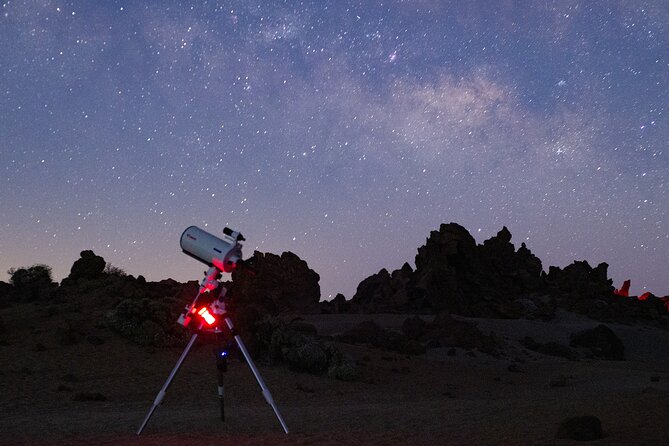
This activity depends heavily on the person holding the explanation together. Miguel has been singled out for being clear, passionate, and funny, while Manuel has been praised for explaining the moon, constellations, and mythology in an engaging way. Luke also led a particularly strong session in the past.
The common thread is accessibility. You get astronomy explained in English or Spanish, without needing a science background. The guides cover practical sky navigation as well as the stories behind the constellations, so the session does not become a dry list of technical terms.
I would pay attention to the language you select when booking. English and Spanish are available, but the schedule may be confirmed later, especially if you reserve months ahead. The provider may contact you through WhatsApp or email to confirm the start time.
That follow-up is useful because the exact time can change. Sunset and darkness vary through the year, and the activity begins after sunset. Keep an eye on your messages rather than assuming the time shown long in advance will remain fixed.
How the 80 minutes feels
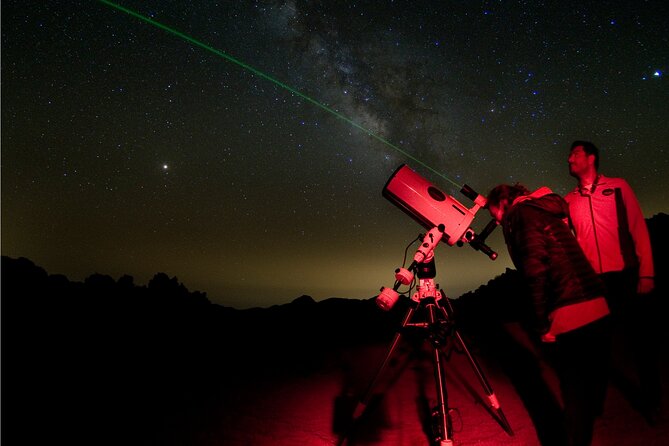
The stated duration is 80 minutes. That is enough time for an introduction, a guided look at the sky, and several telescope targets, but it is not a full evening under the stars.
The first part is spent learning the basic patterns overhead. You then move to telescope observations, with the guide choosing objects suited to the date and conditions. The pace should feel active, but you may need to wait briefly while people take turns at the equipment.
This is a good length for families, casual sightseers, and anyone adding astronomy to a busy Tenerife schedule. It is less suited to a serious amateur astronomer who wants hours of observation or detailed equipment time.
One person felt the price could be a little lower for the time spent. That is a fair point at $41 per person. You are paying for the dark location, the professional guide, specialist telescopes, insurance, and the structure that helps a beginner make sense of the sky.
For me, the value depends on your interest. If you already plan to visit Teide and want a guided introduction to astronomy, $41 is reasonable. If you expect a long observatory session with extensive personal telescope time, the 80-minute format may feel limited.
Moon phases can change the experience
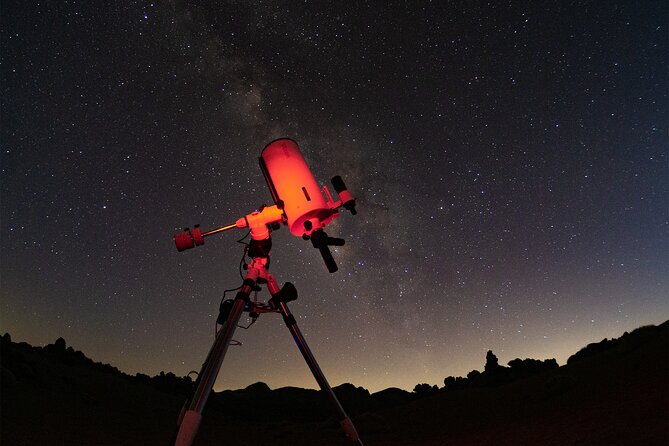
The moon deserves attention before you book. Its cycle affects what you can see. A bright moon can be beautiful and may make the lunar surface a strong target, but it can also reduce the visibility of faint stars and galaxies.
A darker sky generally helps with faint objects and the Milky Way. A brighter moon can still produce an enjoyable evening, especially if lunar viewing is part of the plan. I would check the moon phase for your date and decide which kind of night appeals to you.
The activity information specifically warns you to consider the moon’s cycle. That is not a minor footnote. It can change the balance between bright, easy targets and faint deep-sky objects.
Clouds and wind are also practical concerns, though the supplied details do not state a weather cancellation policy. Since the session is outdoors, you should be ready for changing mountain conditions and keep your schedule flexible enough to handle a possible adjustment.
Meeting at Minas de San José
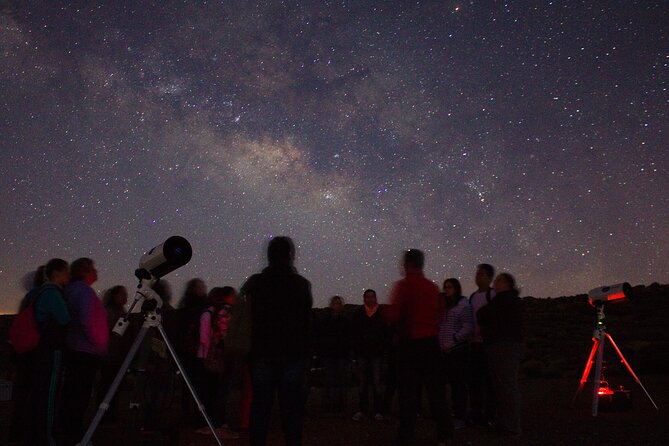
You meet in the parking area directly in front of the natural environment of Minas de San José. If you arrive from the south, it is the second car park on the right. If you come from the north, it is the first car park on the left.
There is no hotel pickup or drop-off, so you need to arrange your own transport. This matters on Tenerife because the meeting point is in the national park, not at a coastal resort. Give yourself time to reach the correct parking area and check the provider’s later WhatsApp or email message for the confirmed schedule.
The location is chosen for safe, good access within the park. Still, you are meeting outdoors at night, so wear shoes that are comfortable and warm rather than resort sandals or thin trainers.
Who should book this stargazing experience?
I would recommend it to first-time astronomy visitors who want an easy introduction without having to study star charts beforehand. The guide explains the basics, points out the patterns, and then lets you see selected objects through a telescope.
It also suits couples looking for a quiet evening activity and families with older children who can handle the cold and remain interested during the explanations. The subject is presented through planets, myths, and visible constellations, which gives it broad appeal.
It is not suitable for unaccompanied minors. People with heart or respiratory problems should also take the high-altitude setting and cold seriously. The information also advises against taking part within 24 hours after scuba activity.
If you dislike cold weather, outdoor waiting, or short guided sessions, this may not be your best evening in Tenerife. The sky can be magnificent, but no telescope can remove the discomfort of standing outside without enough clothing.
Booking, cancellation, and practical planning
You can cancel up to 24 hours before the activity for a full refund, and you can reserve now while paying later. That flexibility helps if you are watching the weather or still arranging your Tenerife schedule.
The provider offers the tour in English and Spanish. Insurance during the activity is included, as are the naked-eye explanation, telescope observation, and professional astronomy guide.
Pack the following:
- Several warm layers
- A warm jacket
- Warm shoes
- Comfortable footwear
- A phone or email account you will check for schedule updates
I would not plan dinner immediately afterward unless you allow extra time. Dinner is not included, and the mountain setting means the session is not built around food or drinks.
Should you book it?
Book this if you want to see Tenerife’s night sky with help from an engaging guide, especially if Polaris, the Milky Way, Jupiter, Saturn, nebulae, and constellation myths sound exciting. The strongest parts are the dark Teide setting, the clear sky orientation, and the chance to use serious telescopes without needing previous astronomy experience.
At $41, the value is good for a focused introduction that includes equipment, a guide, insurance, and possible astrophoto images. Just keep your expectations grounded: it lasts 80 minutes, the visible objects change, and the cold is not a small detail.
My best advice is simple. Check the moon phase, confirm the meeting time, and bring far more warm clothing than you think you need. If you do that, this can turn a Tenerife evening into a memorable lesson in how much is happening above your head.
FAQ
Where does the Teide stargazing tour meet?
You meet in the parking area directly in front of the natural environment of Minas de San José. From the south, it is the second car park on the right. From the north, it is the first car park on the left.
How long does the activity last?
The stargazing experience lasts 80 minutes and begins after sunset.
What languages are available?
The live guide is available in English and Spanish.
Is hotel pickup included?
No. Hotel pickup and drop-off are not included, so you need to make your own way to Minas de San José.
What will I do during the tour?
You begin with naked-eye astronomy, learning constellations, important stars, Polaris, the celestial north pole, the ecliptic, and the zodiac line. You then observe selected celestial objects through telescopes.
What should I wear?
Bring comfortable shoes, warm clothing, and warm shoes. Temperatures can be low at night, and warm clothing is especially important in autumn and winter.
Does the moon affect the experience?
Yes. The moon’s cycle can change which objects are easiest to see, so you should consider the moon phase when choosing your date.
Can children attend?
Unaccompanied minors are not allowed. The provided information does not specify a minimum age for children accompanied by an adult, so confirm this with the activity provider before booking.
More Mount Teide Tours in Tenerife
- Tenerife: Mount Teide Tour with Cable Car Ticket & Transfer
★ 4.3 · 5,094 reviews - Tenerife: Mount Teide, Masca, Icod and Garachico Day Trip
★ 4.5 · 2,065 reviews - Teide by Night: Sunset & Stargazing with Telescopes Experience
★ 4.5 · 1,492 reviews - Teide: Guided Sunset & Stargazing Tour by Night with Dinner
★ 4.7 · 1,339 reviews
Just added around Tenerife
- Tenerife: Water Jet-Ski / Teide Volcano Quad Safari Combo★ 4.5 · 6 reviews
- Tenerife: Tenerife Highlights beyond the Teide★ 4.8 · 160 reviews
- Puerto de la Cruz: Quad to Mount Teide Day or Sunset★ 4.7 · 25 reviews
- Tenerife: Teide Stargazing with an Astrophysicist★ 4.9 · 74 reviews
- Teide: Small Group Sunset Adventure with Picnic & Stargazing★ 4.6 · 231 reviews
- Tenerife: Teide National Park and Volcano Buggy Tour★ 4.0 · 39 reviews
- Tenerife: Teide National Park & Teno Rural Park Private Tour★ 5.0 · 35 reviews
- Tenerife: Teide National Park Sunset Quad Tour★ 4.1 · 164 reviews
Tenerife Volcano Tours, compared.
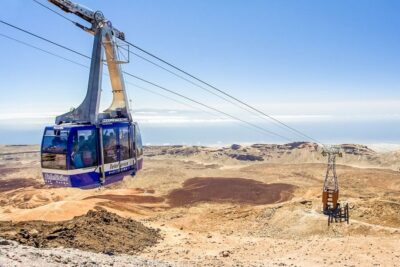
Tenerife: Mount Teide Tour with Cable Car Ticket & Transfer
Read our review →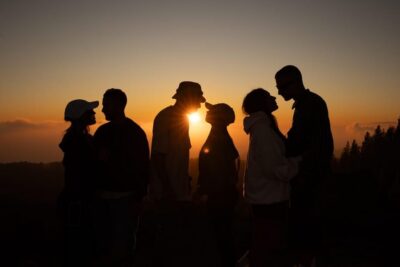
Tenerife: Teide National Park Sunset & Stargazing Tour
Read our review →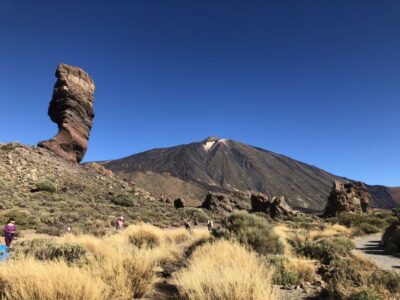
Tenerife: Mount Teide, Masca, Icod and Garachico Day Trip
Read our review →
Tenerife: Teide National Park Full-Day Tour with Pickup
Read our review →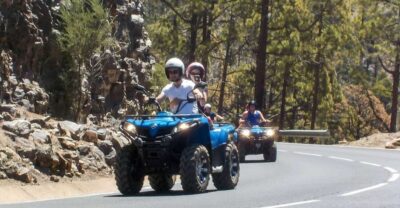
Tenerife: Quad Adventure Tour in Teide National Park
Read our review →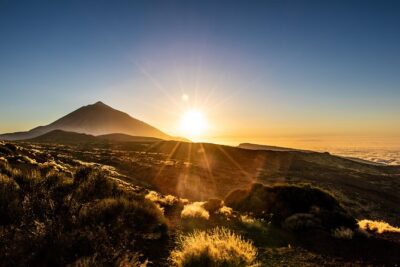
Teide by Night: Sunset & Stargazing with Telescopes Experience
Read our review →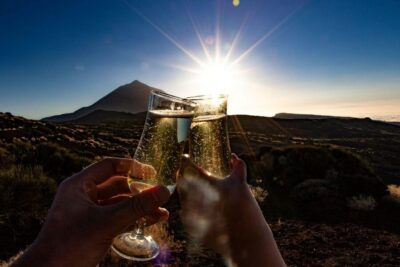
Teide: Guided Sunset & Stargazing Tour by Night with Dinner
Read our review →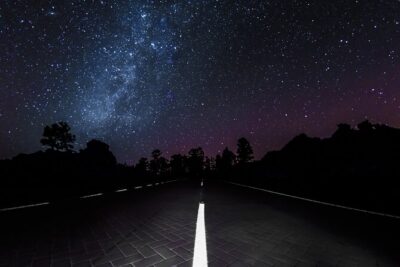
Browse the lists this tour appears in