
REVIEW · VOLCANO SUNRISE TOURS
Sucre: Sunrise, the Crater de Maragua and old Cave Paintings
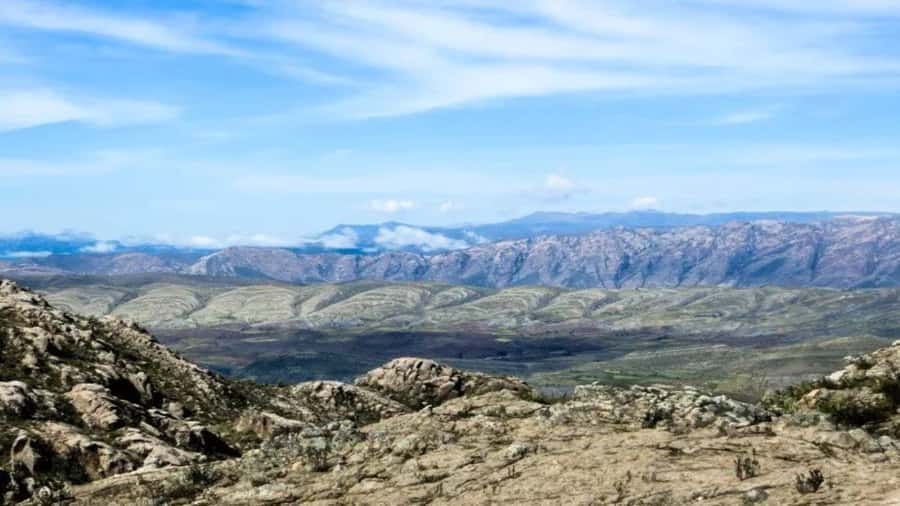
The most memorable part of this day is the long walk through the Cordillera de los Frailes, where the route links a sunrise viewpoint, ancient rock art, colorful mineral mountains, and Jalqa villages. It feels less like a quick photo stop and more like a day spent moving through the countryside around Sucre.
I like the combination of Pumamachay and Incamachay cave paintings with the living culture of the Jalqa communities. I also like the thoughtful timing: a warm breakfast while you wait for sunrise, then a vegetarian lunch after the hike. The main drawback is the rough road and early start. Cloud, wind, and cold can soften the sunrise, and the winding drive may trouble anyone prone to car sickness.
Key points to know before booking
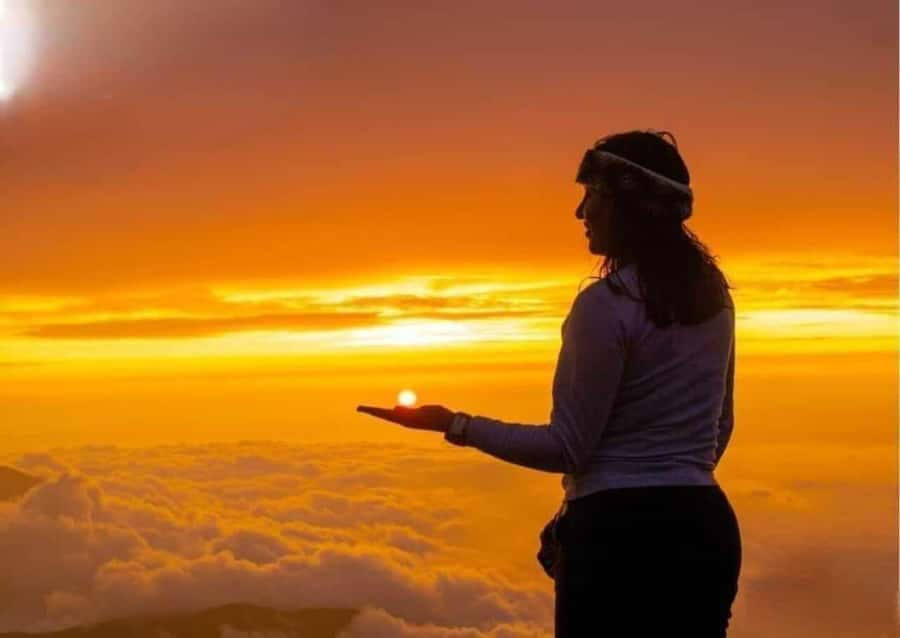
- Sunrise at Chataquilla: Start before dawn at a high viewpoint near an old colonial chapel, with a light breakfast and headlamps provided.
- Four hours on foot: The route includes mountain paths, viewpoints, forests, geological formations, and ancient rock art.
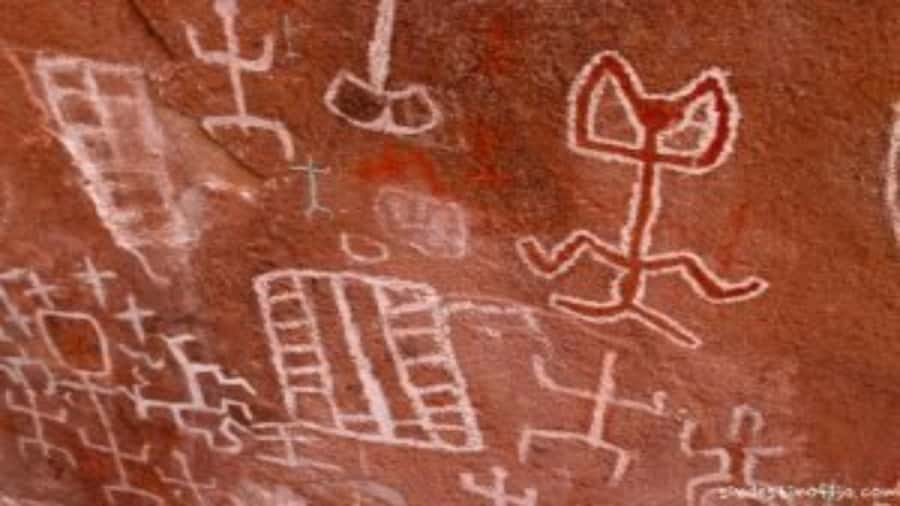
- Two cave art sites: Pumamachay and Incamachay preserve paintings linked to communities that lived in the area thousands of years ago.
- Jalqa culture is part of the day: You visit Tumpeca and Maragua, and lunch is served in a Jalqa community.
- Maragua is the grand finish: The crater, mineral-colored mountains, Devil’s Throat, and small waterfall provide the day’s broadest views.
- Small-group format: A maximum of 12 people, English or Spanish guiding, and private transportation from central Sucre make this easier to manage than a large coach outing.
Why this Sucre day trip feels different
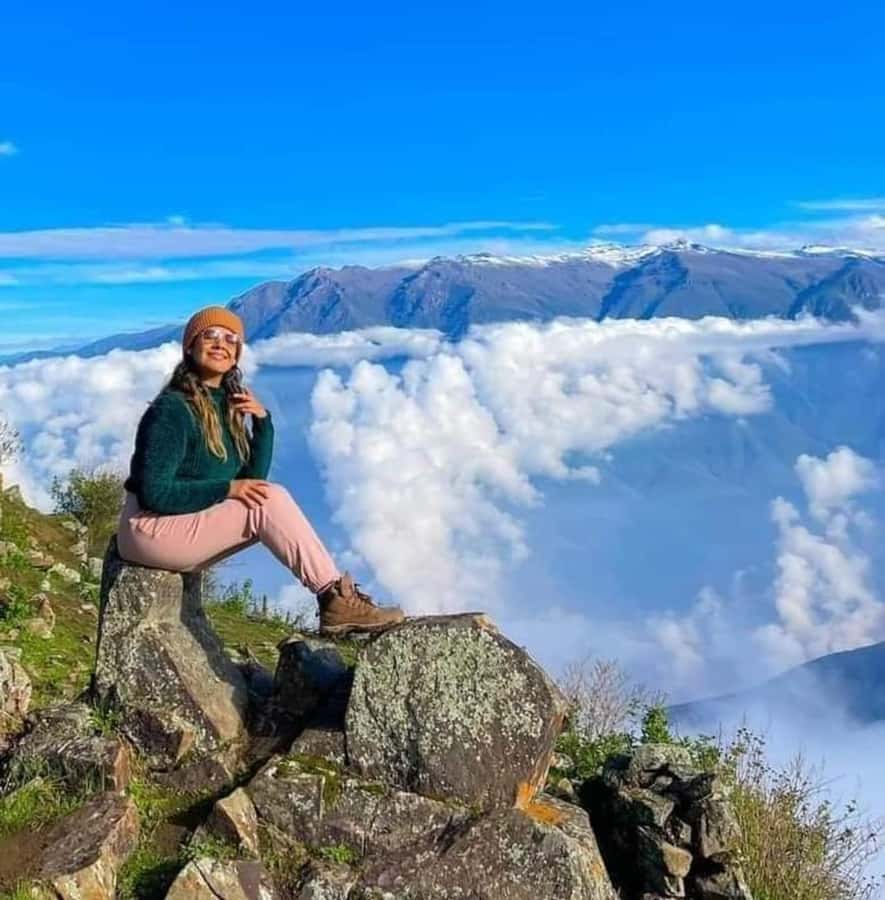
Many day trips from Sucre are built around a single viewpoint. This one keeps changing character. You begin in darkness, wait for first light in the Andes, hike along a mountain ridge, inspect ancient paintings, meet people connected to Jalqa traditions, and finish beside the Maragua Crater.
That variety is the real value. You are not simply driven to Maragua, given ten minutes for photographs, and driven back. The route gives you time to understand how the area fits together: the chapel and mountain pass, the valleys below, the old rock art, the villages, and the dramatic folds of the crater.
The tour costs $105 per person. That is not the cheapest way to see Maragua, but the price includes transport from Sucre, a guide, breakfast, lunch, entry fees, headlamps, and a full day in a small group. You are paying for a long, coordinated day with two meals and a substantial guided walk, not just a transfer and a viewpoint.
More Volcano Sunrise Tours in the world:
- Maui: Haleakala Sunrise Spectacular with Local Breakfast
★ 4.5 · 2,155 reviews - Borobudur Sunrise from setumbu Hill , Merapi Volcano & Prambanan Full Day Tour
★ 5.0 · 1,030 reviews - Haleakala Sunrise Best Self-Guided Bike Tour
★ 4.5 · 745 reviews
An early start at Chataquilla
Pickup is arranged at accommodations in Sucre’s historic center, with final details handled by email. The drive to the mountains takes roughly half an hour according to the available timing, though the full road journey later in the day is longer.
You reach the area near the colonial chapel of Chataquilla before sunrise. This place matters to the Jalqa community as a meeting point, so the stop has cultural meaning beyond its appearance as an old religious building. The chapel also gives the guide a useful starting point for explaining the area before the walking begins.
The first minutes can be cold, windy, and dark. A headlamp is supplied for each person, but I would still pack a small backup flashlight if you have one. The path is not described as long at this point, but uneven ground is harder to judge before daylight. Walk slowly and keep your attention on your footing.
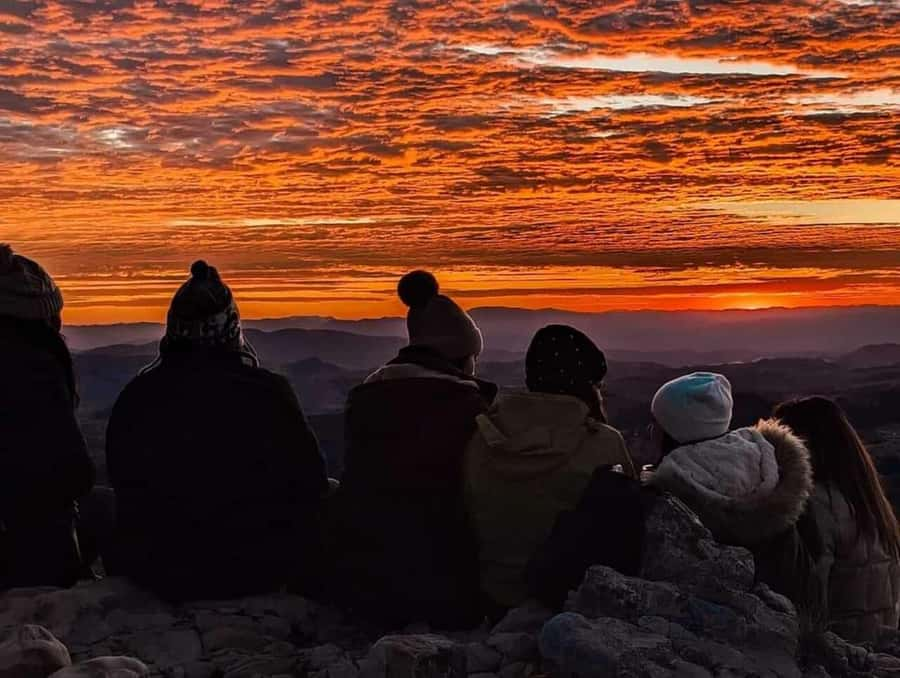
At the viewpoint, you receive a light breakfast while waiting for the sun. It is a simple touch, but an important one. You will be standing around in mountain air before a demanding walk, so something warm or filling makes the wait much more pleasant.
Do not book this day solely for a guaranteed sunrise photograph. The morning may be cloudy, and one account found the sunrise less dramatic than hoped. The setting is still worthwhile, but the better reason to go is the entire route that follows.
The first climb above Tumpeca Valley
After sunrise, you visit the chapel, then begin a climb of about 20 minutes toward the mountain summit. From above, you can look toward Tumpeca Valley, the Indigenous community of Chaunaca, Maragua Crater, and part of Sucre.
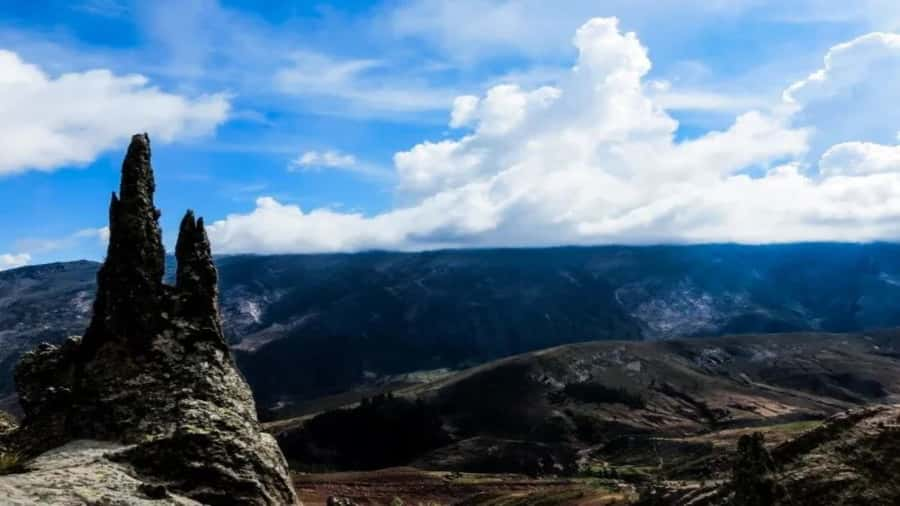
This opening section helps you understand the scale of the trip. You are not looking at one isolated rock formation. The valleys and ridges spread out in several directions, with exposed geological layers and patches of forest breaking up the view.
The path continues through the morning. Expect changing surfaces, open mountain terrain, local plants, and wooded sections. The tour description allows for the chance of seeing Andean wildlife, but no sighting is promised. Bring binoculars only if you already have a compact pair. Your camera and water matter more.
The walking time is significant. The scheduled sections total several hours, and one detailed account describes about four to four and a half hours on foot. This is not a technical climb, but it is not a casual stroll either. You need comfortable shoes with a firm sole, steady balance, and enough energy for a route that keeps unfolding before lunch.
Pumamachay and Incamachay cave paintings
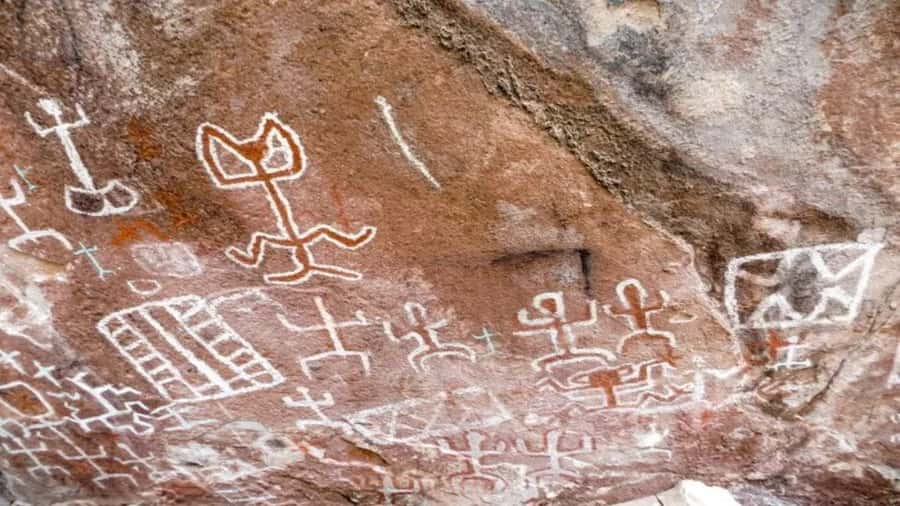
After about two hours of walking, you reach Pumamachay Cave. The paintings here are the day’s most unusual stop. They date back thousands of years and offer a direct connection to people who used these mountains long before modern roads and villages.
The setting matters as much as the images. You reach the cave on foot, after seeing the terrain that shaped life here. The art is not presented as an isolated museum display. It sits within the same valleys and rock formations that earlier communities knew.
You then continue for about 30 minutes to Incamachay, another site with cave paintings and traces of ancient settlement. Seeing both sites makes the visit more useful than stopping at one. You can compare the locations and ask the guide about the paintings, the people who made them, and what can be learned from the remains.
The caves are a place to slow down. Do not expect a large gallery or rows of perfectly preserved images. These are old archaeological sites, and their appeal comes from their age, setting, and sense of place. Your guide is especially important here because the marks may not be obvious at first glance.
English and Spanish guiding is available. Karina and Manuel are among the guides associated with this experience, and the available feedback specifically points to clear English from both guiding staff and the wider team. If you book in English, confirm your preferred language in advance.
More Early-Start Tours in the world:
- Catania: Morning Jeep Tour of Mount Etna and Lava Flow Caves
★ 4.7 · 774 reviews - Borobudur Sunrise, Merapi Volcano & Prambanan Full Day Tour
★ 4.8 · 717 reviews - Maui: Majestic Haleakala Sunrise Tour with Pick-up
★ 5.0 · 614 reviews - Maui: Haleakala National Park Sunrise Tour
★ 4.7 · 545 reviews
Meeting the Jalqa communities
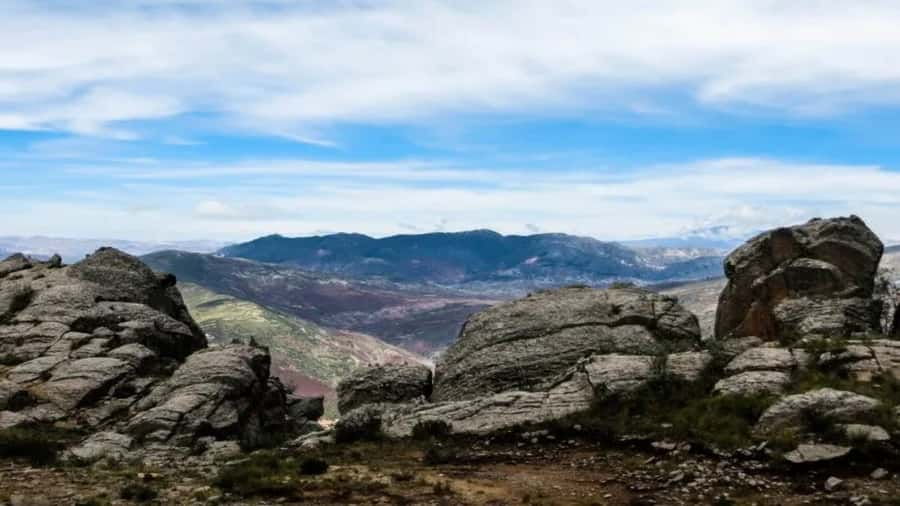
The trail leads toward the Jalqa community of Tumpeca, near a river in the valley. This part gives the trip a human focus. The route is not only about scenery and archaeology. It also passes through places where people live and work today.
The Jalqa are known in this region for their distinctive textile traditions, and the day includes contact with local community life. One account describes meeting a textile weaver and taking home a bracelet. That kind of encounter can be more meaningful than a hurried souvenir stop because it connects the visit to an actual local skill.
The schedule is active, so this is not a long cultural workshop. Still, it gives you a chance to see that the communities around Maragua are not just backdrops for photographs. Be respectful with cameras, follow your guide’s instructions, and remember that the villages are lived-in places.
Lunch is vegetarian and provided after leaving Tumpeca, in the Maragua area. The available food feedback describes it as tasty, though you should not expect a restaurant menu. It is best understood as a practical local meal after a long walk, with the added benefit of not needing to search for food in a remote area.
Water is not included. Bring plenty for the full day, along with extra snacks if you eat between meals. The tour includes breakfast and lunch, but the supplied details do not specify the size of either meal.
Maragua Crater and the mineral-colored mountains
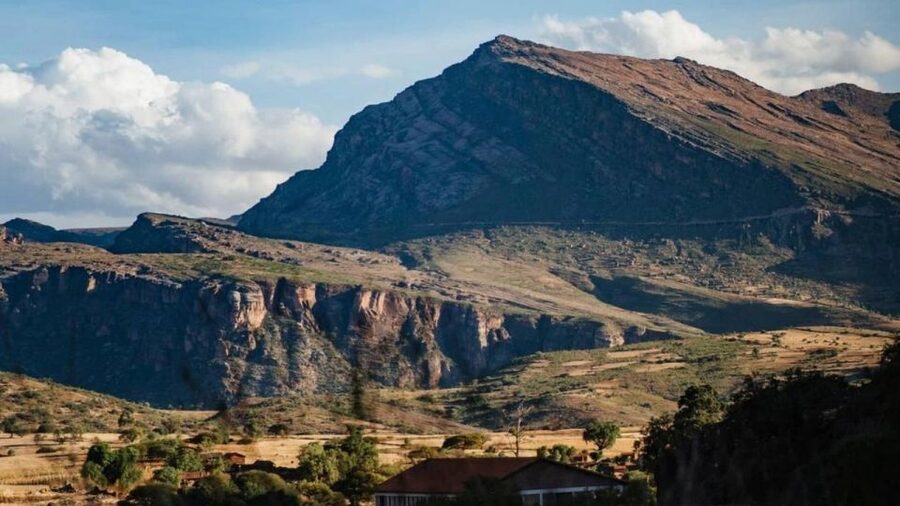
After lunch, the route reaches the Maragua Crater, a geological formation surrounded by folds and bands of color. The mountains near Sucre contain different minerals, which helps explain the varied tones visible in the rock.
The name crater can create the wrong picture. You should think of a broad, heavily folded geological formation rather than a perfectly round volcanic bowl. The patterns and colors are the main attraction, especially when viewed from above or from the surrounding paths.
Inside the crater, you visit the Jalqa community of Maragua, also called Marawa in the tour details. This provides another chance to see the connection between the formation and the people who live among it.
The day’s final scenic stop is Devil’s Throat, with a small waterfall and viewpoint. The waterfall is modest, so do not make it the main reason for booking. Its setting is what makes it worthwhile: after hours on the trail and a meal in the community, the narrow feature and broad view provide a satisfying last stop.
The crater and viewpoint are also a good reward for the day’s effort. If the sunrise was muted by cloud, the later rock formations usually give you more reliable visual interest. Weather still affects visibility, but the colors and shapes remain the central attraction.
The road back to Sucre
The return is by Jeep or SUV. The exact drive length depends on the road and schedule, but the supplied timing gives about two hours for the final return, while the morning and mid-day vehicle segments are shorter. The roads are not always smooth.
That matters more than it might sound. After several hours of walking, a winding mountain road can feel long. If you get carsick, bring your usual medication, such as the Gravol suggested by one person who took the trip, and keep water within reach. The driver, Don Gabino, has been singled out for making passengers feel safe, but careful driving cannot remove every bump or bend.
Private transportation is a strong part of the package. You are not worrying about finding a taxi in a remote village or arranging separate rides between the cave sites and Maragua. The small-group limit of 12 also makes the vehicle and trail experience more manageable than a large excursion.
What to pack for the Cordillera de los Frailes
The weather can change sharply between the dark morning, sunny sections, and later mountain stops. Pack warm layers rather than relying on one heavy coat.
You should bring:
- Hiking shoes or sturdy comfortable shoes
- Warm clothing and a hat
- Sunscreen
- Plenty of water
- Extra snacks
- Rain gear
- A flashlight, even though headlamps are supplied
- A waterproof bag for electronics and documents
- Your passport, with a copy accepted
- A camera with enough battery for a full day
The operator asks you to avoid alcohol and drugs, and the route is not suitable for baby strollers. The experience is also not suitable for children under 10, pregnant people, wheelchair users, people with mobility impairments, people with vertigo, or people affected by altitude sickness. The supplied information also lists children under 13 as unsuitable, so families should confirm the minimum age before paying.
The most important item is not a gadget. It is caution. The first part of the hike takes place in early light, and the trail requires attention. Keep a steady pace, watch where you step, and do not rush to get ahead for a photograph.
Who will enjoy this day most
I would choose this tour if you want a full day outside Sucre and enjoy walking for several hours. It suits people who prefer a mix of archaeology, local culture, geology, and scenery instead of a single headline attraction.
It is also a good fit if you want the convenience of meals and transport arranged in advance. The English and Spanish guide option, small group, and pickup within Sucre’s historic center reduce the planning work.
I would think twice if you dislike early mornings, rough roads, uncertain weather, or long walks. The sunrise may be ordinary, the waterfall is small, and the cave paintings require patience rather than a quick photo. You should also be comfortable walking on uneven mountain paths without mobility support.
The trip earns its price through its range. Breakfast, lunch, entry fees, transport, guiding, and headlamps are included, while only water and snacks are left for you to arrange. At $105, it is a fair choice for a carefully organized full-day outing, particularly if you value local contact and a substantial hike.
Should you book the Maragua sunrise hike?
Book it if you want to see more than the famous crater. The best parts are the quiet early start, the long mountain route, the two cave art sites, the Jalqa communities, and the final views around Maragua. Karina, Manuel, and the driving team give the experience a personal scale, and the provided meals make a remote day easier.
Skip it if you need a guaranteed spectacular sunrise or a gentle sightseeing day. The road can be rough, the morning cold, and the walking demanding. For fit visitors who pack properly and treat the sunrise as one part of a larger day, this is one of the more rewarding ways to experience the countryside around Sucre.
The tour allows cancellation up to 24 hours ahead for a full refund and offers reserve-now, pay-later booking. That flexibility is useful when mountain weather is uncertain.
FAQ
How long does the experience last?
The full experience lasts about 10 hours, including pickup in Sucre, the hike, visits to the cave paintings and communities, the Maragua Crater, and the return drive.
Is transportation from Sucre included?
Yes. Private transportation to and from Sucre is included, with pickup available from accommodations in the historic center after prior coordination by email.
How difficult is the hike?
The route includes a short climb to the mountain summit and several hours of walking through the Cordillera de los Frailes. It is important to watch your footing, especially during the early morning section. Hiking shoes and comfortable clothing are recommended.
Are meals included?
A light breakfast is provided while you wait for sunrise, and a vegetarian lunch is included in the Maragua area. Water and snacks are not included, so bring your own.
What languages are available?
The tour is available with a live guide in English or Spanish. Guides associated with the experience include Karina and Manuel.
Can children or people with mobility limitations join?
The activity is not suitable for children under 10, and the supplied information also lists children under 13 as unsuitable. It is not suitable for pregnant people, wheelchair users, people with mobility impairments, people with vertigo, or people with altitude sickness.
Just added around the world
- Volcanoes National Park: Guided, Small-Group Hike★ 5.0 · 15 reviews
- Evening Volcano Explorer from Hilo★ 4.5 · 67 reviews
- Fat Tire E-Bike Rental – Volcanoes National Park★ 4.5 · 26 reviews
- Evening Volcano Explorer Tour from Kona★ 4.5 · 24 reviews
- Big Island Waterfalls, Blacksand Beaches, Lava Tubes & Volcanoes★ 5.0 · 24 reviews
- Expert Led Private Guided Tour Hawaii Volcanoes National Park★ 5.0 · 5 reviews
- Best of Big Island: Volcanoes, Waterfall, Blacksand Beach & Lunch★ 5.0 · 14 reviews
- Big Island Private Tour Waipio Valley Volcanoes Waterfalls★ 5.0 · 4 reviews
Volcano Sunrise Tours, compared.
Bali: Sunrise Mount Batur Guided Hike with Breakfast
Read our review →
Bali: Mount Batur Sunrise Guided Hike and Natural Hot Spring
Read our review →
Bali/Mount Batur: Private Sunrise Jeep Tour & Hot Spring
Read our review →
Bali: Mount Batur Sunrise Trek With Guide and Breakfast
Read our review →
Maui: Haleakala Sunrise Spectacular with Local Breakfast
Read our review →
Mount Batur Sunrise Hike and Natural Hot Spring Option
Read our review →
From Ubud: Mount Batur Shared Jeep Sunrise & Hot Spring Tour
Read our review →
Mount Bromo Sunrise Tour from Surabaya or Malang – 1 Day
Read our review →Browse the lists this tour appears in