
REVIEW · SEATTLE
Seattle: Mt. St. Helens National Monument Small Group Tour
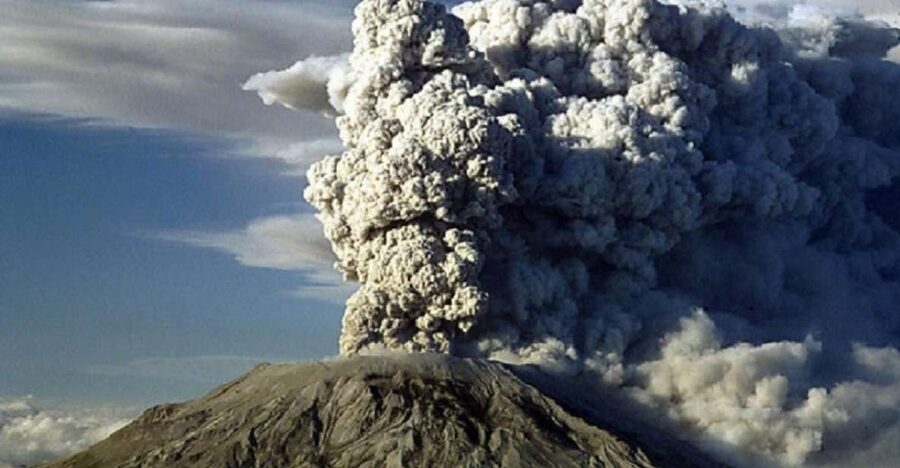
Mount St. Helens is not just a mountain with a missing top. The 1980 eruption changed the shape of the peak, buried forests, and left behind a living lesson in geology and recovery. This 12-hour trip lets you see that story through wildlife wetlands, old-growth forest, volcanic terrain, and a view toward the crater.
I like the small group of no more than 10, which gives the guide room to answer questions and adjust the pace. I also like the thoughtful food and drink: coffee or tea with a morning snack, all-day refreshments, and a seasonal picnic prepared by a local female-owned catering partner.
The main consideration is the long day. You will spend several hours in the van, and access to Johnston Ridge is currently blocked by a mudslide. The replacement viewpoint at Coldwater Lake still offers strong scenery, but it is important to understand that this is not the classic Johnston Ridge visit.
Key points to know before you book
- A full-day volcanic geology trip: Plan on about 12 hours from downtown Seattle and several hours on the road.
- Coldwater Lake replaces Johnston Ridge for now: A mudslide on Spirit Lake Highway blocks the final section to Johnston Ridge Observatory.
- Small-group attention: The high-roof van carries no more than 10 participants.
- More than a mountain viewpoint: You will visit a wildlife refuge, old-growth forest, interpretive sites, and volcanic terrain.
- Lunch is part of the experience: Expect a seasonal picnic with local ingredients, plus coffee, tea, snacks, and drinks.
- Walking is modest but real: Bring comfortable shoes and warm clothing. Winter snowshoes are supplied if needed.
Why Mount St. Helens is worth the long ride
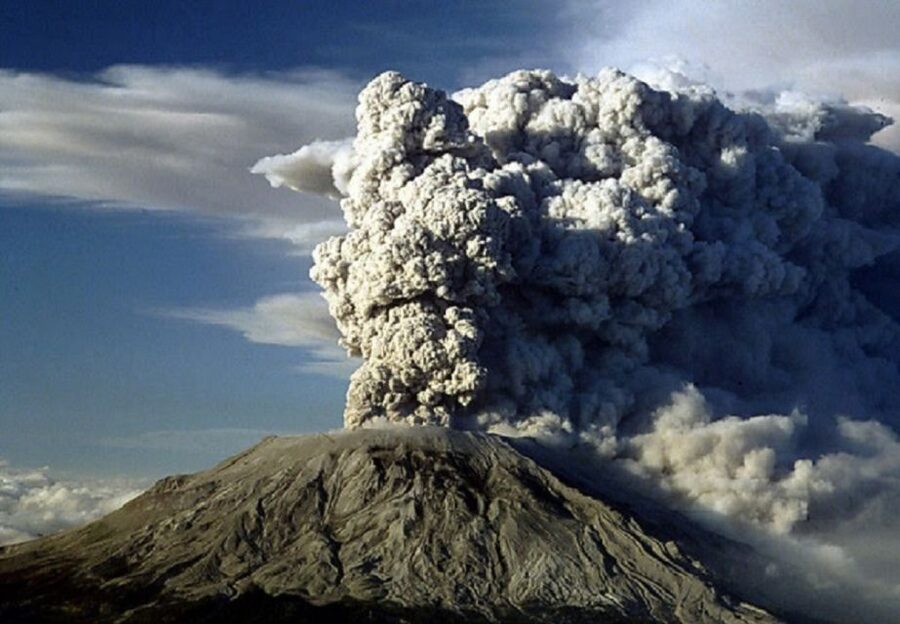
The appeal here is the chance to see a place where nature changed in one violent morning, then began rebuilding itself. On May 18, 1980, an eruption removed much of the north side of Mount St. Helens and sent ash, rock, mud, and heat across the surrounding area. The mountain you see today is still volcanic, but it is also a place of returning plants, wildlife, lakes, and young forest.
I find this kind of visit more useful than a quick photo stop. You are not simply looking at a distant peak. You are moving through different stages of the area, from coastal wetland habitat near Seattle to old forest, then into the blast zone and its open volcanic ground.
The trip is led in English by a naturalist guide. Guides named Brent and Natasha have led departures, and the role is important here. The mountain makes more sense when someone points out why the trees fell in one direction, how a lake formed, or why plants are returning in patches rather than all at once.
Other volcano tours people book around the USA:
- Big Island in a Day: Volcanoes Waterfalls Sightseeing and History
★ 5.0 · 6,569 reviews - Hilo Shore Excursion: Volcanoes National Park & Black Sand Beach
★ 4.5 · 2,338 reviews - Maui: Haleakala Sunrise Spectacular with Local Breakfast
★ 4.5 · 2,155 reviews
Starting early from downtown Seattle
Pickup runs between about 7:00 and 7:30 in the morning, with the exact time confirmed the day before. You can meet at a downtown hotel, Airbnb, rental, or the Sheraton Grand Hotel at 1400 6th Avenue if you are outside the normal pickup area.
You should be ready at the main entrance five minutes early. This matters because the trip has a lot packed into it, and a late start can cut into time at the stops. Pickup and drop-off are included from downtown Seattle, with Seatac and Tacoma options available by inquiry.
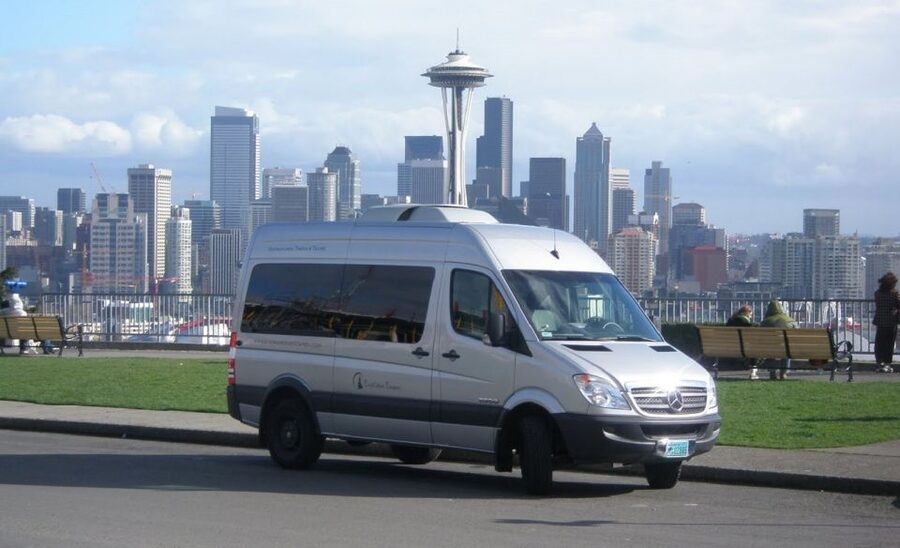
The high-roof passenger van is practical rather than luxurious. It gives you a more personal setting than a large coach, but you should still expect a full day of sitting, road bends, and changing weather. Large bags and luggage are not allowed, so bring only what you need for the day.
First stop: Nisqually wetlands and morning coffee
The first scheduled stop is Billy Frank Jr. Nisqually National Wildlife Refuge, about an hour from Seattle. You have roughly 15 minutes here for a short walk, wildlife viewing, and coffee or tea with a light snack.
That is a brief visit, so you should not expect a long refuge hike. Still, it gives you an early chance to stretch your legs and see a very different habitat from the mountain ahead. The refuge protects estuary wetlands, where freshwater and saltwater systems meet. Bring binoculars if you have them, since wildlife sightings are possible but never guaranteed.
This stop also breaks up the first van ride. I appreciate that the day does not rush straight from Seattle to the volcano. The wetland visit gives your guide a chance to introduce local plants and habitats before the scenery becomes more dramatic.
Lewis and Clark State Park and the old forest
After about 75 minutes on the road, you reach Lewis and Clark State Park for around 30 minutes of guided walking. The park offers a look at the old-growth forests that once covered the northern reaches of the mountain.
This is a useful contrast with the bare volcanic ground later in the day. Here, you see the kind of forest that existed before the eruption. Your guide can help identify native and local plants and explain their role in the area. One especially praised part of the experience is this plant-focused introduction, which turns a simple walk into a lesson in how the region works.
Thirty minutes is enough for a taste, not a serious hike. If you want a long forest walk, this tour may feel limited. If you prefer several short walks with different subjects, the format works well.
Same volcano country, a different day out:
- Big Island GOAT Experience: Mauna Kea Summit, Sunset & Stars
★ 5.0 · 1,706 reviews - Small Group Big Island Twilight Volcano and Stargazing Tour
★ 5.0 · 1,619 reviews - Maui South Coast and Molokini Crater Adventure from Kihei
★ 5.0 · 1,575 reviews - Big Island: Mauna Kea Summit and Stars Small-Group Adventure Tour
★ 5.0 · 1,545 reviews
The interpretive center and the story of 1980
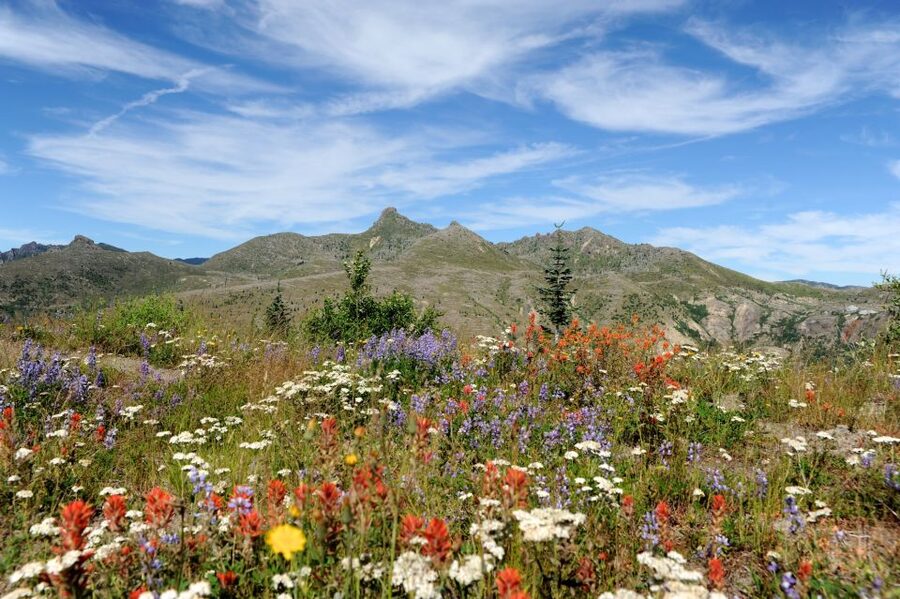
The Washington Parks Mount St. Helens Interpretive Center is scheduled for about an hour. Use this stop to study displays, take photographs, and get a clearer sense of what happened during the eruption.
This is where the human and natural story comes together. The eruption altered lives, roads, forests, lakes, and the mountain itself. An interpretive center is especially useful if you arrive without much background, because the later viewpoints can otherwise look like a broad sweep of gray rock and young vegetation.
The hour also gives you a pause before the outdoor section. You can ask questions, review maps and explanations, and prepare for the more exposed terrain ahead. The exact displays and open facilities can vary, so your guide remains the best source for what is available that day.
Lunch and the Hummocks Trail area
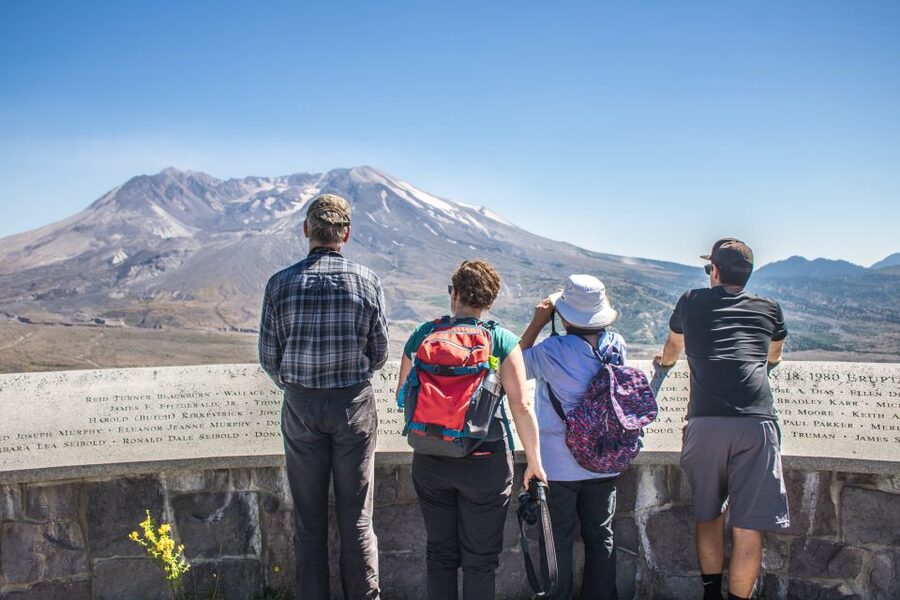
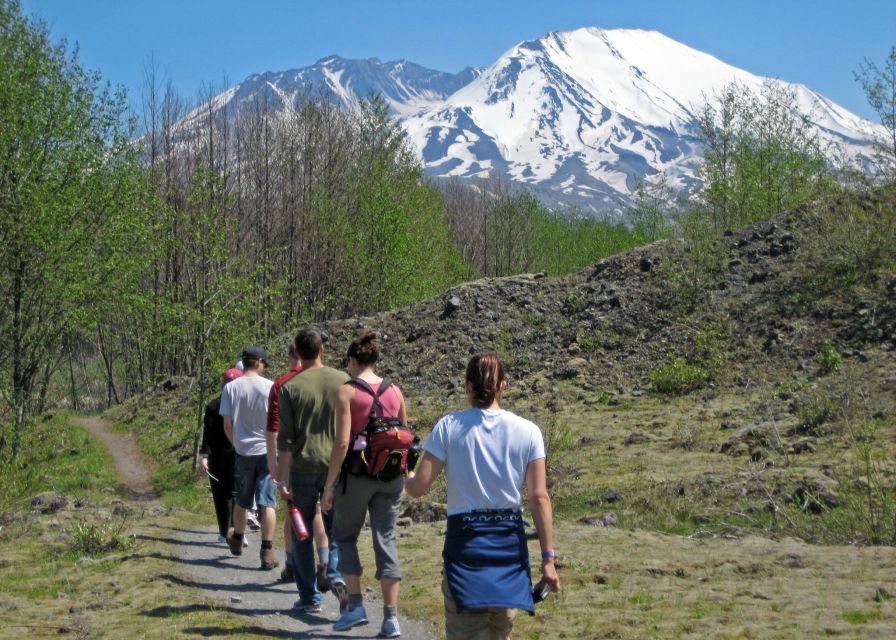
The central outdoor portion lasts about two hours and includes lunch, walking, and hiking near Mount St. Helens. The route may include a peaceful walk along the Hummocks Trail, where mounds of debris left by the eruption create unusual rolling ground.
The word hummocks refers to those irregular piles of earth and rock. They are a direct reminder of the landslide and debris flow that reshaped the area. This is not a polished city park path. You are walking through volcanic terrain where recovery is visible but incomplete.
The seasonal picnic is supplied by a local female-owned catering partner. It is served family-style and includes local ingredients. Coffee, tea, assorted snacks, flat water, mineralized water, and other refreshments are included through the day.
Food opinions can vary, and one past participant found the lunch less appealing from a European point of view, while others valued the homemade, local style. I would treat it as a generous picnic rather than a restaurant meal. If you have allergies or dietary restrictions, tell the operator at least 48 hours ahead.
You may see wildlife here, but the tour does not promise particular animals. The better reason to walk is the mix of geology and regrowth. Look for the pattern of young plants, open ground, and surviving areas. Your guide can explain what you are seeing instead of leaving you to guess.
Coldwater Lake and the current viewpoint plan
The biggest practical change concerns access to Johnston Ridge. A major mudslide on Spirit Lake Highway in May 2023 blocked the road about nine miles before Johnston Ridge Observatory. The blocked section affects access to the Johnston Ridge viewing area.
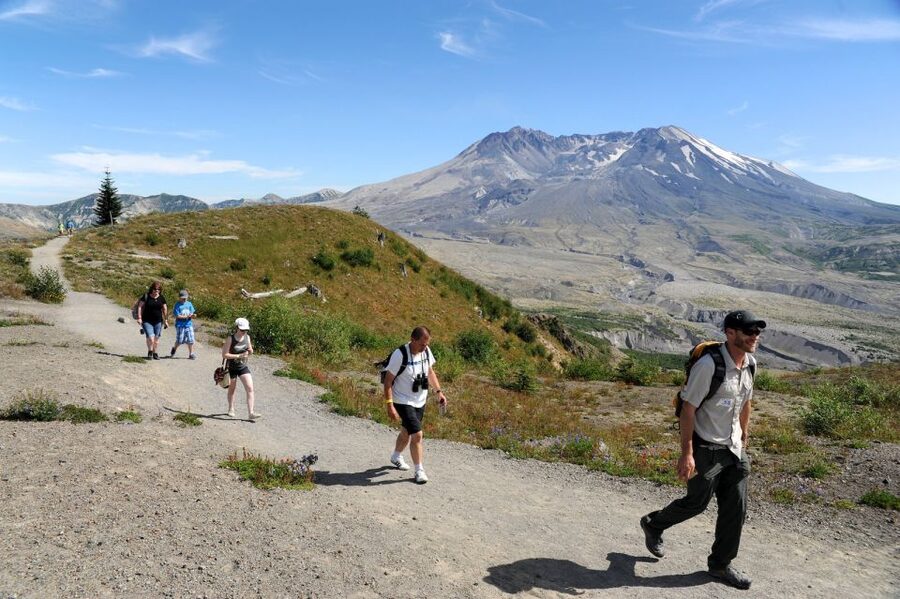
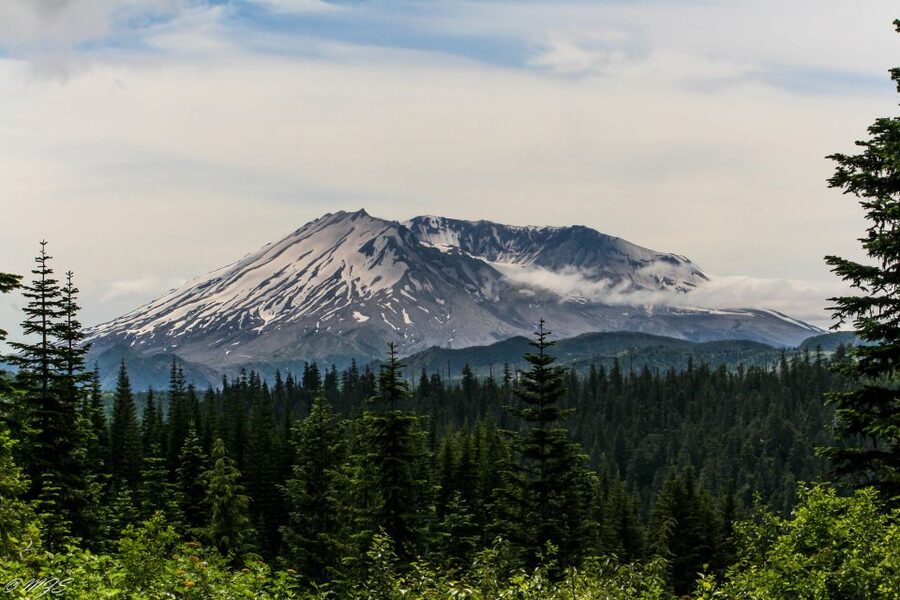
For the current season, public access is available at the Science and Learning Center at Coldwater, located on a ridge above Coldwater Lake. The center provides interpretive information, photographs, scenic views, and a chance to browse for a small gift.
This replacement matters because many people picture Mount St. Helens through the famous Johnston Ridge viewpoint. You should not book expecting that exact stop. Instead, expect a Coldwater-area visit with a similar type of elevated view and a direct look toward the crater when weather is clear.
Weather is a major factor. On a clear day, the view toward the crater can be the strongest visual moment of the trip. In cloud, rain, or low visibility, the mountain may be partly hidden. The tour operates rain or shine, so warm clothing and a rain layer make sense even in summer.
The Coldwater center also gives the day an indoor interpretive element. You can read about the eruption, take photos, and warm up if conditions are poor. If your main goal is a specific famous angle from Johnston Ridge, check current road access before booking and confirm the day’s plan with the operator.
The long ride back to Seattle
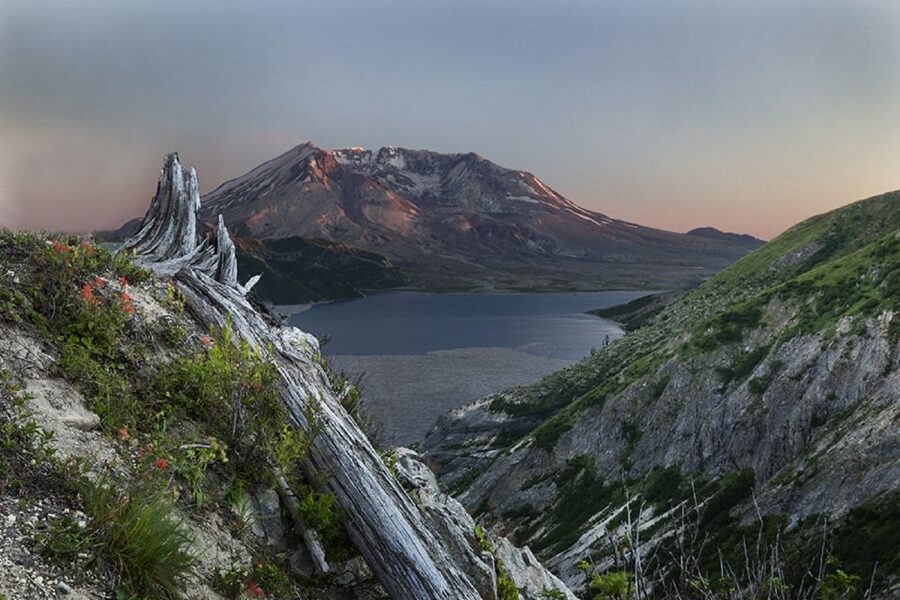
After the Coldwater stop, the van returns toward Seattle, with a short 15-minute viewpoint break along the way. The schedule allows about three hours of driving after the mountain area, so the return is not a minor detail.
You may be tired by then. The good news is that the small van, snacks, and included drinks make the ride easier. The guide can also help tie together the day’s themes, from wetlands and old forest to eruption debris and forest recovery.
I would not choose this trip if you dislike long road days. I would choose it if you want to see Mount St. Helens without renting a car, planning the route, paying separate entry fees, or trying to understand the area on your own.
What the $326 price really covers
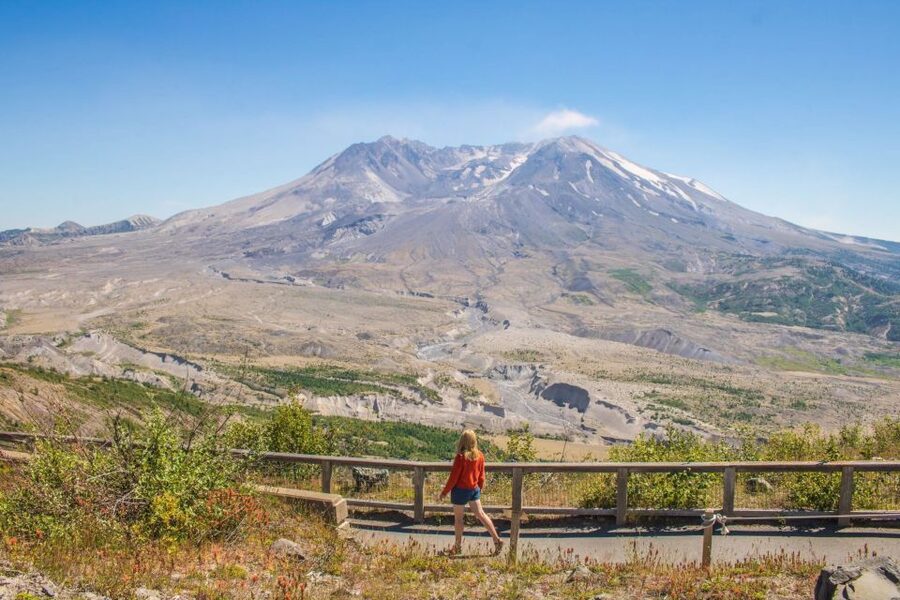
At $326 per person, this is not a budget bus outing. The price includes downtown hotel pickup and return, transportation, park entry fees, a naturalist guide, coffee or tea, snacks, drinks, lunch, and winter snowshoes when needed.
The real value is in the organization and the guide. You are paying for a small vehicle, a limited group, and a day built around several connected habitats rather than one overlook. A cheaper option might get you near the mountain, but it may not include the same level of personal attention, food, or interpretation.
The group limit of 10 is a strong point. You can hear the guide without a microphone, ask questions during walks, and avoid the mass-coach feeling. The tradeoff is that a small-group trip still cannot control weather, road access, or the amount of time available at each stop.
A gratuity for the guide is not included. Plan for that extra cost if the guide provides the level of care you value.
Who will enjoy this trip most
I would recommend this outing to adults and older children who enjoy nature, geology, local history, and short guided walks. Children must be at least 10 years old. You do not need to be an avid hiker, but you should be comfortable walking on outdoor paths and uneven volcanic ground.
This is also a good choice if you want the guide to handle the practical work. You do not need to navigate, arrange park entry, pack a full lunch, or build a route between Seattle and the monument.
It is less suitable for wheelchair users, since the tour includes outdoor walks and is not listed as wheelchair accessible. People with motion sickness, heart conditions, environmental allergies, or other relevant medical concerns should tell the operator in advance.
Bring comfortable shoes, warm clothing, a camera, and binoculars. Pets and drones are not allowed. Since the tour runs in all weather, do not judge your clothing only by the Seattle forecast.
FAQ
How long does the Mount St. Helens tour last?
The experience lasts about 12 hours, including pickup and return to downtown Seattle.
Where does pickup take place?
Pickup is available from downtown Seattle hotels, Airbnbs, and rentals. If you are outside the downtown area, you can meet at the local partner office or the Sheraton Grand Hotel at 1400 6th Avenue.
Is Johnston Ridge Observatory included?
Johnston Ridge is currently inaccessible because a mudslide blocks Spirit Lake Highway about nine miles before the observatory. The tour instead visits the Science and Learning Center at Coldwater, which offers ridge views and interpretive information.
Is lunch included?
Yes. The tour includes a seasonal picnic from a local female-owned catering partner, along with coffee or tea, snacks, and refreshments. Tell the operator about allergies or dietary restrictions at least 48 hours before departure.
How large is the group?
The group is limited to 10 participants and travels in a high-roof passenger van.
What should I bring?
Bring comfortable shoes, warm clothing, and, if you have them, binoculars and a camera. The tour operates rain or shine, and snowshoes are provided in winter if necessary.
Should you book the Mount St. Helens tour?
Book it if you want a well-organized, small-group day that explains the mountain instead of simply pointing at it. The best parts are the naturalist-led walks, the range of habitats, the included picnic, and the chance to see the recovery process up close.
Think twice if you want a short excursion, a guaranteed clear view, or the exact Johnston Ridge experience. The current Coldwater route is a sensible alternative, but road conditions and weather shape the day. At $326, the trip makes the most sense for you if personal guiding, included meals, and simple Seattle pickup are worth paying for.
Just added around the USA
- Volcanoes National Park: Guided, Small-Group Hike★ 5.0 · 15 reviews
- Evening Volcano Explorer from Hilo★ 4.5 · 67 reviews
- Fat Tire E-Bike Rental – Volcanoes National Park★ 4.5 · 26 reviews
- Evening Volcano Explorer Tour from Kona★ 4.5 · 24 reviews
- Big Island Waterfalls, Blacksand Beaches, Lava Tubes & Volcanoes★ 5.0 · 24 reviews
- Expert Led Private Guided Tour Hawaii Volcanoes National Park★ 5.0 · 5 reviews
- Best of Big Island: Volcanoes, Waterfall, Blacksand Beach & Lunch★ 5.0 · 14 reviews
- Big Island Private Tour Waipio Valley Volcanoes Waterfalls★ 5.0 · 4 reviews
Seattle Volcano Tours, compared.

Best of Mount Rainier National Park from Seattle: All-Inclusive Small-Group Tour
Read our review →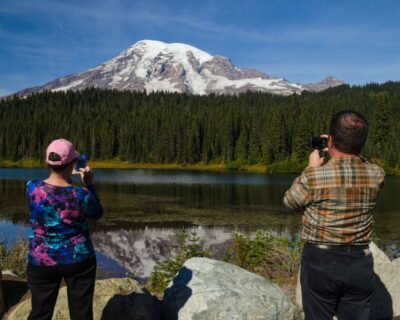
From Seattle: Mount Rainier National Park Guided Tour
Read our review →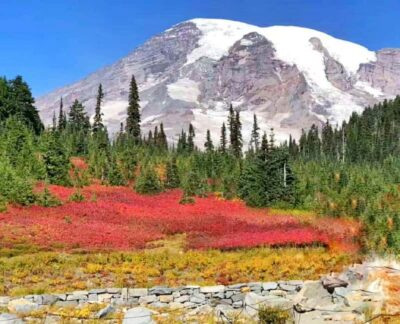
Mount Rainier National Park Day Tour from Seattle
Read our review →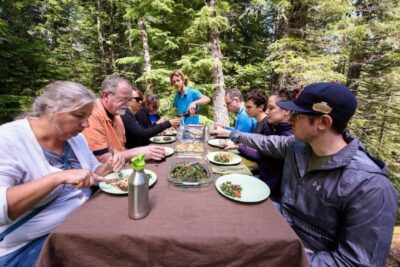
Seattle: Mount Rainier Park All-Inclusive Small Group Tour
Read our review →
From Seattle: Mount Rainier National Park 1-Day Tour
Read our review →Browse the lists this tour appears in