
REVIEW · TOKYO
Seasonal Mt. Fuji Scenic Views, Fruit Picking and Ropeway!
The best part of this day trip is its mix of Mt. Fuji views and hands-on fruit picking. You ride the Kawaguchiko Ropeway above Lake Kawaguchi, then taste produce at a Yamanashi orchard. It gives you more than a quick mountain photo stop.
I like the seasonal design, since the sights change from spring blossoms and summer lavender to autumn leaves and winter calm. I also like the practical value: an air-conditioned bus, English-speaking guide, ropeway ticket, orchard admission, Wi-Fi, and lunch if you select that option are bundled into the $90 price. The main drawback is simple: cloud, fog, rain, or humidity may hide Mt. Fuji, and there is no refund for weather or route changes.
Key points at a glance
- Ride above Lake Kawaguchi: The Mt. Fuji Panoramic Ropeway gives you a 360-degree view of the lake, mountain, and surrounding area.
- Pick fruit in its proper season: Strawberries run from late December into early May, followed by cherries, peaches, and grapes.
- See a different Fuji season: Your stops can include lavender, cherry blossoms, moss phlox, autumn leaves, a traditional village, or the 5th Station.
- Eat Yamanashi’s local specialty: The included lunch option features thick houtou noodles, pork, and fresh seasonal vegetables.
- Start and finish in Shinjuku: The central meeting point is useful, but hotel pickup and drop-off are not provided.
- Weather shapes the day: The itinerary can change, and Fuji may not appear at all on a poor-weather day.
Why this Mt. Fuji day trip works
A Tokyo to Mt. Fuji day trip often faces a practical problem: the mountain is not one attraction with one entrance. The scenic spots are spread around Yamanashi, and getting between them can be awkward by train and local bus.
This tour handles that problem with a dedicated coach. You leave from the Shinjuku area, spend the day around Lake Kawaguchi and nearby Yamanashi sights, then return to the same meeting area. That saves you from piecing together several transport connections.
The route also has a pleasant balance. You are not asked to spend the entire day staring at a distant peak. The fruit orchard gives you something to do with your hands, the ropeway provides a high viewpoint, and the seasonal stops add color and local character.
At $90 per person, the value depends partly on whether you choose lunch. The price includes the bus, guide, Wi-Fi, ropeway gondola ticket, and orchard admission. Add the cost of arranging transport to Fuji country yourself, plus the ropeway and fruit experience, and the package is sensible for a first visit.
The tour is less appealing if you want a quiet, flexible day with long stops. This is a scheduled group outing with a minimum of 10 passengers, so you will follow the guide’s timing. The convenience is the point.
More Mount Fuji Tours in Tokyo:
- Mt Fuji and Hakone 1-Day Bus Tour Return by Bullet Train
★ 5.0 · 26,383 reviews - Mt Fuji & Hakone Cruise, Drum Show Bullet Train 1 Day from Tokyo
★ 4.0 · 7,413 reviews - Tokyo Mt Fuji 5th St & Hakone Cruise Bus Tour w/Bullet Train
★ 4.4 · 5,024 reviews
Leaving Shinjuku for Yamanashi
The meeting point is in the Shinjuku area. From JR Shinjuku Station’s West Exit, allow about 10 minutes on foot. From Nishi-Shinjuku Station on the Tokyo Metro Marunouchi Line, Exit E7 is about three minutes away.
Look for the guide holding the blue HIS logo flag or a meeting board. Since hotel pickup is not included, give yourself enough time to reach the meeting point. A central departure is handy, but it means the first part of your morning is your responsibility.
The coach is air-conditioned and has Wi-Fi service. That matters on a full-day road trip, especially when traffic slows the journey. The bus company listed for the tour is Yamato Kanko, and an English-speaking guide accompanies the group.
One small detail is worth noting: this tour is intended only for international tourists. Children from birth through age two may join free, but they do not receive a bus seat or lunch unless booked at the child rate.
The changing seasonal itinerary
The tour is built around the idea that Mt. Fuji looks different throughout the year. The exact sights depend on the season, and the schedule has also been adjusted for departures from May 25, 2025, to allow more time at each destination.
For departures through May 10, the original itinerary visits Oishi Park and Mt. Fuji. There is a stated gap between May 10 and May 25, so check the departure details carefully if your date falls near that change.
Here is what the seasonal pattern means in practical terms:
- Late December through March: You may visit Saiko Iyashi no Sato, a traditional-style village known as the Healing Village. This is the quieter winter version of the tour, with a more subdued setting and views toward Mt. Fuji.
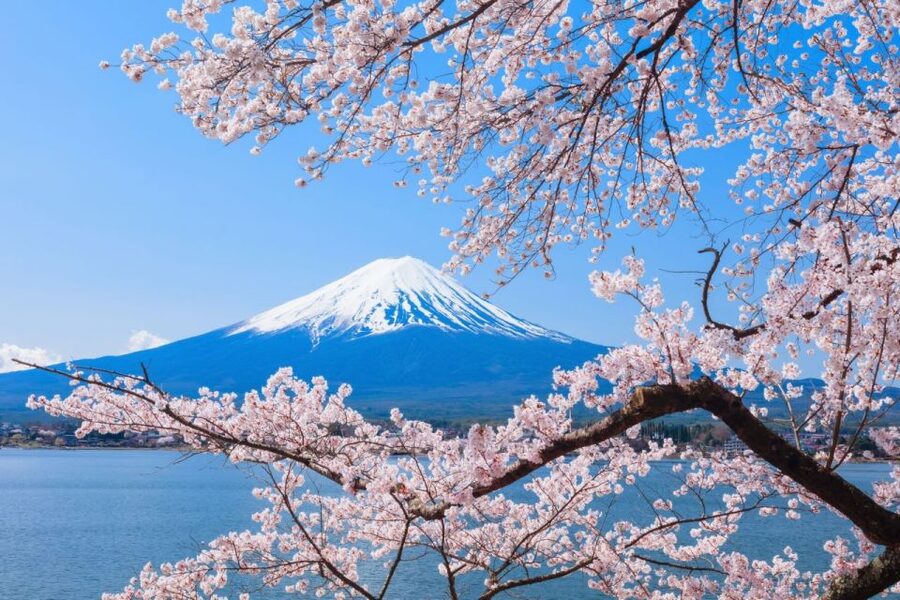
- April: Cherry blossoms around Kawaguchiko become the main seasonal draw. Bloom dates can vary, so do not treat April as a guarantee of full flowers.
- Late April through late May: The Fuji Shibazakura Festival at Motosu Lake Resort brings beds of pink moss phlox into the itinerary. This is a strong choice if you want flowers and Fuji in the same frame.
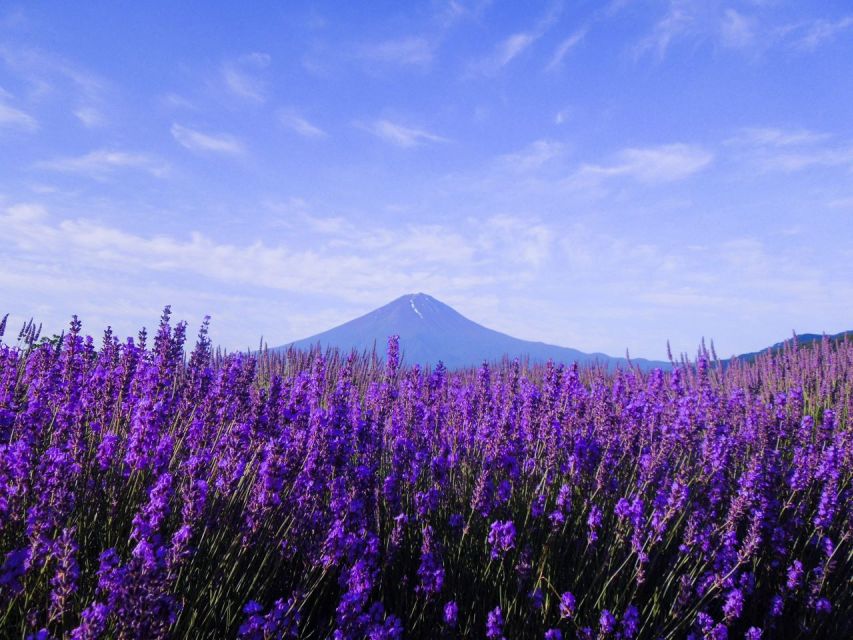
- June and July: Oishi Park’s lavender fields provide a fragrant summer stop with Mt. Fuji behind them.
- Late summer, August through September: The route may go to Mt. Fuji’s 5th Station, bringing you closer to the mountain and offering broad views from a higher point.
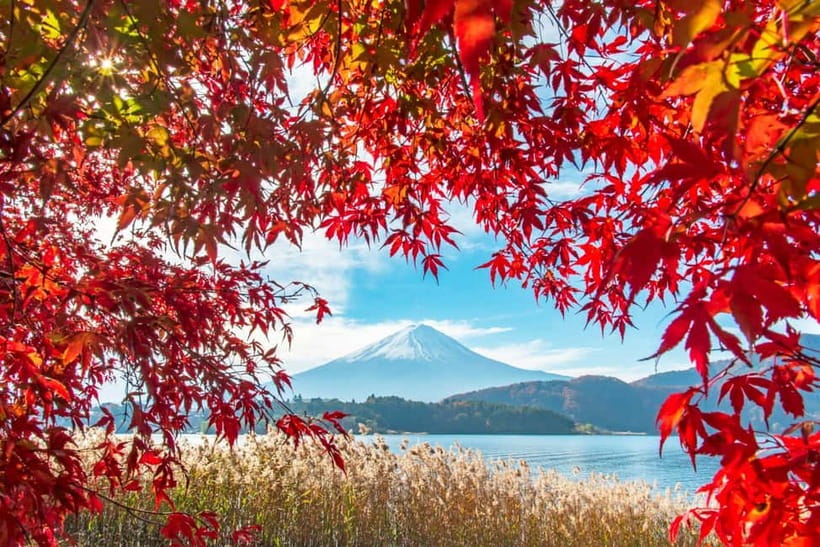
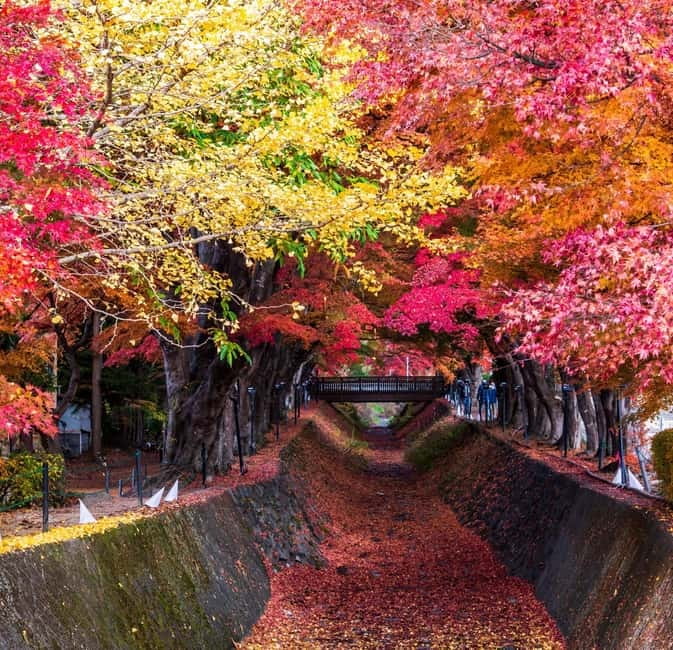
- October and November: Oishi Park or the Momiji Corridor, also called Maple Leaf Tunnel, supplies the autumn color.
- Winter: The area becomes quieter, but visibility can still be affected by clouds and fog.
This seasonal approach is useful because it gives you a reason to visit outside the classic cherry blossom period. It also means the same tour can feel quite different depending on your travel date.
Fruit picking in Yamanashi
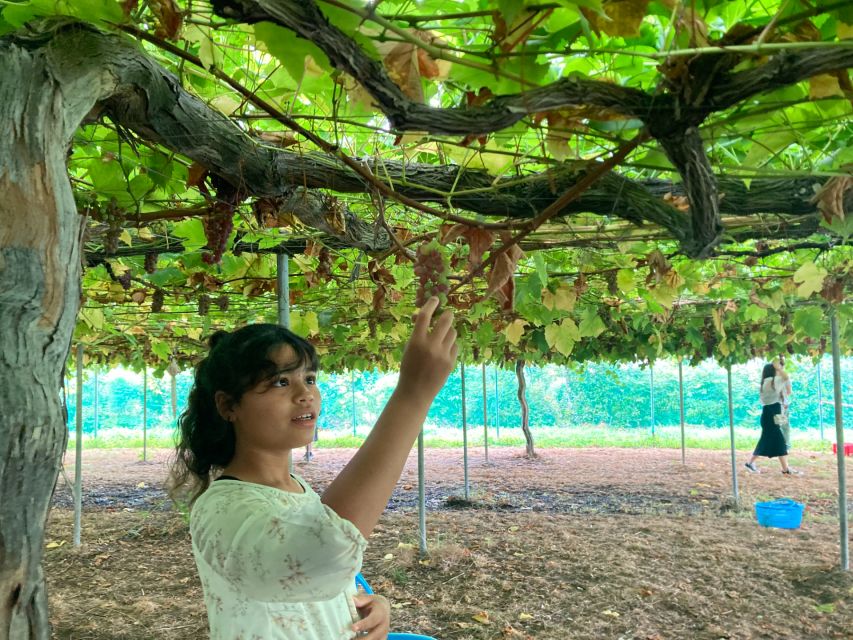
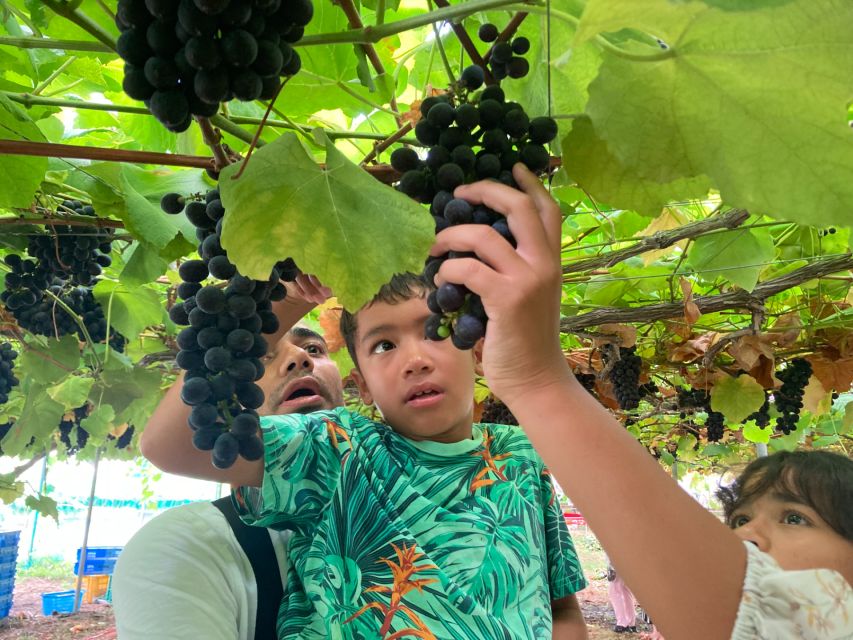
The orchard visit is more than a quick tasting stop. You receive orchard admission and pick seasonal fruit yourself, which gives the day a local food angle rather than making it only a sightseeing circuit.
The fruit calendar is the key:
- Late December to early May: sweet strawberries
- June: Japanese cherries
- July: sweet peaches
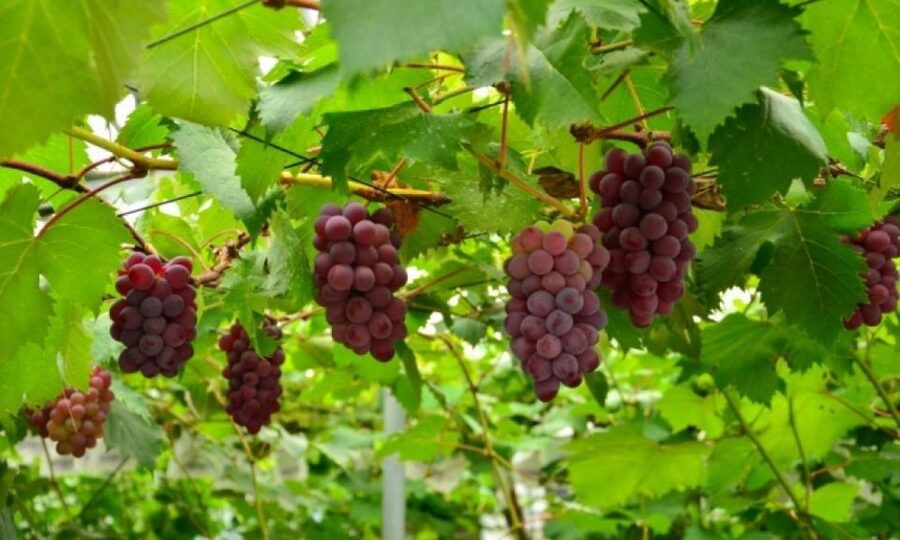
- August through late November: various grapes
- In some seasons: apples or oranges may also be available
The wording matters here. Fruit timing follows the crop, not a fixed promise that every fruit will be ready on a particular day. If strawberries are your priority, late winter and early spring are the useful months. If you want peaches, look to July. For grapes, plan from August through late November.
Wear comfortable shoes. You will be walking at the orchard, and the tour includes several outdoor stops. Drinks are not included, so bring money or water for the day.
Fruit picking is also a good counterweight to the mountain viewpoints. Even if clouds cover Fuji, you still have an activity that does not rely entirely on visibility. That makes this a smarter choice than a tour built around one photo stop.
Same volcano country, a different day out:
- From Tokyo: Mount Fuji Full-Day Sightseeing Trip
★ 4.5 · 4,970 reviews - Tokyo: Mt. Fuji Tour, Hakone Ropeway, Owakudani, Lake Ashi
★ 4.7 · 4,002 reviews - Tokyo:Mt.Fuji,Kawaguchiko Oishi Park,Arakurayama Sengen Park
★ 4.4 · 2,682 reviews - Mt Fuji Top 5 Spots Day Tour: Arakurayama Park,Oshino Hakkai
★ 4.7 · 2,066 reviews
Riding the Kawaguchiko Ropeway
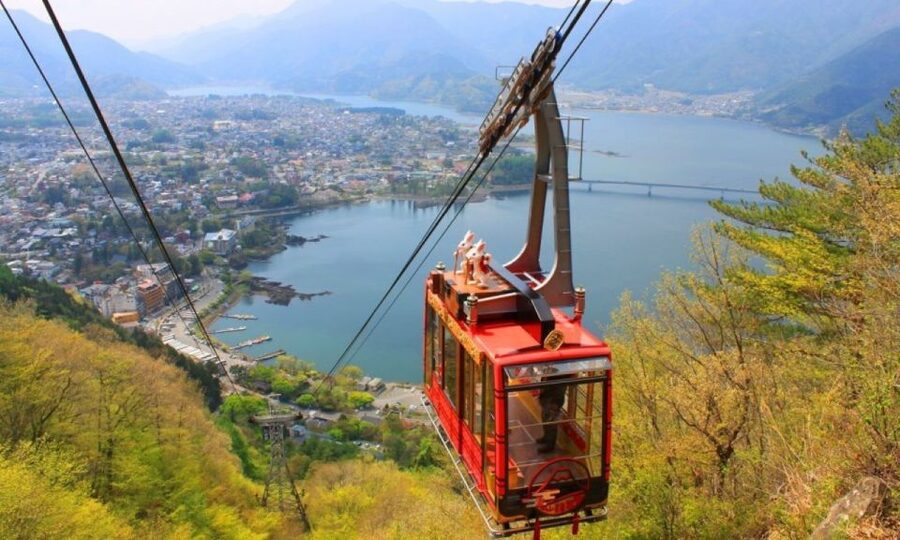
The Mt. Fuji Panoramic Ropeway is the centerpiece. The gondola climbs above Lake Kawaguchi, giving you a 360-degree view of the water, Mt. Fuji, and the surrounding area.
From the ground, Lake Kawaguchi can feel like a wide, spread-out setting. From the ropeway, the relationship between lake, mountain, and shore becomes easier to understand. On a clear day, this is the tour’s strongest photo opportunity.
The ropeway ticket is included, so you do not need to budget separately for the ride. If the ropeway cannot operate, the tour redirects to either the Fuji Visitor Center or Oshino Hakkai. That is a reasonable safety plan, but the alternatives are not the same experience. If the gondola is the main reason you book, remember that weather and operations control access.
High humidity, heavy rain, or fog may also block Mt. Fuji even when the ropeway is running. You should see the ropeway as a viewpoint, not a guarantee of a clear mountain.
A useful attitude is to value the lake and changing countryside as well as the peak. Fuji is famously shy. The tour can still work on a cloudy day, but you should not book it expecting a guaranteed postcard.
Lunch with Yamanashi houtou noodles
The lunch option features Yamanashi’s thick houtou noodles, pork, and fresh seasonal vegetables. Houtou is a local comfort dish, and its broad noodles make it feel different from the ramen, soba, and udon you may already have tried in Tokyo.
Lunch is included only if you select that option, so check your booking carefully. Drinks are not included. If you request a Muslim-friendly meal, the menu can be adjusted, but the request should be made when booking rather than left until the day itself.
This meal adds value because it connects the route to the region. You are not simply carrying a familiar Tokyo lunch into the countryside. You get a Yamanashi specialty as part of the day’s structure.
Still, do not expect a long restaurant visit. On a group day trip, lunch fits the schedule and supports the sightseeing rather than becoming a separate culinary event.
What the guide adds
An English-speaking guide leads the day and handles the timing, meeting points, and route changes. That is useful when the itinerary shifts with the season or when a planned stop is affected by weather.
One particularly positive detail comes from a departure led by Christy. Christy was described as accommodating, and the guide and driver adjusted to the group’s eagerness to see the mountain by finding a better roadside stopping point. That tells you something practical about the best possible version of this tour: a responsive guide and driver can make a real difference when Fuji briefly appears between clouds.
You should not assume every departure will have the same guide or the same stop. The guide’s job is to follow the schedule, and no roadside viewpoint can be guaranteed. Still, the presence of a guide gives you a better chance of understanding where you are and making the most of a short weather window.
The $90 price and what it really covers
The $90 fare is fair for a full-day organized trip from Tokyo, especially if you want the ropeway and fruit picking without arranging them separately.
Included items are:
- Air-conditioned bus transportation
- Mt. Fuji Panoramic Ropeway gondola ticket
- Orchard admission for fruit picking
- English-speaking guide
- Wi-Fi service
- Lunch, if you select the lunch option
Not included are drinks, hotel pickup, and hotel drop-off. You will need to reach Shinjuku on your own and return there at the end.
The strongest value comes from the combination of transport and admissions. Independent travel may give you more freedom, but it can also require several tickets, route planning, and careful timing. This tour trades flexibility for a smoother day.
The weaker value appears if your main goal is a guaranteed clear view of Fuji. No tour can control the weather, and the policy does not offer refunds for poor visibility or schedule changes made by the guide or staff.
Who should book this experience
I would choose this tour if you are staying in Tokyo and want a straightforward first look at Mt. Fuji country. It suits you especially well if you like combining scenery with food, or if you would rather let someone else handle regional transport.
Families may appreciate the bus and the fruit orchard, though younger children need the correct booking if they require a seat or lunch. Photographers should select their date with care: lavender, moss phlox, autumn leaves, and fruit each have their own season.
This is also a good fit for visitors with only one open day. You will see several types of attraction without having to learn the local bus system.
I would think twice if you want to hike, linger at one village, or plan your own stops. You will have a set route and group timing. I would also avoid making this your only Fuji plan if seeing the peak is your absolute priority, since cloud and fog can defeat the view.
Should you book the Mt. Fuji fruit-picking tour?
Book it if you want a well-organized day that combines a ropeway, seasonal scenery, local lunch, and hands-on fruit picking for one price. The itinerary gives you several ways to enjoy the region, even if the mountain disappears.
Choose your travel month based on your favorite seasonal sight, not simply the hope of seeing Fuji. Pick strawberries in winter and early spring, cherries in June, peaches in July, grapes from August through November, lavender in summer, and autumn leaves in October and November.
Skip it if you need a guaranteed mountain view or a highly flexible schedule. For most first-time visitors based in Tokyo, though, the transport, admissions, guide, and range of stops make $90 a practical way to reach Yamanashi without fuss.
FAQ
Where does the tour start?
The tour starts in the Shinjuku area. The guide holds a blue HIS logo flag or HIS logo meeting board at the meeting point.
How do I reach the meeting point from JR Shinjuku Station?
Walk from the West Exit of JR Shinjuku Station. The walk takes about 10 minutes.
How do I reach the meeting point from Nishi-Shinjuku Station?
From Tokyo Metro Marunouchi Line Nishi-Shinjuku Station, Exit E7 is about three minutes away.
Does the tour provide hotel pickup and drop-off?
No. Hotel pickup and drop-off are not included. The activity ends back at the meeting point.
What fruit can I pick?
The schedule lists strawberries from late December through early May, Japanese cherries in June, peaches in July, and various grapes from August through late November. Apples or oranges may also be available depending on the season.
Is lunch included?
Lunch is included if you select the lunch option. The meal includes Yamanashi houtou noodles, pork, and fresh seasonal vegetables.
Can I request a Muslim-friendly meal?
Yes. The menu can be adjusted for a Muslim-friendly meal if you make the request.
What happens if the ropeway does not operate?
The tour will redirect to either the Fuji Visitor Center or Oshino Hakkai.
Can I see Mt. Fuji in any weather?
No. High humidity, heavy rain, and fog may prevent you from seeing the mountain.
Are infants and toddlers allowed on the bus?
Children from birth through age two may join free of charge, but they are not provided with a bus seat or lunch. Book under the child rate if you need either one.
Just added around Tokyo
- Tokyo/Yokohama: Mt. Fuji and Hakone Private Day Tour★ 5.0 · 64 reviews
- Tokyo:Mt Fuji & Hakone Day Tour with English Speaking Driver★ 5.0 · 26 reviews
- Tokyo:Customizable Private Day Trip to Mt.Fuji & Safari Park★ 4.8 · 6 reviews
- Tokyo:Fuji-Kawagu Cable Car (Ticket Inc.) Shinkurayama&Panos★ 3.9 · 7 reviews
- Tokyo: Private Day Trip to Mount Fuji and Hakone★ 4.9 · 8 reviews
- Tokyo to Mount Fuji and Hakone: Private Full-Day Tour★ 3.7 · 5 reviews
- Tokyo: Private Mount Fuji Tour with Pickup and Drop-Off★ 4.7 · 69 reviews
- Tokyo: Private Mount Fuji Day Trip with Private Guide★ 3.5 · 5 reviews
Tokyo Volcano Tours, compared.
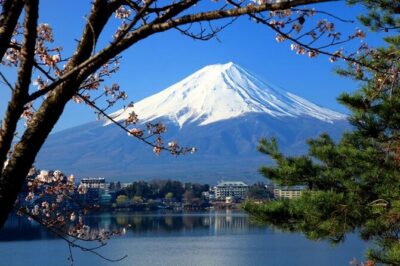
Mt Fuji and Hakone 1-Day Bus Tour Return by Bullet Train
Read our review →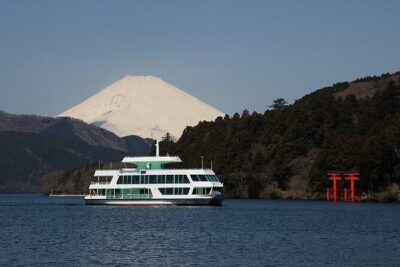
Mt Fuji & Hakone Cruise, Drum Show Bullet Train 1 Day from Tokyo
Read our review →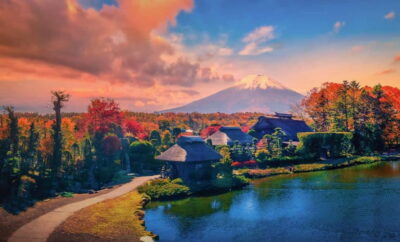
From Tokyo: Mount Fuji Full-Day Sightseeing Trip
Read our review →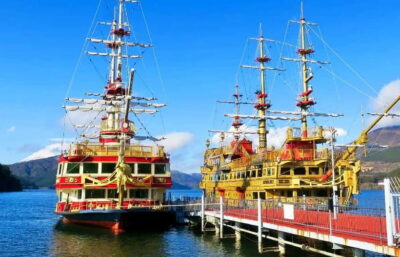
Tokyo: Mt. Fuji Tour, Hakone Ropeway, Owakudani, Lake Ashi
Read our review →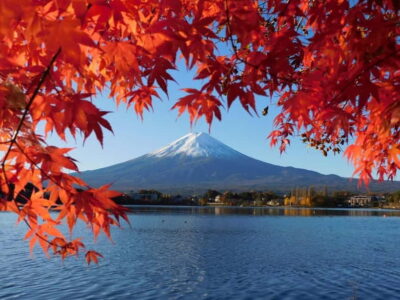
Tokyo:Mt.Fuji,Kawaguchiko Oishi Park,Arakurayama Sengen Park
Read our review →
Private Tour to Mt. Fuji and Hakone (Fully Licenced Operator)
Read our review →
Mount Fuji Full-Day Private Tour from Tokyo (Customizable)
Read our review →
Mt Fuji & Hakone Cruise, Drum Show Bus 1 Day from Tokyo
Read our review →Browse the lists this tour appears in