
REVIEW · NEW ZEALAND
Rotorua: The Buried Village of Te Wairoa
In 1886, Mt. Tarawera erupted and buried Te Wairoa, a Māori and missionary settlement near Rotorua. The same eruption destroyed New Zealand’s famous Pink and White Terraces. Today, you can walk through the excavated remains, see objects pulled from the ash, and follow the stream to a waterfall that feels almost too peaceful for such a violent site.
I like the way the museum gives you the human story first, before you walk among the ruins. I also like the waterfall trail, which turns this from a museum visit into a proper outdoor outing. The main drawback is that the lower route to Te Wairoa Falls includes steep steps, so the most scenic part may be harder for some visitors.
Key things to know before you go
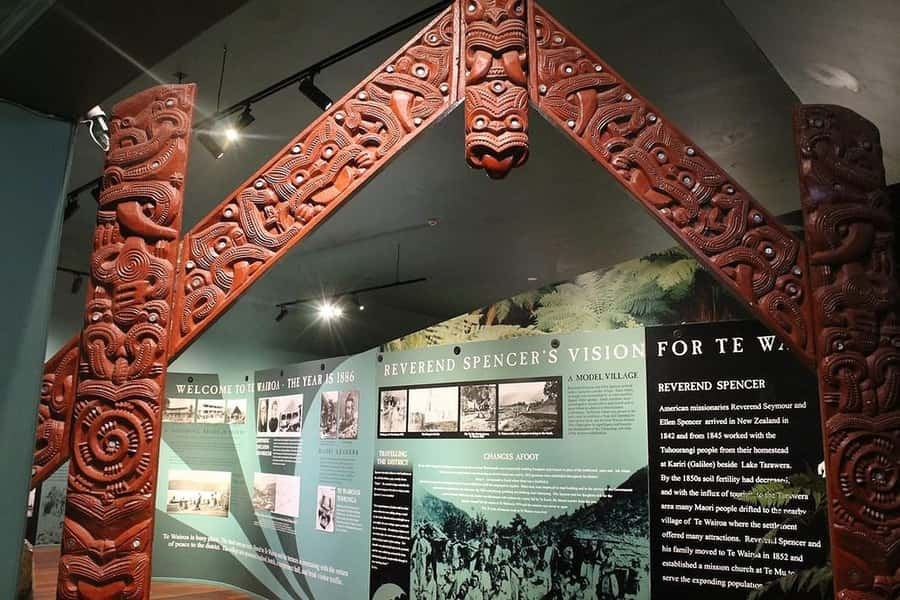
- The eruption story comes first: Begin in the award-winning museum, where excavated objects and displays explain what Te Wairoa was like before the disaster.
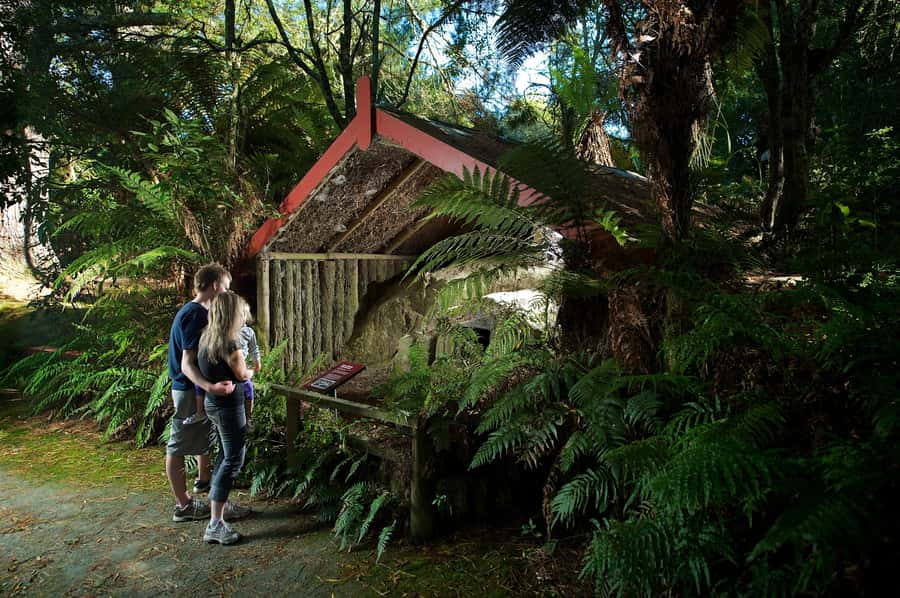
- The ruins are spread through green grounds: You walk past house sites and archaeological remains rather than entering one large preserved building.
- The waterfall is worth the extra effort: Te Wairoa Falls is reached by a short but steep route with steps, and the viewpoint can be especially dramatic after rain.
- You can choose your level of guidance: Use the English audio guide, follow the signs, or join scheduled talks and living-history presentations.
- Allow at least 90 minutes: Add more time for the café, gift shop, Victorian clothing photos, or a slower waterfall walk.
- It costs $14 per person: With museum entry, archaeological grounds, and the waterfall trail included, the price is fair for a half-day stop near Rotorua.
Why Te Wairoa matters beyond the ruins
The Buried Village is not simply a collection of old foundations. It shows how quickly a settlement can disappear, and how archaeology can recover ordinary details from a catastrophe.
Before the eruption, Te Wairoa served Māori residents and missionaries and sat near the route used by people visiting the Pink and White Terraces. On the night of June 10, 1886, Mt. Tarawera erupted. Ash, mud, and volcanic debris covered the village, killing people and wiping away the terraces that had drawn visitors from around the world.
The museum helps you picture the village before you see the remains. That order matters. If you start outdoors without context, you may see low walls, earth mounds, and scattered foundations without knowing what they mean. Inside, the excavated objects make the later walk easier to read.
This is also a place where the Māori story should not be treated as a footnote. The site connects volcanic destruction with the lives, work, beliefs, and losses of the people who lived there. Guides and displays add local perspective, and the long care of the Smith family has helped preserve and explain the site for nearly 90 years.
More Geothermal Parks and Geysers in New Zealand:
- Rotorua Canopy Tours: 2.5Hour Native Forest Zipline Adventure
★ 5.0 · 4,563 reviews - Rotorua: Wai-O-Tapu Geothermal Park Entry Ticket
★ 4.6 · 2,601 reviews - Rotorua’s Ultimate Zipline: 6 ziplines, 400 m Tandem, Cliff Walk
★ 5.0 · 2,557 reviews
Start inside the Museum of Te Wairoa
The museum is the best first stop. Give it time instead of rushing through to the outdoor trail.
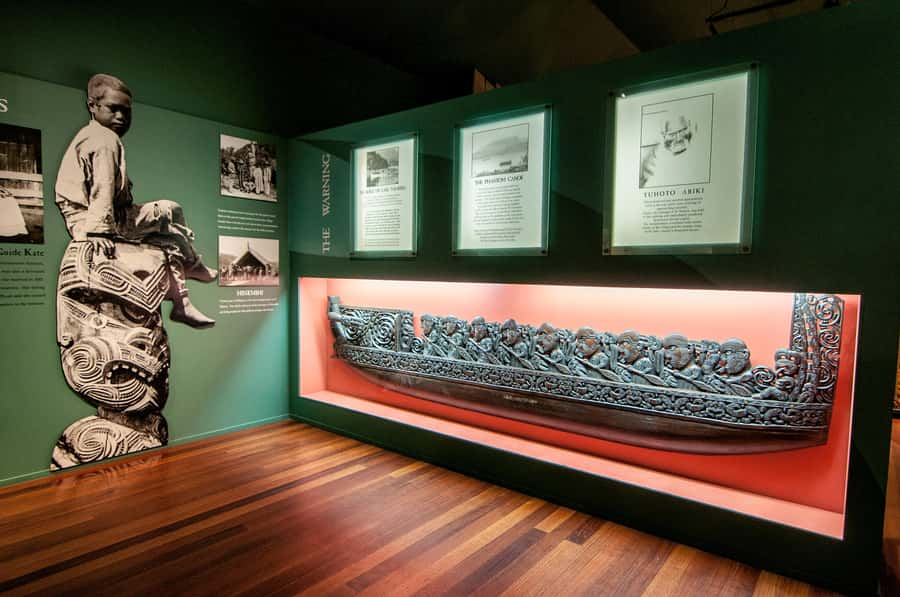
Its collection includes objects excavated from the buried settlement, dating from the 1800s. These small, practical items do much of the storytelling. They help you understand that Te Wairoa was a working village, not a theatrical set built for tourists.
The displays explain what happened during the eruption and show the effect on the settlement. You gain a clearer sense of the confusion and danger of that night before standing among the remains outside.
The museum is indoors and can feel chilly, especially on a cool day. Bring a layer even if Rotorua looks sunny. One useful pattern for your visit is museum first, outdoor walk second, then café time. That lets you warm up or cool down at the right point.
You can use the included English audio guide, follow written signs, or listen to a talk scheduled during the day. The activity also lists English, German, and Māori for hosts or greeters, while the audio guide is in English.
An optional virtual reality experience may cost a little extra. The VR presentation has been praised as a worthwhile addition, particularly if you want a stronger sense of the eruption and the village before the disaster. It is not necessary for a good visit, but it may suit you if museum interpretation and visual storytelling are a major reason for coming.
Walk through the buried settlement
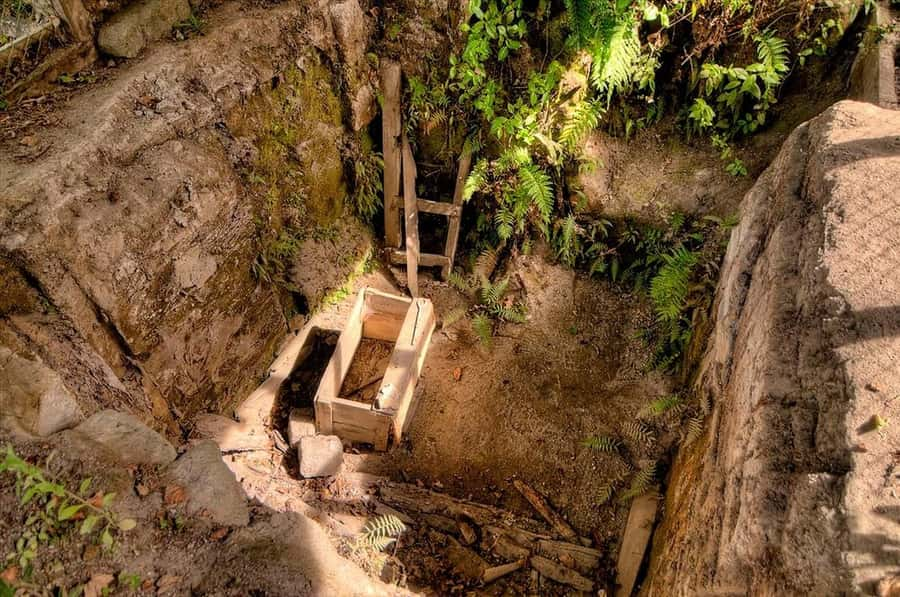
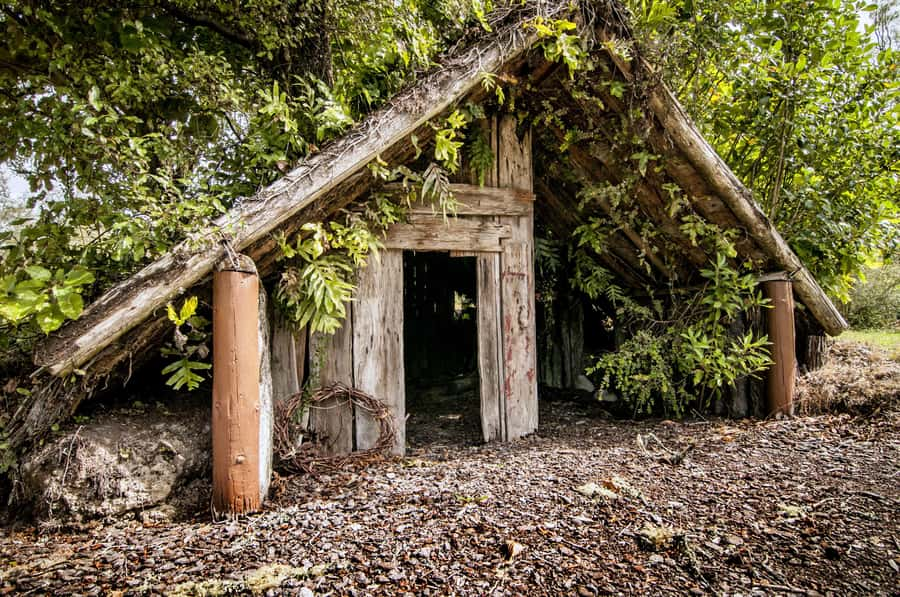
After the museum, follow the marked route through the archaeological area. The walk is not a long, demanding hike. It is a gentle outdoor circuit with interpretive signs, but you should wear comfortable shoes because the ground and steps can vary.
The remains are best understood as part of a wider scene. You pass the outlines and traces of buildings, then connect them with the objects and maps you saw indoors. The village is quiet, green, and attractive today, which creates a strange contrast with the destruction that took place here.
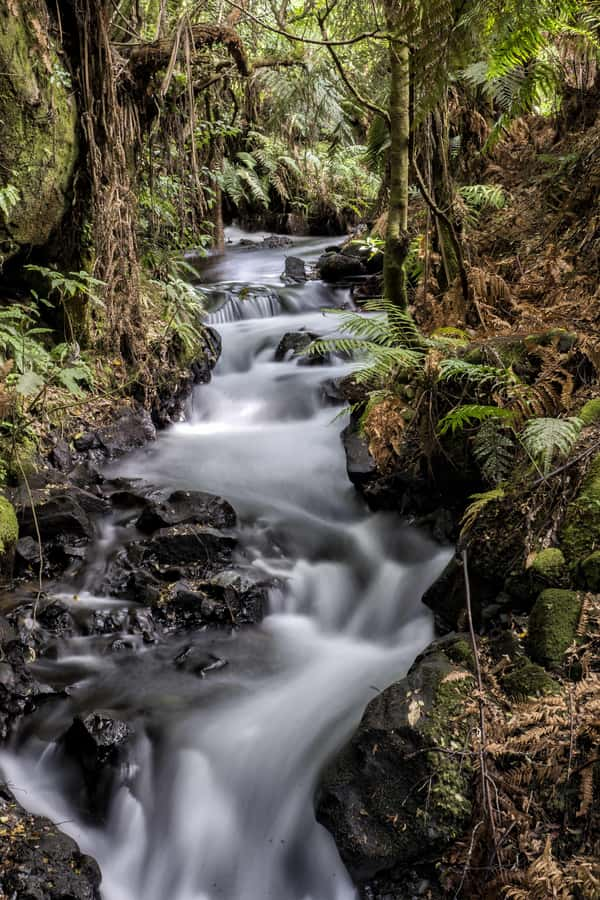
That contrast is one of the site’s strengths. The land has recovered, and native plants now soften the edges of the ruins. You can look at a peaceful stream and trees while thinking about ash, darkness, and people trying to survive an eruption. The setting does not turn the disaster into entertainment. It gives you space to consider it.
Some signs may feel a little basic. If you want every detail explained, choose a guided talk or use the audio tour rather than relying only on the plaques. A local guide can explain the site in a more connected way, and the costumed living-history talks add atmosphere without replacing the archaeological evidence.
A guide named Marie has been identified as a third-generation guide connected with Sophia, one of the site’s well-known historic figures. If your visit lines up with Marie’s presentation, listen closely. The personal link adds a useful sense of continuity to a place that could otherwise feel like a detached museum display.
Take the trail to Te Wairoa Falls
The waterfall trail is the part I would not skip unless the steps are a real problem for you.
The route follows the stream through native plant growth and leads to Te Wairoa Falls. The lower section includes stairs and can take roughly 10 to 15 minutes, depending on your pace and stops. It is not a major hike, but the descent and return climb make it more demanding than the village path.
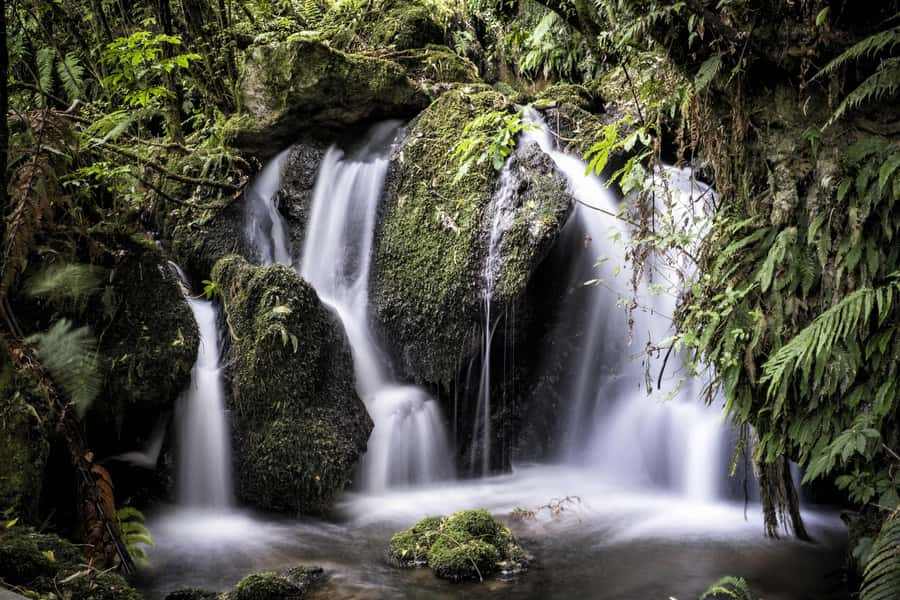
The reward is the waterfall itself. You can stand in the mist near the falls, and the view is especially strong after heavy rain. Recent rainfall can make the water much more dramatic, though wet conditions may also make the steps and path less comfortable.
This walk adds a second mood to the visit. The museum and ruins focus on loss and survival. The waterfall trail shows land recovering after destruction. You learn about native plants and animals along the way, then reach a natural feature that feels entirely different from the archaeological grounds.
Take your time on the return. Many people hurry downhill because the falls are close, then discover that the climb back requires more effort. Comfortable shoes are specifically recommended, and that advice is worth following.
The site is wheelchair accessible, but the waterfall section includes steep stairs. Accessibility for the main facilities and parts of the grounds does not mean every point on the trail is suitable for every visitor. If the falls are important to you, ask staff about current access conditions before setting out.
A few more volcano tours around New Zealand worth a look
- Rotorua Rafting: Kaituna River White Water Rafting & Free Sauna
★ 5.0 · 1,952 reviews - Mitai Maori Village Cultural Experience in Rotorua
★ 4.5 · 1,294 reviews - Rafting Rotorua: Kaituna River White Water Experience
★ 4.9 · 1,274 reviews - Rotorua: Te Pa Tu Māori Cultural Experience with Dinner
★ 4.8 · 1,193 reviews
Smith & Co gives you a proper pause
Smith & Co, the onsite café, is a useful part of the visit rather than a last-minute extra. You can stop for scones with whipped cream and jam, Devonshire tea, coffee, hot chocolate, or one of New Zealand’s much-loved pastry pies.
The café gives you a place to sit after the outdoor walk, especially on a cool or wet day. A fresh scone and tea fit the setting better than a rushed snack from a petrol station, and the café helps turn the stop into a comfortable half-day outing.
You can also dress in Victorian-style clothing and take an old-fashioned photo. This is a lighter activity than the museum, but it can work well for families and adds a playful break after the serious subject matter.
The gift shop is another short stop. It offers mementos connected with the site and Rotorua. I would leave it until the end, since the museum and grounds deserve your full attention first.
How long to allow at the Buried Village
The official advice is to spend at least one and a half hours here. That is enough for a quick museum visit, the archaeological walk, and the waterfall trail if you keep moving.
I would allow two to three hours if you want the place to feel unhurried. That gives you time to:
- Watch or listen to a presentation
- Read the museum displays
- Walk the village grounds slowly
- Take the falls trail
- Stop at Smith & Co
- Look around the gift shop
- Try the Victorian clothing photo
The site is only about a 15-minute drive from Rotorua, making it easy to fit into a day that also includes other local attractions. You need to arrange your own transport because hotel pickup and drop-off are not included. The meeting point is 1180 Tarawera Road, Rotorua 3076.
One practical note: the activity is described as valid for one day, with start times based on availability. You can reserve and pay later, and cancellation is free up to 24 hours before the visit. Those terms are useful if Rotorua weather is unsettled, especially since the waterfall is more impressive after rain but the trail can be less pleasant.
Is $14 good value?
At $14 per person, this is a strong-value Rotorua stop. Your ticket includes the Buried Village grounds, Museum of Te Wairoa, archaeological walk, and Te Wairoa Falls trail.
The price works because the visit has three distinct parts. The museum supplies the historical setting, the village walk lets you see the archaeological evidence, and the waterfall provides a natural finish. You are not paying only for a short indoor display.
Food, drinks, and any optional VR experience cost extra. That keeps the basic entry price reasonable, since you can choose how much more to spend once inside. A café stop will add comfort, but it is not required to enjoy the site.
The value is best for people who want history with some walking. If you only want a quick scenic viewpoint, this may feel like more information than you need. If you enjoy archaeology, Māori and local history, volcanic events, or quiet nature trails, the admission fee covers a satisfying amount.
Who will enjoy this visit most?
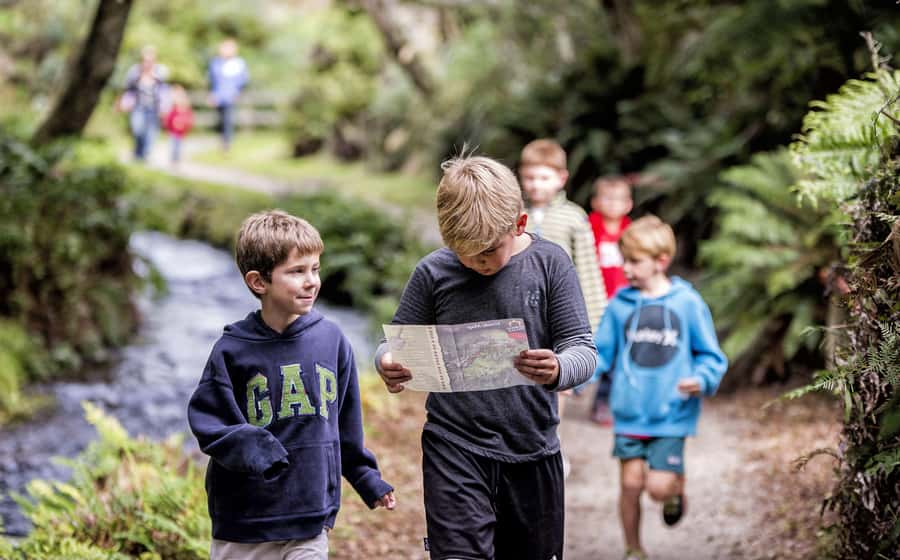
This experience suits families, solo visitors, couples, and anyone who likes a self-guided outing with optional help. A family clue scavenger hunt may be available through the museum and park areas, giving children a reason to look closely at the displays rather than simply following adults from sign to sign.
It also works well for visitors who prefer to set their own pace. You can use the audio guide, read the signs, join a talk, or mix all three. That flexibility is helpful because the subject matter is serious, while the grounds and café allow for a more relaxed rhythm.
History fans will get the most from the museum and archaeological remains. Nature lovers may remember the waterfall and rainforest-style track as the best part. You do not need to choose between the two, since the route combines them in one visit.
The site is less suitable if you have very limited time in Rotorua or cannot manage steps on the waterfall trail. The main visit still has value without the falls, but Te Wairoa Falls is the highlight for many people, and skipping it means missing a major part of the experience.
Small details that make the visit better
Start indoors, not outside. The museum gives meaning to the ruins, and you will notice more on the grounds once you know what the settlement looked like before 1886.
Wear shoes with a good grip. The village walk is manageable, but the waterfall route has stairs. After rain, expect the falls to look better and the path to require more care.
Bring a light layer for the museum. It may feel cool inside even when the outdoor weather is pleasant.
If you are choosing between a fully self-guided visit and a talk, take the live presentation if the timing works. A guide can explain the event with more feeling and connect individual objects to the wider story.
If you are visiting with children, ask about the clue hunt and Victorian clothing. These extras give younger visitors something active to do while still keeping the focus on the site.
If you want the waterfall at its most forceful, a recent period of rain is helpful. Just balance that with sensible footwear and care on the steps.
FAQ
Where is the Buried Village of Te Wairoa?
It is at 1180 Tarawera Road, Rotorua 3076, New Zealand, about a 15-minute drive from Rotorua.
What does the admission price include?
The $14 admission includes entry to the Buried Village, the Museum of Te Wairoa, the archaeological grounds, and the Te Wairoa Trail and waterfalls.
How long should I spend at the site?
Allow at least one and a half hours. Two to three hours is more comfortable if you want the museum, village walk, waterfall trail, café, and gift shop.
Is the waterfall trail difficult?
The trail includes steps and a steep section. The walk to the falls can take about 10 to 15 minutes, and the view is worth the effort for visitors who can manage the stairs.
Are food and drinks included?
No. Food and drinks are available to buy at Smith & Co, which serves scones, pastry pies, Devonshire tea, coffee, and hot chocolate.
Can I take a guided tour?
You can join scheduled talks and living-history presentations, use the included English audio guide, or explore independently. Hosts or greeters may speak English, German, or Māori.
Should you book the Buried Village of Te Wairoa?
I would book it if you want a Rotorua experience that joins local history, archaeology, Māori heritage, and an easy nature walk. The museum gives the eruption a human scale, the ruins make the story physical, and the waterfall adds a memorable outdoor finish.
Book it with enough time to avoid rushing, and plan on walking to the falls if you can manage the stairs. Skip the optional extras if you are watching your budget, but do not skip the museum or waterfall trail. At $14, this is one of the more worthwhile short excursions near Rotorua, especially for families and history-minded visitors.
Just added around New Zealand
- Waitomo Glow Worm Caves & Te Puia (Rotorua) Private Tour★ 5.0 · 13 reviews
- Waitomo Glow Worm Caves & Te Puia – Rotorua’s Geothermal Valley★ 5.0 · 9 reviews
- Private Tour to Rotorua’s Natural wonders and Māori Arts & craft.★ 5.0 · 4 reviews
- TRIPLE DEAL Wai-O-Tapu, Redwood Forest & Blue Springs Ex Auckland★ 5.0 · 20 reviews
- Sunset kayak tour to Rangitoto Island★ 5.0 · 168 reviews
- Volcanic Rotorua Day Trip from Auckland★ 5.0 · 4 reviews
- Small Group Waitomo and Rotorua including Te Puia Tour★ 5.0 · 4 reviews
- Private Transfer From Auckland Airport To Rotorua★ 5.0 · 5 reviews
New Zealand Volcano Tours, compared.
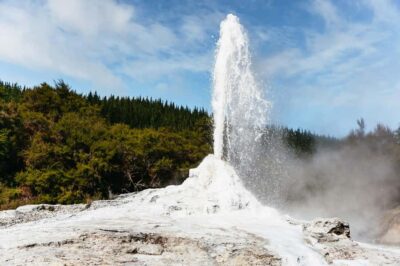
Rotorua: Wai-O-Tapu Geothermal Park Entry Ticket
Read our review →

Mitai Maori Village Cultural Experience in Rotorua
Read our review →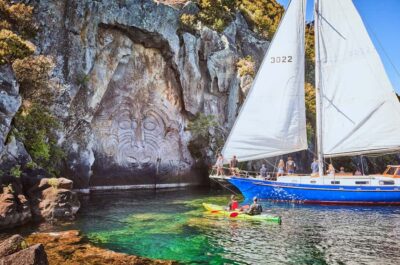
Lake Taupo: Classical Sailing to the Māori Rock Carvings
Read our review →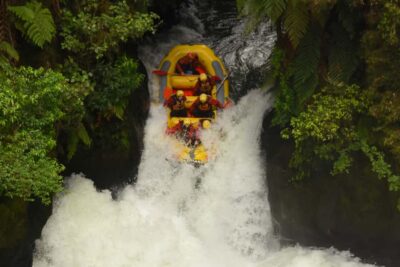
Rafting Rotorua: Kaituna River White Water Experience
Read our review →
Rotorua: Te Pa Tu Māori Cultural Experience with Dinner
Read our review →
Rotorua: Hell’s Gate Outdoor Mud Spa & Guided Walk
Read our review →
Whitianga: 2-Hour Cathedral Cove and Volcanic Coast Cruise
Read our review →Browse the lists this tour appears in