
REVIEW · USA
Kīlauea hike and lava gazing with Native Hawaiian
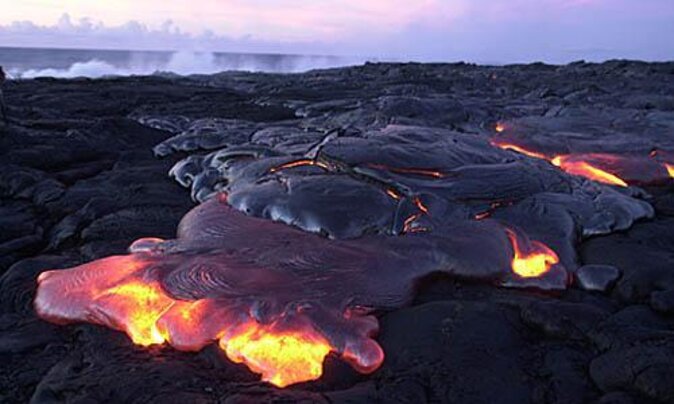
Kīlauea is more than a volcano viewpoint on this four-hour hike. You walk toward the southern cliffs of Halemaʻumaʻu, the home of Pele, while a Native Hawaiian guide connects the cooled lava, native plants, Hawaiian words, history, and spiritual beliefs. It is a nature walk with a strong cultural center.
I like the chance to learn directly from Christian, whose talks range from plant identification to Hawaiian stories and the legacy of Kamehameha. I also like the small, attentive feel suggested by the experience: the guide takes time to shape the walk around your interests rather than rushing you from one sight to the next.
The main drawback is the price, $200 per person, plus NPS vehicle access. Four hours gives you time for a thoughtful visit, but this is not the right pick if you want only a quick lava view or an easy sightseeing stop.
Key points to know before you go
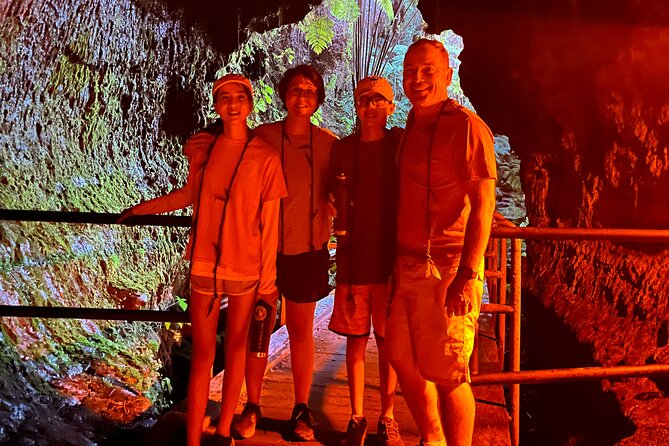
- A Native Hawaiian guide leads the walk: Christian shares Hawaiian language, history, culture, plant lore, and spiritual traditions.
- The route begins at Puʻu Puaʻi: You head toward the southern cliffs of Halemaʻumaʻu, with cooled lava and rainforest along the way.
- Pele is central to the experience: The volcano is presented as a living place tied to Hawaiian belief, not simply a geological attraction.
- Plant identification is part of the fun: You may stop to examine endemic plants and learn the stories connected with them.
- Plan for four hours outdoors: Bring water, snacks, rain gear, and shoes suited to hiking.
- The age limit matters: This experience is not suitable for children under 15 or people with altitude sickness.
Walking into Pele’s country at Kīlauea
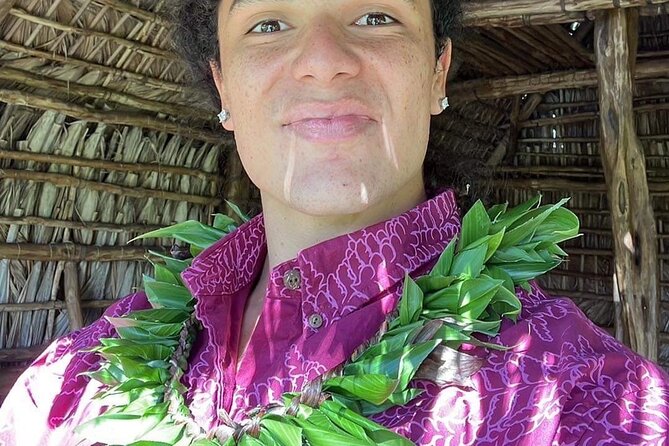
Kīlauea can be seen in a few minutes from a roadside viewpoint. This experience asks you to slow down. From the small grassy field beside the trailhead, you set out toward Puʻu Puaʻi and the southern cliffs of Halemaʻumaʻu.
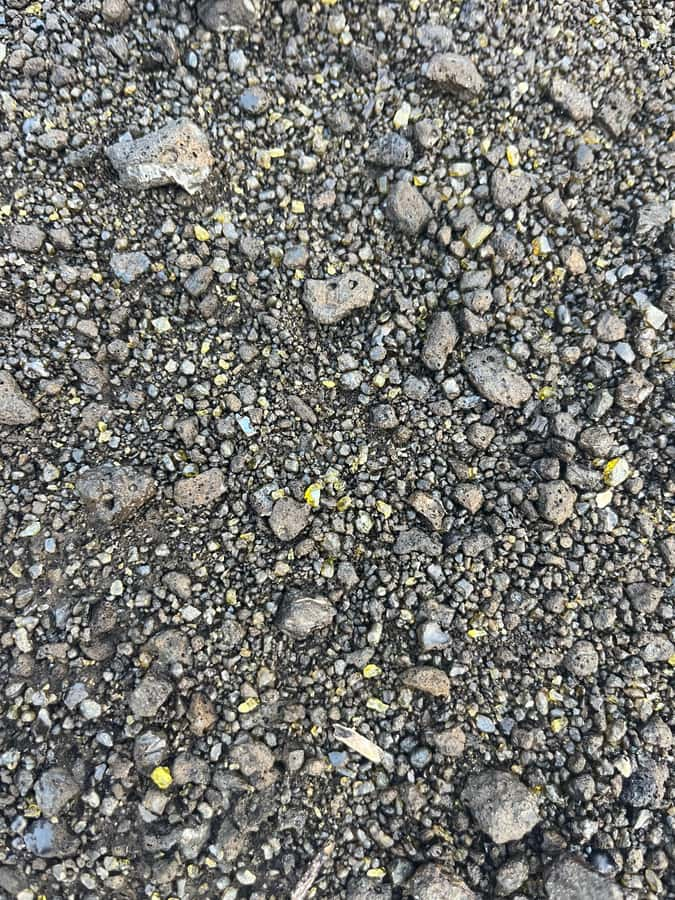
That starting point matters. The meeting area is backed by rainforest, so the first impression is not just black volcanic rock. You begin where plant life and volcanic ground meet. As the walk continues, you get a chance to notice how life returns after lava cools. The guide points out endemic plants and animals, then places them in a Hawaiian setting.
I would not treat this as a standard geology hike. The volcano is the physical subject, but the wider lesson is about how people understand and care for this place. Pele is not presented as a cartoon mascot. She is part of a living spiritual tradition, and the guide helps you approach the area with respect.
The route follows the southern cliffs of Halemaʻumaʻu. That gives the hike a clear destination and keeps the experience tied to Kīlauea’s most famous volcanic feature. You should expect a mix of walking, stopping, listening, and looking closely. Four hours allows room for questions, plant identification, stories, and pauses for the views.
More Lava and Eruption Tours in the USA
- Hilo Shore Excursion: Active Volcano, Lava Tube, Waterfall and Gardens
★ 5.0 · 393 reviews - Hilo Shore Excursion: Volcano Safari Lava Caves & Black Sand
★ 4.5 · 363 reviews - Maui Circle Island-PRIVATE-Air Tour for 2-5: Waterfalls & Lava!
★ 5.0 · 228 reviews
Why Christian changes the way you see the volcano
Christian is the named guide associated with this experience, and his role goes well beyond leading from the front. He speaks about Hawaiian culture and history in clear, accessible English, while also bringing in Hawaiian language and traditional stories.
That combination is useful for you as a visitor. A place can feel impressive but still remain distant if you only hear a list of dates or scientific facts. Christian’s approach ties the physical setting to people, language, and memory. You may hear about a plant, then learn its Hawaiian name and the myth or cultural meaning connected to it.
Plant identification is one of the strongest parts of the walk. One account of the experience praised the way Christian made this engaging for younger participants, especially when identifying plants. The current age rule excludes children under 15, so you should follow that policy, but the point remains useful: his teaching style is interactive rather than lecture-like.
He also takes time to get to know the people in his group. That can make the four hours feel less like a fixed script. If you care most about nature, you can ask about endemic species. If Hawaiian history interests you, you can spend more time with stories of the islands and figures such as Kamehameha.
The experience is conducted in English, but Hawaiian language is part of the presentation. That may mean learning place names, plant names, or phrases as you go. I value that detail because language helps you see the area as more than a scenic backdrop.
From rainforest edge to cooled lava
The meeting point is a small grassy field just to the left of the trailhead, backed by rainforest. Look for the guide wearing bright colors. Since the field is described clearly but not given a street address here, check your booking details carefully before setting out.
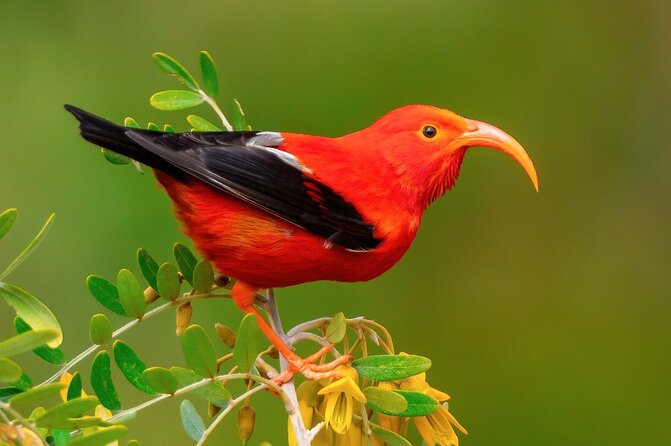
The first section brings you into the natural setting around Kīlauea. You may find rainforest plants near the trail, then see the ground change as volcanic material becomes more prominent. The guide’s attention to endemic life gives this part purpose. Instead of walking past every green plant, you can learn what belongs to Hawaiʻi and why it matters.
The transition from darkness to new growth is one of the most interesting ideas in the experience. Cooled lava can look empty and harsh, yet life begins there over time. That contrast gives the walk a useful rhythm: observe the rock, then notice the plants and animals that have made a home around it.
Bring water and snacks, since four hours is a long time to be outside. Comfortable clothing and rain gear are also important. Kīlauea weather can change, and the instructions specifically ask you to check conditions before your visit.
You should stay on designated trails. That is basic safety advice, but it is especially important around volcanic ground and protected natural areas. Do not feed animals, and treat the plants, rocks, and surrounding area with care.
Reaching the southern cliffs of Halemaʻumaʻu
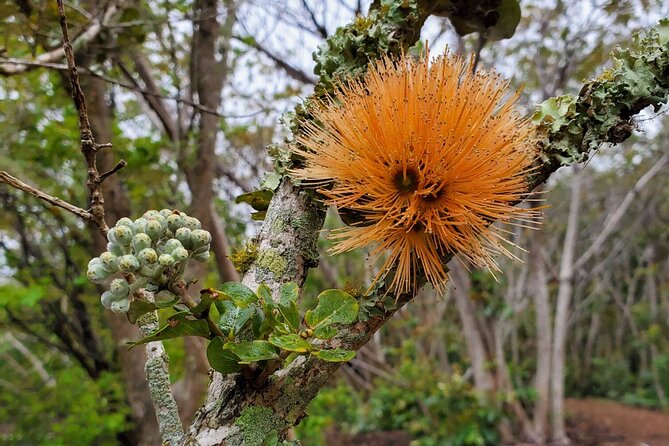
The hike’s main destination is the southern cliffs of the Halemaʻumaʻu lava lake, reached from the cliffs of Puʻu Puaʻi. This is where the volcano’s scale becomes the focus. You are not just hearing about Kīlauea from a parking area. You are walking toward a major volcanic feature with a guide who explains its cultural meaning.
Lava gazing is a central part of the outing. The exact feel of this stop will depend on the conditions on the day, so I would come prepared for a full outdoor experience rather than treating it as a guaranteed single photograph. The weather check is not a minor suggestion. Rain, cloud, or poor conditions can affect what you see and how comfortable the walk feels.
The stop also has value beyond the view. Christian’s stories about Pele help frame the volcano through Hawaiian spirituality. That makes the visit different from a tour that treats the lava lake only as a scientific object or scenic feature.
You should expect to spend time looking and listening here, not simply arriving, taking a picture, and leaving. If you enjoy asking questions, this is likely the place to do it. The guide’s strength is making connections between the land, Hawaiian history, and cultural practice.
More Volcano Hikes and Treks in the USA
- Big Island GOAT Experience: Mauna Kea Summit, Sunset & Stars
★ 5.0 · 1,706 reviews - Big Island: Mauna Kea Summit and Stars Small-Group Adventure Tour
★ 5.0 · 1,545 reviews - Big Island: Mauna Kea Summit Tour with Free Night Star Photo
★ 5.0 · 1,449 reviews - Hilo: Mauna Kea Summit, Sunset, & Stargazing Experience
★ 4.8 · 629 reviews
What four hours feels like in practice
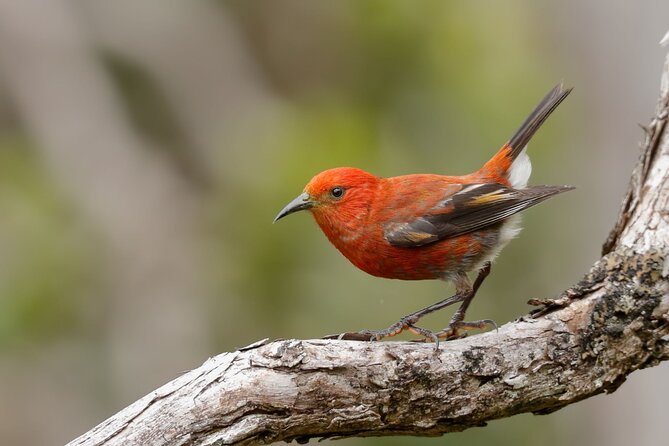
Four hours is enough time for a serious introduction to Kīlauea, but it is not an all-day expedition. The pace should give you room to stop for plants, listen to stories, and take in the volcanic setting without hurrying.
I would plan the day around this activity rather than squeezing it between several timed stops. You need to reach the meeting point, prepare for changing weather, and allow mental space for the cultural material. A rushed schedule would work against the best part of the experience.
The hike is described as wheelchair accessible, but the instructions also call for comfortable hiking shoes and staying on designated trails. If you need specific mobility support, confirm the current route and conditions before booking. Accessibility can depend on the exact path and weather, and the supplied details do not describe the surface or slope.
The outing is not suitable for children under 15. That rule is worth taking seriously even though Christian’s teaching style can be engaging for younger people. It is also not suitable for people with altitude sickness.
The guide is listed as English-speaking, so you should be comfortable following an English-language tour. Hawaiian words and cultural material are included, but this is not presented as a Hawaiian-language-only experience.
Is $200 per person a fair price?
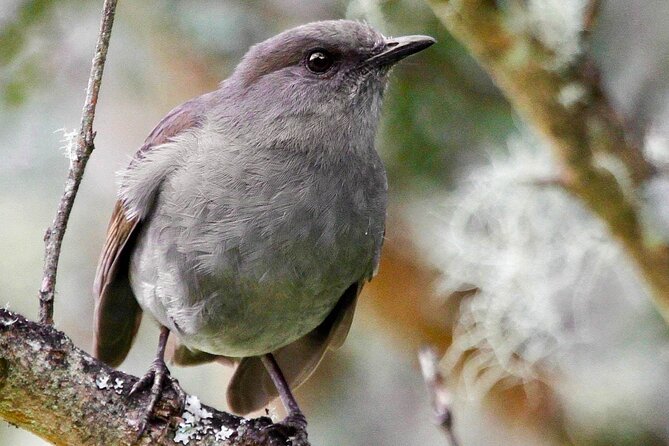
At $200 per person, this is a premium half-day outing. You are paying about $50 for each hour, before considering NPS vehicle access. That extra access cost is not included, so build it into your total budget.
The value depends on what you want from Kīlauea. If you only need a quick look at the volcano, public viewpoints may offer a cheaper solution. You would then miss the personal teaching, plant identification, Hawaiian language, and cultural interpretation that form the core of this hike.
For me, the price makes more sense if you want a guided cultural experience rather than basic transportation to a viewpoint. Christian’s range is a major part of the value. He can discuss Hawaiian history, endemic plants, animal life, spirituality, and the stories tied to the area. That is a lot more useful than a short, generic explanation at a lookout.
The high rating, with eight five-star ratings provided for the experience, points to strong satisfaction. The most repeated strengths are Christian’s passion, his clear teaching style, his connection to Hawaiian culture, and his ability to make the experience personal. One participant described spending the car ride back to Hilo talking about the tour, while another said the experience heightened awareness of small details along the route.
Those comments match the design of the outing. You are not buying a long list of stops. You are buying time with a guide who can help you notice what you would probably walk past.
Who should book this Kīlauea hike?
You should consider booking if you want:
- A Native Hawaiian perspective on Kīlauea
- Cultural and historical context alongside nature
- Help identifying endemic plants and animals
- A slower, question-friendly hike
- Stories about Pele and Hawaiian spirituality
- A focused four-hour outing rather than a quick viewpoint stop
You may want to skip it if you prefer to explore alone, want a short visit, or are mainly looking for a low-cost volcano stop. The $200 price is hard to justify if you will not engage with the cultural material.
I would also think carefully about the weather and your walking comfort. Bring rain gear even if the morning looks clear, and use shoes you can walk in for several hours. Water and snacks are required common sense here, not optional extras.
Booking, cancellation, and meeting details
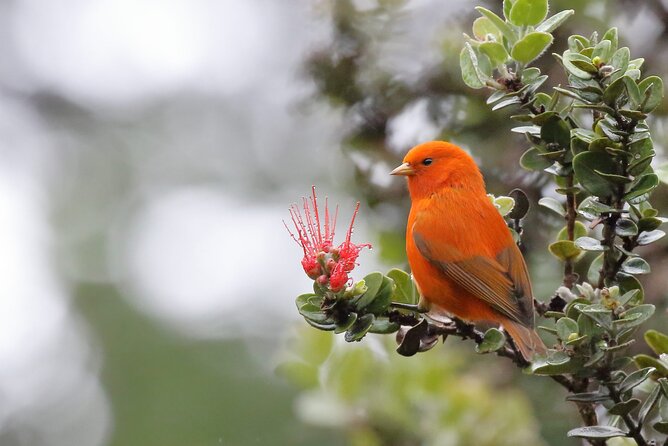
You can cancel up to 24 hours before the activity for a full refund. The reserve-now, pay-later option lets you hold a place without paying immediately, which is useful when your Hawaiʻi schedule is still moving around.
NPS vehicle access is not included in the $200 price. Check that detail before booking so the total cost does not surprise you.
Meet in the small grassy field backed by rainforest, just left of the trailhead. The guide will be wearing bright colors. You should arrive ready for the outdoors, with comfortable clothes, water, snacks, and rain gear.
Should you book this experience?
Book it if you want Kīlauea explained by someone connected to Hawaiian culture, not simply pointed out from a distance. Christian’s teaching about plants, history, language, and Pele gives the hike a clear purpose, and four hours gives you time to absorb it.
Skip it if your priority is a cheap or quick lava view. For the right person, the price buys far more than a walk: it buys context, careful observation, and a respectful way to meet one of Hawaiʻi’s most powerful places.
FAQ
How long does the Kīlauea hike and lava gazing experience last?
The experience lasts four hours. Starting times vary, so check availability when you book.
Who guides the experience?
The experience has a Native Hawaiian guide, and Christian is the named guide associated with the tour. He leads the walk in English and shares Hawaiian language, history, culture, plant knowledge, and spiritual traditions.
Where does the hike meet?
Meet at the small grassy field backed by rainforest, just to the left of the trailhead. The guide will be wearing bright colors.
What should I bring?
Bring comfortable hiking shoes, water, snacks, rain gear, and comfortable clothing. Check the weather before you go.
Is NPS vehicle access included?
No. NPS vehicle access is not included in the $200 per person price.
Is the hike suitable for children and people with altitude sickness?
The experience is not suitable for children under 15 or for people with altitude sickness. It is listed as wheelchair accessible, but you should confirm route details if you need specific mobility support.
Just added around the USA
- Volcanoes National Park: Guided, Small-Group Hike★ 5.0 · 15 reviews
- Evening Volcano Explorer Tour from Kona★ 4.5 · 24 reviews
- Evening Volcano Explorer from Hilo★ 4.5 · 67 reviews
- Fat Tire E-Bike Rental – Volcanoes National Park★ 4.5 · 26 reviews
- Big Island Waterfalls, Blacksand Beaches, Lava Tubes & Volcanoes★ 5.0 · 24 reviews
- Expert Led Private Guided Tour Hawaii Volcanoes National Park★ 5.0 · 5 reviews
- Best of Big Island: Volcanoes, Waterfall, Blacksand Beach & Lunch★ 5.0 · 14 reviews
- Big Island Private Tour Waipio Valley Volcanoes Waterfalls★ 5.0 · 4 reviews
USA Volcano Tours, compared.
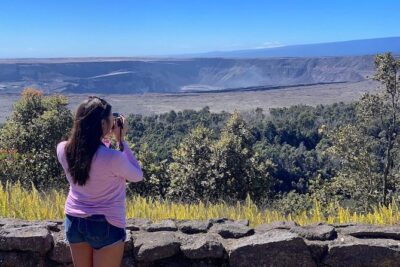
Big Island in a Day: Volcanoes Waterfalls Sightseeing and History
Read our review →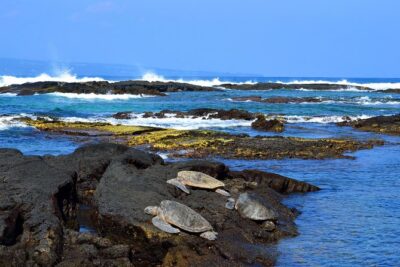
Hilo Shore Excursion: Volcanoes National Park & Black Sand Beach
Read our review →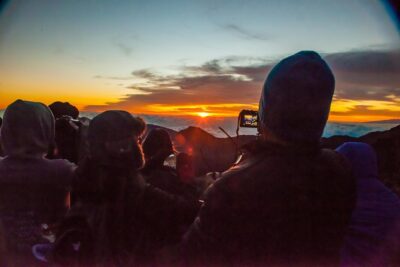
Maui: Haleakala Sunrise Spectacular with Local Breakfast
Read our review →
Big Island GOAT Experience: Mauna Kea Summit, Sunset & Stars
Read our review →
Small Group Big Island Twilight Volcano and Stargazing Tour
Read our review →
Maui South Coast and Molokini Crater Adventure from Kihei
Read our review →
Big Island: Mauna Kea Summit and Stars Small-Group Adventure Tour
Read our review →
Big Island: Mauna Kea Summit Tour with Free Night Star Photo
Read our review →Browse the lists this tour appears in