
REVIEW · JAKARTA
Jakarta :Volcano, HotSpring, Tea Factory, RiceField, &Coffee
Tangkuban Perahu is the star here, but the real pleasure is the route through West Java’s farming country. In one long day, you move from pineapple plots and rice fields to a sulfur-smoking crater, a tea factory, and a hot spring. It gives you a useful look at rural Java that you will not get by staying in Jakarta.
I like the private format, which lets your guide adjust the order when rain or mist blocks a view. I also like the practical mix of stops: the tea factory shows how a familiar drink is made, while the rice fields and fruit tasting bring you closer to everyday local work. The drawback is clear: this is a long day, with roughly three hours of road travel to Bandung and back, and the volcano walk can be tiring.
Key points to know
- Tangkuban Perahu crater: Walk beside an active volcano, smell sulfur, and possibly trek about 3 kilometers return to the crater floor.
- A working tea stop: Tour Kebun Teh Ciater and its factory, where an officer explains black tea production from leaf picking to packaging.
- Flexible private guiding: Guides such as Neti have adjusted the day around rain, mist, and guest requests.
- Local food stops: Taste fresh West Java pineapple, then leave room in your budget for lunch and the optional luwak coffee.
- A long but varied day: Hotel pickup, transport, entrance fees, fruit, tea, and a private car are included in the $123 price.
- Hot spring finish: Sari Ater is mainly a short foot soak on this schedule, not a long spa visit.
Why this day trip gets beyond Jakarta
Jakarta can feel like a world of traffic, towers, shopping centers, and dense neighborhoods. This tour takes you north and east into the cooler highland areas around Subang and Bandung Regency. From the car window, you pass rice fields, rubber plantations, tea plants, and villages.
That change of scenery is one of the strongest reasons to book. You are not simply checking off a volcano. You are seeing how food and drink are produced, meeting the working side of the countryside, and learning how the road connects farms, factories, villages, and tourist sites.
The tour costs $123 per person. That is not a budget sightseeing outing, but the price includes a private car, English-speaking guide, hotel pickup and drop-off inside Jakarta, tolls, parking, volcano entry, hot spring entry, mineral water, fruit tasting, and the tea factory visit. Lunch and luwak coffee are extra.
For two or more people, the value improves because you are paying for a private vehicle and guide rather than joining a large coach. The day also avoids the work of arranging several separate rides from Jakarta. The tradeoff is time. You spend a substantial part of the day in the car, so book this for access to the countryside, not for a relaxed city-to-city transfer.
A few more volcano tours around Indonesia worth a look
- Volcano, Hot Spring, Tea Factory, rice fields and Coffee Tour
★ 5.0 · 25 reviews - Big Island Highlights: Coffee, Volcano, Black Sands & Waterfall
★ 5.0 · 1,054 reviews - Big Island: Volcanoes, Waterfalls, & Coffee Farm Day-Trip
★ 4.9 · 414 reviews
Pineapple farms and rice fields near Subang
The first rural stop is known as Fruit Paradise in the schedule, with about 15 minutes for a break, photos, and fruit tasting. The focus is fresh local pineapple from West Java. This is a small stop, but it gives the day an immediate sense of place. You taste produce from the area instead of beginning with another generic roadside attraction.
Do not expect a full farm visit or a long market tour. Fifteen minutes is enough for a sample, a few pictures, and a quick look around. If you enjoy food details, ask your guide how the pineapple is grown and sold locally. The supplied information does not promise a detailed plantation walk, so treat this as a tasting stop rather than a farm lesson.
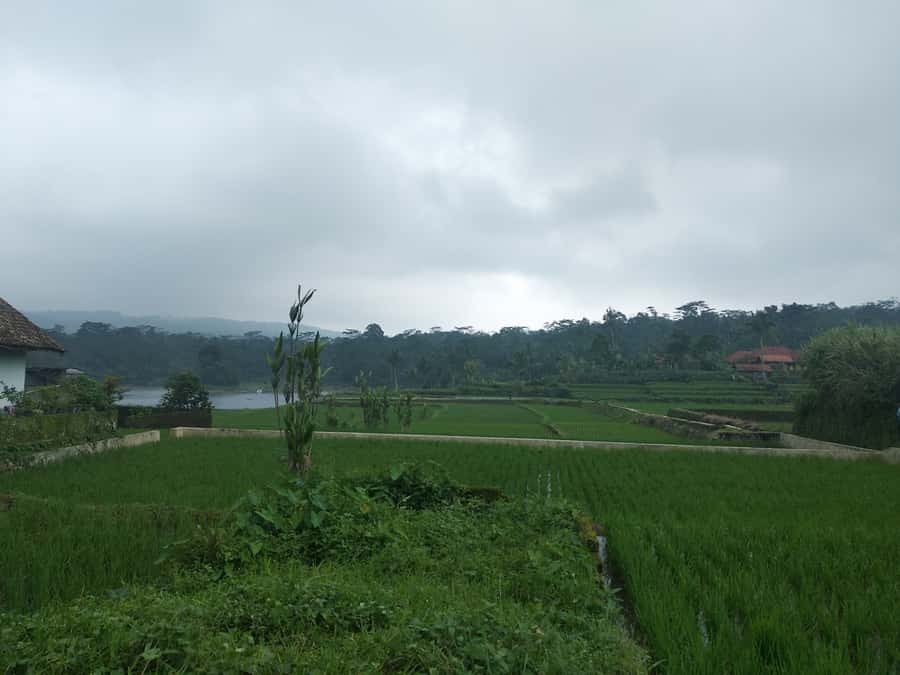
The road onward provides some of the day’s best rural views. You pass through Subang Regency, with time for a photo stop and a short walk. The rice fields are especially useful for understanding local life. You can watch farmers at work and get closer to the routine behind the meals served in Indonesia.
This part depends on the season and the day’s road conditions, so the exact farming activity may vary. Still, it is a worthwhile pause because it places the more polished tea and coffee attractions in a wider setting. You see that these are working agricultural areas, not scenery arranged only for visitors.
Walking through Kebun Teh Ciater
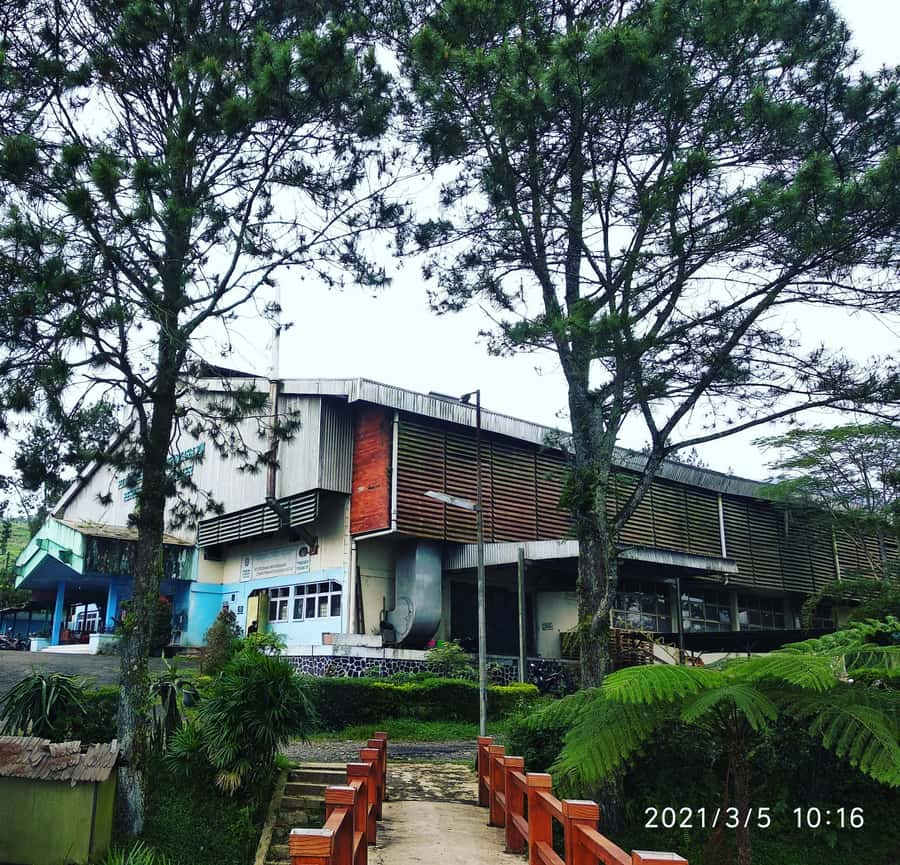
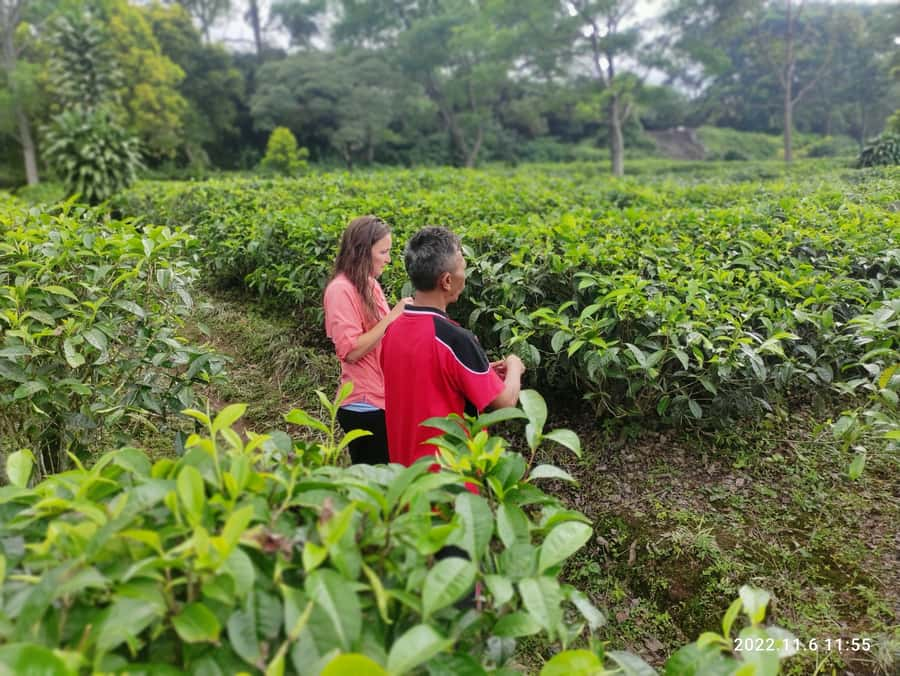
The tea plantation and factory are scheduled for about an hour. This is one of the most rewarding stops for anyone who wants more than a photo. You walk among the tea plants, look across the valley, and then visit the factory to learn how black tea is made.
The explanation covers the process from leaf picking through packaging. An officer provides the details, and tea is available to drink during the visit. The chance to drink as much tea as you like is a pleasant bonus, especially in the cooler highland air.
I like this stop because it connects the view outside with the product inside. You see the plants first, then follow the leaves through production. That makes the factory visit more useful than simply being told that tea is grown in the area.
There is one scheduling point to watch. The tea factory does not have its production process every Monday. The plantation may still be part of the visit, but the full factory explanation could be limited on that day. If the processing demonstration matters to you, avoid Monday or confirm the operating schedule before booking.
Wear shoes suitable for uneven ground. The information provided does not describe a difficult plantation hike, but you will walk outdoors and may encounter damp surfaces.
Tangkuban Perahu and its sulfur crater
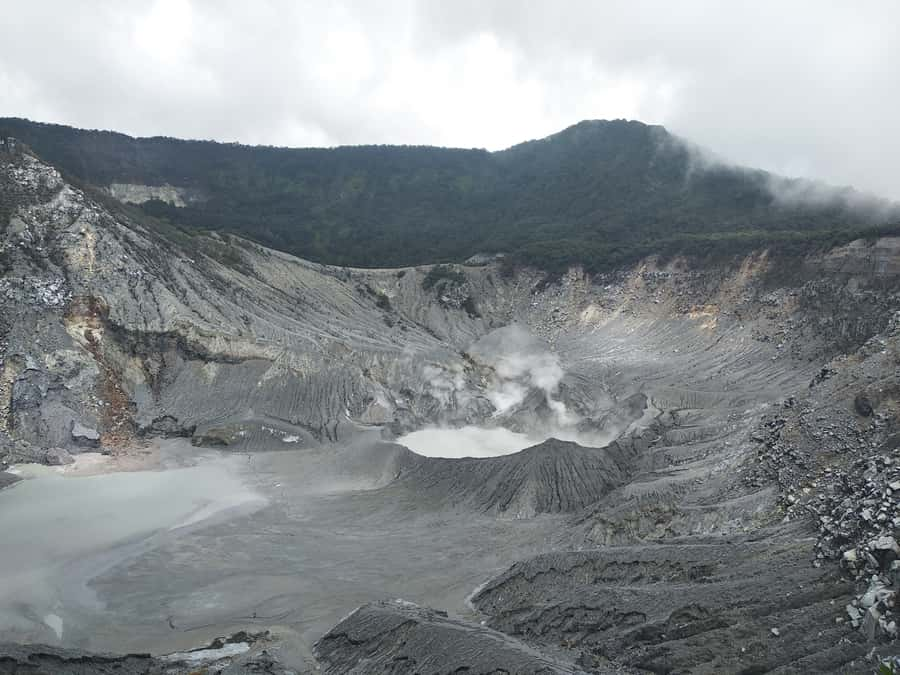
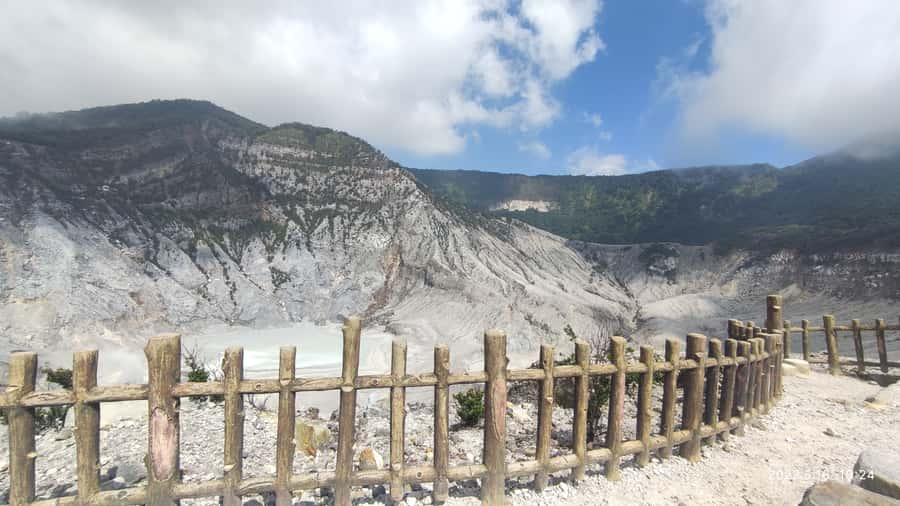
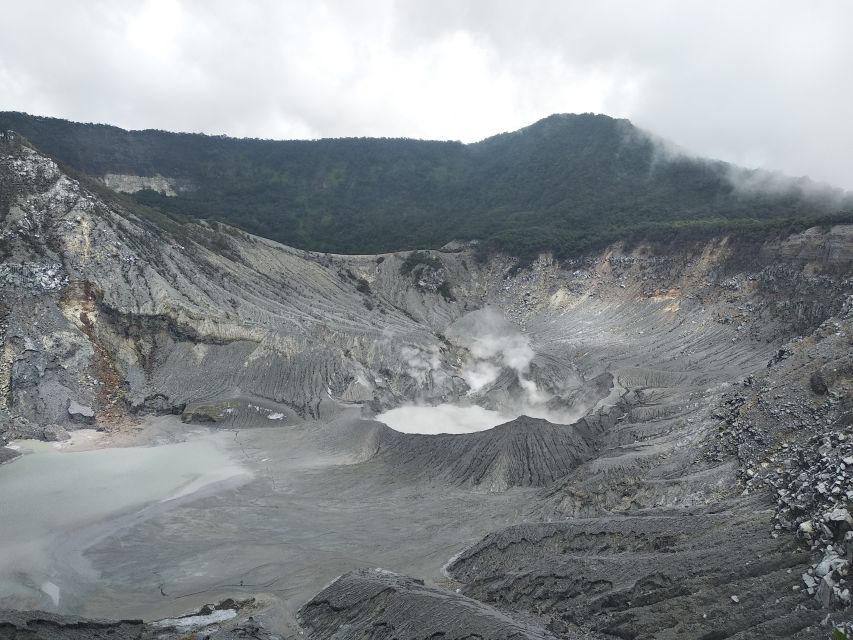
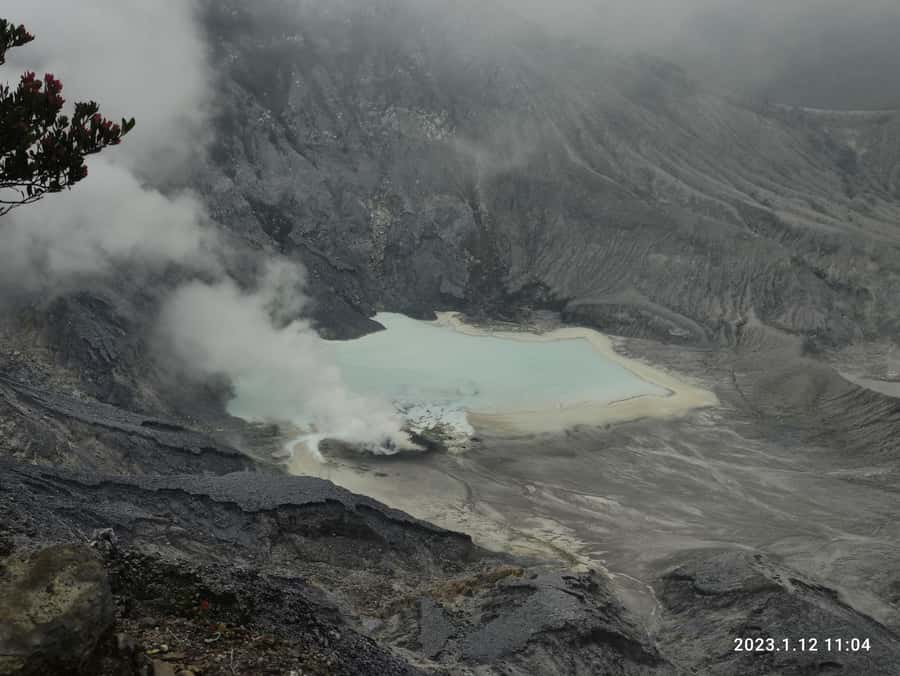
Tangkuban Perahu is the day’s main natural attraction. At the volcano, you walk along the main crater, smell sulfur, and watch fumes rise from the ground. The activity includes about 80 minutes for the visit and hiking.
The main crater walk is the straightforward option. It lets you see the volcanic setting without committing to the longer route. If weather allows, you can trek down toward the bottom of the crater and return, a walk of about 3 kilometers. That adds effort but gives you closer views and a stronger feeling for the crater’s scale.
The weather rule matters. If rain and thunder make the lower route unsafe, you will be limited to the main crater area. Mist can also hide the view. A good private guide can respond to this. On one wet day, guide Neti changed the order and took the group for coffee while waiting for the volcano to clear. The crater was visible later.
That kind of flexibility is a real advantage of a private tour. You are not tied to a large group’s fixed schedule. Your guide can use a bad-weather pause more sensibly, though the final decision still depends on conditions at the volcano.
The site is not suitable for everyone. You need to walk, and the longer crater route requires comfortable shoes. People with respiratory problems or altitude sickness should not book this activity. Sulfur fumes can be unpleasant, particularly if you are sensitive to them.
Bring a jacket even if Jakarta feels hot. The highland conditions can be cooler, and the guide recommends comfortable clothing and shoes. A camera is useful, but protect it from rain and keep your attention on the walking surface.
Same volcano country, a different day out:
- Bali: Sunrise Mount Batur Guided Hike with Breakfast
★ 4.8 · 9,660 reviews - Bali: Mount Batur Sunrise Guided Hike and Natural Hot Spring
★ 4.8 · 9,284 reviews - Bali/Mount Batur: Private Sunrise Jeep Tour & Hot Spring
★ 4.8 · 3,528 reviews - Bali: Mount Batur Sunrise Trek With Guide and Breakfast
★ 4.8 · 3,461 reviews
Lunch in Lembang, with costs kept separate
Lunch is scheduled in Lembang for about 70 minutes. The restaurant is not included, so you pay for your own Indonesian meal. This arrangement gives you some choice, but it also means you should bring cash.
The tour information does not name a fixed restaurant or set menu. Ask your guide what is available that day and tell them if you have a particular local dish in mind. One group requested nasi padang later in the day, and the guide and driver helped accommodate that request. That suggests the private setup can work well for food preferences, though you should make requests early.
Seventy minutes is a sensible lunch break in a packed itinerary. You have enough time to eat without turning the day into a series of rushed bites. Still, remember that this is not a food tour. The main purpose is to refuel before the coffee and hot spring stops.
Luwak coffee at Cikole
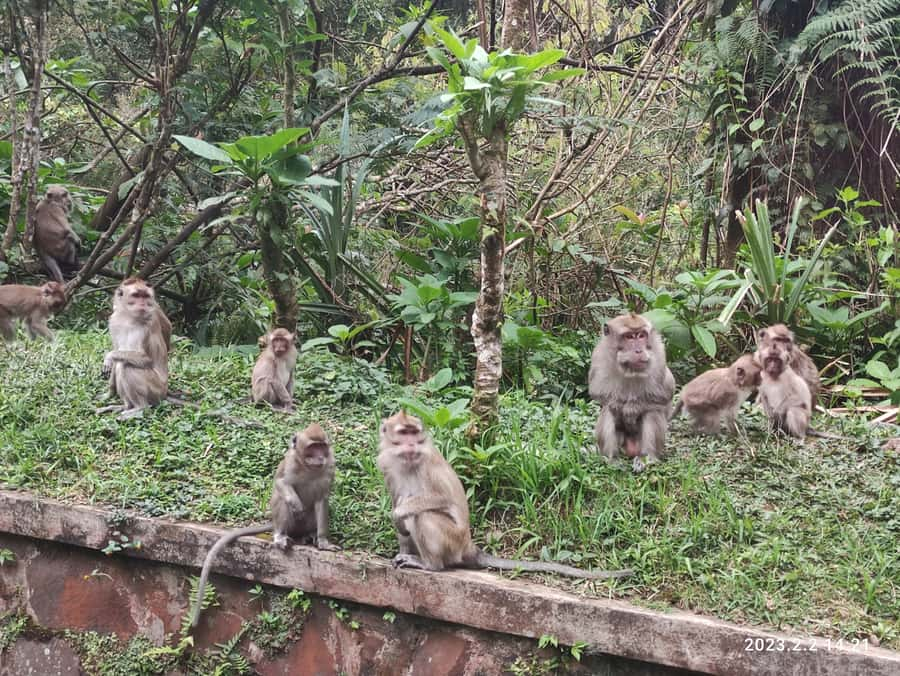
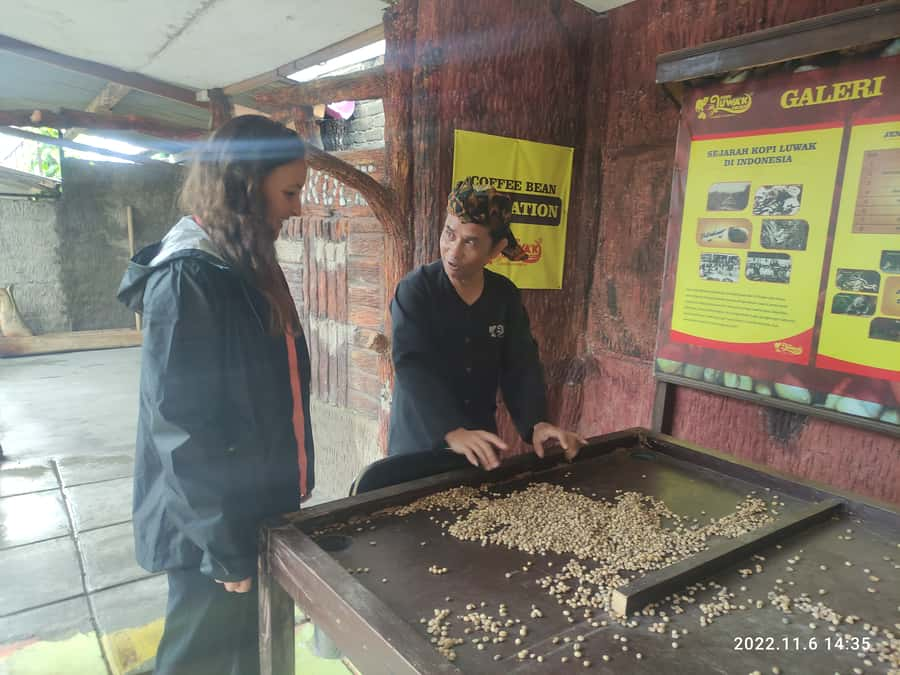
Kopi Luwak Cikole gets about an hour for a visit and tasting. You learn how luwak coffee is produced and have the chance to try this costly Indonesian specialty. The drink itself is not included in the tour price, so keep extra cash available if you want to sample it.
This is an interesting stop, but it deserves a clear-eyed approach. Luwak coffee is famous for its unusual production method and high price. A visit can help you understand why it is marketed as a premium product, but you should not assume the tasting is part of the base cost.
The hour allows time for an explanation rather than a quick sip. Ask questions about production, pricing, and how the coffee differs from ordinary Indonesian coffee. The tour description promises information about how it is made, but it does not specify the exact tasting menu or the price of a cup.
If you do not care about specialty coffee, this is the easiest stop to treat as optional in spirit, even though it is part of the planned route. For coffee fans, it adds a distinctive Indonesian detail that balances the more scenic volcano and tea stops.
Sari Ater Hot Spring for a short soak
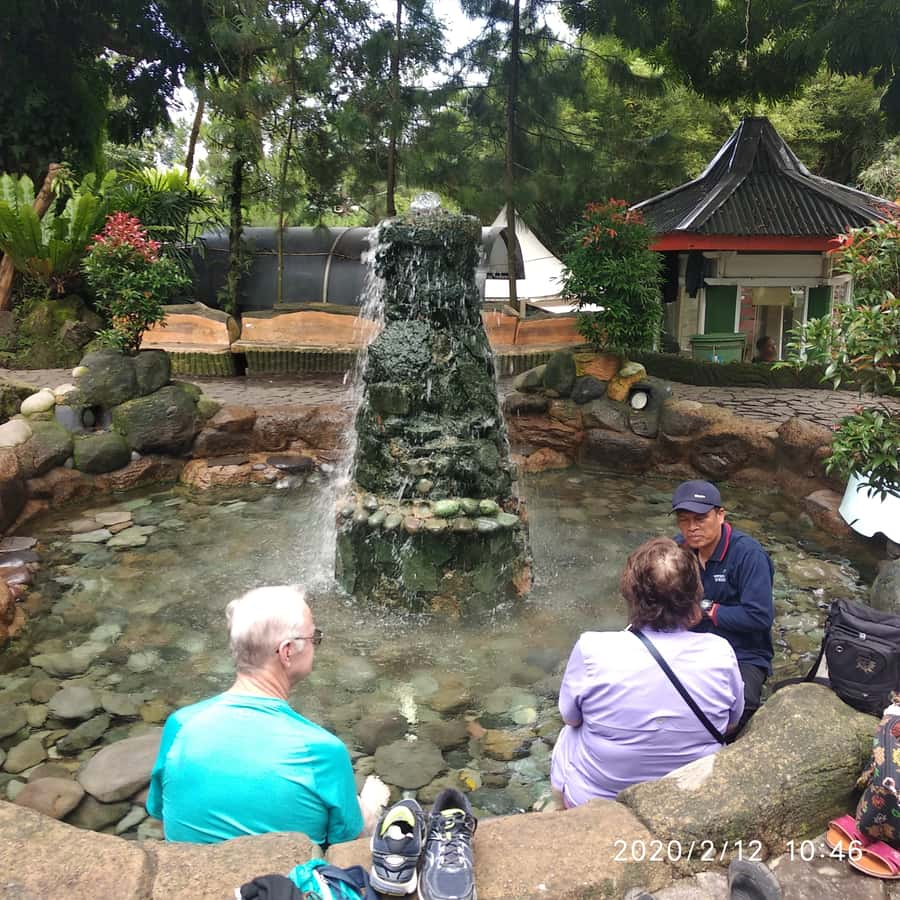
The final major stop is Sari Ater Hot Spring Water, with about 40 minutes for walking, sightseeing, and swimming. The practical expectation is a short soak, especially a foot soak in the warm sulfur water, before returning to Jakarta.
This is a pleasant way to finish a day that includes walking and road travel. Warm water can help you relax your feet, and the sulfur setting gives the stop a clear connection to the volcanic region.
Do not plan on a full spa afternoon. Forty minutes passes quickly, and the long drive back still lies ahead. Bring a towel and comfortable clothes, as recommended. If you want to swim rather than only soak your feet, bring the proper clothing and keep the limited time in mind.
The hot spring entry is included, which is helpful because the tour already has several optional personal costs. You pay separately for lunch, luwak coffee, and any other personal expenses.
The private guide and driver make a difference
The people running the day can shape the experience. Guide Neti is specifically praised for clear explanations, patience, humor, and help with local interactions. She has covered Indonesian history and culture during the drive and adjusted plans when weather affected the volcano.
Drivers named in past bookings include Fandi, Fundi, Robbie, Afandi, and others. The comments about Fandi and Fundi especially point to careful, patient driving and attention to comfort. Your assigned guide and driver may differ, so treat those names as examples rather than a guarantee.
The private format is more important than any single name. You are not combined with other participants, and pickup takes place at your hotel lobby or apartment entrance in Jakarta. Cruise passengers meet the guide at the Tanjung Priok Jakarta passenger terminal arrival gate, where the guide holds a sign with the booking name.
The guide can explain the countryside as you pass it, answer questions, and help you make practical choices. That matters on a 12-hour day. A quiet driver and an engaging guide can make the road time feel far more manageable.
What to pack for the 12-hour schedule
Bring comfortable shoes, a jacket, towel, camera, comfortable clothing, and cash. The shoes matter most if you want to take the 3-kilometer crater route or walk around the plantation.
Cash is useful for lunch, luwak coffee, and personal purchases. Mineral water is included, so you do not need to plan for all drinks, and tea is provided at the factory.
Alcohol and drugs are not allowed, and pets are not permitted. The activity is not suitable for wheelchair users, people with respiratory issues, or people with altitude sickness.
The schedule is full. You visit fruit and rice-growing areas, a tea factory, the volcano, Lembang for lunch, a coffee stop, and the hot spring before returning to Jakarta. If you prefer slow meals, long walks, or several hours at one site, this will feel compressed.
Who should book this West Java day trip?
I would choose this tour if you want to see rural Java but have limited time based in Jakarta. It works particularly well for first-time visitors who want one day covering nature, farming, food, and local production.
It also suits curious travelers who enjoy asking questions. The value is not only in the views. You can ask about tea processing, farming, coffee production, local food, and Indonesian culture while moving between stops.
Families and small groups may appreciate the private car and the ability to move at their own pace. The walking requirements mean it is not a good match for anyone who needs wheelchair access or finds crater paths difficult.
Weather-sensitive visitors should keep expectations flexible. Rain or thunder can prevent the lower crater trek, and mist can temporarily hide Tangkuban Perahu. A private guide can rearrange stops, but no tour can promise clear volcanic views.
Should you book it?
Book this tour if your priority is seeing several sides of West Java in one day. The combination of Tangkuban Perahu, rice fields, tea production, pineapple, luwak coffee, and Sari Ater is broad and worthwhile, while private transport removes much of the planning burden.
Skip it if you dislike long road days or want a slow, single-site experience. The $123 price is fair for a private car, guide, transport costs, admissions, fruit, and tea, but you should add money for lunch and luwak coffee.
For the best chance at a smooth day, avoid Monday if the working tea factory is important, wear sturdy shoes, bring a jacket and towel, and leave room for weather changes. With those expectations, this is a strong choice for getting out of Jakarta and seeing a more rural side of Java.
FAQ
How long does the tour last?
The tour lasts 12 hours, including pickup in Jakarta, the West Java visits, and return hotel drop-off.
Is hotel pickup included?
Yes. Pickup and drop-off are included for hotels and apartments inside Jakarta. Cruise passengers meet the guide at the arrival gate of the Tanjung Priok Jakarta passenger terminal.
Is the tour private?
Yes. This is a private group tour, and your booking is not combined with other participants.
Is an English-speaking guide included?
Yes. Tour guide service in English is included.
Is transportation included?
Yes. A private car, tolls, parking, and mineral water are included.
Is lunch included?
No. Lunch at an Indonesian restaurant is not included. A lunch stop in Lembang is scheduled for about 70 minutes.
Is luwak coffee included in the price?
No. The visit and coffee tasting stop are included in the schedule, but the luwak coffee drink is an extra cost.
Can I trek to the bottom of the Tangkuban Perahu crater?
You may trek to the crater bottom if weather conditions allow. The route is about 3 kilometers return. Rain and thunder can prevent this walk, in which case you stay along the main crater.
Does the tea factory operate every day?
The tea factory may not have its production process operating on Mondays. If seeing the full tea-making process is important, avoid Monday or confirm before booking.
What should I bring?
Bring comfortable shoes, a jacket, towel, camera, comfortable clothing, and cash. Comfortable shoes are especially important if you plan to trek at the volcano.
Just added around Indonesia
- From Banyuwangi or Bali Sunrise Ijen Vulcano Hiking All Inclusive★ 5.0 · 50 reviews
- Ijen Blue Fire & Sunrise Sharing Tour★ 5.0 · 6 reviews
- Kawah Ijen Midnight Tour (1 Day)★ 4.5 · 7 reviews
- 1 Day – ULTIMATE Tour Ijen Blue Fire From Surabaya, Malang and Banyuwangi★ 5.0 · 6 reviews
- Kawah Ijen Blue Fire Tour – Share Package★ 5.0 · 7 reviews
- Ijen Crater Tour★ 5.0 · 33 reviews
- 2 Days Private Tour Ijen and Bromo from Banyuwangi★ 5.0 · 31 reviews
- Guided Tour to Ijen Crater Blue Fire★ 5.0 · 4 reviews
Jakarta Volcano Tours, compared.
Jakarta: Volcano, Tea/Rice Fields, Hot Spring, Local Food
Read our review →
Active Volcano, Rice Field, Hot Spring, Fruit market, Tea Plantation with Lunch
Read our review →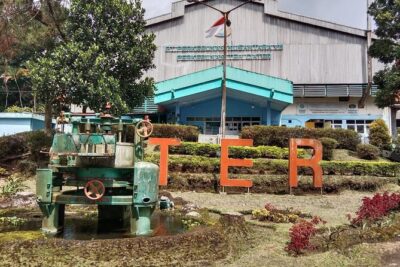
Volcano, Hot Spring, Tea Factory, rice fields and Coffee Tour
Read our review →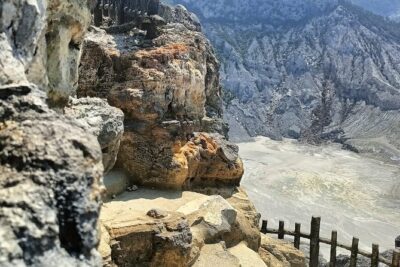
Volcano and Domas Crater of Hot Stony Bubble from Jakarta Lunch
Read our review →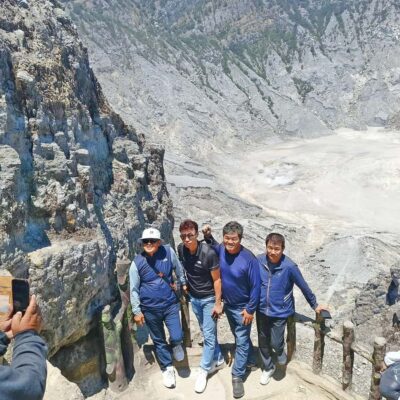
From Jakarta : Volcano, Tea & Rice Fields, Hot Spring
Read our review →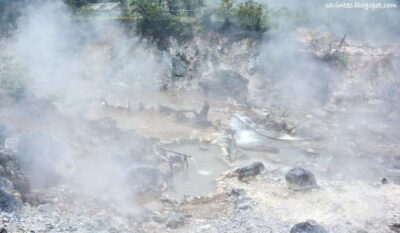
Jakarta: Volcano, Suspension Bridge, and Hot Spring Tour
Read our review →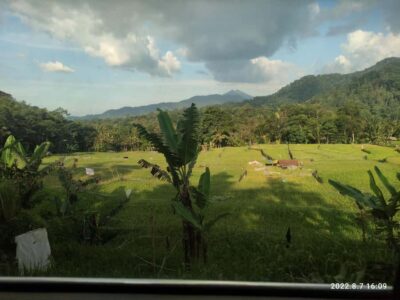
Jakarta: Active Volcano, Waterfall &beautiful local village
Read our review →
From Jakarta: Yogyakarta, Borobudur, Bromo, Ijen & Bali Tour
Read our review →Browse the lists this tour appears in