
REVIEW · HILO
Hilo: Hawaii Volcanoes National Park Flight
From Hilo, you can reach Hawaii Volcanoes National Park by air, crossing black sand beaches, fresh lava fields, jungle waterfalls, and Kilauea’s broad caldera in about an hour. I like the small six-person format and the way pilots such as Andrew, Sam, and Matt add useful geology and island history rather than simply pointing at the view. The main catch is that weather can change the route, so a waterfall or exact volcano view is never promised.
I also like the chance to see both old lava flows and new ground forming, a perspective you cannot get from a roadside overlook. The price is high at $379 per person, but the flight covers a huge stretch of the Big Island in a short time. If you are uneasy with heights, prone to motion sickness, or hoping for guaranteed lava or waterfalls, this may not be the right choice.
Key points to know before you fly
- One-hour flight from Hilo: You go straight from 2220 Kekuanaoa Street toward Hawaii Volcanoes National Park and return to the same office.
- Small aircraft group: The helicopter carries no more than six participants, which gives the flight a more personal feel.
- Volcano views from above: Kilauea’s caldera, Puʻu ʻŌʻō, old lava fields, and newer volcanic areas are the central sights.
- Big Island scale in one view: Mauna Kea, Mauna Loa, Hilo, beaches, jungle, and waterfalls may all form part of the route.
- Weather controls the show: Exact site-specific views are weather dependent, and one account found no waterfall view on the day.
- Weight rules matter: A passenger at 250 pounds or more needs an extra seat, and two passengers totaling 420 pounds or more also need one.
Flying from Hilo toward Hawaii Volcanoes National Park
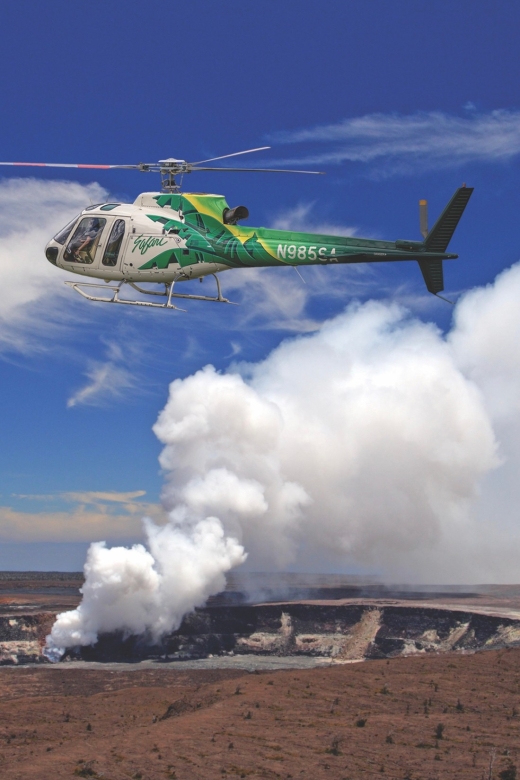
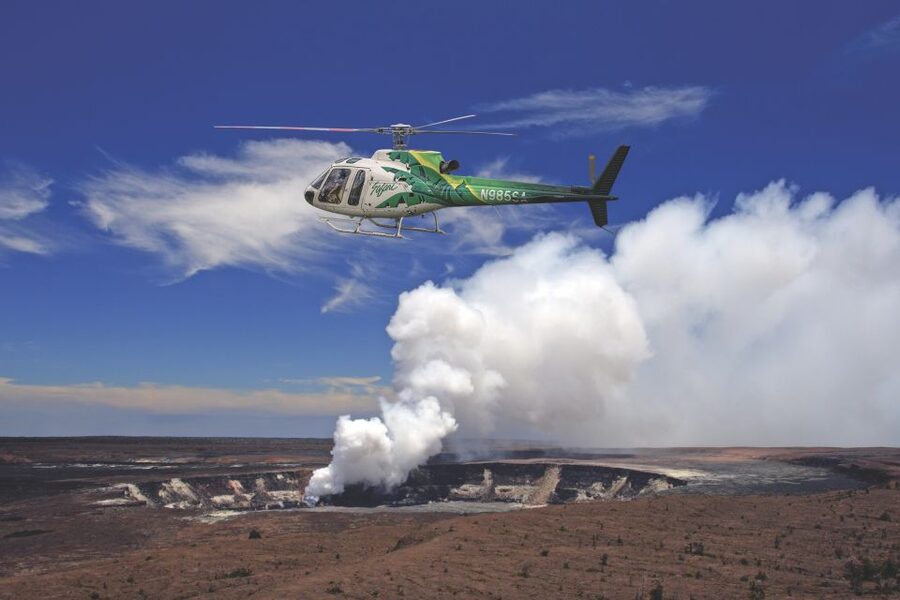
You meet at the Safari Helicopters office at 2220 Kekuanaoa Street in Hilo. The flight then heads directly toward Hawaii Volcanoes National Park, giving you a quick change from town and bay views to dark volcanic rock and thick jungle.
A one-hour flight is short enough to fit into a busy Big Island schedule, but long enough to cover several very different parts of the island. I see this as a sightseeing flight rather than a simple ride over one crater. The route links the coast, old lava flows, volcanic cones, rainforest, waterfalls, and the island’s two great mountains.
The small group size matters here. With no more than six participants, you are not joining a large sightseeing aircraft with dozens of people competing for a view. Your exact seat still affects your photo angles, so it is wise to listen carefully to the staff and follow all seating instructions. One passenger specifically noted having an excellent spot and feeling safe throughout the flight.
The crew’s safety role is clear from the information provided. You should expect instructions before departure and a pilot who manages the route around weather and flying conditions. Several pilots have been praised by name, including Andrew, Sam, and Matt, with particular appreciation for clear explanations, safety awareness, and friendly handling of the flight.
More Volcano National Parks in the USA
- Hilo Shore Excursion: Volcanoes National Park & Black Sand Beach
★ 4.5 · 2,338 reviews - Best of Mount Rainier National Park from Seattle: All-Inclusive Small-Group Tour
★ 5.0 · 805 reviews - Big Island: Fat Tire E-Bike Tour through Volcanoes National Park
★ 5.0 · 546 reviews
Kilauea’s caldera from the air
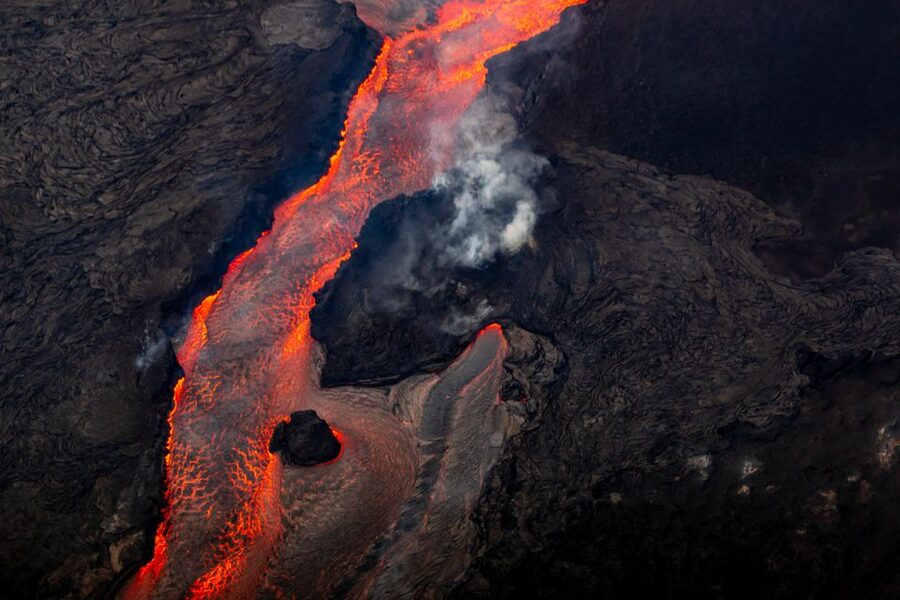
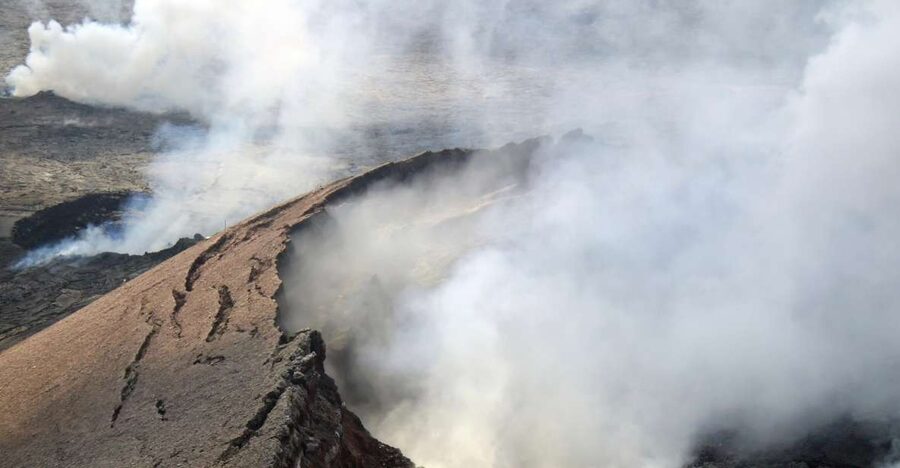
The main event is Kilauea. From above, the caldera gives you a broad view of the volcano’s shape and the forces that have altered the island over time. This is quite different from seeing a single crater from a marked viewpoint on the ground. The helicopter lets you understand the scale of the volcanic area in one sweep.
Do not expect the same sight every day. Kilauea is an active, changing volcanic area, and the exact view depends on weather and current conditions. The attraction is not just the possibility of seeing glowing lava. It is also the chance to see black flows, broken ground, older volcanic surfaces, and the way new material has changed the coast and uplands.
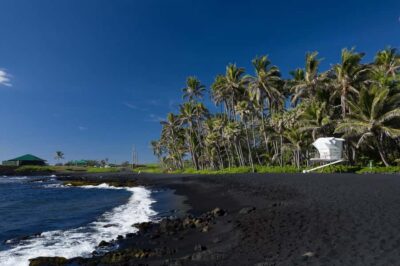
The flight also passes black sand beaches where lava once reached the sea. That detail helps connect the volcano to the coastline. You can see that the island is not a finished object. It is still being shaped by eruptions, erosion, rain, and the sea.
Some passengers describe the volcano and lava views as the strongest part of the experience. I would book this for the broad volcanic view, not for a guaranteed close-up of active lava. If a specific eruption is your only reason for going, conditions could leave you disappointed.
Puʻu ʻŌʻō and the marks of past eruptions
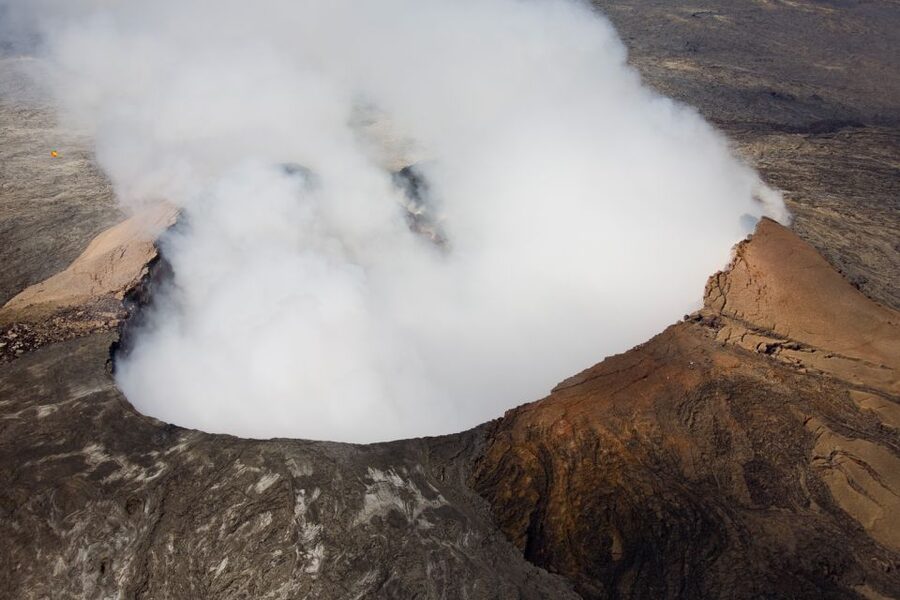
Puʻu ʻŌʻō is another important sight on the route. This volcanic cone gives you a different view of the region’s eruption history than Kilauea’s caldera. From the air, the cone and surrounding lava areas help show how volcanic activity spreads across the island rather than remaining in one neat crater.
The value here is scale. On the ground, you may see a field of rough black rock and have trouble understanding how far it reaches. From a helicopter, the patterns become easier to read. You can compare older flows with newer areas and see how vegetation begins to return in some places.
The tour description also points to new lava fields that are forming. Since site-specific areas depend on weather, your pilot may need to adjust the route. One passenger described a pilot changing the planned path after receiving better weather information farther up the mountain, which led to better photo opportunities. That kind of flexibility is useful on a volcanic island, where clouds and rain can make one route poor and another much clearer.
The pilot’s commentary adds real value here. Sam was praised for explaining the island, its volcanoes, and its past, while Andrew was singled out for both flying skill and clear information. Matt also provided facts throughout a flight. You are not simply looking down at dark rock. You have an English-speaking guide helping you understand what you are seeing.
Mauna Kea and Mauna Loa in the distance
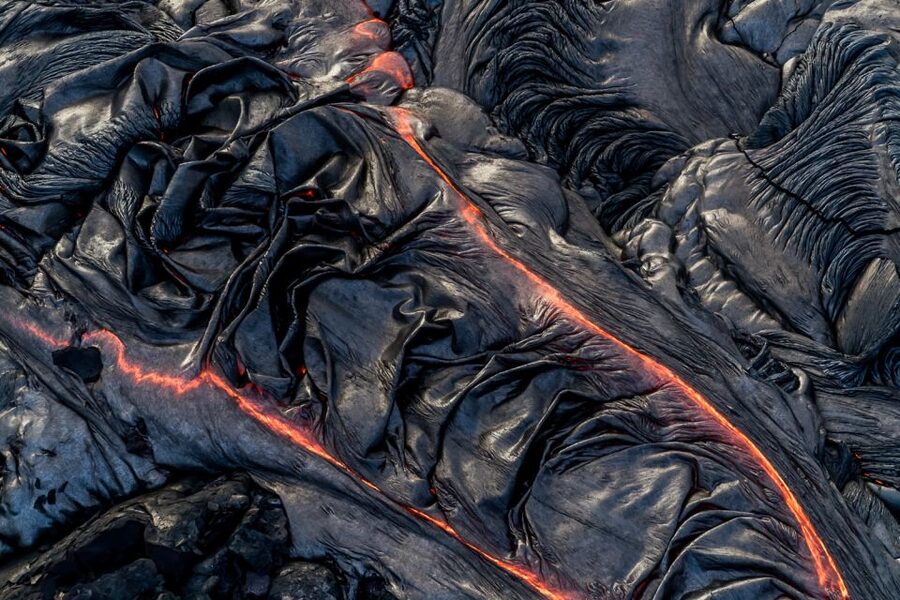
The flight can also frame Mauna Kea and Mauna Loa. Seeing both from the air gives you a useful sense of the Big Island’s size and the separate identities of its major volcanoes.
Mauna Kea and Mauna Loa are not just distant backdrops. Their huge forms help explain why the island has such varied weather and scenery. The tour gives you a chance to photograph them from the helicopter, though clouds may limit the view on any particular departure.
The Big Island is large enough that driving between major sights can consume much of a day. This flight cannot replace time in the national park, but it can show you far more of the island’s volcanic structure in one hour. One passenger described it as a strong way to see the entire island, while another appreciated the view of the enormous natural forces from above.
That does not mean every point is equally clear. A cloudy mountain or covered caldera can change the experience. Keep your expectations flexible, and think of Mauna Kea and Mauna Loa as possible major views within a wider route, not guaranteed postcard subjects.
Same volcano country, a different day out:
- Big Island in a Day: Volcanoes Waterfalls Sightseeing and History
★ 5.0 · 6,569 reviews - Maui: Haleakala Sunrise Spectacular with Local Breakfast
★ 4.5 · 2,155 reviews - Big Island GOAT Experience: Mauna Kea Summit, Sunset & Stars
★ 5.0 · 1,706 reviews - Small Group Big Island Twilight Volcano and Stargazing Tour
★ 5.0 · 1,619 reviews
Waterfalls, jungle, and black sand beaches
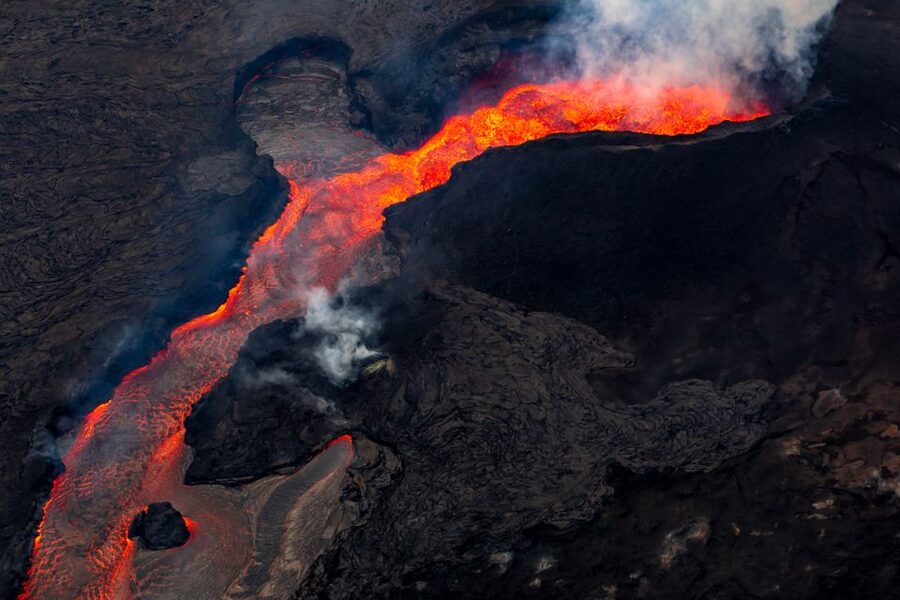
The volcanic scenery is only half the appeal. The route may also pass waterfalls dropping through dense jungle, with deep blue pools surrounded by greenery. This contrast is one of the best reasons to choose a helicopter flight instead of a ground-only volcano outing.
From the air, the change can be quick. Dark lava and black sand give way to wet forest and falling water. The sight shows the Big Island’s two strong visual sides: fire and rain.
There is an important limit. All site-specific areas are weather dependent, and one four-star account specifically noted that the flight did not include a waterfall view or visit. The experience is a flight over the area, not a landing tour with time beside a waterfall. If you want to walk to a waterfall or spend time at a pool, this is not that kind of excursion.
I would treat waterfalls as a welcome part of the route, not the main reason to pay $379. Book it for the combination of volcanoes, coast, mountains, jungle, and the chance to see how they fit together. That approach gives you a fairer idea of what the hour can deliver.
What the $379 price buys you
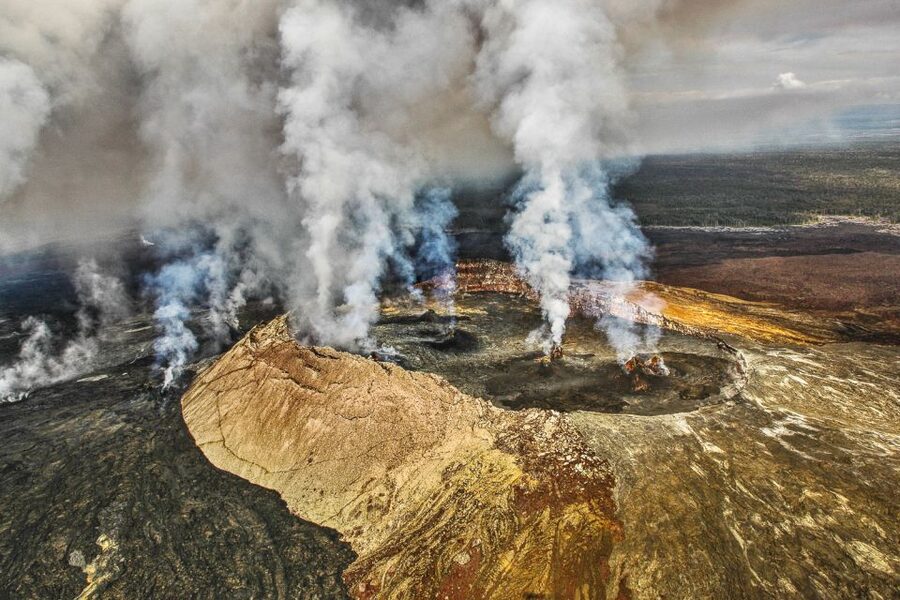
At $379 per person, this is a major activity expense. You are paying for a short flight, but the value is not measured only by minutes in the air. The helicopter covers areas that would take far longer to connect by road, and it gives you a view of volcanic formations that are difficult to understand from ground level.
The small group helps justify part of the cost. A maximum of six participants creates a more focused experience than a large aircraft, and the pilot can provide commentary throughout the flight. The strongest feedback centers on professional handling, safety, pilot explanations, and the quality of the volcano views.
I would compare this with your other Big Island plans. If you already intend to visit Hawaii Volcanoes National Park by car, the helicopter adds height, scale, and access to areas you cannot see from the road. It does not replace the park’s walking routes or overlooks. It gives you a different experience of the same volcanic region.
The flight makes the most sense for a first visit, a special occasion, or anyone especially interested in geology and aerial photography. If your budget is tight, you might prefer to spend the money on several ground activities. If you want one memorable view of the island’s volcanic side, the price can be fair.
Safety, comfort, and passenger rules
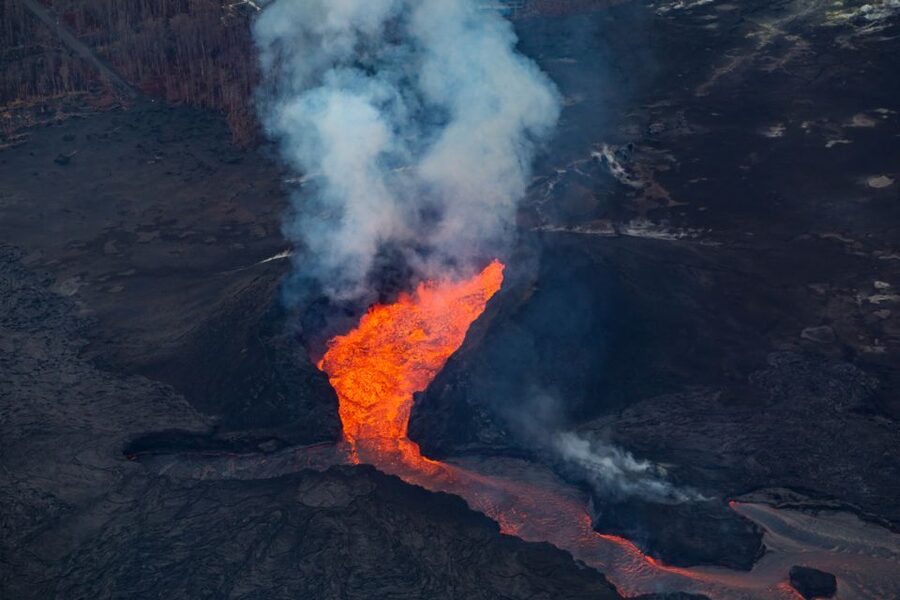
You need to bring a passport or identification card and a credit card. The activity is not suitable for children under two, pregnant women, people with vertigo, people afraid of heights, or people with claustrophobia. Passengers who cannot sit upright are not permitted.
Motion sickness is another concern. A helicopter can feel very different from a car or bus, and this is not a good pick if you already know that short aircraft rides make you ill. The flight is also not suitable for passengers with a cold, according to the stated restrictions.
Weight rules are specific. Any individual weighing 250 pounds or more must purchase an additional seat. Two people who are each under 250 pounds but weigh 420 pounds or more together must also purchase an extra seat. This is tied to aircraft balance and safety, so you should address it before booking rather than treating it as a last-minute surprise.
The activity has an English-speaking live guide. Pilot feedback has been consistently strong, with Andrew, Sam, and Matt each receiving praise for flying skill, clear information, and calm professionalism. That combination matters more to me than a flashy sales pitch. You want a pilot who can manage changing weather while explaining what you are seeing.
How to plan around weather
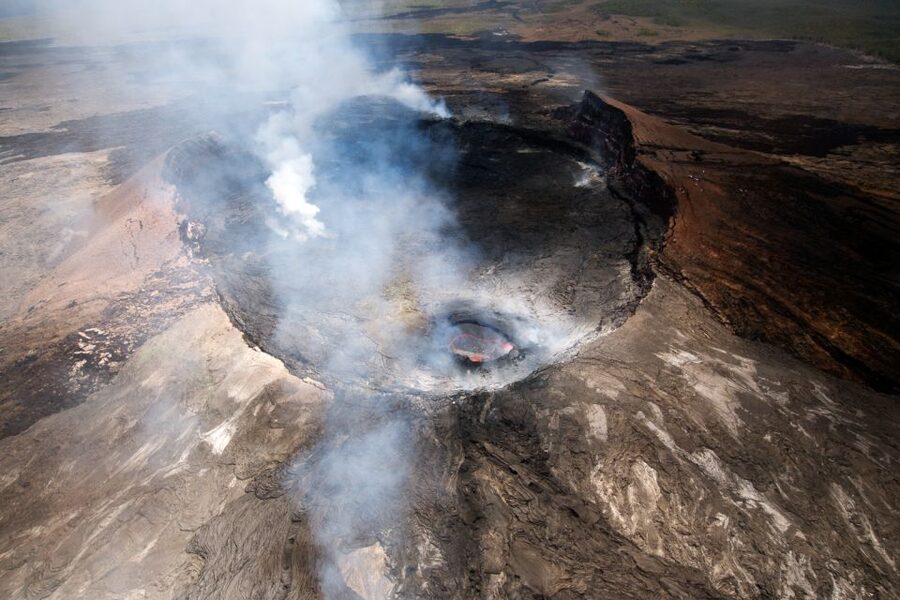
Weather is the biggest variable. The route can change, and exact areas may not be visible. A pilot may adjust the planned path to find better conditions, which can improve the flight, but it also means you should not expect a fixed checklist of sights.
Cloud can affect Kilauea, Puʻu ʻŌʻō, Mauna Kea, Mauna Loa, waterfalls, and parts of the jungle route. Even if the helicopter departs, one or more named sights may be hidden. I would avoid scheduling this as the one and only highlight of a tightly packed day unless you have enough flexibility to handle a changed route.
The operator allows free cancellation up to 24 hours before departure for a full refund. You can also reserve now and pay later, which helps if you are still arranging your Big Island schedule. Check available starting times before you commit, since the flight lasts one hour and departure times vary by availability.
Who should book this flight?
I would recommend it most strongly to you if you want to understand the Big Island’s volcanic scale, prefer a small group, and enjoy learning from a pilot while looking down at the island. It is also a strong fit if you want photographs of Kilauea, Puʻu ʻŌʻō, lava fields, Mauna Kea, and Mauna Loa without spending a full day driving between viewpoints.
You may want to skip it if you dislike heights, get motion sickness, or need a guaranteed waterfall visit. It is also a poor match if $379 would squeeze out several other activities. The flight is brief, and weather can limit the exact route.
Should you book the Safari Helicopters flight?
Book it if you want a compact, high-impact view of Hawaii’s volcanic side. The combination of Kilauea, Puʻu ʻŌʻō, black sand beaches, lava fields, mountains, and jungle gives the hour real range. The small group and strong pilot feedback add practical value.
Just keep the promise realistic. You are booking a weather-dependent aerial tour, not a guaranteed lava spectacle or waterfall landing. If you accept that uncertainty and can afford the price, this is one of the clearest ways to grasp the forces that shaped the Big Island.
FAQ
Where does the helicopter tour begin?
You meet at the Safari Helicopters office at 2220 Kekuanaoa Street in Hilo.
How long does the flight last?
The helicopter tour lasts one hour.
What places can the flight include?
The route can include Hawaii Volcanoes National Park, Kilauea, Puʻu ʻŌʻō, Mauna Kea, Mauna Loa, black sand beaches, lava fields, waterfalls, and jungle areas.
Is the exact route guaranteed?
No. All site-specific areas are weather dependent, so the route and views can change.
How many people are in the helicopter?
The activity is limited to six participants.
What language does the guide speak?
The live tour guide speaks English.
Is a waterfall visit included?
The tour can pass over waterfalls, but it is not described as a landing or ground visit. Waterfall views depend on weather and the route flown.
What identification should I bring?
Bring a passport or ID card and a credit card.
Are there weight restrictions?
Yes. An individual weighing 250 pounds or more must purchase an additional seat. Two people who are each under 250 pounds but total 420 pounds or more must also purchase an additional seat.
Just added around the USA
- Volcanoes National Park: Guided, Small-Group Hike★ 5.0 · 15 reviews
- Evening Volcano Explorer from Hilo★ 4.5 · 67 reviews
- Fat Tire E-Bike Rental – Volcanoes National Park★ 4.5 · 26 reviews
- Evening Volcano Explorer Tour from Kona★ 4.5 · 24 reviews
- Big Island Waterfalls, Blacksand Beaches, Lava Tubes & Volcanoes★ 5.0 · 24 reviews
- Expert Led Private Guided Tour Hawaii Volcanoes National Park★ 5.0 · 5 reviews
- Private – All Inclusive Big Island Volcano & Waterfalls Tour★ 5.0 · 8 reviews
- Best of Big Island: Volcanoes, Waterfall, Blacksand Beach & Lunch★ 5.0 · 14 reviews
Hilo Volcano Tours, compared.

Hilo: Mauna Kea Summit, Sunset, & Stargazing Experience
Read our review →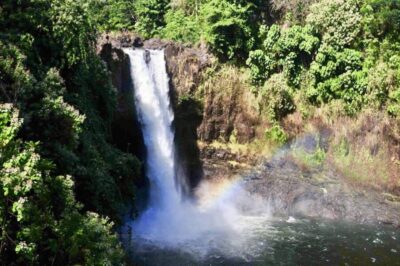
Big Island: Volcanoes, Waterfalls, & Coffee Farm Day-Trip
Read our review →
Volcano Adventure: Hilo Sightseeing w/ Optional Helicopter Tour
Read our review →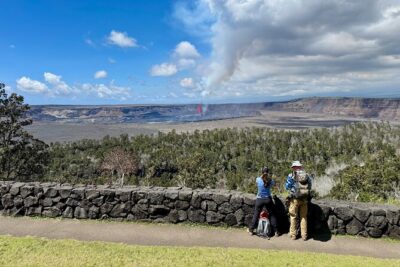
Hilo Shore Excursion: Active Volcano, Lava Tube, Waterfall and Gardens
Read our review →
Big Island: Hawaii Volcanoes National Park and Hilo Tour
Read our review →
Big Island: Volcano, Black Sand Beach, Waterfall, with Lunch
Read our review →
Browse the lists this tour appears in