
REVIEW · TOKYO
Full-Day Tour to the Picturesque Spots of Mount Fuji
Mount Fuji is the star, but the best part of this day is how many different sides of the mountain you see. You’ll frame it behind a five-story pagoda, catch it across Lake Kawaguchiko, and spot it beyond old thatched roofs at Saiko Iyashi-no-Sato Nenba. This is a photo-rich day, not a slow countryside ramble.
I like the mix of traditional culture and open-air scenery. I also like that the $49 price includes transport, attraction tickets, tolls, parking, taxes, and a multilingual guide. The main catch is time: Tokyo traffic can stretch the two-hour ride, while each stop has a firm limit.
Key points at a glance
- Four classic Mount Fuji stops: Visit Saiko Iyashi-no-Sato Nenba, Lake Kawaguchiko and Oishi Park, Oshino Hakkai, and Arakurayama Sengen Park.
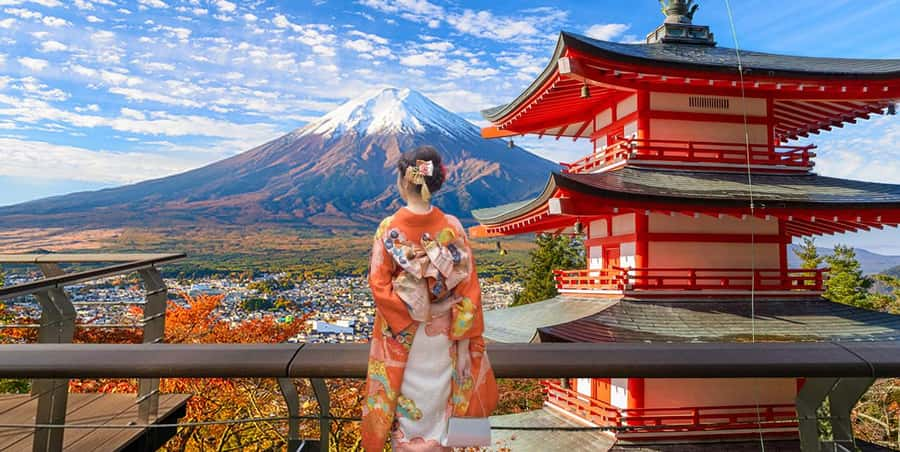
- The famous pagoda view: Climb about 400 steps for the Chureito Pagoda and Mount Fuji photo.
- Fresh spring water: Taste water from Oshino Hakkai’s eight springs, fed by snowmelt from Mount Fuji.
- Seasonal scenery: Oishi Park may be replaced by the Maple Corridor in autumn or cherry blossom groves in spring.
- Useful all-in pricing: Transport, guide, entry tickets, fuel, parking, tolls, taxes, and environmental fees are covered.
- A long day from Tokyo: Departures are listed from Tokyo Station at 8:00 AM or Shinjuku Station at 8:30 AM, with the return timing affected by traffic.
Why this Mount Fuji day trip works
A Mount Fuji tour from Tokyo solves a real problem. The mountain area is spread across several towns and lakes, and fitting the main photo stops into one day by train and local bus would take planning and patience. Here, a vehicle connects the sights while a guide handles the route.
At $49 per person, the value is strong if you want the highlights without arranging separate transport. The price includes entry tickets and the costs that quietly add up on a road trip, including parking, tolls, fuel, taxes, and environmental fees. Meals and drinks are not included, so bring money for food and small purchases.
This is not a private sightseeing day with long pauses at every location. It is a brisk route built around several set stops. You’ll have about one hour at the traditional village, 40 minutes at Oishi Park, one hour at Oshino Hakkai, and one hour at Arakurayama Sengen Park. Those limits keep the route moving, but they also mean you should arrive ready to walk and take photos without delay.
The tour uses an air-conditioned vehicle and offers English and Chinese guidance. Guide Kevin has been praised for clear English and a careful, friendly approach, though the guide for your departure may differ. Since the meeting point depends on the option you choose, check your booking details closely before setting out.
More Mount Fuji Tours in Tokyo:
- Mt Fuji and Hakone 1-Day Bus Tour Return by Bullet Train
★ 5.0 · 26,383 reviews - Mt Fuji & Hakone Cruise, Drum Show Bullet Train 1 Day from Tokyo
★ 4.0 · 7,413 reviews - Tokyo Mt Fuji 5th St & Hakone Cruise Bus Tour w/Bullet Train
★ 4.4 · 5,024 reviews
Leaving Tokyo for the Fuji Five Lakes area
The listed departures are 8:00 AM from Tokyo Station and 8:30 AM from Shinjuku Station. The ride toward Mount Fuji is estimated at two hours, but that is a best-case figure rather than a promise. Weekends, public holidays, cherry blossom season, and autumn maple season can bring heavy traffic.
You should keep your evening free. The return transfer is also estimated at two hours and may run longer. This is especially important if you have a dinner reservation, airport transfer, or evening train to catch.
The long road portion is the price of seeing these scattered places in one day. I would bring water, wear shoes with good grip, and keep your camera easy to reach. Food and drinks are not allowed in the vehicle, and smoking is prohibited.
Saiko Iyashi-no-Sato Nenba and its thatched roofs
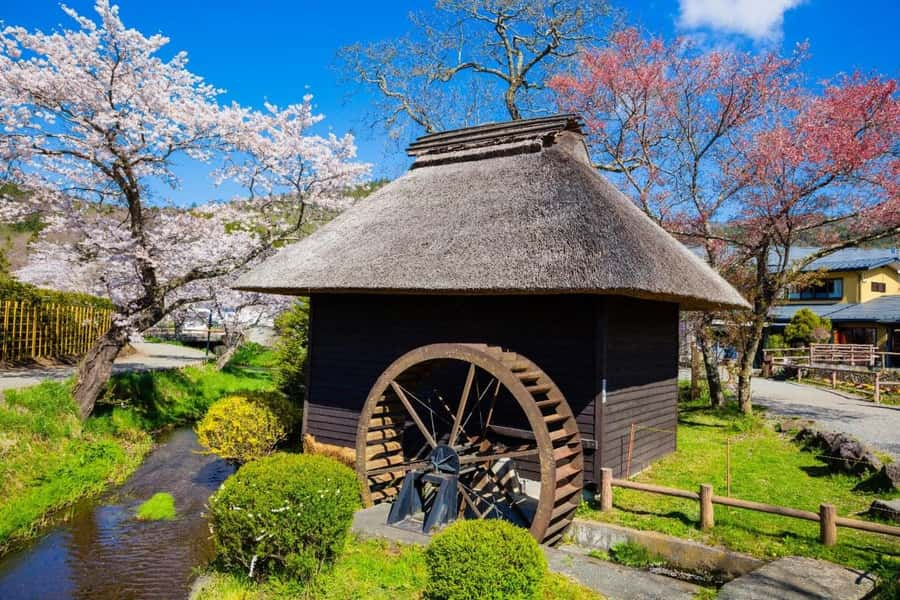
The first major stop is Saiko Iyashi-no-Sato Nenba, a reconstructed village of traditional thatched-roof houses beside the Fuji area. You get about one hour here, enough to walk through the village, look at traditional crafts, and take photographs of the old-style buildings.
The village recreates a Heian-era rural setting, giving the tour a welcome cultural pause after the ride from Tokyo. The architecture is the point. It offers a picture of Japanese countryside life that is quite different from the modern streets of Tokyo.
On a clear day, two thatched houses create a natural frame around Mount Fuji. That view depends heavily on weather, so don’t judge the stop only by the mountain. Even if clouds cover the peak, the village itself provides the older, quieter setting this tour needs.
One hour is practical but not generous. If you enjoy craft displays, architecture, and careful photography, you may wish for more time. A previous departure also found the first and last village stops a little rushed, so use your hour wisely rather than wandering without a plan.
Lake Kawaguchiko and Oishi Park in 40 minutes
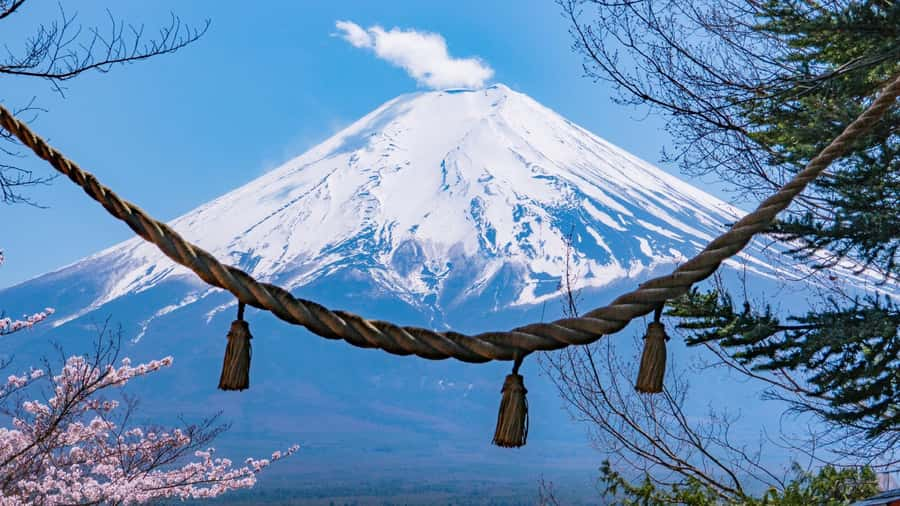
Oishi Park is a short stop, only about 40 minutes, but it gives you one of the tour’s broadest views. The park sits beside Lake Kawaguchiko, with Mount Fuji rising across the water when conditions are clear.
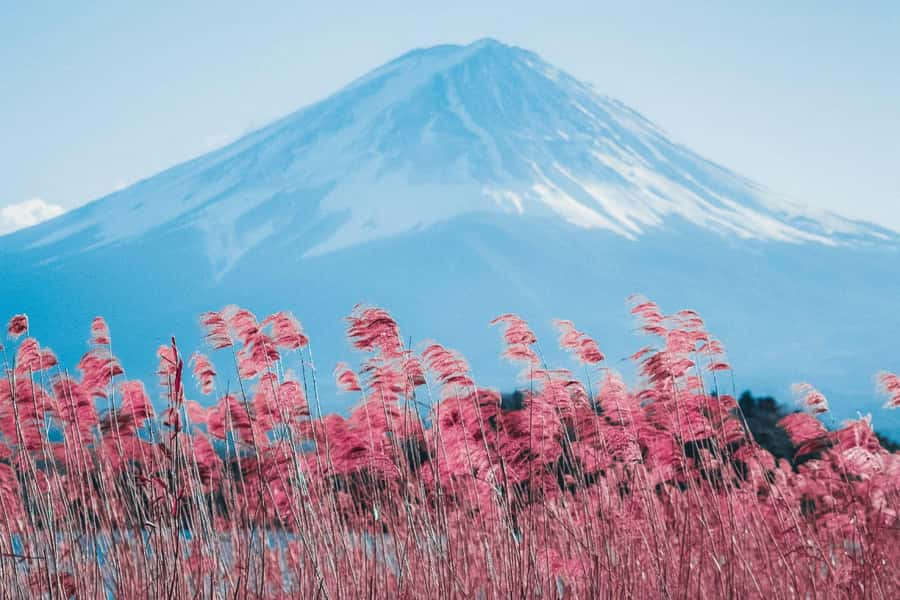
The scenery changes with the season. Green kochia bushes and lavender fields are part of the visual appeal, and the lavender can create a soft band of color leading toward the mountain. Reeds along the water add a calmer foreground for photographs.
This is a good place to slow down for a few minutes, even though the schedule does not allow a long lakeside walk. You can take in the lake, find a Fuji-facing viewpoint, and enjoy the open air before returning to the vehicle.
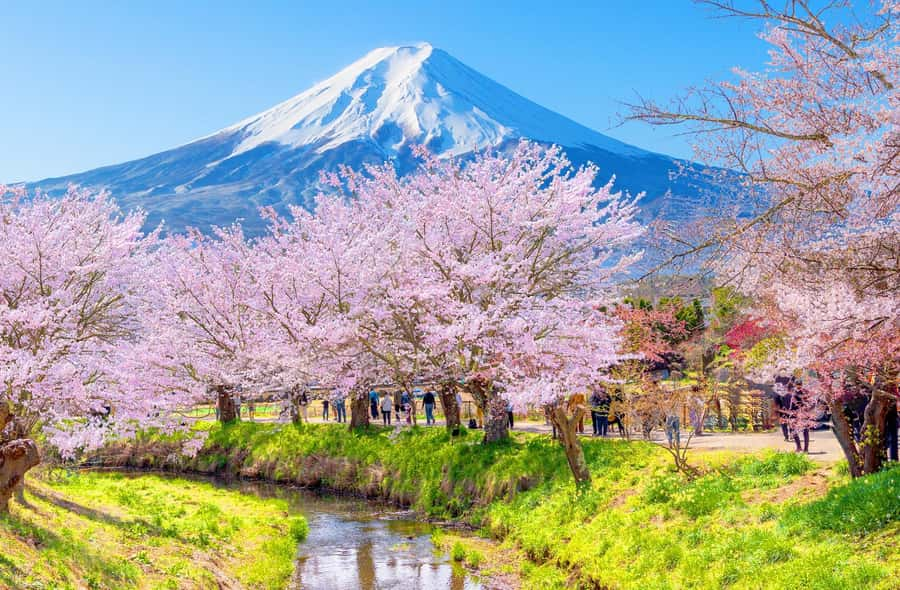
There is an important seasonal change to note. During the autumn maple season, the route may visit the Maple Corridor instead of Oishi Park. In spring, it may use cherry blossom groves instead. That can be a fine trade, but you should know that the exact seasonal stop may not be the one pictured in the standard route.
Mount Fuji visibility is never guaranteed. Check the forecast before you go, but remember that conditions can change during the day. A cloudy visit still gives you the lake and plants, but the classic Fuji view is the main reason this stop matters.
More Full-Day Tours in Tokyo:
- From Tokyo: Mount Fuji Full-Day Sightseeing Trip
★ 4.5 · 4,970 reviews - Mount Fuji Full-Day Private Tour from Tokyo (Customizable)
★ 4.9 · 1,470 reviews - From Tokyo: Mount Fuji Full Day Customizable Private Tour
★ 4.9 · 912 reviews - From Tokyo: Must-Visit Mount Fuji Highlight Full-Day Tour
★ 4.7 · 532 reviews
Oshino Hakkai and Mount Fuji’s spring water
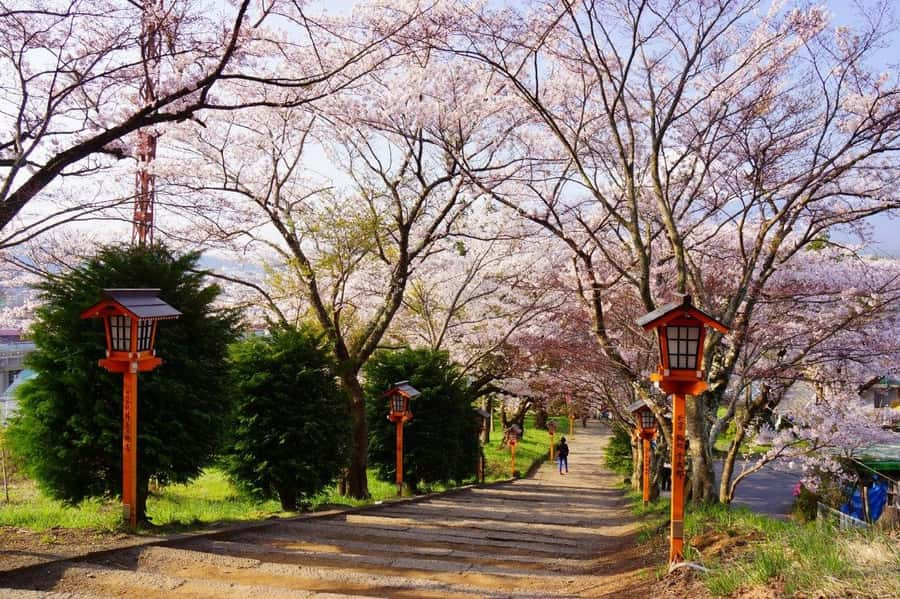
Oshino Hakkai is a village known for eight clear springs fed by snowmelt from Mount Fuji. The water filters through the mountain before reaching the springs, creating the clean, bright pools that give this stop its character.
You can taste the spring water here. That small act makes the place more memorable than simply photographing a pond. The water is also tied to local belief, with a tradition that it brings good health and a long life.
The setting has a more active feel than Oishi Park. You’ll find shops and local merchants around the springs, and it is wise to carry some cash because not every seller accepts credit cards. Meals and drinks are not covered, so this may be a convenient place to buy something, though the tour does not promise a dedicated meal break.
Allow one hour. That gives you time to see several springs, try the water, browse a little, and take photographs. It is not enough for a leisurely stop at every stall, especially when the area is crowded.
Crowds are common during peak seasons. Move with purpose, keep track of the meeting time, and do not assume you can return to the vehicle in a few minutes. The clear water and Fuji connection make Oshino Hakkai one of the more distinctive stops on the route.
Arakurayama Sengen Park and the 400-step climb
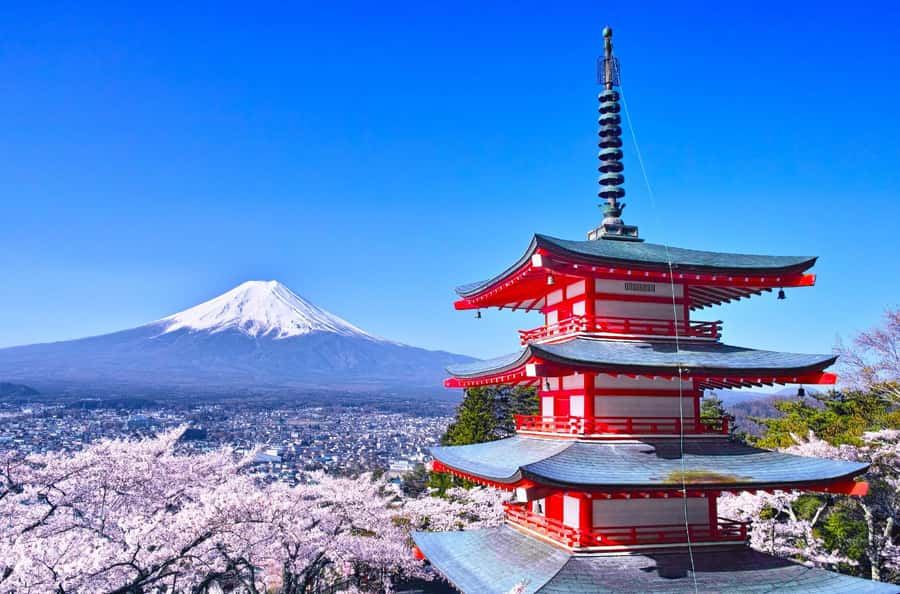
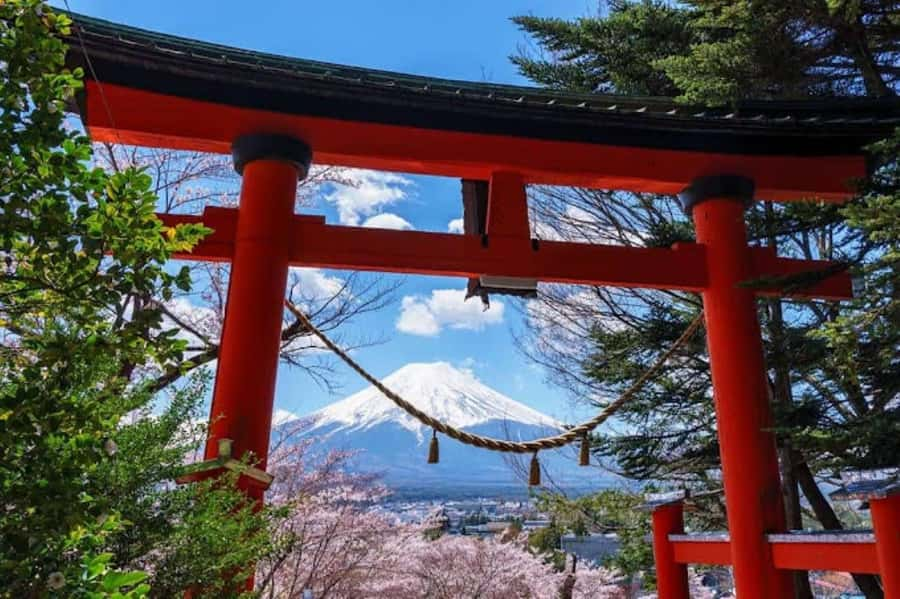
The final major sight is Arakurayama Sengen Park, home to the view many people picture when they think of Mount Fuji in Japan: the red Chureito Pagoda set against the mountain.
Reaching the observation area requires about 400 steps. The climb passes through greenery and may be accompanied by birdsong, but it is still a real workout after a full day of walking. Wear comfortable shoes and take your time. There is no reason to treat the stairs as a race.
At the top, the five-story pagoda and Mount Fuji form a carefully balanced photograph. The view is famous because it brings together a symbol of Japanese religious architecture and the country’s best-known peak. On a clear day, this can be the most rewarding camera stop of the day.
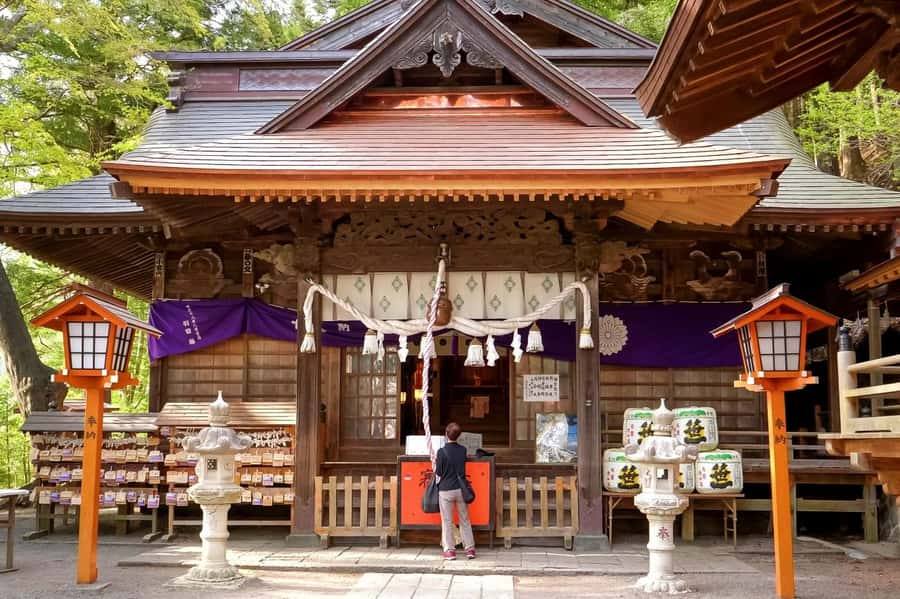
The park also includes Arakura Fuji Sengen Shrine, established in 705. The shrine is dedicated to the deity of Mount Fuji and was linked to rituals intended to calm the mountain’s eruptions. You can offer a prayer and see a place of worship rather than treating the pagoda only as a photo prop.
Give yourself enough time for both the climb and the shrine. One hour can feel tight if the stairs are crowded or you want to spend quiet time at the top. Still, this stop earns its place on the route because the view is so distinctive.
The guide and the pace of the day
The tour provides an English or Chinese-speaking guide. A guide named Kevin has received particular praise for speaking clear English, staying attentive, and doing his best to keep the day pleasant. That is useful on a route where traffic, weather, meeting times, and seasonal changes can all affect the plan.
The guide also helps add context to places that might otherwise blur together. At the village, you get the cultural setting. At Oshino Hakkai, the springs make more sense as part of Mount Fuji’s water system. At the shrine, the mountain is connected to religious practice rather than treated only as a scenic backdrop.
Still, the guide cannot control the weather or traffic. The schedule may change for safety and road conditions, and some stops may be shortened if the vehicle loses time. I would treat the listed times as targets, not guarantees.
The tour is not suited to people who need a wheelchair, have significant mobility limitations, or are pregnant. The 400-step climb is the clearest physical challenge, but the full day also includes walking, standing, getting in and out of the vehicle, and moving through crowded places. Anyone aged 70 or above is asked to sign a travel waiver on arrival.
What to eat, bring, and plan for
Meals are not included, and the route does not promise a specific lunch stop. Bring cash for local merchants, since some do not take credit cards. You may also want a small snack for before or after the tour, but remember that food and drinks cannot be consumed in the vehicle.
Wear comfortable walking shoes. This is especially important for the steps at Arakurayama Sengen Park and for walking around the village, lakeside park, and springs. Bring water, comfortable clothes, and a weather layer suitable for the forecast.
Large luggage and strollers should be declared when booking. The vehicle arrangement may need to account for them. If your daypack is small and practical, you’ll find it easier to move quickly at each stop.
The tour can be canceled up to 24 hours in advance for a full refund, and you can reserve now and pay later. Those terms are useful when Fuji visibility is a concern, though the forecast alone cannot guarantee a clear mountain.
Who should book this $49 tour?
I would choose this tour if you are staying in Tokyo and want the main Mount Fuji photo locations in one organized day. It suits first-time visitors, photographers who want several different compositions, and anyone who does not want to work out a complicated regional transport plan.
The tour is also a good fit if you want more than a single lake viewpoint. The thatched village adds culture, Oshino Hakkai adds local water traditions, and the shrine gives the final stop a spiritual setting.
I would think twice if you dislike long vehicle rides, fixed stop times, or crowded attractions. The route covers a lot of ground, and the famous places can be busy during blossom, maple, weekend, and holiday periods. It is also not the right choice if you need step-free access or a slow, unhurried schedule.
At $49, the included transport and entrance costs make this a practical deal for a full day from Tokyo. Book it for variety and convenience, not for private-tour flexibility. If clear Fuji views matter most, choose the date with the best forecast you can find, then keep your expectations realistic.
FAQ
Where does the tour depart from?
The listed departure options are Tokyo Station at 8:00 AM and Shinjuku Station at 8:30 AM. The exact meeting point can vary according to the option booked.
Where does the tour finish?
The activity ends back at the meeting point.
How long is the transfer from Tokyo?
The estimated transfer time is two hours each way, but traffic can make the journey longer.
Is Mount Fuji guaranteed to be visible?
No. Visibility depends on weather conditions. Check the forecast before your trip.
What attractions are included?
The route includes Saiko Iyashi-no-Sato Nenba, Lake Kawaguchiko and Oishi Park, Oshino Hakkai, and Arakurayama Sengen Park with Arakura Fuji Sengen Shrine.
Is the Chureito Pagoda included?
Yes. The tour visits Arakurayama Sengen Park, where you can see the five-story pagoda and Mount Fuji from the observation area.
Are meals included?
No. Meals and beverages are not included.
What languages are available?
The tour offers English and Chinese guidance.
Can I bring a stroller or large luggage?
You should indicate when booking if you plan to bring a stroller or large luggage.
Is the tour suitable for wheelchair users?
No. It is listed as unsuitable for wheelchair users and people with mobility impairments. It is also listed as unsuitable for pregnant women.
Just added around Tokyo
- Tokyo/Yokohama: Mt. Fuji and Hakone Private Day Tour★ 5.0 · 64 reviews
- Tokyo:Mt Fuji & Hakone Day Tour with English Speaking Driver★ 5.0 · 26 reviews
- Tokyo:Fuji-Kawagu Cable Car (Ticket Inc.) Shinkurayama&Panos★ 3.9 · 7 reviews
- Tokyo:Customizable Private Day Trip to Mt.Fuji & Safari Park★ 4.8 · 6 reviews
- Tokyo: Private Day Trip to Mount Fuji and Hakone★ 4.9 · 8 reviews
- Tokyo to Mount Fuji and Hakone: Private Full-Day Tour★ 3.7 · 5 reviews
- Tokyo: Private Mount Fuji Tour with Pickup and Drop-Off★ 4.7 · 69 reviews
- Tokyo: Private Mount Fuji Day Trip with Private Guide★ 3.5 · 5 reviews
Tokyo Volcano Tours, compared.
Mt Fuji and Hakone 1-Day Bus Tour Return by Bullet Train
Read our review →
Mt Fuji & Hakone Cruise, Drum Show Bullet Train 1 Day from Tokyo
Read our review →
From Tokyo: Mount Fuji Full-Day Sightseeing Trip
Read our review →
Tokyo: Mt. Fuji Tour, Hakone Ropeway, Owakudani, Lake Ashi
Read our review →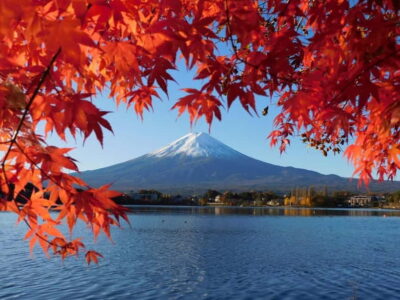
Tokyo:Mt.Fuji,Kawaguchiko Oishi Park,Arakurayama Sengen Park
Read our review →
Private Tour to Mt. Fuji and Hakone (Fully Licenced Operator)
Read our review →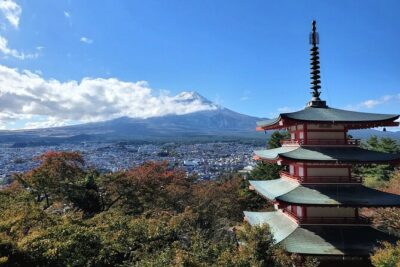
Mount Fuji Full-Day Private Tour from Tokyo (Customizable)
Read our review →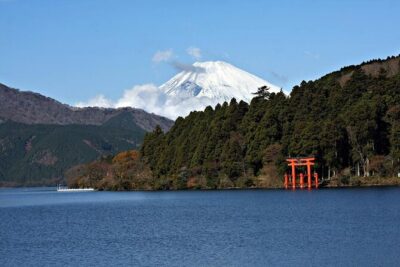
Mt Fuji & Hakone Cruise, Drum Show Bus 1 Day from Tokyo
Read our review →Browse the lists this tour appears in