
REVIEW · NAPLES
From Naples: Herculaneum, Vesuvius, and Pompeii Trip
The eruption of Vesuvius in 79 A.D. comes into focus here through three very different stops: the preserved streets of Herculaneum, the volcanic crater above the Bay of Naples, and the vast ruins of Pompeii. I like that you can reach all three from Naples without arranging separate trains, buses, and park transfers.
I especially like the on-time transport and the fact that entrance tickets are bundled into the price. You also get real freedom at each site, rather than being tied to a guide’s running commentary. The tradeoff is clear: three major places in one day is efficient, but two hours at Pompeii and 90 minutes at Vesuvius will feel short if you want a slow, detailed visit.
Key points to know before booking

- Three landmark stops in one day: Visit Herculaneum, Mount Vesuvius, and Pompeii during an 8.5-hour trip from Naples.
- Comfortable transfers included: The bus connects the sites, with about 40 minutes from Naples to the first stop and 30 to 40 minutes between later stops.
- Independent sightseeing: You explore Herculaneum and Vesuvius on your own, with Pompeii audio guides available in several languages.
- Tickets are covered: Admission to the archaeological sites and Vesuvius National Park is included, along with the booking fee.
- A small bag is essential: Oversize luggage is not allowed, and you must bring valid ID to rent the Pompeii audio guide.
- Best for a time-saving overview: The schedule works well for a first look, but not for a leisurely study of every street, villa, and painting.
One day, three faces of the Vesuvius eruption
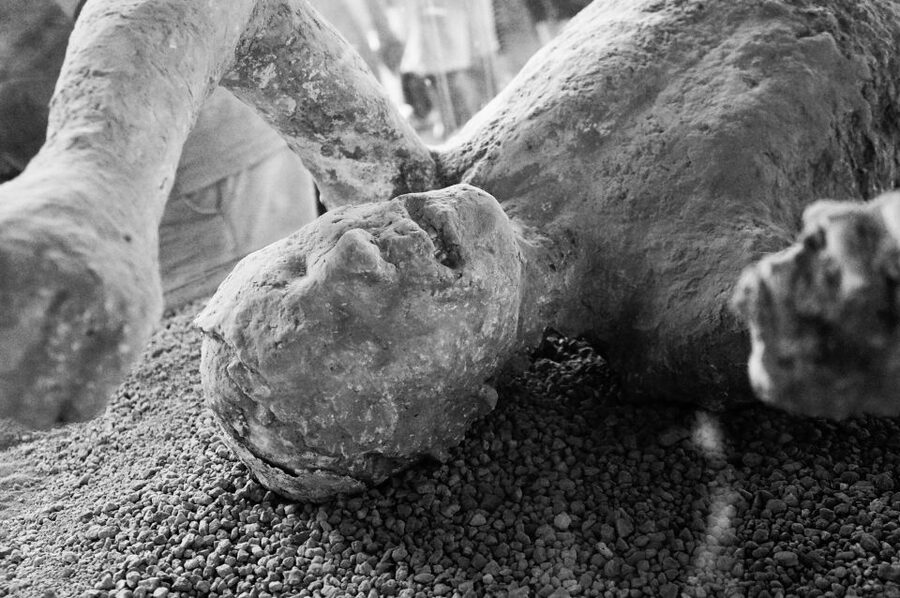
This outing is built around a simple idea: see the volcano and the two Roman towns it destroyed. That gives you a useful sequence. First, you see the ancient remains. Then you climb toward the force that caused the disaster. Finally, you walk through Pompeii, the largest and most famous archaeological site of the three.
The pickup point is at Via Galileo Ferraris, 40, near the Hotel Ramada in Naples. Use the coordinates provided when finding it on a map, and look for the bus with the Around Vesuvio logo. The listed transfer from Naples takes about 40 minutes.
The driver speaks English, but this is not a fully guided tour. That distinction matters. You receive transport, admission, and time to explore, not a historian walking beside you from one room to the next. At Pompeii, an audio guide is included in multiple languages: Chinese, Dutch, English, French, German, Hebrew, Italian, Portuguese, Russian, and Spanish.
I see this as a practical choice for someone who wants the big picture in one day. It removes much of the day’s transport planning, but it leaves the interpretation largely in your hands.
More Vesuvius and Pompeii Tours in Naples:
- From Naples: Pompeii Ruins & Mount Vesuvius Day Tour
★ 4.3 · 11,459 reviews - Naples or Sorrento: Full-Day Pompeii and Mount Vesuvius Tour
★ 4.6 · 4,235 reviews - Pompeii & Mt.Vesuvius Day Tour from Naples with Pizza Lunch
★ 4.0 · 2,901 reviews
Herculaneum: smaller, more intimate, and remarkably preserved
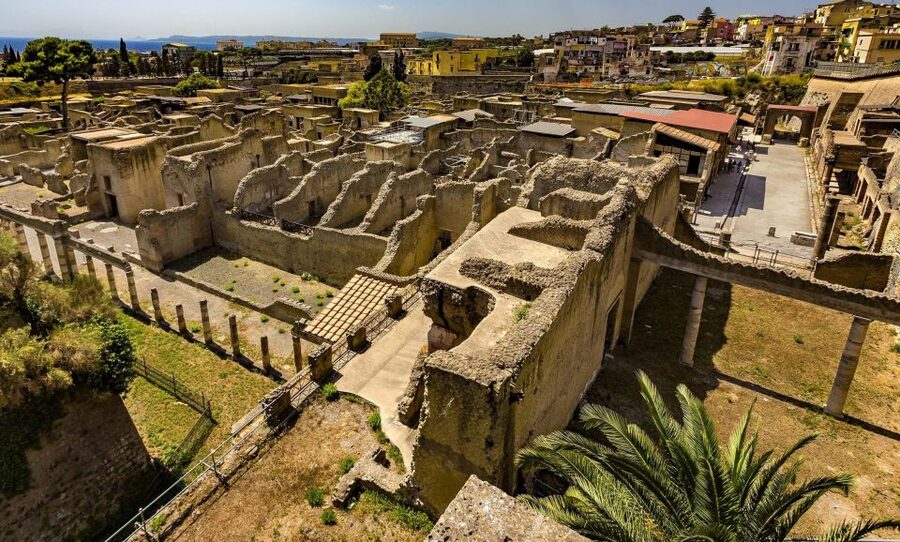
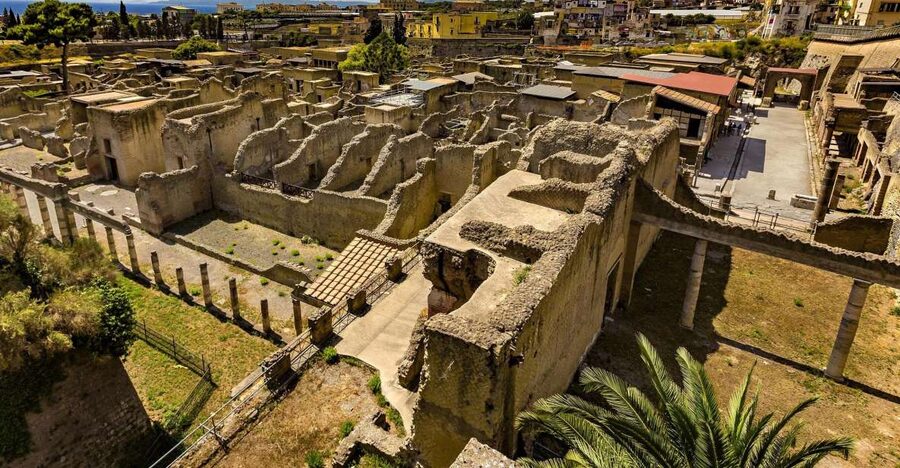
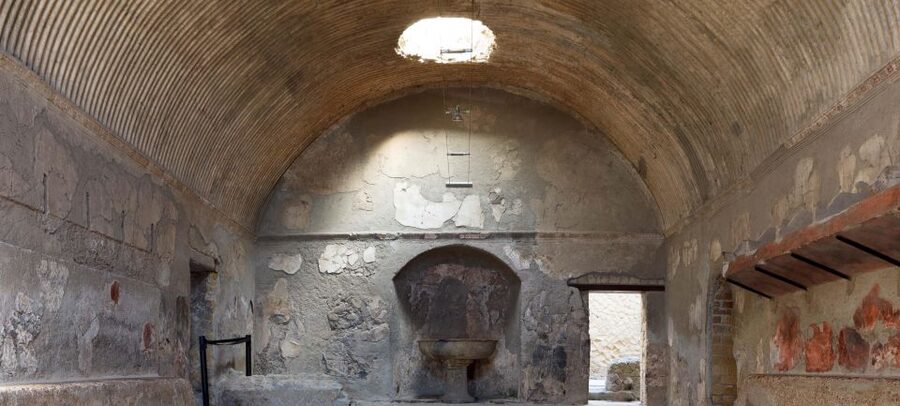
Herculaneum is the first archaeological stop, with about two hours set aside for your visit. Compared with Pompeii, it is smaller and more compact, so you can get a strong sense of the town without covering such a large area.
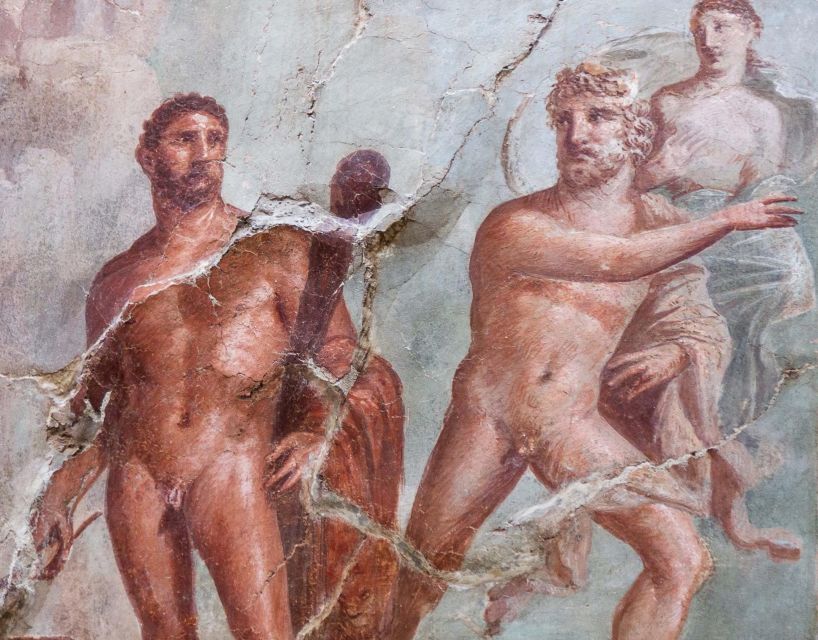
The site is valuable because the eruption preserved far more than street outlines and wall fragments. Paintings, architecture, and other details survived in a way that helps you picture Roman domestic life. You might find that Herculaneum feels easier to read than Pompeii, especially when you have only a limited amount of time.
Two hours is a useful amount of time for a first visit, though it will not allow a careful look at every building. If you like to stop for long periods at individual rooms, read every sign, or study the paintings closely, you will need to choose your priorities.
The transfer arrangement helps here. You do not need to work out a separate Naples to Herculaneum connection before the day begins, and the next ride is about 30 minutes. Once at the site, though, you are on your own, so bring your own curiosity and use the time well.
Mount Vesuvius at 1,000 meters

After Herculaneum, the bus takes you up to Mount Vesuvius. The stop lasts about 90 minutes, and the bus reaches an elevation of roughly 1,000 meters.
This is the day’s most physical section. You have free time to visit the volcano and reach the crater, so the outing is not just a roadside viewpoint. The attraction is the chance to stand on the volcano itself and look into the crater area, with the natural park providing a very different setting from the excavated Roman towns below.
I like the contrast. Herculaneum and Pompeii show the effects of the eruption, while Vesuvius gives you a direct look at the volcanic source. It turns the day from a sequence of ruins into a clearer story.
The 90-minute limit also requires discipline. You need to allow time for the walk to the crater and for returning to the bus. Avoid treating this as a relaxed mountain outing. It is a timed visit within a larger schedule.
The activity information says the tour is not suitable for people with mobility impairments. That warning is especially relevant here, since the crater visit involves walking on volcanic terrain. Even if you are comfortable walking, wear sensible shoes and keep your bag light.
Pompeii: the biggest stop comes last
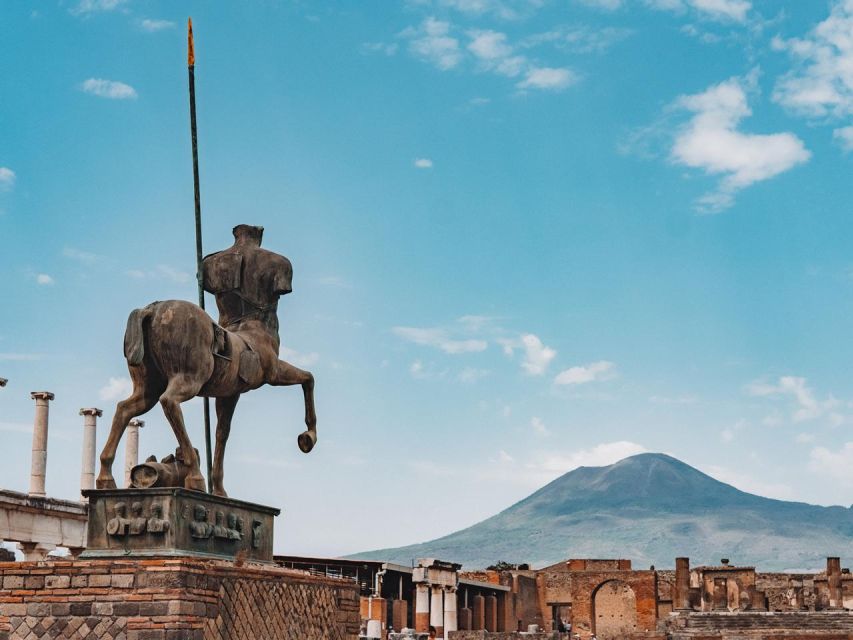
The final major visit is Pompeii, with about two hours inside the archaeological site. This is the stop most likely to leave you wishing for more time. Pompeii is extensive, and its streets, houses, public buildings, paintings, and open spaces reward a slower pace.
Arriving here after Herculaneum and Vesuvius has one advantage: you already understand the basic story of the eruption. You can focus on what makes Pompeii different rather than trying to absorb the entire subject from scratch.
The audio guide can help you use the short visit well. It is available in several languages, but you must bring valid identification to rent it. Pack your passport or ID card, not just a photo on your phone, since the information specifically says a valid document is needed.
The audio guide also explains why this is not a standard guided tour. You will not have a person leading the group through the ruins, and there is no listed bus guide providing commentary between stops. If you prefer the freedom to pause, skip, or change direction, that is a benefit. If you want a specialist to explain every major building, it may feel limited.
Two hours gives you a sample rather than a full Pompeii experience. I would decide in advance what matters most to you. You might focus on streets and houses, public spaces, paintings, or the overall layout. Trying to see everything will turn the visit into a hurried march.
Same volcano country, a different day out:
- Mount Vesuvius: Skip-the-Line Ticket and Smart Digital Guide
★ 4.2 · 2,780 reviews - Naples: Pompeii & Mt Vesuvius All-Inclusive Small Group w/ Lunch
★ 4.5 · 2,748 reviews - From Naples: Mount Vesuvius Transfer with Entry Tickets
★ 4.3 · 1,247 reviews - Naples: Pompeii & Mt. Vesuvius Day Trip with Tickets & Lunch
★ 4.7 · 1,208 reviews
How the transport affects the day
The coach is the backbone of the experience. The route includes about 40 minutes from the Naples meeting point to the first site, 30 minutes between Herculaneum and Vesuvius, 30 minutes from Vesuvius to Pompeii, and about 40 minutes on the return to Naples.
Those rides provide useful breaks between outdoor walking and archaeological visits. They also remove the need to manage several public transport connections on a day when timing matters. The transport is particularly helpful for Vesuvius, where reaching the national park can be more complicated than simply taking a train to a city station.
The schedule is tightly coordinated. A strong point of the operation is that the transfers are designed to keep the day moving, and the supplied experience information emphasizes punctual, comfortable transport. That structure is reassuring, but it also means you need to return to the bus promptly at every stop.
This is not a hop-on, hop-off arrangement. Each site has a fixed amount of free time, and delays at one stop could reduce your time at the next. Keep your watch visible and do not assume the driver can hold the bus.
What the $152.93 price really covers

At $152.93 per person, this is not the cheapest possible way to visit the area. You could potentially reduce the cost by arranging local trains, site tickets, and other transport yourself. That lower-cost approach would also require more planning and would give you less protection against missed connections.
The price here includes the return transfer from Naples, admission to Herculaneum and Pompeii, the Vesuvius National Park ticket, the Pompeii audio guide, and the booking fee. The listed Vesuvius admission is €11.68, while Pompeii admission is €20.00. Food and drinks are not included.
The value depends on what you want from the day. I think the price makes more sense if you have only one day for the area, want all three places, and prefer a prepared route. It makes less sense if you are staying near Pompeii or Herculaneum, already understand the local transport system, or want to spend a full day at Pompeii alone.
There is also value in reducing decision fatigue. You do not need to compare train departures, find a separate Vesuvius connection, or buy each ticket during a packed day. You are paying for convenience and coordination as much as for admission.
The freedom and limits of independent visits
The tour gives you autonomy at every major stop. That means you can move at your own pace, choose the rooms and streets that interest you, and avoid being pulled along by a group’s preferred rhythm.
That freedom is strongest at Herculaneum and Pompeii, where you have time to explore without a person guiding the group. At Vesuvius, it lets you decide how much time to devote to the crater walk and the surrounding park.
The downside is a lack of live explanation. The driver speaks English, but the included service does not list a personal guide. You should choose this outing because you are comfortable reading signs, using an audio guide, or doing a little preparation before departure.
A short amount of planning will improve the day. Look up the main points you want to see at Herculaneum and Pompeii, then use the audio guide selectively. You will get more from two hours if you are not deciding your route for the first 30 minutes.
Practical details that can make or break the day
Pack only a small bag. Oversize luggage is not allowed, and this is not the right outing for a suitcase or large backpack. You will be moving through several stops and spending much of the day on foot, so light packing is also more comfortable.
Bring a passport or ID card. The information specifically requires valid identification for renting the Pompeii audio guide. Treat this as a firm part of your packing list.
Food and beverages are not included. The supplied details do not promise a meal stop, so plan accordingly, but do not bring more luggage than necessary. A small bag is the safest option.
The outing lasts 8.5 hours, with starting times available according to the date you choose. It begins and ends at the same Naples meeting point, Via Galileo Ferraris, 40. The return drop-off is included.
You can cancel for a full refund up to 24 hours before the activity, and the reserve-now, pay-later option gives you some flexibility when planning. These are useful protections, but the main practical question is still whether you can manage a full day of walking and a fixed schedule.
Who will appreciate this Naples day trip

I would recommend this experience to you if you have limited time in Naples and want to see all three headline sites without arranging the connections yourself. It also suits first-time visitors who want a clear introduction to the eruption and its impact.
It is a good match for independent sightseers. You get structure on the road and freedom at the sites, a combination that lets you avoid both transport stress and a constantly guided group.
It is less suitable if Pompeii is your main passion. Two hours is enough for a first impression, but not enough for a slow, detailed visit. You may prefer a separate Pompeii day if you want to explore at length.
I would also think twice if walking is difficult for you. The activity is specifically not suitable for people with mobility impairments, and the Vesuvius crater walk adds a demanding outdoor element.
Should you book it?
Book this trip if you value one coordinated day more than maximum time at any single site. The strongest features are the punctual transfers, included admission tickets, Vesuvius access, and the chance to compare Herculaneum and Pompeii on the same day.
Skip it if you want a personal archaeologist, long quiet visits, or a relaxed schedule. There is no listed person guide, the stops are timed, and Pompeii in particular deserves more than two hours if you want to see it carefully.
For a first look at the volcano and its two famous Roman victims, this is a sensible, well-organized option from Naples. Just pack light, bring your ID, wear shoes suited to walking, and accept that you are choosing breadth over depth.
FAQ
Where does the tour begin?
The meeting point is Via Galileo Ferraris, 40, near the Hotel Ramada at Via G Ferraris n.4 in Naples. The suggested map coordinates are 40.8505189, 14.2747942. Look for the bus with the Around Vesuvio logo.
How long does the activity last?
The full experience lasts 8.5 hours. Starting times depend on availability.
Which places are visited?
The tour visits Mount Vesuvius, the Archaeological Site of Herculaneum, and the Pompeii Archaeological Site.
How much free time is provided at each main stop?
You have about 1.5 hours at Mount Vesuvius, two hours at Herculaneum, and two hours at Pompeii.
Are admission tickets included?
Yes. Admission to Herculaneum and Pompeii, the Vesuvius National Park ticket, the booking fee, and the return transfer are included.
Is a guide included?
A personal guide is not included. The driver speaks English, and an audio guide is included for Pompeii in Chinese, Dutch, English, French, German, Hebrew, Italian, Portuguese, Russian, and Spanish.
What should I bring for the audio guide?
Bring a valid passport or ID card. Identification is required to rent the Pompeii audio guide.
Can I bring a large suitcase?
No. Oversize luggage is not allowed. Bring only a small bag.
Just added around Naples
- TICKET VESUVIUS SKIP THE LINE WITH SUPPORT ASSISTANCE★ 3.9 · 22 reviews
- Vesuvius National Park Skip-the-Line Ticket★ 3.8 · 221 reviews
- From Naples: Pompeii and Vesuvius Tour with Ticket Options★ 4.4 · 28 reviews
- from Naples – Private Tour Pompeii, Vesuvius, and Sorrento★ 4.4 · 27 reviews
- Naples: Pompeii, Herculaneum and Mt. Vesuvius Private Tour★ 4.7 · 99 reviews
- From Naples: Pompeii & Mount Vesuvius Full-Day Private Tour★ 4.5 · 4 reviews
- Pompeii and Mount Vesuvius excursion from Naples★ 4.6 · 188 reviews
- Pompei: Private tour of Pompei and Vesuvius from Sorrento★ 5.0 · 8 reviews
Naples Volcano Tours, compared.
From Naples: Pompeii Ruins & Mount Vesuvius Day Tour
Read our review →
Pompeii & Mt.Vesuvius Day Tour from Naples with Pizza Lunch
Read our review →
Mount Vesuvius: Skip-the-Line Ticket and Smart Digital Guide
Read our review →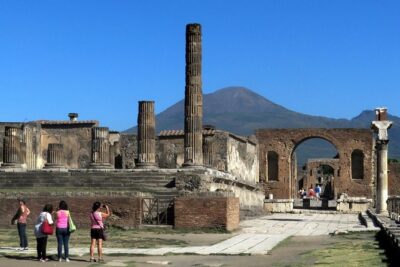
Naples: Pompeii & Mt Vesuvius All-Inclusive Small Group w/ Lunch
Read our review →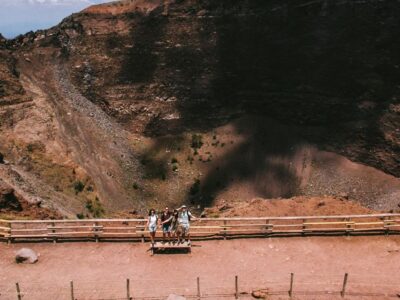
From Naples: Mount Vesuvius Transfer with Entry Tickets
Read our review →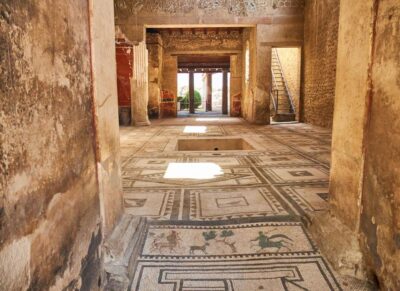
Naples: Pompeii & Mt. Vesuvius Day Trip with Tickets & Lunch
Read our review →
Skip-the-Line Pompeii & Mt. Vesuvius Day Trip from Naples
Read our review →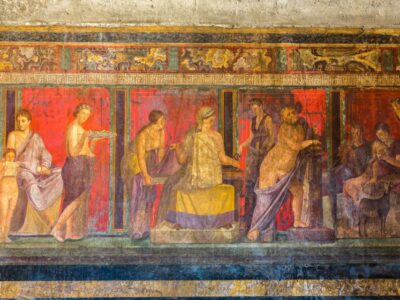
From Naples: Pompeii, Herculaneum, & Vesuvius Full-Day Tour
Read our review →Browse the lists this tour appears in