REVIEW · AUCKLAND
From Auckland: Rotorua Māori Village & Hot Springs with Haka
Rotorua’s Whakarewarewa Village gives you two very different sights at once: a living Māori community and an active geothermal area of steaming vents, boiling pools, geysers, and pale silica formations. Add a Haka performance and a long soak at Polynesian Spa, and you get a full day that reaches well beyond Auckland’s city limits.
I like the way the tour pairs culture with geothermal scenery, and I like the small group size, limited to 11 people. Guides including Huzefa, Matt, Brendan, and JJ have been praised for clear explanations, extra photo stops, and good handling of rest breaks. The catch is the travel time: Rotorua is about three hours from Auckland each way, so this is a long 12-hour day.
At a glance
- Whakarewarewa Village: Spend about three hours learning about Māori customs, daily life, and the community’s relationship with geothermal ground.
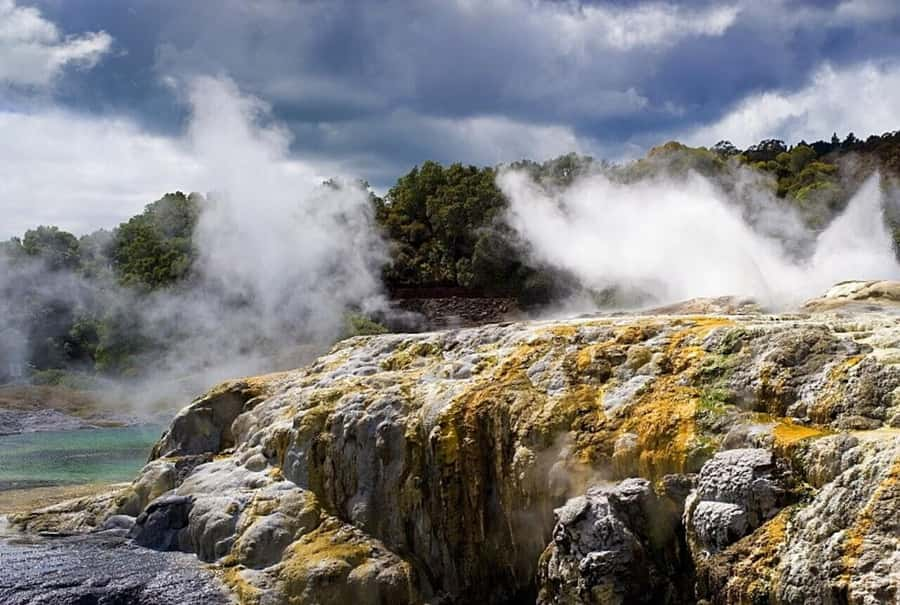
- Geothermal activity: See geysers, boiling pools, bubbling mud, steaming vents, and naturally formed silica.
- Cultural performance: Watch traditional singing, dancing, and the famous Haka.
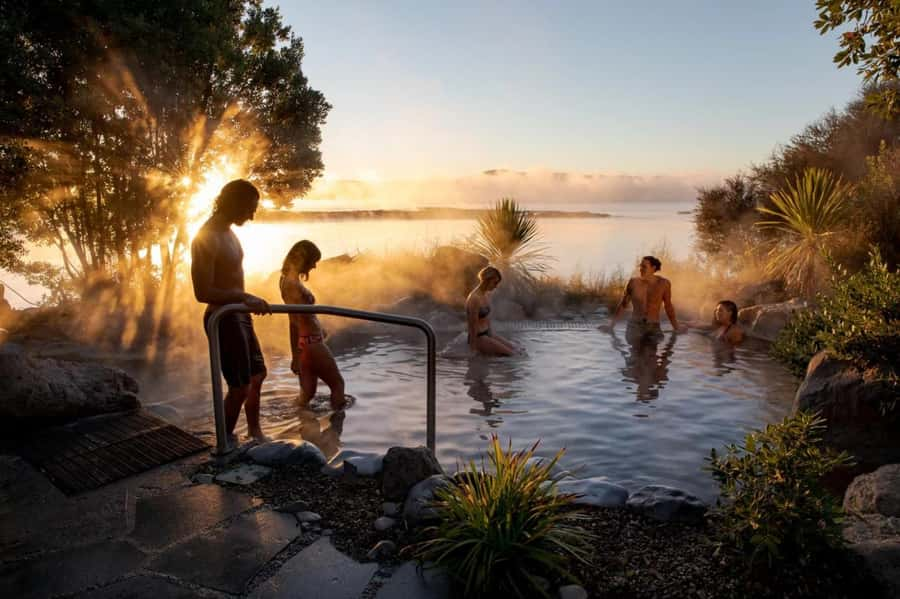
- Polynesian Spa: Finish with about two hours in mineral-rich geothermal pools near Lake Rotorua.
- Small-group transport: Travel by bus with up to 11 people, hotel pickup, an English-speaking guide, and return drop-off.
- Price and value: At $236 per person, the tour makes sense if you want Rotorua in one day without arranging transport, admissions, and timing yourself.
Why Rotorua works as a day trip from Auckland
Rotorua is far enough from Auckland to feel like a different part of New Zealand. The ground steams, mud bubbles, and water rises hot from below. Māori culture is not presented as a museum display here. Whakarewarewa is an active village where people live and work, which gives the visit a more direct connection to present-day community life.
The trade-off is simple: you spend a large part of the day on the road. The bus ride takes roughly three hours each way, although guides may provide commentary, rest stops, and extra roadside stops when timing allows. If you have only a short stay in Auckland and want to see Rotorua without changing hotels, this tour solves a real planning problem.
If you are already staying in Rotorua, this is not the efficient choice. You would be paying for a long return journey from Auckland that you do not need. For Auckland-based visitors, though, the transport is the backbone of the experience.
More Geothermal Parks and Geysers in Auckland
- Waitomo Caves & Rotorua – Te Puia Small-Group Tour from Auckland
★ 4.5 · 681 reviews - Auckland: Hobbiton, Rotorua and Wai-O-Tapu Day Tour
★ 4.8 · 458 reviews - Hobbiton & Rotorua including Wai-O-Tapu – Small Group Tour from Auckland
★ 5.0 · 450 reviews
A small-group start in central Auckland
Pickup is available from a long list of central Auckland hotels, including the Sofitel Auckland Viaduct Harbour, Pullman Auckland, Cordis, Hilton Auckland, SkyCity hotels, M Social, Rydges, and several others. Pickup times can begin up to 20 minutes before the scheduled departure, so you should be outside and ready early.
The small group matters here. With a maximum of 11 people, your guide can explain the route, answer questions, and make adjustments more easily than a large coach operator. Huzefa, in particular, has been praised for contacting people before departure to sort out logistics, pointing out sights on the way, and adding short photo stops.
If your accommodation is near the airport or in South Auckland, pickup is available at The Sebel Auckland Manukau. If your hotel is not listed, choose the closest available meeting point and confirm the details before departure. The operator may alter pickup points by day, and the bus cannot wait for late arrivals.
Entering Whakarewarewa Village
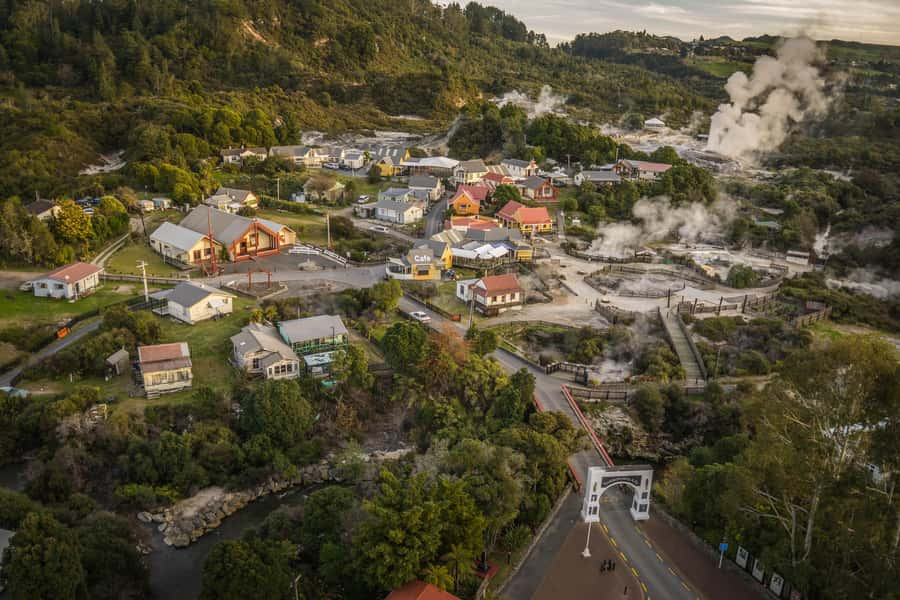
The main cultural visit lasts about three hours, giving you enough time to see more than a quick performance and a few scenic stops. A local guide leads you through the village and explains Māori customs, community life, and the way people live alongside geothermal activity.
This setting is the heart of the tour. You are not only looking at a hot spring from behind a fence. You are learning how a community has adapted to ground that is constantly active. Steam rises nearby, the air carries the scent of sulphur, and the geothermal features are part of the setting rather than a separate attraction.
The explanations also add meaning to what you see. Without a guide, a boiling pool is simply an impressive natural sight. With one, it becomes part of a wider story about land, tradition, daily work, and Māori identity. The visit is especially useful if you want cultural context rather than a quick photo opportunity.
Expect some walking over uneven ground. The tour is not wheelchair accessible, and comfortable shoes will make the geothermal section easier. Keep your attention on marked paths and follow instructions around hot water and steam.
Geysers, mud pools, and pale silica formations
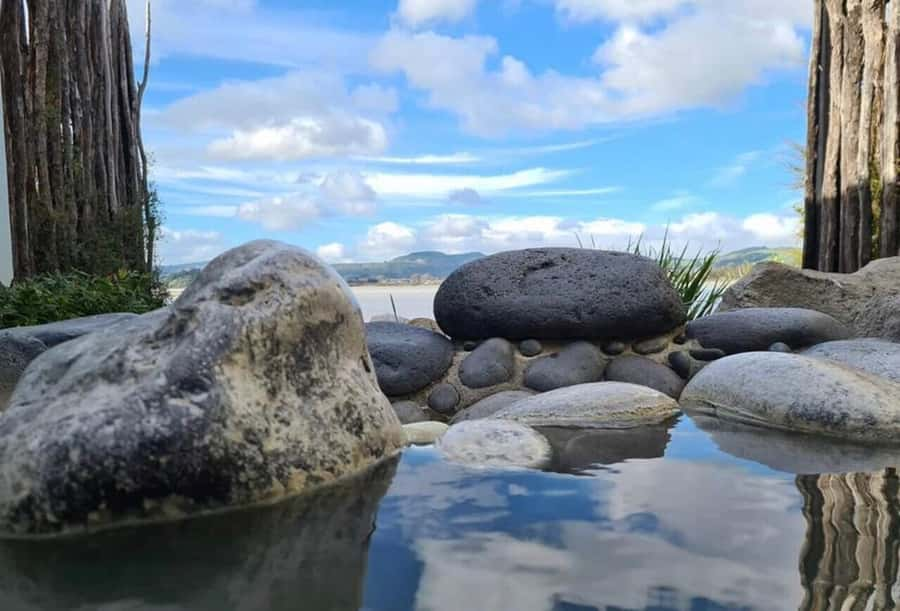
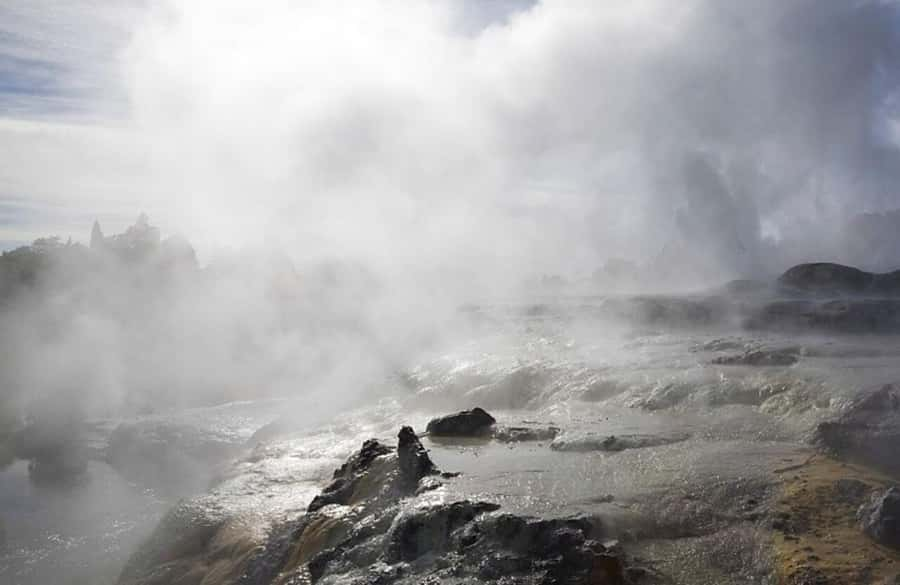
Whakarewarewa’s geothermal features provide the visual drama. You will see bubbling mud pools, steaming vents, hot pools, and geyser views. The silica deposits add bright, unusual textures, formed over time by mineral-rich water.
The area can feel almost otherworldly, but the important point is that it is also practical and powerful. These are not decorative fountains. They are active geothermal features, and the heat and sulphur smell are part of the experience. If you are sensitive to sulphur, take that seriously when deciding if this outing suits you.
After the guided portion, you have time to look around the geothermal park at your own pace. That extra freedom is useful because the formal explanations and personal photography serve different purposes. During the walk, listen closely. Later, pause for photographs and take in the details.
The geyser views are a highlight, but they are not the only reason to visit. The combination of boiling pools, mud, steam, and silica gives you a better sense of Rotorua’s character than a single geyser viewing would.
More Volcanic Hot Springs in New Zealand
- Ex Auckland: Rotorua Māori Village with Haka and Hot Springs
★ 5.0 · 55 reviews - Auckland: Wai-O-Tapu, Maori Haka & Hot Springs Rotorua Tour
★ 3.8 · 5 reviews - Rotorua: Hells Gate Outdoor Mud Bath & Spa Experience
★ 4.6 · 398 reviews - Wai-O-Tapu Thermal Wonderland, Rotorua, New Zealand
★ 4.5 · 379 reviews
The songs, dances, and Haka
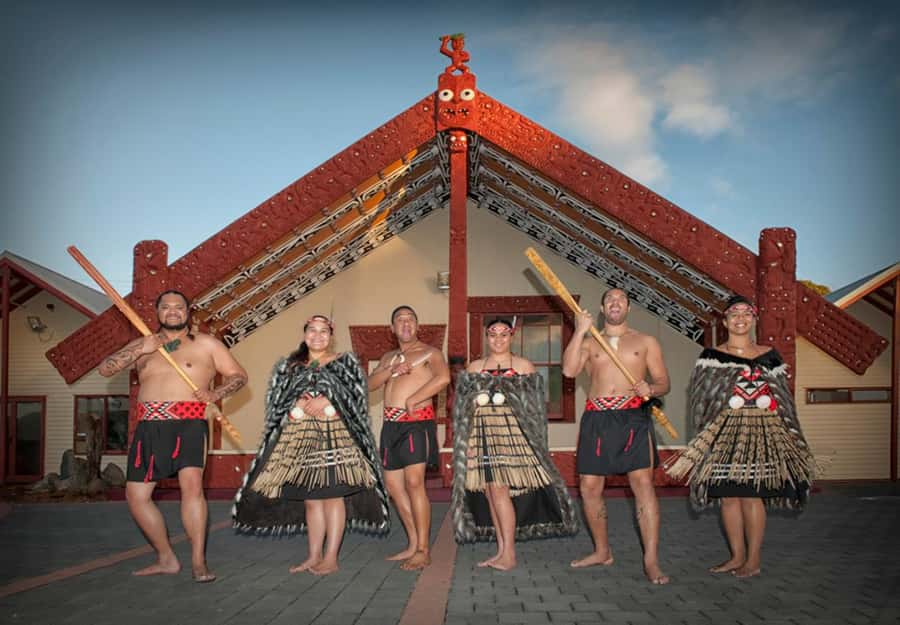
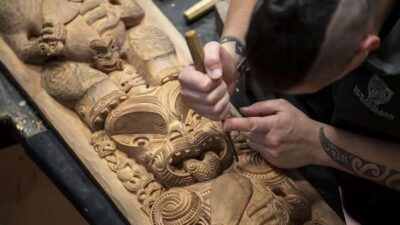
The cultural performance brings the visit together. Traditional Māori songs and dances lead into the Haka, which is the moment many people most want to see. The Haka is powerful, physical, and communal. It is best understood as a cultural performance with meaning, not simply a dramatic show for cameras.
You should expect strong facial expressions, forceful movement, chanting, and close attention between performers. The performance gives you a clear introduction to Māori artistic traditions and helps connect the village visit with living culture.
I would plan your attention around this part of the day. It is easy to focus on the geysers and forget the cultural program, but the songs, dances, and Haka are among the most distinctive elements of this outing. If Māori culture is your main reason for booking, this is the section that makes the long drive worthwhile.
Lunch at the village, with food paid separately
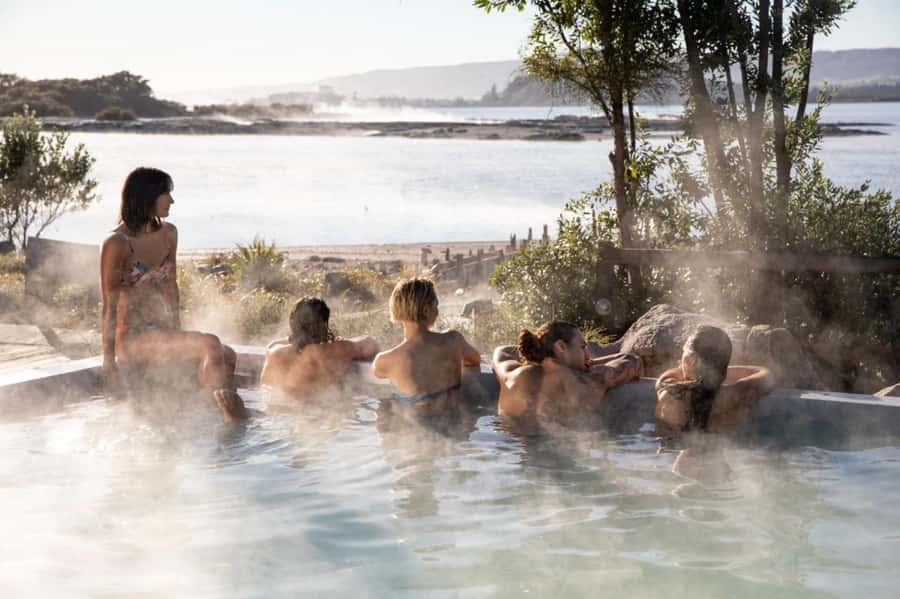
Food is not included in the $236 price. You can buy lunch and drinks during the village stop, including food prepared traditionally at the local café. One visitor specifically praised the café’s traditional food and hangi-style meal.
That arrangement gives you some choice, but it also means you should budget beyond the tour price. If you want a substantial lunch, allow for that cost when comparing this tour with other Rotorua options. Bring a reusable water bottle, and do not assume that snacks or drinks are supplied on the bus.
The two-hour Polynesian Spa stop is listed with lunch, so the exact order and timing can vary. Your guide will manage the day around the village visit, food, the spa, and the return drive.
Soaking at Polynesian Spa
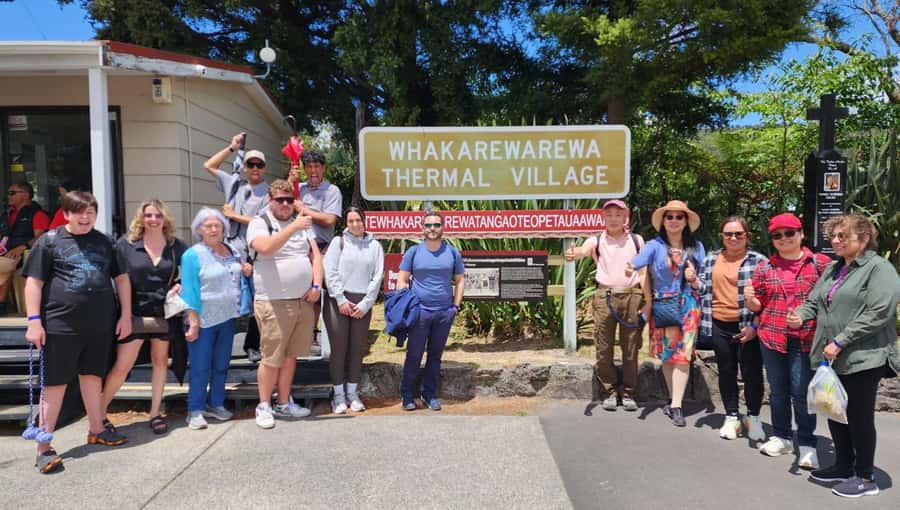
After the cultural and geothermal walking, Polynesian Spa provides a slower finish. You get about two hours to use the mineral pools and enjoy the setting near Lake Rotorua. The spa’s waters come from natural geothermal sources, with alkaline and acidic pools offering different bathing experiences.
This is a smart pairing. The village is active and information-heavy, while the spa asks very little of you. You can change pace, rest your legs, and let the day settle before the drive back to Auckland. Several guides have been praised for timing the day so the spa becomes a calm final stop rather than a rushed extra.
Bring swimwear, flip-flops, and a reusable water bottle. Adult swimwear can be hired or purchased at the Spa Essentials Shop, but bringing your own is simpler. The spa is not just a brief dip, so pack for a genuine bathing stop.
Take medical advice before using the pools if you are pregnant, have heart problems, have another serious medical condition, or are allergic to sulphur. The activity is not suitable for people with heart problems.
The return to Auckland
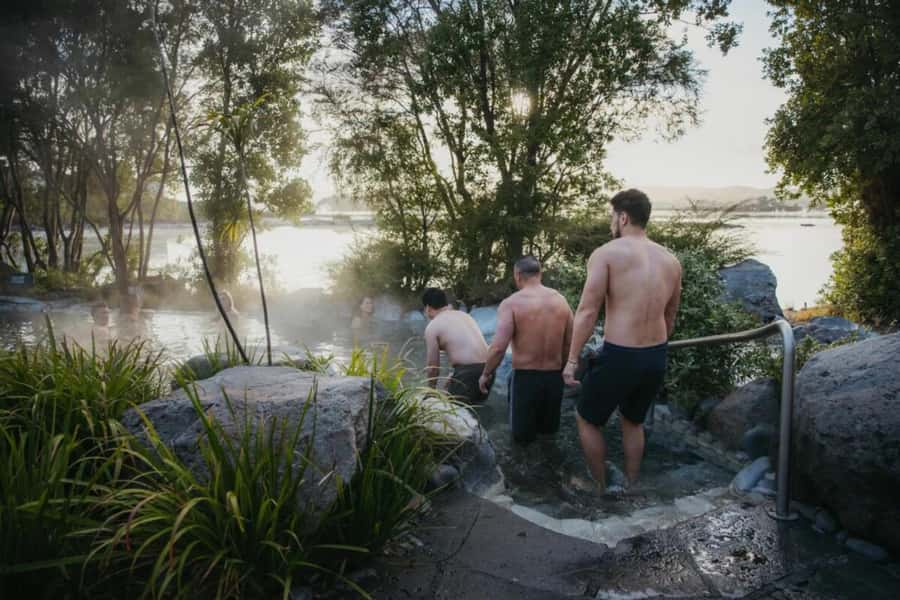
After the spa, you board the bus for the return journey. This is where the day’s length becomes most noticeable. You may feel pleasantly tired after walking, cultural activities, and soaking, but three hours on the road is still a substantial finish.
Good guiding makes a difference here. Matt has been praised for providing rest stops and finding ways around heavy holiday traffic. Other guides, including Brendan, Huzefa, and JJ, have been described as friendly, informative, and attentive to the group.
Traffic can affect the return time, especially around busy holiday periods. The tour is best booked on a day when you do not have an evening flight, dinner reservation, or other fixed appointment in Auckland.
What the $236 price includes
The price covers round-trip bus transport, hotel pickup and drop-off, an English-speaking guide, entry to Whakarewarewa Village, the cultural performances, and admission to Polynesian Spa.
That is a fair amount of organization for one day. You do not need to arrange an intercity bus, find your way around Rotorua, buy separate attraction tickets, or work out how to fit the village and spa together. The small group also gives the outing a more personal feel than a large scheduled coach.
Still, it is not a budget day out. Lunch and drinks cost extra, and the long road time means you are paying for convenience as much as sightseeing. I see the strongest value if you are based in Auckland, have only one free day, and want both Māori culture and geothermal Rotorua without renting a car.
If you have access to a car or several days in the North Island, compare the cost with staying overnight in Rotorua. An overnight visit gives you more time and removes the return drive, though it requires hotel planning and separate activity bookings.
Who should book this outing
This tour suits you if:
- You are staying in Auckland but want to see Rotorua.
- Māori culture is a priority, especially a village visit and Haka.
- You enjoy geothermal sights such as geysers, mud pools, and hot springs.
- You want a guided day rather than handling transport and admissions yourself.
- You like the idea of ending a busy sightseeing day in mineral pools.
- You are comfortable with a long road journey and a full schedule.
It is less suitable if you dislike long bus rides, need wheelchair access, have a strict evening schedule, or want a quiet spa day without a cultural program. Children must be accompanied by an adult, and unaccompanied minors are not allowed.
The experience is also not ideal for anyone with a heart condition or a serious medical concern that could make hot mineral pools unsafe. Ask your doctor before booking if you are unsure.
Booking flexibility and useful planning tips
You can cancel up to 24 hours ahead for a full refund, and you can reserve now and pay later. That helps if your Auckland plans are still shifting, but you should still check the final pickup point and starting time before the day.
Set out swimwear, flip-flops, comfortable walking shoes, sun protection, and a water bottle the night before. Be ready outside five to ten minutes early, since pickup windows can vary and the driver cannot wait for late arrivals.
I would also avoid scheduling a flight or fixed evening event soon after the stated return. Holiday traffic has caused delays, and the tour already runs for about 12 hours.
Should you book this Rotorua tour?
Book it if you want one Auckland-based day that combines Māori culture, geothermal scenery, a Haka, and a spa. The village is the main reason to go, while the Polynesian Spa gives the day a comfortable finish. The small group and strong guiding add real value, especially when a guide such as Huzefa or Matt helps with stops, local background, and traffic.
Skip it if the three-hour drive each way sounds exhausting, or if you can spend a night in Rotorua. For everyone else, $236 is reasonable for the transport, entries, guide, and carefully linked itinerary. Just treat the journey as part of the cost, pack for both walking and swimming, and leave your evening open.
FAQ
How long is the tour?
The full experience lasts about 12 hours, including transport from Auckland to Rotorua and back.
What is included in the price?
The price includes round-trip bus transportation, hotel pickup and drop-off, an English-speaking guide, entry to Whakarewarewa Village, cultural performances, and entry to Polynesian Spa.
Is lunch included?
No. Food and drinks are not included. You can buy food during the village stop, including traditional food at the local café.
How long do you spend at Whakarewarewa Village?
The guided village visit lasts about three hours. You also have time to see the geothermal area, including geysers, mud pools, hot pools, and steaming vents.
How long is the Polynesian Spa visit?
The spa stop lasts about two hours and includes access to the mineral pools.
What should I bring?
Bring swimwear, flip-flops, a reusable water bottle, and comfortable clothing and shoes for the village and geothermal walking.
Is the tour wheelchair accessible?
No. The tour is not suitable for wheelchair users.
Can children join the tour?
Yes, but children must be accompanied by an adult. Unaccompanied minors are not allowed.
More Volcanic Hot Springs in Auckland
- Santorini: Volcanic Islands Cruise with Hot Springs Visit
★ 4.4 · 10,869 reviews - Bali: Mount Batur Sunrise Guided Hike and Natural Hot Spring
★ 4.8 · 9,284 reviews - Small-Group Golden Circle, Blue Lagoon with Ticket & Kerid Crater
★ 5.0 · 5,631 reviews - Reykjavik: Golden Circle, Kerid Crater, & Blue Lagoon Tour
★ 4.9 · 5,270 reviews
Just added around Auckland
- Waitomo Glow Worm Caves & Te Puia (Rotorua) Private Tour★ 5.0 · 13 reviews
- Waitomo Glow Worm Caves & Te Puia – Rotorua’s Geothermal Valley★ 5.0 · 9 reviews
- Private Tour to Rotorua’s Natural wonders and Māori Arts & craft.★ 5.0 · 4 reviews
- TRIPLE DEAL Wai-O-Tapu, Redwood Forest & Blue Springs Ex Auckland★ 5.0 · 20 reviews
- Sunset kayak tour to Rangitoto Island★ 5.0 · 168 reviews
- Volcanic Rotorua Day Trip from Auckland★ 5.0 · 4 reviews
- Private Transfer From Auckland Airport To Rotorua★ 5.0 · 5 reviews
- Shore Excursion: Half-Day Auckland Volcanoes Tour★ 5.0 · 39 reviews
Auckland Volcano Tours, compared.
Waitomo Caves & Rotorua – Te Puia Small-Group Tour from Auckland
Read our review →
Auckland: Hobbiton, Rotorua and Wai-O-Tapu Day Tour
Read our review →
Hobbiton & Rotorua including Wai-O-Tapu – Small Group Tour from Auckland
Read our review →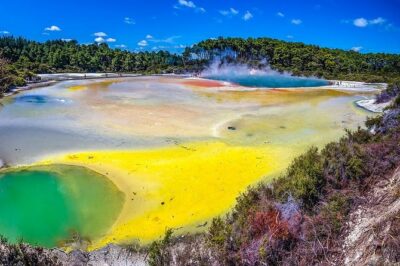
Rotorua Highlights Tour from Auckland with Optional Extras
Read our review →
From Auckland or Rotorua: Hobbiton & Waitomo Tour with Lunch
Read our review →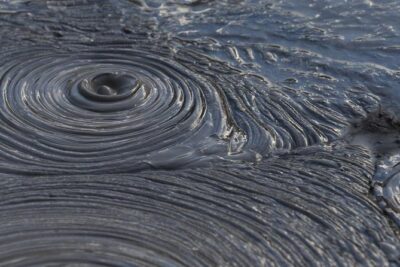
Auckland: Waitomo Caves & Rotorua – Te Puia Small-Group Tour
Read our review →