
REVIEW · ADDIS ABABA
8 Days Lalibela,Danakil Depression and Omo Vally Tours
The Danakil Depression is the star here: a brutally hot, low-lying world of salt, sulfur, acid springs, and an active volcano. Then the trip swings from Ethiopia’s far north to Lalibela’s carved churches and the Omo Valley, where you meet Hamer, Kara, and Mursi communities. Few eight-day tours pack in such sharp contrasts.
I like the efficient use of domestic flights, which saves days of road travel, and I like the small maximum group of 15. The staff, including coordinators such as Mickey, Althaf, Abey, and Robel, are described as attentive and helpful. The tradeoff is a punishing schedule: several 4:30 a.m. starts, rough and lengthy drives, basic camping, and little spare time if flights or roads run late.
Key points at a glance
- Dallol and Lake Assale: See sulfur colors, salt formations, salt canyons, and sunset views beside one of Earth’s harshest environments.
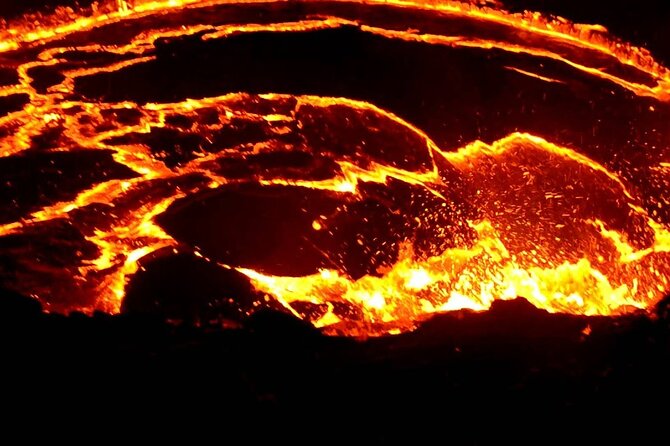
- Erta Ale volcano: Walk about an hour to the crater rim for sunset, then return before dawn for a different view.
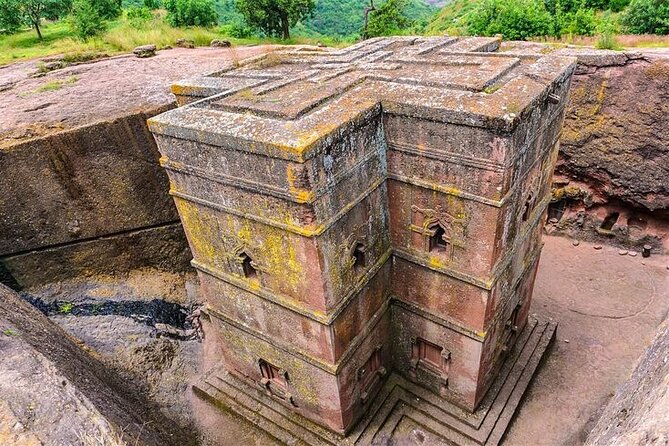
- Lalibela’s churches: Visit major rock-hewn churches including Bete Giorgis and Bete Medhane Alem.
- Omo Valley villages: Meet Hamer, Kara, and Mursi communities, with time for cultural visits rather than only a quick roadside stop.
- Flights save time: The route uses flights from Addis Ababa to Semera, Lalibela, Jinka, and back to Addis.
- A demanding eight days: Expect early mornings, long drives, hot conditions, and a moderate fitness requirement.
Why this route is such a striking slice of Ethiopia
This is not a gentle introduction to Ethiopia. It is a concentrated tour built around three very different regions, each with its own rhythm and visual appeal.
In the north, the Danakil Depression feels almost unreal. The ground is shaped by salt and volcanic activity, with yellow sulfur, salt ridges, acid pools, and wide empty spaces. Dallol is not a place for a casual stroll in the midday sun. You visit in the cooler parts of the day, rest at camp, and follow the guide’s directions closely.
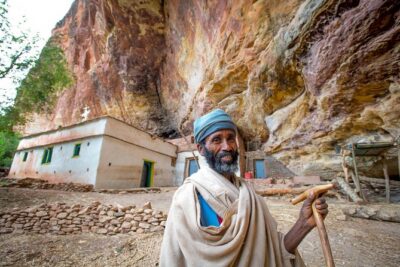
Lalibela provides a complete change of mood. Its churches were cut into and out of solid rock, and the visit focuses on major sites such as Bete Medhane Alem, Bete Mariam, Bete Meskal, Bete Denaghel, Bete Golgotha, Bete Mikael, and Bete Giorgis. The churches are not isolated museum pieces. They remain places of worship, so the visit has a religious and human side as well as an architectural one.
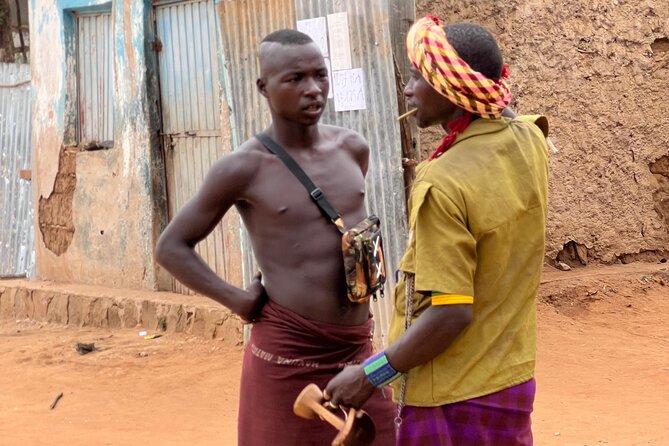
The Omo Valley brings another change. Roads become part of the adventure, and the focus turns to village visits with Hamer, Kara, and Mursi communities. You see body decoration, jewelry, hair styling, and local customs that are specific to each group. These visits require respect. Your guide is important here, not just for transport, but for helping you understand when photography is appropriate and how to behave.
More Danakil and Erta Ale Tours in Addis Ababa:
- 12 Days SIMIEN MOUNTAIN-LALIBELA-DANAKIL-TIGRAY CHURCHES
★ 5.0 · 45 reviews - 3 Day Danakil Depression Ertale and Dallol Tours
★ 5.0 · 44 reviews - 5 DAYS Lalibela, Axum, Tigray churches and Danakil
★ 5.0 · 34 reviews
Day 1: Semera to Dallol and Lake Assale
The trip begins with an early flight, ET 110, from Addis Ababa’s Bole Airport to Semera, scheduled to leave at 7 a.m. Arrival is listed for about 8:30 a.m. From Semera, you travel by vehicle toward Hamed Ela, passing Afdera Lake on the way.
Afdera Lake is a salt lake, and the route gives you an early look at the mineral world that defines this part of Ethiopia. The stop includes about 40 minutes for lunch. That sounds brief because it is. This day is mostly about reaching the remote camp and getting out to the main sights before the heat becomes even harder.
Arrival at Dallol is planned for around 3:30 p.m., followed by an hour at the campsite. Depending on conditions and timing, you may visit Dallol first or drive to Lake Assale for sunset.
Dallol is known for its bright sulfur colors and salt canyons. Lake Assale offers a different view, with broad salt surfaces and sunset light. If you care most about photographs, ask your guide how the day’s timing will be handled. The order of the stops may affect the quality of the light.
You spend the night in Hamed Ela. This is camping in a remote area, not a polished hotel stay. The basic setting is part of the point, but it also means you should arrive ready for heat, dust, limited comfort, and a long day on the road.
Day 2: Sunrise at Dallol and the climb toward Erta Ale
Day two begins at about 4:30 a.m. for another visit to Dallol. That early departure is practical, not theatrical. Morning conditions are more manageable, and the low sun can bring out different colors in the salt and sulfur formations.
Breakfast is planned near a salt formation at about 9 a.m., with time there until roughly 11:30. Then comes the drive to Erta Ale, an active volcano. The journey takes about three hours, followed by time at the campsite.
The afternoon is built around sunset at the volcano. After a short rest, you begin the walk to the rim at about 4:15 p.m. The walk is listed as roughly one hour. You can stay at the rim to watch the sunset, then return to camp around 9 p.m. for dinner.
This is one of the most memorable parts of the tour, but it is also one of the most demanding. The walk takes place after a hot day, and the schedule leaves little room for fatigue. You need a moderate level of fitness, steady footwear, water, and patience.
The schedule contains some unusual timing language around arrival and the volcano visit, so confirm the exact walking and return times before you go. Conditions in the Danakil can affect the plan. The important point is that you spend the late afternoon and evening near an active volcano, rather than simply viewing it from a distant road.
Day 3: Erta Ale sunrise and the return to Addis Ababa
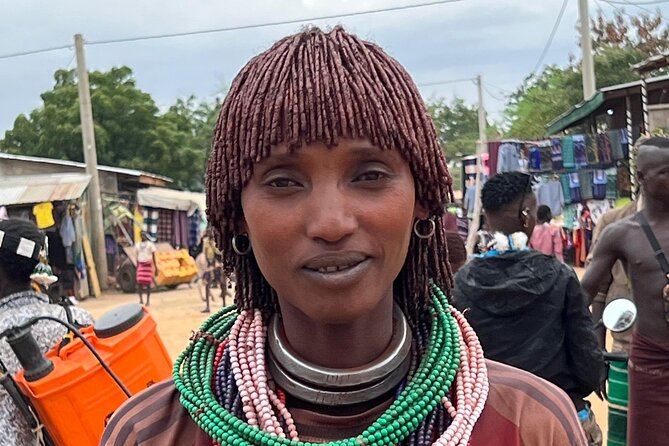
Another 4:30 a.m. wake-up gets you back to Erta Ale for sunrise. The volcano looks different in morning light, and this second visit is worthwhile because it gives you a new angle and a quieter start to the day.
After time at the volcano, you return to camp for breakfast at about 10:30 a.m. The drive to Semera takes around five hours, passing by Afdera Lake again. The planned flight, ET 165, leaves Semera at 5:40 p.m. and reaches Addis Ababa at about 6:40 p.m.
This is a long travel day. You are moving from a remote volcanic zone to an airport, then flying back to the capital. Delays would matter, so do not plan an important independent activity immediately after the scheduled arrival.
An overnight stay in Addis Ababa breaks up the route before the next flight. That pause is useful, though you should not expect a full rest day. The first three days are physically intense and involve very early starts.
Same volcano country, a different day out:
- 2-Night 3-Day Danakil Depression Tour without Flights
★ 4.8 · 31 reviews - Danakil Depression and Lalibela 5 Days Tours
★ 5.0 · 28 reviews - 5 DAYS Axum, Lalibela, Tigray churches and Danakil
★ 4.5 · 22 reviews - 9 Days Tours To Danakil Depression, Simen MNP, Lalibela With Omo Valley Tribes
★ 5.0 · 11 reviews
Day 4: Lalibela’s rock-hewn churches
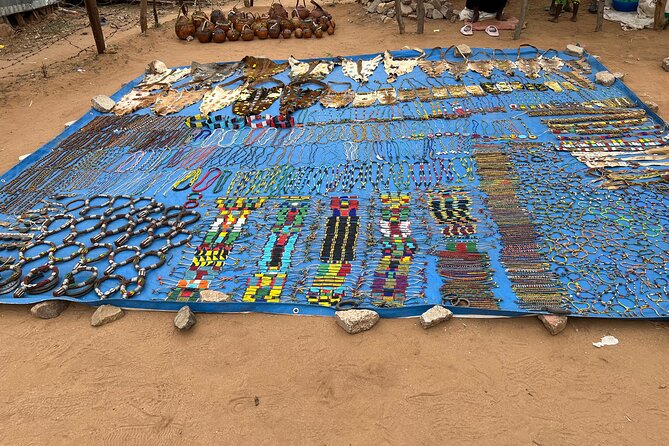
From Addis Ababa, you fly to Lalibela, meet the local team, and transfer to your hotel. The afternoon is set aside for Lalibela’s best-known churches.
The churches were cut from volcanic rock, creating courtyards, trenches, tunnels, and buildings that seem to grow from the ground. Bete Medhane Alem is among the major stops, while Bete Giorgis is perhaps the most instantly recognizable, with its cross-shaped form cut below ground level.
The listed route also includes Bete Mariam, Bete Meskal, Bete Denaghel, Bete Golgotha, and Bete Mikael. You will see plenty in one afternoon, but the pace may feel brisk. Lalibela rewards attention, and you may wish for more time to sit quietly, watch worshippers, and study the workmanship.
This is the day when a good local guide matters most. The churches have religious meaning, and the details can be easy to miss without explanation. Wear clothing suitable for visiting religious sites and follow local instructions inside the church compounds.
Day 5: Flying to Jinka and reaching Hamer country
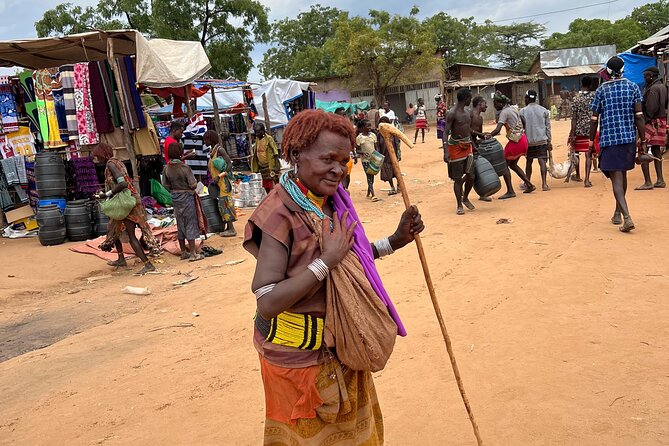
The trip then moves south to Jinka by air. After meeting the guide and driver, you travel directly to Turmi, an area associated with the Hamer people.
The drive is a major part of the day. Turmi is not simply an attraction at the end of a short transfer. It is a remote region, and the road journey helps explain why this part of Ethiopia feels so separate from Addis Ababa and northern historical sites.
The Hamer are known for careful grooming and decoration. You may see hair shaped and colored with oil, along with beads and bracelets worn on the arms and legs. A village visit gives you a chance to see daily life and personal style in context, rather than only viewing a staged performance.
The plan lists an overnight camp in a Hamer village. Another version of the schedule lists Buska Lodge for the overnight stay. Treat this as something to confirm before booking, since the difference is important if you prefer a lodge to camping.
You should also ask your guide about photography fees and consent. The people you meet are not scenery. A respectful visit makes the encounter better for everyone.
Day 6: Turmi, Hamer culture, and a slower look at the south
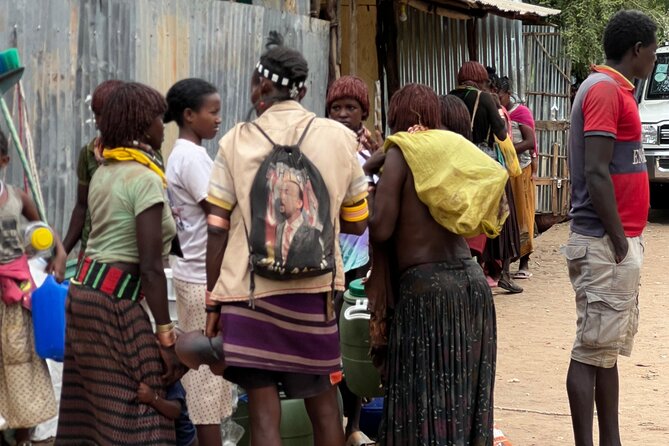
The sixth day repeats much of the southern route description, with a visit around Turmi and time with the Hamer community. This duplication suggests that the exact day-by-day plan may vary according to flight times, road conditions, or the chosen overnight location.
That flexibility can help. The Omo Valley is not a place where every road journey runs to the minute. Still, ask the operator to provide a final schedule showing exactly where you sleep on nights five and six and how much time is allocated to each village.
If the day is spent at a Hamer village, look beyond the most photographed details. Notice how clothing, hair, jewelry, and body decoration express identity. Listen to the guide’s explanation rather than trying to turn the visit into a quick photo stop.
The accommodation listed for this part of the trip includes Buska Lodge. If that is your assigned stay, it offers a more settled base after the long drive from Jinka. If the plan changes to village camping, expect a more basic night and pack accordingly.
Day 7: Kara village and the road back to Jinka
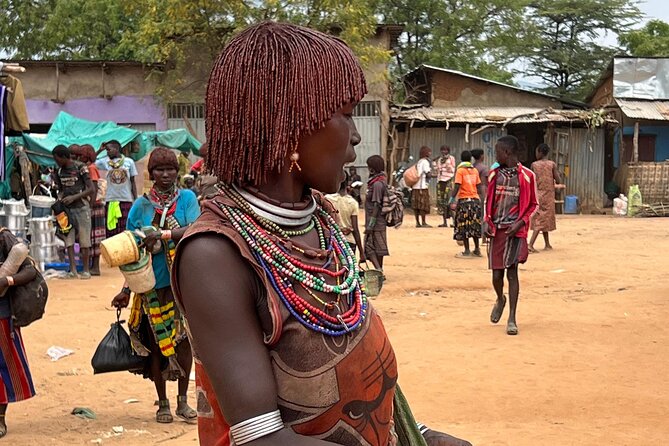
The next early start takes you toward a Kara village on the west bank of the Omo River. The route is described as reaching Dus, one of the farther villages and a place not often included on standard tourist routes.
The Kara are known for body painting used for decoration. The visit gives you another cultural viewpoint after your time with the Hamer. The contrast matters: even within the same broad region, communities have their own styles, customs, and ways of presenting themselves.
The journey to Dus is long, so expect much of the day to be spent in the vehicle. That can be tiring, but it also takes you farther from the most commonly visited stops. After time with the Kara, you drive back toward Jinka.
The schedule also refers to a large and colorful stop along the way, though the supplied details do not identify it clearly. Ask your guide what this stop will be before departure. Clear information is especially useful on a day with several hours of driving.
Day 8: Mursi village and the flight home
The final morning takes you to Mursi territory inside Mago National Park, about 70 kilometers from Jinka according to the schedule. You arrive in the late morning, spend time at a Mursi village, and then return to Jinka for the flight to Addis Ababa.
The Mursi are widely known for the lip plates worn by some women after reaching maturity. This is a cultural practice, not a sideshow, and it deserves calm, respectful treatment. Your guide should explain local expectations and help you approach the visit with care.
The schedule labels this stop Jinja in one place, but the route clearly refers to Jinka and the Mursi area. Confirm the airport and final flight details before you travel.
This last day is not a relaxed farewell. It combines an early road trip, a village visit, a return drive, and a flight. Keep your expectations realistic and avoid arranging a tight onward connection from Addis Ababa.
What the $1,199 price means
At $1,199 per person, the value comes from the sheer amount of logistics handled in eight days. You are linking Semera, the Danakil, Addis Ababa, Lalibela, Jinka, Turmi, Kara country, and Mursi country. Domestic flights and remote-road transport would be difficult to arrange independently, especially with changing conditions.
The price is most attractive if your priority is coverage. You see volcanic terrain, salt lakes, rock churches, and three southern cultural regions in one organized route. A private arrangement with similar flights, vehicles, guides, and permits could cost more, though the supplied information does not spell out every inclusion.
Do not judge value only by hotel quality. The Danakil portion includes a campsite, and the Omo Valley may include either village camping or Buska Lodge depending on the final plan. Ask what is included in the price, especially flights, meals, park fees, accommodation, and local guide services.
The maximum group size is 15. That is small enough to make group movement manageable, though it is not a private tour. If you want more control over photography, meal stops, or time at each site, ask about a private option.
Who will enjoy this tour most
I would choose this trip if you want Ethiopia’s biggest contrasts and accept a hard schedule to get them. It suits people who are comfortable with early mornings, long drives, modest camping, and changes in pace.
You should have moderate physical fitness. The walk to Erta Ale, the heat around Dallol, repeated airport transfers, and the southern road journeys all add up. You do not need to be an athlete, but you should be able to manage long days without much downtime.
This is less suitable if you want leisurely church visits, high-comfort accommodation, or a flexible holiday. It also requires cultural sensitivity. Village visits are most worthwhile when you listen, ask before taking photographs, and let the local guide set the tone.
The strongest practical advantage is the staff support. Coordinators such as Mickey and Althaf are associated with careful airport help, communication, and attention to individual needs, while Abey and Robel are noted in connection with guiding and organization. Ask who will handle your trip and keep that person’s contact details.
Should you book it?
Book this tour if you want a bold, tightly packed introduction to Ethiopia and value having the difficult logistics arranged for you. The combination of Dallol, Erta Ale, Lalibela, Hamer country, Kara country, and Mursi country is hard to match in only eight days.
Before paying, confirm the exact flights, the night five and night six accommodation, what the $1,199 includes, and how the 7 a.m. first flight fits with the stated 9 a.m. meeting time. If those details are clear and you are ready for heat, dust, early starts, and basic nights, this is a strong choice for an adventurous first visit.
FAQ
How long is the tour?
The tour lasts approximately eight days and ends back in Addis Ababa after the flight from Jinka.
Where does the tour start?
The stated meeting point is Edna Mall on Cameroon Street in Addis Ababa. Pickup is offered, and the listed start time is 9 a.m., though the first scheduled flight departs at 7 a.m., so you should confirm the exact pickup arrangement.
What is the maximum group size?
The group can include up to 15 people.
Does the tour include Lalibela’s main churches?
Yes. The Lalibela visit includes Bete Medhane Alem, Bete Mariam, Bete Meskal, Bete Denaghel, Bete Golgotha, Bete Mikael, and Bete Giorgis.
Is camping part of the tour?
Yes. The Danakil section includes an overnight stay at Hamed Ela, and the southern schedule includes village camping in one version. Another version lists Buska Lodge, so confirm the final accommodation plan.
What is the cancellation policy?
You can cancel up to 24 hours before the experience starts for a full refund. Changes or cancellations made less than 24 hours before the start time are not accepted for a refund.
Just added around Addis Ababa
- A day trip to Wench crater Lake★ 5.0 · 4 reviews
- 9 Days Tours To Danakil Depression, Simen MNP, Lalibela With Omo Valley Tribes★ 5.0 · 11 reviews
- Addis City Tour & Crater Lakes excursions in Debreziet!★ 5.0 · 8 reviews
- Day Trip To Wonderful Crater Lake of Wenchi & Ancient Church★ 5.0 · 8 reviews
- 3 Day Danakil Depression Dallol & Ertale Tours★ 5.0 · 9 reviews
- Danakil Depression and Lalibela 5 Days Tours★ 5.0 · 28 reviews
- 5 DAYS Axum, Lalibela, Tigray churches and Danakil★ 4.5 · 22 reviews
- 5 Days Lalibela-Danakil Tour★ 4.5 · 11 reviews
Addis Ababa Volcano Tours, compared.

12 Days SIMIEN MOUNTAIN-LALIBELA-DANAKIL-TIGRAY CHURCHES
Read our review →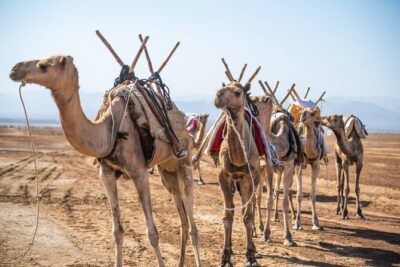
3 Day Danakil Depression Ertale and Dallol Tours
Read our review →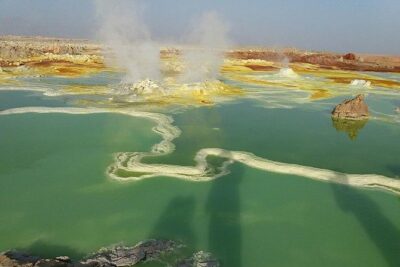
5 DAYS Lalibela, Axum, Tigray churches and Danakil
Read our review →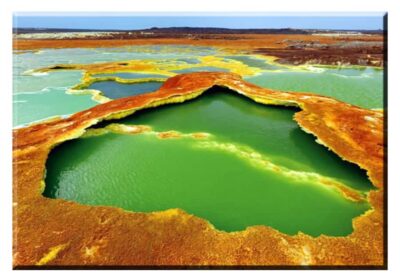
2-Night 3-Day Danakil Depression Tour without Flights
Read our review →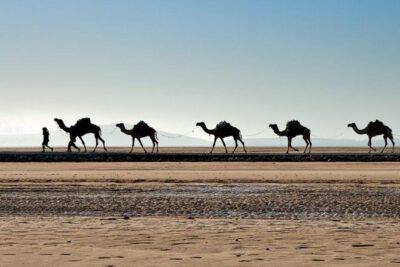
5 DAYS Axum, Lalibela, Tigray churches and Danakil
Read our review →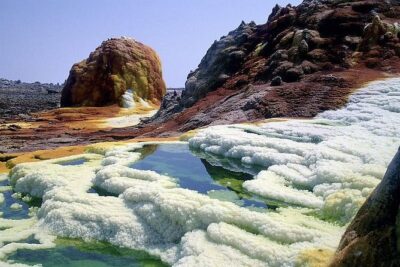

9 Days Tours To Danakil Depression, Simen MNP, Lalibela With Omo Valley Tribes
Read our review →Browse the lists this tour appears in