
REVIEW · TOKYO
Tokyo: Mt. Fuji Tour, Hakone Ropeway, Owakudani, Lake Ashi
The best thing about this 10-hour Mt. Fuji day trip is the range: you get Hakone’s shrine and lake, a ropeway over volcanic ground, a possible pirate ship ride, and the Fuji Five Lakes area in one long sweep from Tokyo. For a first look at the countryside, that is a lot of Japan for $54.
I like the Hakone Ropeway fare included in the price, and I like that the tour reaches both Lake Ashi and Oshino Hakkai rather than keeping you in one sightseeing zone. Guides such as Jack, Kousei, Sato, and Tom are praised for clear timing and useful explanations.
The catch is the schedule. Traffic can stretch the two-hour bus rides, lunch may come late, and stop times can shrink when queues build. Mt. Fuji is also a weather-dependent star, not a guaranteed guest appearance.
Key points at a glance
- Lake Ashi’s red Torii gate: Photograph the famous gate at Hakone Shrine, with time to explore the wooded shrine area.
- Hakone Ropeway included: Ride above the volcanic valley toward Owakudani, with broad views when the weather cooperates.
- Owakudani’s black eggs: Try eggs boiled in the valley’s mineral-rich hot water, a small local snack with a dramatic setting.
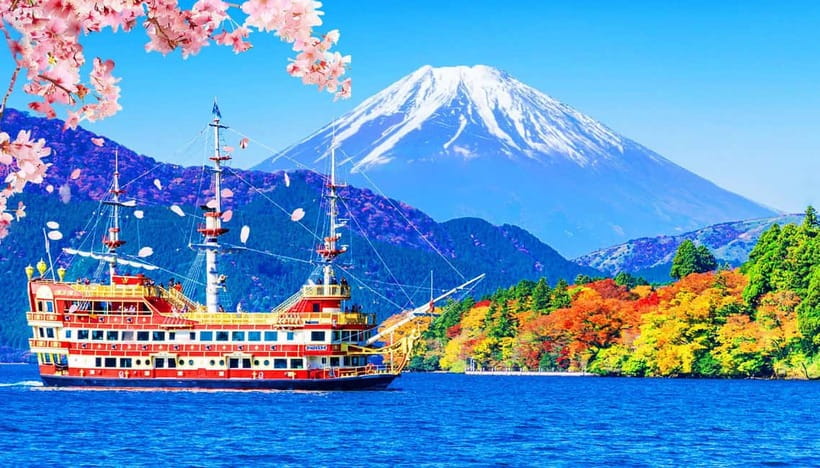
- Two very different Fuji views: See the mountain from Lake Yamanaka and Oshino Hakkai, where ponds are fed by snowmelt.
- Optional pirate ship: Cruise Lake Ashi aboard the Royal II, Victory, or Queen Ashinoko for about 1,700 JPY extra.
- Long but efficient day: Transport, guide, driver, parking, and ropeway are covered, but food and the cruise are not.
Why this Tokyo day trip works
Tokyo is packed with bright lights, trains, shops, and people. This outing gives you a full day of open views and mountain air without asking you to work out several complicated rail and bus connections yourself.
At $54 per person, the value is strong if you want a broad introduction to Hakone and the Fuji area. Your price covers an air-conditioned vehicle, pickup and return at designated points, a multilingual guide, driver, parking, and the Hakone Ropeway. You still need money for lunch, snacks, drinks, and the optional boat.
You should see this as a sightseeing sampler, not a slow country escape. The route covers several places, and each stop is fairly short. That suits you if you want photos and a taste of the area. It is less suitable if you prefer long walks, quiet museum visits, or an unhurried lunch.
The day normally runs for about 10 hours, with roughly two hours on the road each way. Traffic, weather, queues, and driver-hour limits can change the timing. Keep your evening open rather than booking a dinner reservation or theater show too soon after the expected return.
More Mount Fuji Tours in Tokyo:
- Mt Fuji and Hakone 1-Day Bus Tour Return by Bullet Train
★ 5.0 · 26,383 reviews - Mt Fuji & Hakone Cruise, Drum Show Bullet Train 1 Day from Tokyo
★ 4.0 · 7,413 reviews - Tokyo Mt Fuji 5th St & Hakone Cruise Bus Tour w/Bullet Train
★ 4.4 · 5,024 reviews
Starting early from Tokyo
You meet the guide at one of two designated Tokyo locations, listed as STAND T near Tokyo Mode Gakuen, depending on the option you book. Arrive at least 15 minutes early. A staff member in a yellow vest helps identify the meeting point, but the area can be crowded with several tour groups.
The company sends guide and driver details the evening before. Check your inbox and spam folder, especially if you are staying at a hotel or using an international email account.
The bus is air-conditioned, but comfort can vary on a long shared ride. One useful point from the day’s feedback is that seating may feel tight, particularly for solo passengers. Smoking and eating are not allowed on the vehicle, so have breakfast before departure and carry water and snacks for the stops.
This matters because lunch may not arrive until early or mid-afternoon. One reported schedule placed lunch after 2:15 p.m., while other days ran more smoothly. The safest plan is a proper breakfast and a small snack in your day bag.
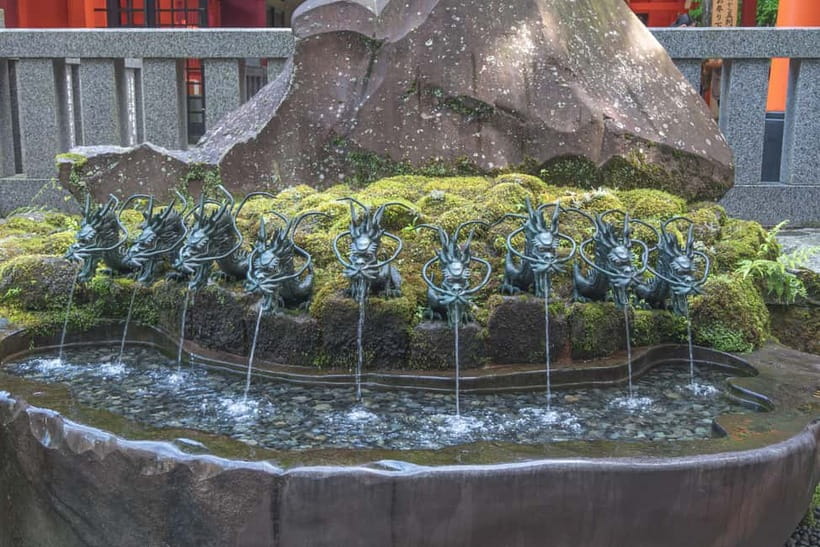
Hakone Shrine and the Heiwa no Torii
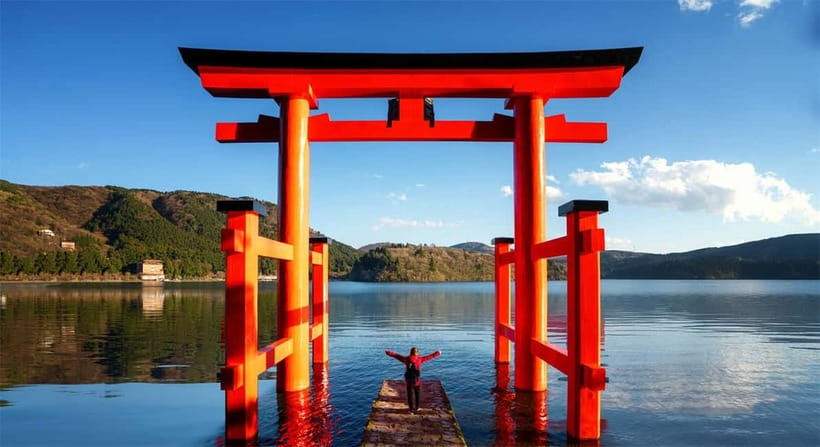
The first major stop is the Heiwa no Torii, the red gate rising from Lake Ashi. It is one of Hakone’s most photographed sights, and the setting explains why: dark water, forested slopes, and the bright vermilion gate create a clean, memorable image.
You get about 20 minutes at the gate and shrine area. That is enough for photographs and a quick look, but not enough for a long shrine visit or a relaxed walk through every path. Lines can form for the classic gate photo, so use your time sensibly. You may find good angles from nearby areas while waiting.
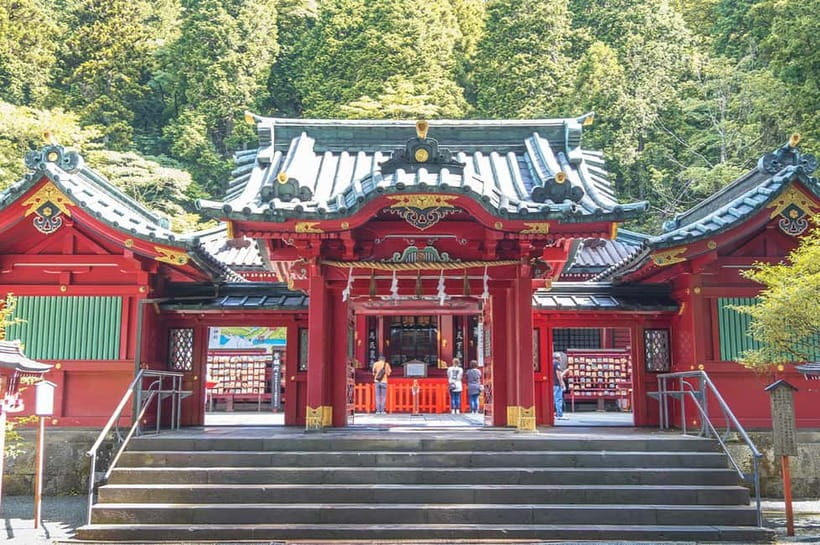
Hakone Shrine was founded in 757, and the wooded approach gives the place a calm feel even on a busy tour day. You have about another 20 minutes of free time around the shrine. Wear shoes with a good grip, since shrine paths and outdoor viewing areas can be uneven.
A seasonal warning is important: the Torii gate is listed as closed from December 28 through February 10, 2026. If your date falls in that period, confirm what part of the stop remains available before booking. The shrine itself and the surrounding area may still offer a worthwhile visit, but do not count on the standard gate photograph.
Choosing the Lake Ashi pirate ship
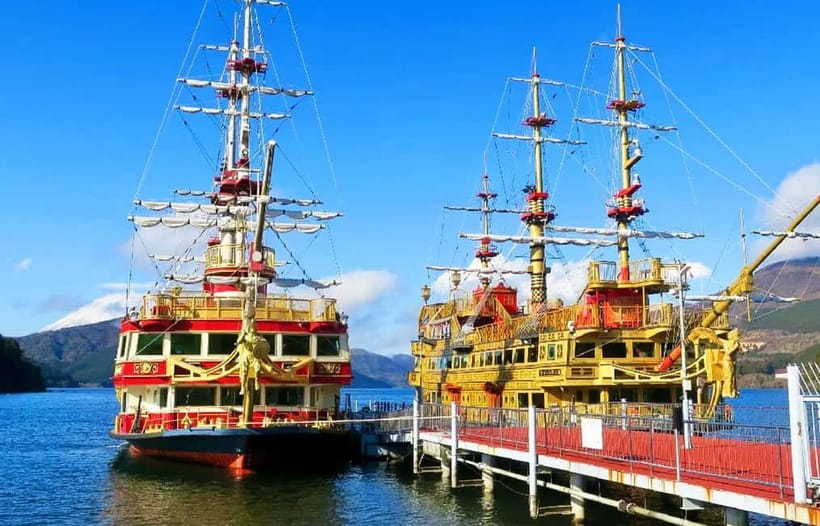
The pirate ship cruise is optional and costs about 1,700 JPY per person. The three themed ships are Royal II, Victory, and Queen Ashinoko. The names are playful, but the real draw is the view across Lake Ashi toward the Torii gate and, on a clear day, Mt. Fuji.
The cruise lasts about 25 minutes. I would consider paying for it if the lake is clear and you enjoy seeing a place from the water. It gives you a different angle on the shrine and surrounding hills, and several people found the extra fare worthwhile.
There is a practical tradeoff. The boats can be busy, and queues may eat into the schedule. In poor weather, the cruise can become an expensive ride through fog and gray water. One especially unhappy day had such bad visibility that the boat offered almost no scenery, while the bus was waiting. The cruise is not included in the $54, so ask the guide about timing and conditions before paying if the weather has turned.
If you skip the boat, the itinerary says you may travel by vehicle to Togendai Ropeway Station. That option saves money and may help the group keep moving.
Same volcano country, a different day out:
- From Tokyo: Mount Fuji Full-Day Sightseeing Trip
★ 4.5 · 4,970 reviews - Tokyo:Mt.Fuji,Kawaguchiko Oishi Park,Arakurayama Sengen Park
★ 4.4 · 2,682 reviews - Mt Fuji Top 5 Spots Day Tour: Arakurayama Park,Oshino Hakkai
★ 4.7 · 2,066 reviews - Private Tour to Mt. Fuji and Hakone (Fully Licenced Operator)
★ 5.0 · 1,910 reviews
Above Hakone on the Ropeway
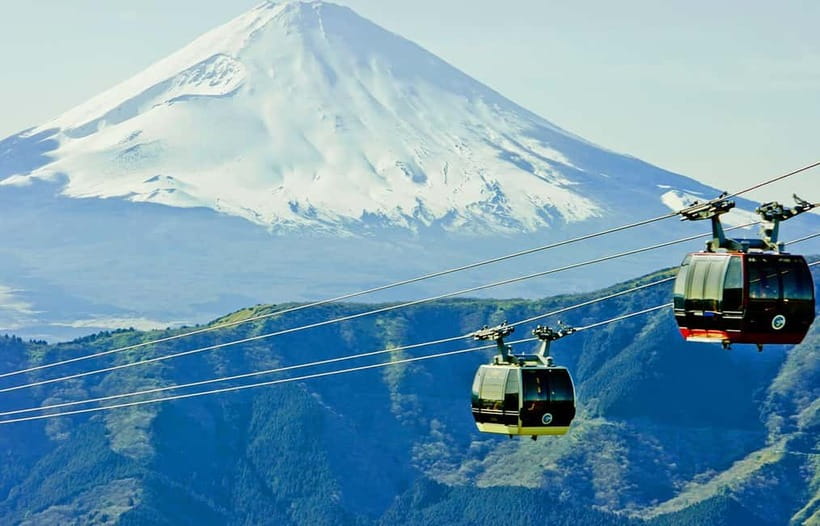
The Hakone Ropeway is one of the strongest parts of the day because it turns transport into sightseeing. The ride takes about 30 minutes, and you pass above Hakone’s volcanic terrain toward Owakudani.
The views depend heavily on cloud cover. On a clear day, you can see Lake Ashi, Mt. Fuji, and broad mountain scenery. On a cloudy day, the ride still gives you a sense of Hakone’s unusual geology, but the big photographs may not happen.
The ropeway fare is included. It can close because of bad weather or maintenance, in which case the listed guidance says you can request a refund of 1,000 JPY per person for the ropeway ticket. Ask how the refund will be handled if the closure occurs during your visit.
This is not the best part of the outing for anyone with serious mobility limits. The tour specifically says it is not suitable for people with mobility impairments or respiratory issues. Owakudani can also have strong volcanic odors, which may bother anyone sensitive to sulfur fumes.
Owakudani and the black eggs
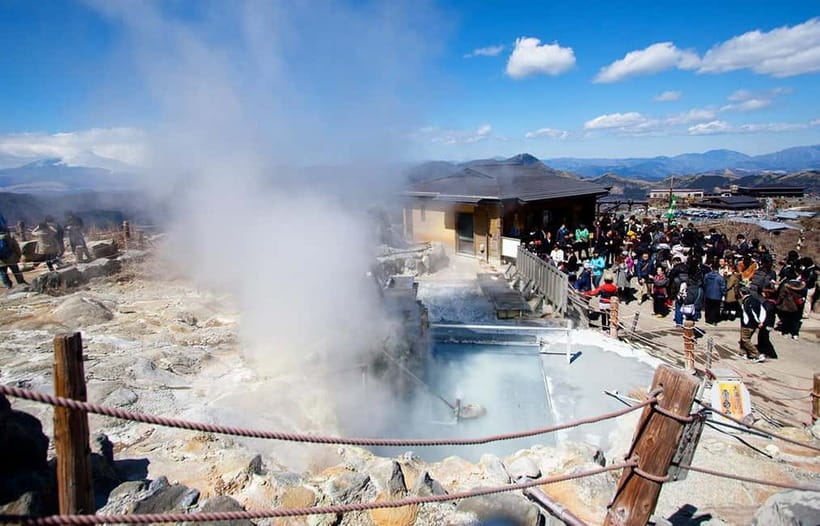
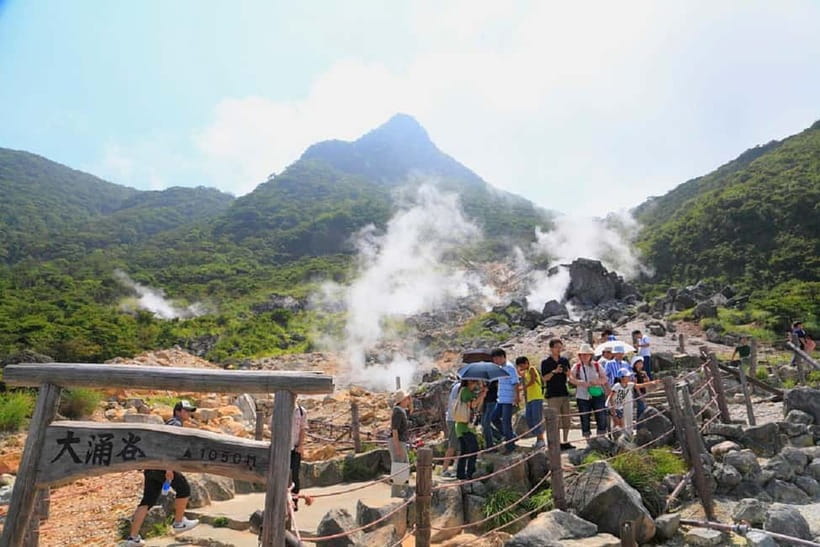
Owakudani is a volcanic valley formed by a major eruption of Mt. Hakone around 4,000 years ago. Steam vents, dark rock, and the smell of sulfur make it feel unlike the lakeside shrine you have just left.
You get around 50 minutes here, including a guided visit and time to explore. The local snack is the famous black egg, boiled in volcanic spring water. The shell turns dark during cooking, while the inside remains a normal egg. It is a simple food, but trying one gives the stop a local detail beyond taking another mountain photograph.
Do not expect a quiet nature walk. Owakudani is a popular attraction with shops, viewing areas, and queues. The short stay works well for a first visit, though you may wish you had more time if you want to browse or eat here.
This is also where weather and air conditions matter most. Bring water, wear clothing suited to the forecast, and take care if sulfur smells affect your breathing. The tour’s warning about respiratory issues is worth taking seriously.
Lake Yamanaka and the Swan Lake Shore
After Hakone, the route crosses to the Fuji Five Lakes area and stops at Lake Yamanaka. The Swan Lake Shore provides a photo break of about 20 minutes.
The appeal is simple: swans on the water, with a possible Mt. Fuji backdrop. This is a softer, quieter contrast to Owakudani’s volcanic ground and the busy Torii gate. If you enjoy wildlife photographs, keep your camera ready.
You need to remain flexible here. The stop can be reduced if traffic or earlier queues have taken time from the schedule. One day, the swan-feeding portion was skipped because the group was running late. That is a useful reminder that this tour offers several possible views of Fuji, but it cannot guarantee equal time at every stop.
Oshino Hakkai and Fuji reflected in clear ponds
Oshino Hakkai is the final sightseeing stop before the return to Tokyo. Its eight clear ponds are fed by snowmelt from Mt. Fuji, filtered through volcanic ground. The water and traditional village setting make this one of the more photogenic stops on the route.
You get about 40 minutes for photographs and sightseeing. Look for reflections in the ponds, small bridges, and views toward Fuji. If the mountain is visible, this can be the most satisfying place for a classic Fuji image because the water adds a foreground.
The stop is also a chance to buy a drink or small food item, though lunch arrangements vary. The formal lunch break is listed at about 40 minutes at a local restaurant, and food is not included. Some people enjoyed the meal and found it good value, while others found the restaurant cold or wished lunch had come sooner.
I recommend carrying snacks even if you plan to eat at the restaurant. You cannot eat on the bus, and the gap between breakfast and lunch may be long.
The guide can make or break the day
A busy route needs a guide who gives clear instructions. The most consistently praised part of this experience is the guide service, especially the practical help with meeting points, departure times, and stop limits.
Jack is repeatedly described as warm, energetic, and clear in English. Kousei is praised for organizing large groups, offering useful advice, and taking photographs. Sato is noted for his friendly manner and local explanations, while Tom is described as attentive and helpful. Wanting, Andrew, Leonard, and other guides also receive strong praise for keeping the day moving.
Guide quality can vary by date and language assignment. The tour is shared, and guides may work in Chinese, English, Japanese, or Korean. Explanations may be given in several languages, so the pace can feel brisk. Still, a good guide matters here because you need to know exactly when to return to the bus, boat, or ropeway.
Keep your phone charged and save the guide’s instructions. Large meeting points can be confusing, especially in Tokyo and around popular attractions.
Timing, meals, and the real cost
The listed price is $54, but your actual spending will be higher. Plan for the pirate ship at about 1,700 JPY if you choose it, plus lunch, drinks, black eggs, and any snacks.
That is still good value for a full day of transport across Hakone and the Fuji Five Lakes area. Renting a car would require driving, parking, navigation, and dealing with mountain traffic. Public transport could cost less in some situations, but matching this many stops in one day would be difficult.
The cost is best justified by convenience and coverage. You are paying to see several major sights without changing trains and buses all day. You are not paying for a private tour, flexible timing, or a guaranteed Fuji photograph.
Some days will feel tightly managed. If one group member is late, queues grow, or traffic backs up, the final stop may receive only a few minutes. Japanese commercial drivers are limited to 10 working hours a day, and that rule can affect the route if delays build. The guide may adjust or cancel stops for safety and timing.
Who should book this Fuji tour?
I would choose this tour if you have one free day in Tokyo and want to see as much of the Mt. Fuji area as possible. It works especially well for first-time visitors, families with older children who can handle a long day, and anyone who prefers a guide and bus over a complicated independent route.
You should also book it if the Hakone Shrine, Owakudani, and Oshino Hakkai all interest you. The variety keeps the day moving, and you get both cultural and volcanic scenery.
I would hesitate if you need step-free access, have respiratory problems, dislike early starts, or want to spend an hour quietly beside the lake. The tour is not designed for lingering. It is a full sightseeing circuit with fixed meeting times.
Mt. Fuji visibility is never guaranteed. Winter can offer crisp views, but clouds can hide the mountain in any season. Treat a clear Fuji sighting as a bonus, not the product you are promised.
Should you book it?
Book this $54 trip if you want an efficient first look at Hakone, Lake Ashi, Owakudani, Lake Yamanaka, and Oshino Hakkai in one day. The included ropeway, air-conditioned transport, parking, and strong guide support make the price sensible.
Skip it if the pirate ship is your main goal, since that fare is extra and the ride depends on weather and queues. Also skip it if a late lunch or a shortened final stop would ruin your day.
For the best chance of enjoying it, eat breakfast before meeting the bus, pack water and snacks, wear comfortable shoes, keep your evening free, and check the forecast without expecting miracles. With those expectations, this is a useful and scenic escape from Tokyo.
FAQ
How long does the Mt. Fuji and Hakone tour last?
The tour normally lasts about 10 hours, including the bus journey from Tokyo and the return trip. Traffic, weather, queues, and other conditions can make the day longer or change the stop order.
What is included in the $54 price?
The price includes the Hakone Ropeway fare, air-conditioned vehicle transportation, pickup and drop-off at the two designated points, a tour guide, driver, and parking fee.
Is the pirate ship cruise included?
No. The Hakone Pirate Ship Cruise is optional and costs about 1,700 JPY per person. You can choose the Royal II, Victory, or Queen Ashinoko, subject to the day’s operation and schedule.
Is lunch included?
No. Food and drinks are not included. You may bring snacks, buy food at the attractions, or eat at a restaurant suggested by the guide. Eating is not allowed on the bus.
Will I definitely see Mt. Fuji?
No. Mt. Fuji visibility depends on the weather and is not guaranteed. Clear conditions can provide views from the ropeway, Lake Yamanaka, and Oshino Hakkai, but clouds may hide the mountain.
What happens if the Hakone Ropeway closes?
The ropeway may close because of bad weather or maintenance. The provided tour information says you can contact the operator about a refund of 1,000 JPY per person for the ropeway ticket.
Is the tour suitable for people with mobility or respiratory problems?
The tour is listed as unsuitable for people with mobility impairments or respiratory issues. Owakudani is a volcanic area and may have strong sulfur odors, while the day also involves multiple outdoor stops and transport changes.
Just added around Tokyo
- Tokyo/Yokohama: Mt. Fuji and Hakone Private Day Tour★ 5.0 · 64 reviews
- Tokyo:Mt Fuji & Hakone Day Tour with English Speaking Driver★ 5.0 · 26 reviews
- Tokyo:Customizable Private Day Trip to Mt.Fuji & Safari Park★ 4.8 · 6 reviews
- Tokyo:Fuji-Kawagu Cable Car (Ticket Inc.) Shinkurayama&Panos★ 3.9 · 7 reviews
- Tokyo to Mount Fuji and Hakone: Private Full-Day Tour★ 3.7 · 5 reviews
- Tokyo: Private Day Trip to Mount Fuji and Hakone★ 4.9 · 8 reviews
- Tokyo: Private Mount Fuji Tour with Pickup and Drop-Off★ 4.7 · 69 reviews
- Tokyo: Private Mount Fuji Day Trip with Private Guide★ 3.5 · 5 reviews
Tokyo Volcano Tours, compared.
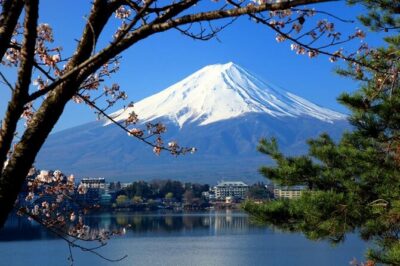
Mt Fuji and Hakone 1-Day Bus Tour Return by Bullet Train
Read our review →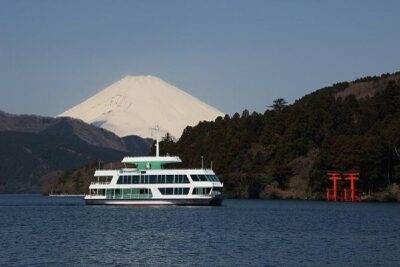
Mt Fuji & Hakone Cruise, Drum Show Bullet Train 1 Day from Tokyo
Read our review →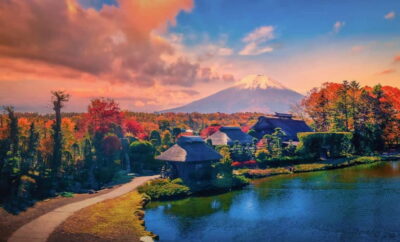
From Tokyo: Mount Fuji Full-Day Sightseeing Trip
Read our review →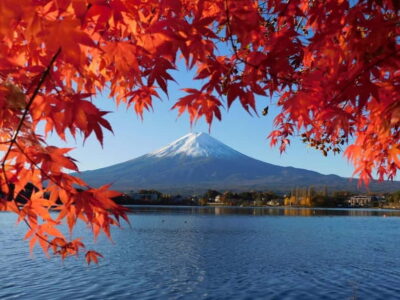
Tokyo:Mt.Fuji,Kawaguchiko Oishi Park,Arakurayama Sengen Park
Read our review →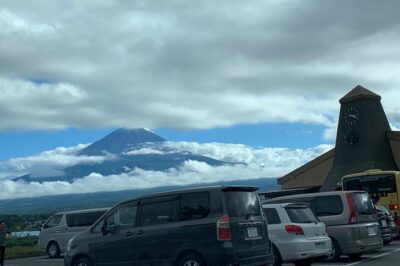
Private Tour to Mt. Fuji and Hakone (Fully Licenced Operator)
Read our review →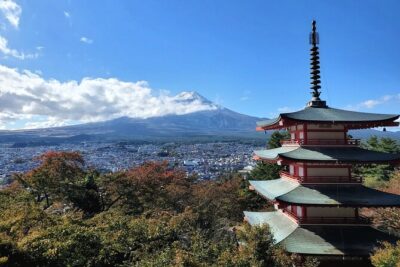
Mount Fuji Full-Day Private Tour from Tokyo (Customizable)
Read our review →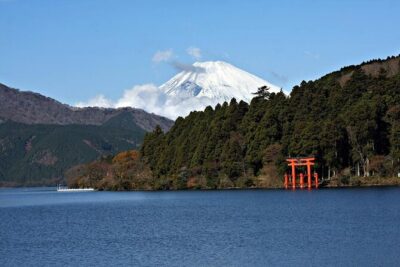
Mt Fuji & Hakone Cruise, Drum Show Bus 1 Day from Tokyo
Read our review →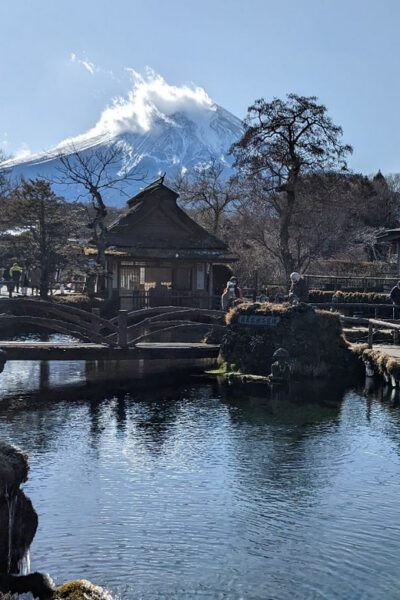
From Tokyo: Mt. Fuji & Hakone Tour w/ Return by Bullet Train
Read our review →Browse the lists this tour appears in