
REVIEW · FUJIYOSHIDA
Tokyo: Mt. Fuji and Hakone tour with English Speaking Driver
Mt. Fuji and Hakone in one day is a big bite of Japan, but this private tour makes it manageable. You’ll ride in an air-conditioned van, leave from your hotel, and move between high viewpoints, quiet lakes, shrines, and traditional villages without wrestling with several train and bus connections.
I like the private group format, especially for families or groups of friends sharing the $462 price for up to six people. I also like the flexible route, plus the chance to see both Fuji’s northern lakes and Hakone’s volcanic sights. The main drawback is the long day: roughly 4.5 hours can be spent driving, and clouds may hide Fuji from some stops.
The strongest part of the service is the driver. Ali Raza is described as friendly and helpful, while Asfand is praised for patience and for answering questions. Still, one useful point is worth noting: the guiding may be more practical than deeply historical, so ask questions if you want more context at each stop.
Key points at a glance
- Private van for up to six people: Hotel pickup, drop-off, fuel, tolls, and Wi-Fi are included.
- Two famous regions in one day: The route links Mt. Fuji’s Five Lakes area with Hakone’s Ropeway and Lake Ashi.
- Flexible sightseeing: You can adjust the plan, although fitting every possible stop into 10 hours is unlikely.
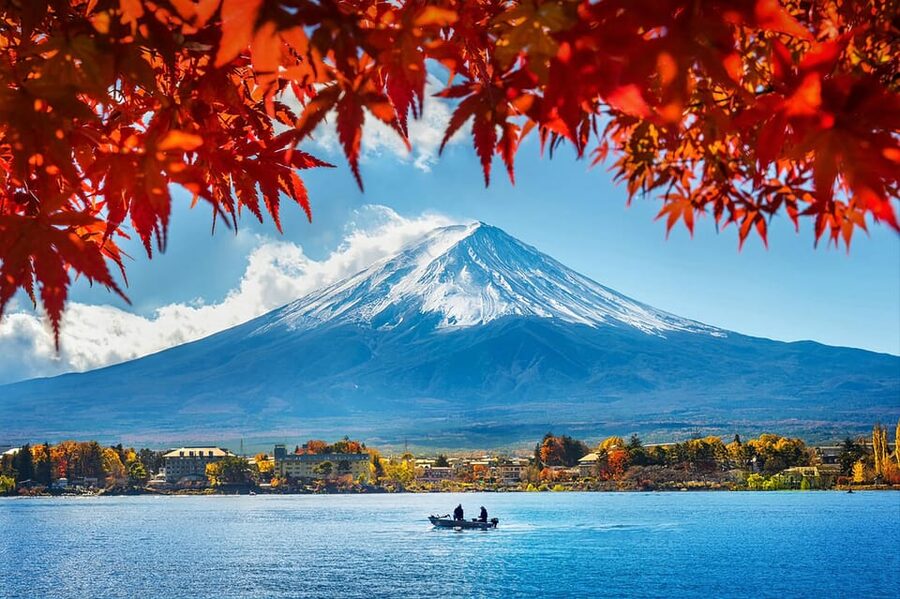
- Best photo stops: Chureito Pagoda, Mt. Fuji’s 5th Station, Lake Kawaguchiko, and Lake Yamanaka offer different views of the mountain.
- Drivers praised for kindness: Ali Raza and Asfand receive particular praise for being patient, friendly, and helpful.
- Weather matters: Fuji can appear clearly at one stop and vanish behind cloud at the next, so keep your expectations flexible.
One private day for Fuji and Hakone
This is not a slow, single-region outing. It is a full-day loop from Tokyo or Yokohama, built around the idea that you want to see as much of the Mt. Fuji area as possible without changing trains or following a fixed bus schedule.
The tour lasts 10 hours. That sounds generous, but the drive to the Fuji area can take about 2.25 hours, with another 2.25 hours for the return to Tokyo or Yokohama. Traffic can affect the day, too, although no traffic estimate is provided. You should think of this as a scenic sampler, not a leisurely retreat at one lake.
The private setup changes the experience. You can travel with your own family or friends, stop for photos, adjust the order, and ask the driver to shape the day around your interests. The vehicle has air conditioning and a Wi-Fi hotspot, useful on a long road day.
At $462 per group of up to six, the value improves sharply when the van is full. Six people pay about $77 each before any separate admission charges, if applicable. A couple pays much more per person, so the strongest value is for a family or small group that wants a private vehicle rather than a shared coach.
More Mount Fuji Tours in Fujiyoshida:
- From Tokyo: Full-Day Mount Fuji Tour in English or Spanish
★ 4.7 · 101 reviews - Tokyo: Mount Fuji & Hakone Private Car Day Tour Lowest Price
★ 5.0 · 31 reviews - Tokyo: Mt. Fuji Summer Trip 5th Station & Lake Kawaguchi
★ 3.8 · 28 reviews
Mt. Fuji’s 5th Station and the first mountain views
Mt. Fuji’s 5th Station is the classic high-altitude access point on the mountain. You are not climbing to the summit. Instead, you get mountain air, broad views, and a chance to look across the area from the gateway toward the upper slopes.
This is one of the most appealing stops for first-time visitors because it gives you a direct sense of Fuji as a mountain, not just as a distant shape in a photograph. Bring a jacket layer even if Tokyo is warm, and wear comfortable shoes. The tour specifically recommends comfortable clothes, sturdy walking shoes, and a daypack.
Weather can make this stop unpredictable. One guest had a cloudy day but could still see Fuji from the 5th Station, while other viewpoints were covered. That is a useful lesson: do not judge the whole day by the weather at your first stop. Fuji may show itself in brief windows.
The stop is primarily about views and fresh air. If you want a long mountain walk or a summit experience, this tour is not designed for that.
Chureito Pagoda and the famous postcard view
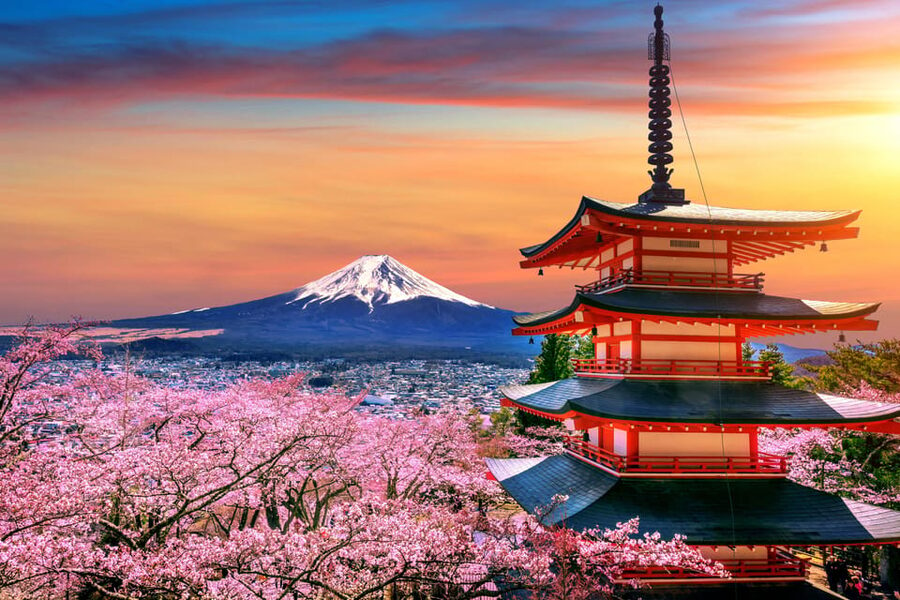
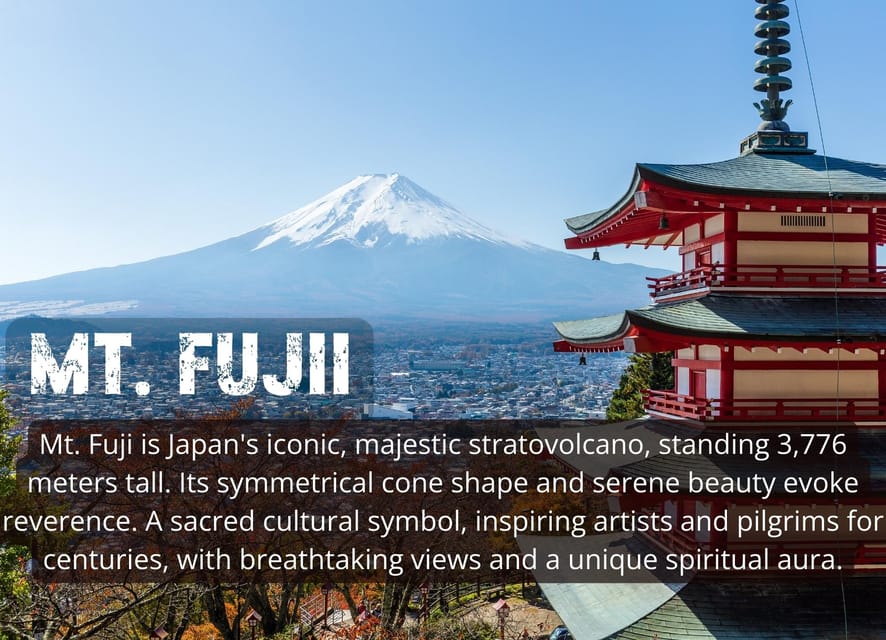
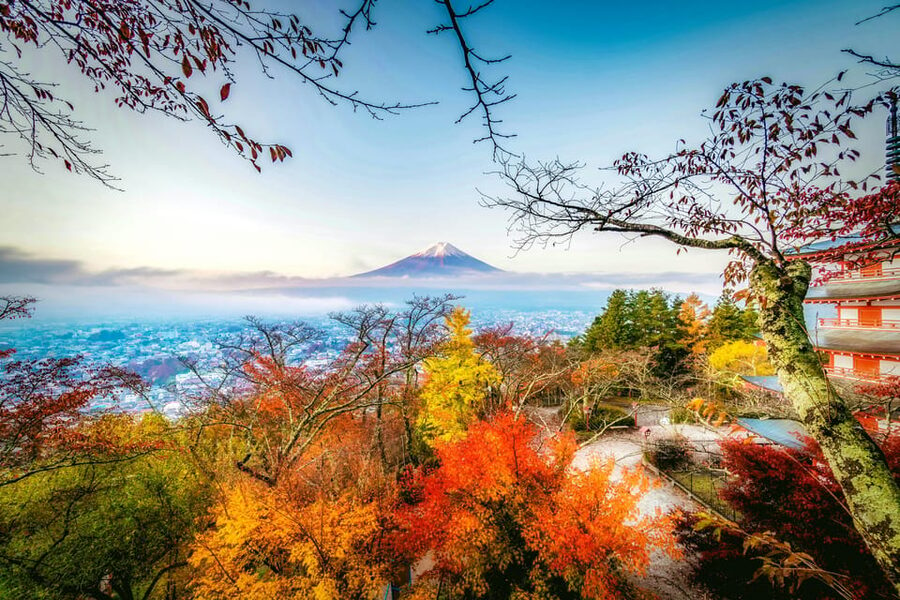
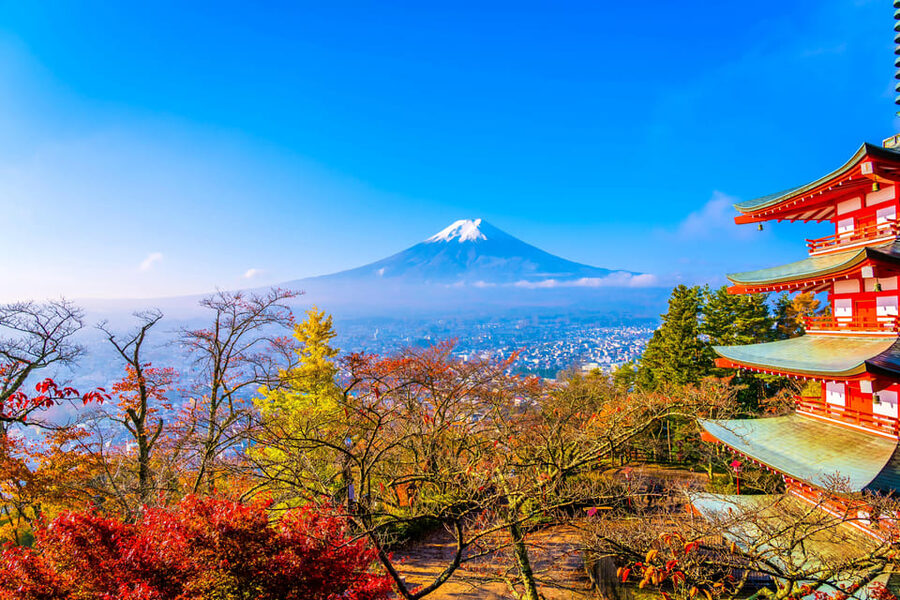
The visit to Chureito Pagoda, reached through Arakura Sengen Shrine, is likely to be the most recognizable photo stop of the day. The pagoda sits above the town with Mt. Fuji behind it, creating the classic Japan image seen in guidebooks and calendars.
You should expect stairs and walking here. The itinerary allows time for a break, photographs, sightseeing, and a guided visit, but it does not give a fixed amount of time. If someone in your group has limited mobility, discuss the pace with the driver before the day begins. The tour is listed as wheelchair accessible, but that does not mean every stairway viewpoint is easy to reach.
The reward is the combination of religious architecture, red pagoda, town, and mountain. The view changes with the season and weather, so even a partly cloudy day can produce a strong photograph. I would keep this stop high on your priority list, particularly if your main reason for booking is to photograph Mt. Fuji.
Oshino Hakkai’s springs and traditional houses
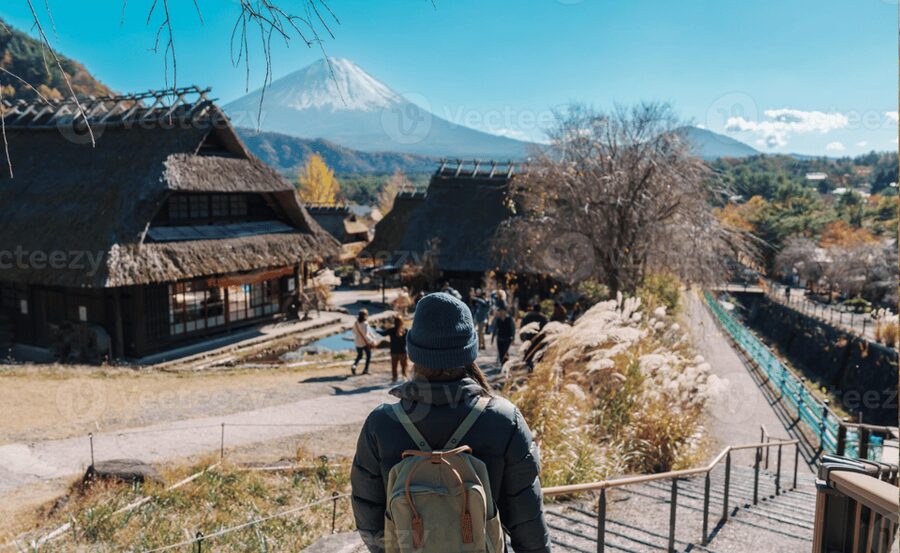
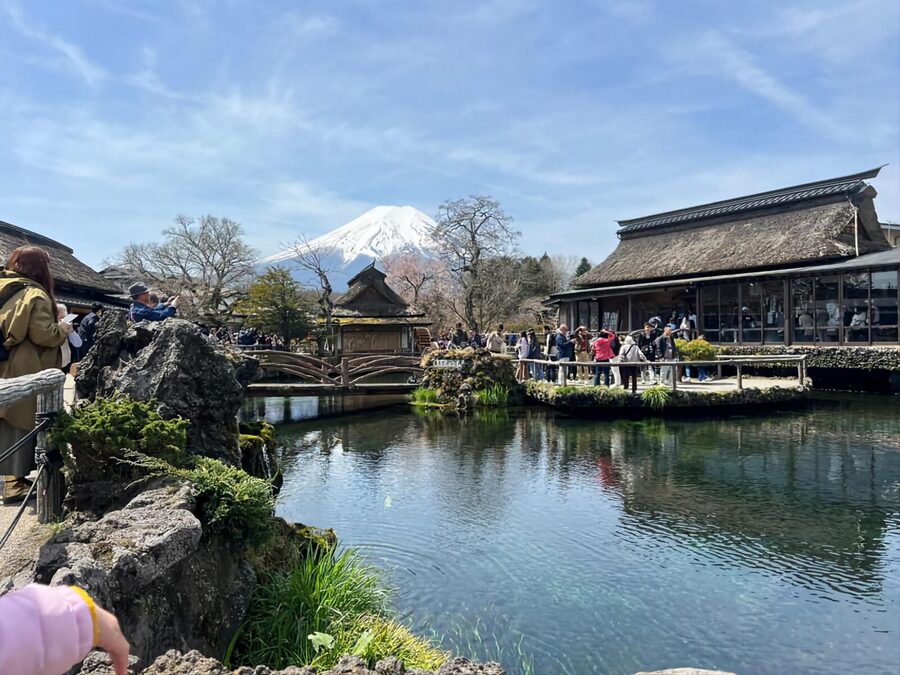
Oshino Hakkai offers a different side of the Fuji area. The village is known for eight clear freshwater ponds and traditional thatched-roof houses. Instead of looking at Fuji from a grand overlook, you spend time among water, old-style buildings, and a small historic settlement.
The ponds are the main attraction. Their clarity gives the place a calm, carefully preserved feel, and the traditional houses make a pleasant contrast with the large sightseeing centers around the lakes. The stop includes time for photographs and a guided visit.
This is also a good place to slow the pace. After the higher viewpoint and the pagoda stairs, Oshino Hakkai gives you a more grounded village experience. You may find it more atmospheric than dramatic, which is part of its appeal.
The practical issue is time. Fuji-area stops can easily fill a full day by themselves. If you also want Hakone Ropeway and Lake Ashi, tell your driver which stops matter most. The flexibility is useful only if you make choices early.
A few more volcano tours around Fujiyoshida worth a look
- Mount Fuji Private Day Tour customized with English driver
★ 4.7 · 15 reviews - Tokyo: Mt-Fuji & Hakone Private Custom Tour English Driver
★ 5.0 · 4 reviews - Mt Fuji Private Day Tour with English Speaking Driver
★ 4.0 · 4 reviews - From Tokyo:Mount Fuji private day tour with English driver
★ 5.0 · 4 reviews
Lake Yamanaka and the quieter side of Fuji
Lake Yamanaka is one of the Five Fuji Lakes and is included as a scenic stop with free time and a walk. It tends to feel less focused on a single famous structure than Chureito Pagoda or Oshino Hakkai. The attraction is the open view, peaceful setting, and chance to see Fuji from another angle.
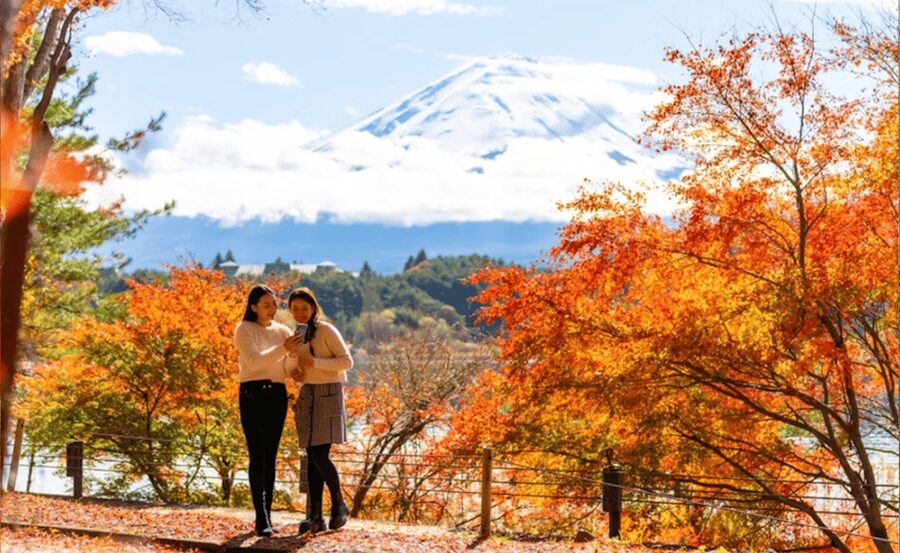
You can use this stop to stretch your legs, take photographs, and enjoy a calmer stretch of the day. If the water is still and the weather cooperates, Fuji may appear reflected in the lake. The view is never guaranteed, but the setting remains worthwhile even when cloud covers the peak.
I appreciate having a stop like this in a busy itinerary. It gives you room to breathe instead of sending you from one landmark straight into another. On the other hand, if your group prefers cultural sites, shopping, or hands-on activities, you may want to trade some lake time for another planned stop.
Lake Kawaguchiko, Oishi Park, and optional choices
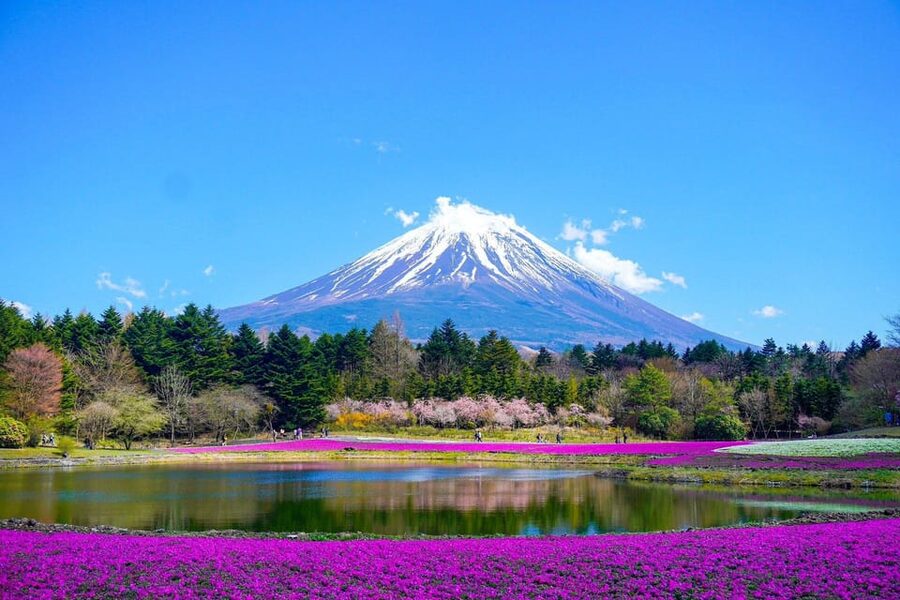
The description of the experience also includes Lake Kawaguchiko and Oishi Park. Kawaguchiko is one of the best-known places for seeing Fuji reflected in water, while Oishi Park adds flower gardens along the lakeshore. Together, they offer the gentle, scenic side of the region.
A stroll beside the lake can be a welcome change from a quick photo stop. Oishi Park is especially appealing if you like gardens and seasonal color. The exact appearance depends on the time of year, and no fixed flower season is specified, so treat the garden as an extra attraction rather than a guaranteed display.
The tour is customizable, but the detailed route also lists Hakone Ropeway and Lake Ashi. You should confirm the final order and included stops when you book. It may not be realistic to visit every place named in the description, especially with the long Tokyo drive.
There is also an option to visit a Ninja Village, where you can see interactive exhibits, performances, and try ninja skills. This could suit families with children or anyone who wants an activity beyond scenery. It may be less appealing if you prefer quiet temples, lakes, and village walks.
Gotemba Premium Outlets are another possible addition. The center offers Japanese and international brands, with Mt. Fuji views while you shop. Shopping can be useful if it is a priority, but it competes directly with sightseeing time. I would choose it only if your group genuinely wants outlets, not simply because it is available.
Hakone Ropeway and Lake Ashi
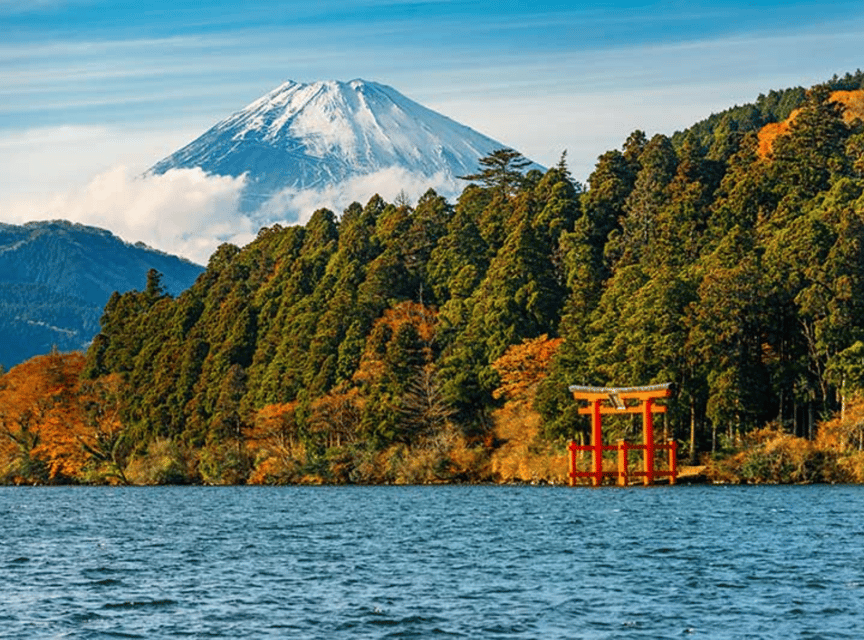
The Hakone portion gives the day a different mood. The Hakone Ropeway provides an elevated sightseeing ride, while Lake Ashi offers a broad water view framed by the surrounding hills. The itinerary lists both as stops, with photographs and sightseeing at the Ropeway and a break at the lake.
The Ropeway is valuable because you see Hakone from above rather than only from the roadside. It also breaks up the driving with a distinct form of transport. The available information does not specify how long you ride, which station you use, or whether a ticket is included, so confirm those details before booking.
Lake Ashi is best treated as a scenic pause. You can take photographs and enjoy the water, but the tour does not promise a boat cruise. Do not assume that a lake stop includes a cruise unless the operator confirms it.
Combining Fuji and Hakone is ambitious. These areas are close enough to connect by car, but they are not next door to one another in sightseeing terms. If you want long walks, museum visits, ropeway rides, shopping, and every famous Fuji viewpoint, you will need more than one day.
What the English-speaking driver adds
Your driver is more than a person behind the wheel, but the exact level of guiding can vary. English, Japanese, and Hindi are available, and the strongest service reports focus on friendliness, patience, and help with the day’s logistics.
Ali Raza is singled out as friendly and helpful, with a recommendation for future use. Asfand is praised for patience and for answering questions, even when clouds affected the views. Those details matter on a private tour because the driver’s attitude shapes the whole day.
You should ask questions rather than wait for a formal lecture. One useful criticism is that more explanation about the destinations would improve the experience. If you want stories about Shinto practices, Fuji traditions, or Hakone’s past, tell the driver at the start.
The flexible itinerary can also include an off-the-beaten-path waterfall walk, based on the driver’s judgment and your interests. Since that outing is not a guaranteed part of the route, treat it as a possible bonus, not a promised feature.
Pickup, comfort, and the long road home
Pickup and drop-off are available at your Tokyo accommodation, with Yokohama also listed as a pickup and drop-off area. You should wait in the hotel lobby 10 minutes before the scheduled time and add the local supplier, GG OUTDOORS, on WhatsApp for communication and emergencies.
The van includes air conditioning and Wi-Fi. Fuel and tolls are included, which makes the group price easier to understand and protects you from some common road-trip extras. The private vehicle also lets you keep your daypack with you and avoid carrying luggage through several transfers.
The downside is unavoidable road time. A 10-hour tour with about 4.5 hours of listed van travel leaves roughly 5.5 hours for sightseeing, before accounting for traffic and transitions. That can work well for scenic highlights, but it will feel rushed if you want every stop.
The tour is listed as wheelchair accessible, though the practical access at Chureito Pagoda and other walking sites should be confirmed in advance. Accessibility at the vehicle level does not guarantee that all viewpoints, stairs, or paths are fully accessible.
Weather, timing, and how to plan the day
Fuji is the star, but Fuji controls the schedule in another way: clouds. The experience can still be enjoyable on a cloudy day, thanks to lakes, villages, pagodas, and Hakone scenery. Still, clear mountain views are never promised.
I would choose this tour when your schedule gives you only one free day and you want a broad sample of the region. If Fuji photography is your top goal, keep the route flexible and ask the driver to favor the clearest viewpoint when conditions change.
Wear comfortable shoes and clothing. Bring a daypack, water, and a light extra layer for the higher station. The tour includes a lot of sitting, but each scenic stop may involve walking, stairs, or standing for photographs.
Cancellation is free up to 24 hours before the activity for a full refund, and you can reserve now and pay later. Those terms help if your Tokyo plans are still shifting, but they do not solve the weather question. You are booking access to the region, not a guaranteed clear view of Fuji.
Who gets the best value from this tour?
I would recommend it most strongly to families, friends, and multigenerational groups that want their own vehicle. Six people sharing $462 receive much better value than two people paying the same group rate.
It also suits you if you dislike complex public transport or want hotel pickup and return. The driver handles the road, tolls, and route, while you focus on scenery and conversation.
You may want a different plan if you prefer a slow, highly educational tour. The driver can answer questions, but the experience may not provide detailed commentary at every stop. You may also find the day too rushed if you want to linger at Lake Kawaguchiko, shop at Gotemba, explore a Ninja Village, and take the Ropeway without cutting something else.
Should you book this Fuji and Hakone day tour?
Book it if you want a private, flexible way to see many famous Fuji-area sights in one long day. The best reasons are the hotel pickup, private van, group value, friendly drivers such as Ali Raza and Asfand, and the chance to adjust the route around your priorities.
Think twice if you want a relaxed pace, guaranteed clear mountain views, or a full guided history lesson. Before paying, confirm your preferred stops, how the Fuji and Hakone sections will fit together, and which optional admissions are separate.
For a small group with limited time in Tokyo, this is a practical way to cover a wide area. Just keep the day’s ambition in check: choose your must-see stops, accept some road time, and let the weather help decide where to linger.
FAQ
How long does the Mt. Fuji and Hakone tour last?
The tour lasts 10 hours, or one day. Starting times depend on availability.
Where can pickup and drop-off take place?
Pickup and drop-off are available from locations in Tokyo. Yokohama is also listed as a pickup and drop-off area.
How many people can join the private tour?
The price covers a private group of up to six people.
What languages does the driver speak?
The available driver languages are English, Japanese, and Hindi.
Is transportation included?
Yes. The tour includes an air-conditioned vehicle, fuel, tolls, hotel pickup and drop-off, and a Wi-Fi hotspot.
Which main stops are included in the route?
The detailed route includes Mt. Fuji’s 5th Station, Chureito Pagoda, Oshino Hakkai, Lake Yamanaka, Hakone Ropeway, and Lake Ashi.
Can the itinerary be changed?
Yes. The tour offers a customizable itinerary, so you can discuss your preferred stops with the driver. Since the day lasts 10 hours, fitting every possible location may not be practical.
What should I bring?
Bring comfortable shoes, comfortable clothes, and a daypack. You should also wait in your hotel lobby 10 minutes before pickup and add GG OUTDOORS on WhatsApp for communication.
Just added around Fujiyoshida
- Tokyo to Mount Fuji A Full Day Private Tour From Tokyo★ 3.8 · 4 reviews
- Tokyo: Mt-Fuji & Hakone Private Custom Tour English Driver★ 5.0 · 4 reviews
- Tokyo: Mount Fuji & Hakone Private Customized Full Day Tour★ 4.4 · 7 reviews
- Private Mount Fuji sightseeing Day trip with English Guide★ 5.0 · 8 reviews
- Mt. Fuji Private Tour With Hotel Pick Up From Tokyo★ 5.0 · 8 reviews
- Mt Fuji Private Day Tour with English Speaking Driver★ 4.0 · 4 reviews
- Mount Fuji Full Day Private Tour from Tokyo Full Customized★ 4.0 · 9 reviews
- Mount fuji and Hakone full day private tour with English gui★ 4.9 · 12 reviews
Fujiyoshida Volcano Tours, compared.
From Tokyo: Full-Day Mount Fuji Tour in English or Spanish
Read our review →
Tokyo: Mount Fuji & Hakone Private Car Day Tour Lowest Price
Read our review →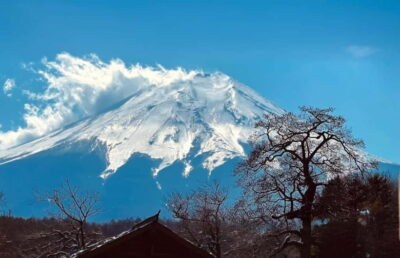
Tokyo: Mt. Fuji Summer Trip 5th Station & Lake Kawaguchi
Read our review →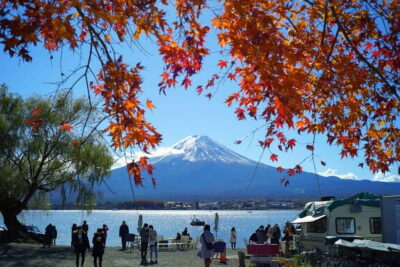
Tokyo: Private Mt. Fuji Luxury Day Tour – Fully Customizable
Read our review →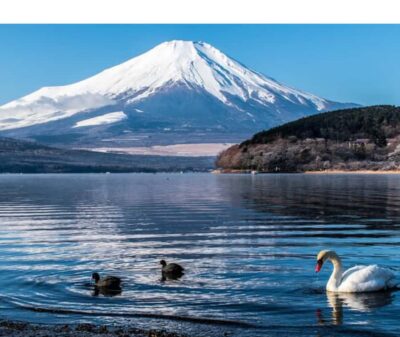
Mount Fuji Private Day Tour customized with English driver
Read our review →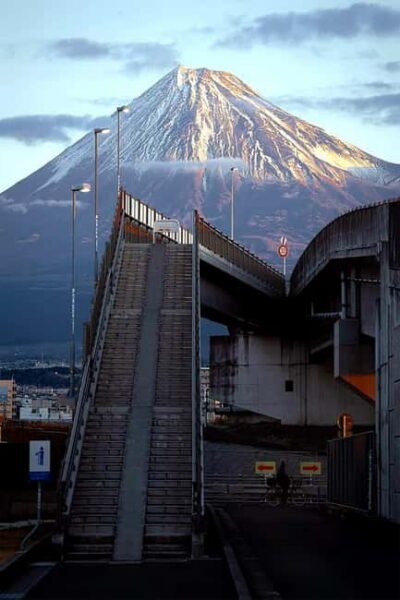
From Tokyo: 5 Best Mount Fuji Photo Spots Private Day Trip
Read our review →
Mount fuji and Hakone full day private tour with English gui
Read our review →
Fuji/Hakone Private Tour, English speaking guide, Photograph
Read our review →Browse the lists this tour appears in