
REVIEW · ICELAND
Arnarstapi: Snæfellsjökull Glacier and Volcano Hike
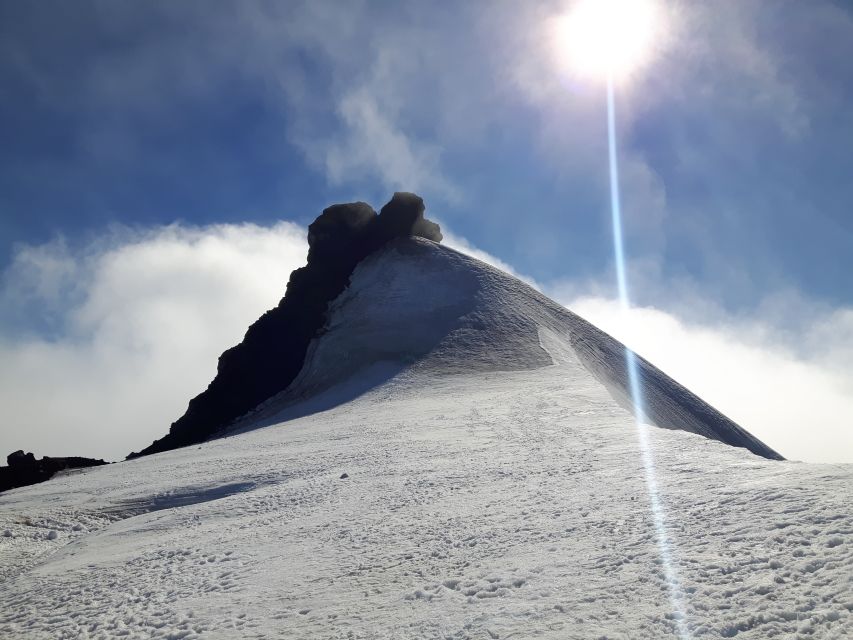
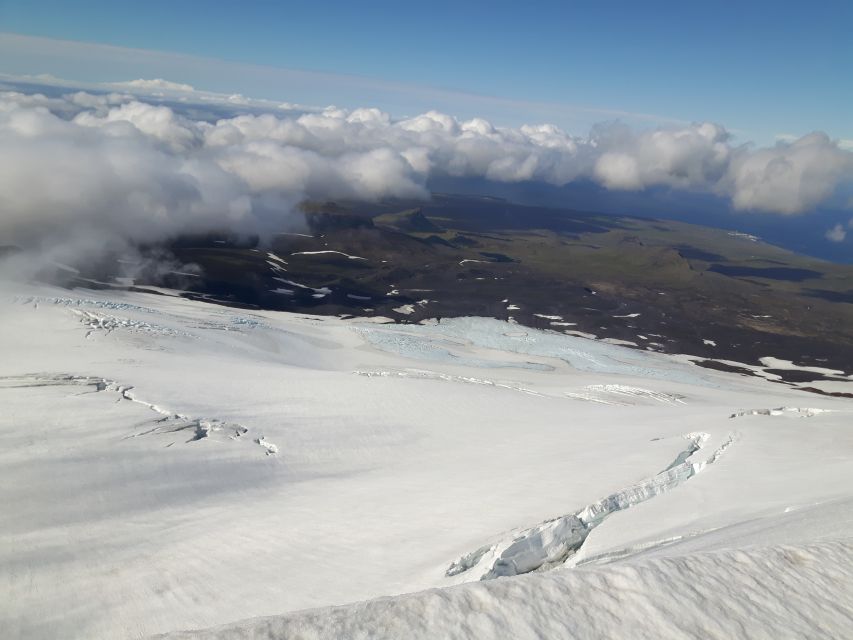
Snæfellsjökull is not just a glacier. It is a 1,446-meter volcano wearing a cap of ice, and reaching its upper slopes gives you a fine view across the Snæfellsnes peninsula. The climb also has a literary twist: Jules Verne used this peak as the entrance to the center of the Earth.
I like the small group of up to seven, which gives the guide room to manage glacier equipment and keep an eye on everyone. I also like the clear change in scenery, from a rocky approach to crampons, ropes, and a steep ice climb. The main caution is simple: this is a serious uphill mountaineering day, not an easy walk for most people, despite the description suggesting broad suitability. You also need to arrange your own transport to the meeting point.
Key points to know before you book
- The glacier section begins after about an hour of rocky hiking, so expect uneven ground before you reach the ice.
- Crampons, harnesses, ice axes, and ropes are supplied, with instruction from the guide.
- The summit goal is flexible, usually around 1,400 meters or the full 1,446-meter peak if conditions and fitness allow.
- The entire outing takes about 6 to 6.5 hours, with roughly 5 to 6 hours of walking and climbing.
- You must bring warm, non-cotton clothing, food, drinks, hiking shoes, and snow gear.
- The $504 price is high, so the value depends on whether a guided glacier climb is a main goal of your Iceland trip.
A volcano climb above Snæfellsnes
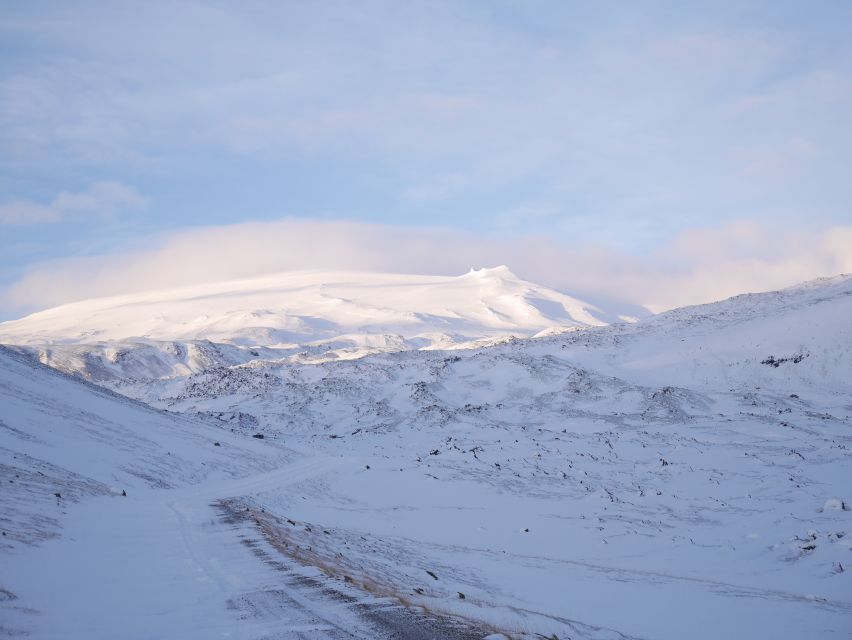
Snæfellsjökull is one of those Icelandic peaks that does two jobs at once. It gives you a glacier hike and a volcano climb, with broad views over the Snæfellsnes peninsula when the clouds cooperate.
The mountain reaches 1,446 meters above sea level. Ice covers the upper volcano, and the route brings you close enough to feel the difference between ordinary hill walking and glacier travel. You begin on rock and dirt, then stop at the glacier base to put on the gear that makes the upper section possible.
This setting also carries a literary connection. Jules Verne chose Snæfellsjökull as the route into the Earth in Journey to the Center of the Earth. You will not find a fictional tunnel at the top, but the mountain does have the right shape for a story: isolated, icy, and often partly hidden by weather.
The tour is operated by North Ice and uses an English-speaking local guide. The group is limited to seven people, a useful size for a route where walking speeds and confidence can vary.
More Volcano Crater Hikes in Iceland
- From Reykjavík: Fagradalsfjall Volcano Hike with Geologist
★ 4.8 · 780 reviews - Fagradalsfjall Volcano Hike – Small Group with Local Guide
★ 5.0 · 338 reviews - Small Group Volcano Hike with a Professional Geologist
★ 4.5 · 142 reviews
Meeting at Arnarstapi and reaching the trail
You can meet the group at listed points around Arnarstapi, including Stapinn, Arnarstapi Center, and Snjófell Restaurant. The exact meeting arrangement should be confirmed when you book, since the information gives more than one starting option.
Transport is not included. You need to get yourself to the trail starting area, and one person found this inconvenient when driving their own car. That matters here because Arnarstapi is not simply a city-center departure point with a shuttle attached. Plan your route, fuel, and timing before the morning of the climb.
The tour also returns to the listed Arnarstapi meeting points. You will not be dropped at another part of Iceland, so this works best as a day activity while you are staying in or touring the Snæfellsnes area.
The first hour is a rocky approach
The walk starts from the Snæfellsnes road and takes about an hour to reach the base of the glacier. This opening section is not a warm-up stroll on a smooth path. You will be on rocky, uneven ground, and your balance and footwear matter from the beginning.
This is where the tour can feel more demanding than the short summary suggests. A strong hiker may find the first section manageable, but anyone who rarely walks uphill on uneven ground should take the warning seriously. The route has a steady climb, and the return still has to be completed after the hardest part.
Your hiking shoes should be sturdy and comfortable. The instructions also call for snow clothing and weather-ready layers. Iceland’s conditions can shift quickly, so a sunny start does not remove the need for gloves, a hat, waterproof layers, and warm trousers.
Glacier gear and a short safety lesson
At the glacier base, the group stops to put on crampons, harnesses, ice axes, and ropes. The guide explains how to use the equipment before you continue. This pause is practical, not wasted time. It gives you a chance to adjust your gear, drink water, eat a snack, and understand how the rope system will work.
You should bring your own food and drinks. A packed lunch is specifically recommended, and there is no food included in the $504 price. Carry enough for a long day outside, since the main meal break comes at the summit or at the highest safe point reached by the group.
The rope section also changes the pace. One account praised the experience of being roped together because the group settled into a more natural speed on the glacier. That is useful to know if you are worried about keeping up. At the same time, one person felt the guide moved too quickly on earlier sections and missed some explanations. In a small group, tell the guide early if you need a slower pace or more time to understand the instructions.
More Volcano Hikes and Treks in Iceland
- Reykjavík: Volcano Eruption Site and Reykjanes Hiking Tour
★ 4.6 · 1,066 reviews - Reykjavík: Guided Afternoon Hiking Tour to New Volcano Site
★ 4.4 · 934 reviews - Iceland Hiking Tour to Fagradalsfjall Volcano with Local Guide
★ 5.0 · 573 reviews - Reykjavik: Thrihnukagigur Volcano Guided Hiking Day Trip
★ 4.9 · 564 reviews
Three hours toward the upper ice
The climb from the glacier base toward the summit takes about three hours. This is the heart of the activity, and it is where fitness makes the biggest difference.
The route becomes steep, with ropes protecting the final slope. Depending on weather, inclination, and the group’s condition, you may stop around 1,400 meters or continue toward the full 1,446-meter summit. Reaching the highest point is not promised, and that is the correct approach for a glacier climb. Safety and weather have to come before a number on a map.
The views are the main reward. On a clear day, you can look over the Snæfellsnes peninsula and see the shape of the surrounding coast and countryside from high above. Cloud and fog can reduce the view, but they do not necessarily ruin the day. The mountain itself, the ice, and the changing weather remain part of the experience.
You should also expect cold conditions even in late spring or summer. One May outing included a vigorous climb and cold, wet feet before the group reached the ice and began the steepest section. That detail is worth remembering: reaching the glacier does not mean you will suddenly become warm. Good socks, waterproof footwear, gloves, and layers can make the difference between enjoying the climb and spending the day thinking about your toes.
A summit break with a flexible finish
At the highest point the guide chooses, you have time for lunch and views. If conditions are clear, this should be the most memorable pause of the day. You are looking across the peninsula from a volcano summit rather than from a roadside viewpoint, and the scale of the area becomes easier to understand.
The summit break may not happen at 1,446 meters. The guide can turn you around if your fitness, clothing, or condition creates a safety problem for you or the group. That can feel disappointing after paying a high price, but it is a sensible rule on a roped glacier route.
Weather may also limit the climb. Fog, poor visibility, wind, or wet conditions can affect how high you go and how long the group spends at the top. One outing with limited visibility was still considered a good day, while another person felt the tour did not provide the full amount of glacier walking expected. Go in knowing that the advertised duration is a planned time, not a guarantee that every minute will be spent on the ice.
Returning by the same route
The descent usually takes one to two hours, followed by the rocky walk back toward the road. You return along the same general route, so the scenery is familiar, but the physical demand is different. Your legs may be tired, and loose rock can feel less forgiving on the way down.
The guide’s attention matters here. A small group should allow for useful checks and a reasonable pace, but you should not quietly struggle to keep up. Tell the guide if you need a pause, and keep your own pace within the group’s safety plan.
Once the glacier equipment is removed, the final walk can feel easier because the steepest climbing is over. It is still not free walking, though. Save some energy for the final hour and do not treat the lunch stop as the end of the activity.
What the $504 price really buys
At $504 per person, this is one of the more expensive half-day activities you can book in Iceland. The price includes a local guide and glacier equipment, but not transport, clothing, food, or drinks.
You are paying for more than a standard hike. The guide supplies and manages technical gear, leads you onto a glacier, sets the summit goal according to conditions, and handles a route that you should not attempt alone. The small group also has real value, since seven people is far more manageable than a large coach group when equipment and rope spacing are involved.
Still, the cost deserves a clear-eyed look. If you mainly want a scenic walk near Arnarstapi, this is poor value. You can find easier ways to see the peninsula. If climbing a glacier-covered volcano is one of the main reasons you came to Iceland, the specialized gear and local guidance may justify the price.
The duration is another part of the value question. The planned experience lasts 6.5 hours, and the walking portion is usually described as 5 to 6 hours. One outing reportedly involved about four hours of glacier walking rather than six, so do not book this expecting a fixed number of hours on the ice. Weather, safety, group speed, and the chosen summit point all affect the day.
Clothing, fitness, and honest preparation
Do not wear cotton. It holds moisture and can leave you cold when the weather turns wet or windy. Bring warm layers, waterproof outer clothing, gloves, a hat, snow clothing, and solid hiking shoes.
You also need snacks, drinks, and a packed lunch. The tour does not provide food, and there is no reason to assume you will find a shop or café at the glacier.
The physical standard is the most important booking question. The information describes the hike as suitable for most people and not challenging, but the actual details tell a different story: one hour of rocky approach, three hours of uphill glacier travel, a steep final slope, and another one to two hours down. A person who hikes regularly and is comfortable with uphill, uneven ground is a much better fit than someone seeking a gentle nature walk.
You do not need to insist on the full summit. The option to stop around 1,400 meters gives the guide some flexibility. Still, you should be able to handle a long, vigorous day outdoors. The guide can turn you around if you are not in suitable condition or do not have proper clothing. That rule protects the whole group, not just the individual who is struggling.
How the small group affects the day
A maximum of seven people is a strong feature. It keeps the group compact on the rope and makes it easier for the guide to provide equipment instructions and watch changing conditions.
Small groups are not automatically perfect. People walk at different speeds, and the guide may need to balance the strongest climber with the slowest. One outing left a couple feeling that the guide moved too far ahead on parts of the approach and did not explain enough. The glacier section reportedly felt more controlled once everyone was roped together.
You can improve your own experience by speaking up early. Ask for clarification if you miss an explanation, and say so if the pace is too quick. Do not wait until you are exhausted. On a mountain day, clear communication is part of the safety equipment.
Should you book the Snæfellsjökull climb?
Book this tour if you want a demanding, guided mountain day and you value the chance to walk on a glacier-covered volcano. The best candidates are fit hikers who bring proper clothing, carry their own lunch, and accept that fog or safety decisions may prevent a full summit.
Think twice if you want a relaxed excursion, dislike steep uphill walking, or expect transportation and meals to be included. The $504 price is hard to justify for casual sightseeing, especially when the time on the glacier can vary.
For the right person, this is a memorable way to see Snæfellsjökull: a small group, real glacier equipment, a flexible summit goal, and wide views when the weather clears. Just book it as mountaineering, not as a simple walk.
FAQ
Where does the Snæfellsjökull hike start?
The listed meeting points are Stapinn, Arnarstapi Center, and Snjófell Restaurant. Confirm your assigned meeting point before the activity, since more than one starting option is provided.
How long does the activity last?
The full activity lasts about 6.5 hours. The hike from the glacier base and back usually takes around 5 to 6 hours, including roughly one hour to reach the glacier, about three hours toward the summit, and one to two hours to return.
Is transport included?
No. Transport is not included, so you need to arrange your own way to the meeting point and back.
What glacier equipment is provided?
The tour includes glacier gear, including crampons, a harness, an ice axe, and ropes. The guide explains how to use the equipment before the glacier climb.
What should I bring?
Bring snacks, drinks, a packed lunch, hiking shoes, snow clothing, and clothing suited to the weather. Do not wear cotton, and bring warm layers, gloves, and a hat because conditions can change quickly.
Can everyone reach the 1,446-meter summit?
No summit height is guaranteed. You may stop around 1,400 meters or continue to 1,446 meters, depending on your condition and the weather. The guide can turn you around for safety reasons if your fitness or clothing is not suitable.
Just added around Iceland
- Private Tour Tailor Made Tour from Akureyri e.g Lake Myvatn, Godafoss, Dettifoss★ 4.5 · 6 reviews
- Lake Mývatn and Goðafoss Shared Shore Excursions★ 4.5 · 57 reviews
- Small-Group Lake Mývatn Tour from Akureyri★ 4.5 · 5 reviews
- Lake Mývatn Private Tour★ 4.5 · 7 reviews
- Full-Day Lake Mývatn & Goðafoss Small Group Tour★ 5.0 · 12 reviews
- Lake Mývatn and Goðafoss Shore Excursion★ 4.5 · 14 reviews
- Myvatn Nature Baths & Goðafoss Waterfall Akureyri Shore Excursion★ 4.5 · 75 reviews
- Group: Lake Myvatn and Godafoss Tour From Akureyri Port★ 5.0 · 9 reviews
Iceland Volcano Tours, compared.
Reykjavik: Golden Circle Full-Day Tour with Kerid Crater
Read our review →
From Reykjavik: Golden Circle, Kerid, & Secret Lagoon Tour
Read our review →
Small-Group Golden Circle, Blue Lagoon with Ticket & Kerid Crater
Read our review →
Reykjavik: Golden Circle, Kerid Crater, & Blue Lagoon Tour
Read our review →
Reykjavik: LAVA SHOW – Immersive Experience Entry Ticket
Read our review →
Golden Circle with Kerid Volcanic Crater Day Tour from Reykjavik
Read our review →
Browse the lists this tour appears in