
REVIEW · FUJIYOSHIDA
Mount Fuji Trip with English speaking guide ( customizable)
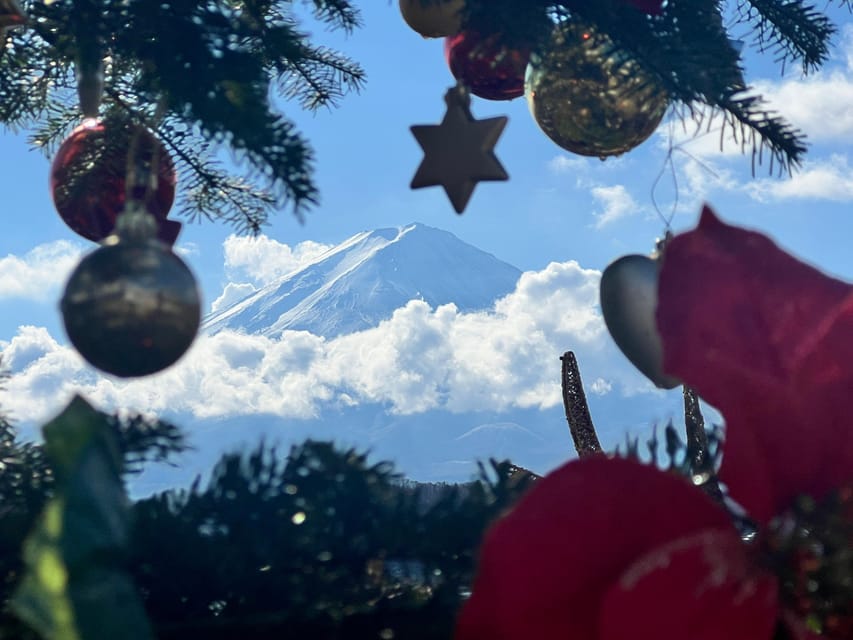
Mount Fuji is best seen with room to change plans. This private trip lets you choose between the Fuji Five Lakes area and Hakone, with stops such as Chureito Pagoda, Oshino Hakkai, Lake Kawaguchiko, and the Mount Fuji 5th Station. You ride in an air-conditioned vehicle rather than piecing together several trains and buses.
I like the hotel pickup and the freedom to set the pace, especially for families or groups of up to six. I also like that the driver may adjust the route for weather, traffic, or your interests. The main caution is time: Tokyo traffic can swallow several hours, and the full Fuji and Hakone program is too ambitious for one day.
Key points to know before booking
- Private vehicle for up to six: You get hotel pickup, drop-off, WiFi when needed, water, and an air-conditioned van.
- Two possible touring styles: Focus on Mount Fuji and the Fuji Five Lakes, or ask to include Hakone sights such as Owakudani, Lake Ashi, and the Ropeway.
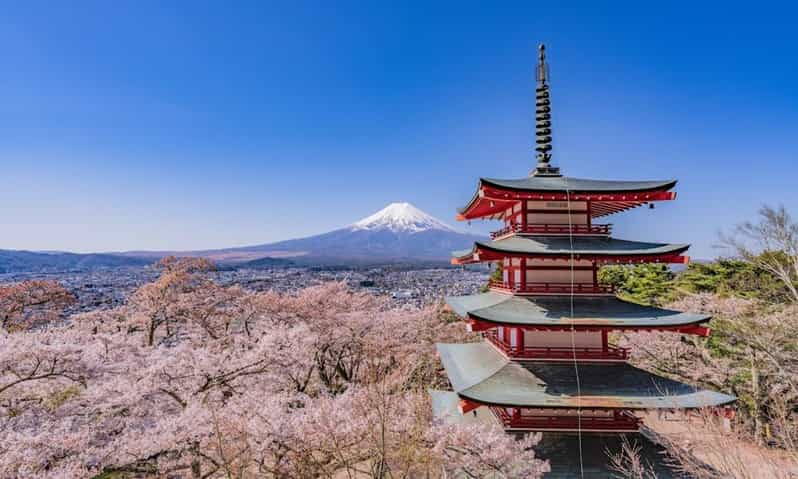
- Best photo stop: Chureito Pagoda gives you the famous pagoda, mountain, and seasonal foliage view, but it requires an uphill walk.
- Traffic is the serious variable: Weekends, flower season, and Japanese holidays can add hours to the drive.
- Guiding quality can vary: Guides including Mirza, Malik, and Zahid have been praised for care and clear explanations, while one booking reported weak English and limited cultural detail.
- Price works best for a group: At $407 per vehicle for up to six, the cost is strongest when shared by four to six people.
A private route from Tokyo, not a fixed bus tour
This is a long private day out, lasting about 12 hours from pickup in Tokyo to return. You have an English-speaking guide and driver, though Arabic and Hindi are also available. Pickup can be arranged from hotels, hostels, apartments, Airbnbs, and other addresses within Tokyo’s 23 wards.
The private format matters here. Mount Fuji sightseeing is spread across a large area, and public transport between smaller sights can be slow. With your own vehicle, you can spend more time at a favorite viewpoint, shorten a stop that feels less interesting, or add a photo break when the mountain appears through the clouds.
I would not treat the advertised list as a promise that you will see every stop. The Fuji Five Lakes route already takes most of the day. Adding Hakone means covering another large area, and traffic can make the schedule even tighter. Ask your guide at the start to agree on a clear priority list.
Drivers have included Mirza, Malik, Naeem, and Zahid. Mirza received especially strong praise for adding a photo stop, helping with tickets, taking family photographs, and explaining Japanese culture and history. Malik was described as friendly and clear, while Naeem was praised for patient driving during severe Golden Week traffic. One booking had a less satisfactory language experience, so if detailed historical interpretation matters to you, confirm the guide’s English level and the amount of guiding you want before departure.
More Mount Fuji Tours in Fujiyoshida:
- From Tokyo: Full-Day Mount Fuji Tour in English or Spanish
★ 4.7 · 101 reviews - Tokyo: Mount Fuji & Hakone Private Car Day Tour Lowest Price
★ 5.0 · 31 reviews - Tokyo: Mt. Fuji Summer Trip 5th Station & Lake Kawaguchi
★ 3.8 · 28 reviews
Oshino Hakkai and the water from Mount Fuji
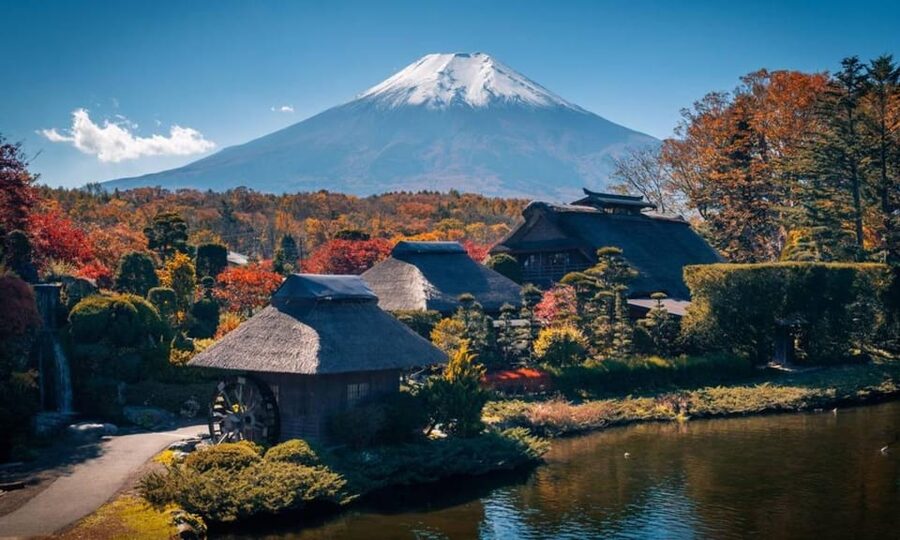
Oshino Hakkai is a good first taste of the Fuji region. Its ponds are fed by snowmelt from Mount Fuji, and the water is known for its clarity. You can walk among traditional houses, gardens, and small village paths while looking for reflections of the mountain.
The planned stop is about 45 minutes. That is enough for photographs and a short walk, but not a slow village visit with a long meal. The area combines natural scenery with traditional architecture, so it works well for anyone who wants more than a single roadside viewpoint.
The drawback is that the site can feel crowded, especially on weekends and during flower season. Keep your expectations realistic: this is a compact sightseeing stop, not an all-day rural escape. If the weather is poor, the ponds remain attractive, but the mountain view may disappear.
Kitaguchi Hongu Fuji Sengen Shrine under the cedars
The Kitaguchi Hongu Fuji Sengen Shrine offers a change of mood. Instead of open mountain views, you enter a quiet forest setting with tall cedar trees and traditional shrine buildings. The shrine has long been connected with pilgrimages toward Mount Fuji, giving the stop a clear cultural purpose rather than making it just another photo point.
You have around 40 minutes here. That should allow time to walk through the grounds, see the architecture, and ask your guide about the shrine’s connection to Fuji worship. This is one of the places where a good guide adds real value. Without explanation, you may see a beautiful wooded shrine. With context, the visit becomes part of the wider story of Mount Fuji as a sacred mountain.
The stop is less useful if your only goal is a panoramic view. I would keep it on the route if you care about Japanese religious culture and quiet settings. If your group prefers viewpoints and shopping, this may be one of the first stops to shorten.
Mount Fuji 5th Station and the limits of altitude
The Mount Fuji 5th Station is planned as a 45-minute stop. It gives you a chance to get higher on the mountain, take photographs, and see how the surroundings change as you leave the lower towns behind.
Access is weather-dependent. Rain or poor conditions can close the road, so this stop is never guaranteed. An entry ticket is also not included in the tour price. The mountain may be hidden even when the road is open, so I would treat the 5th Station as a bonus rather than the main reason to book.
This is also where clothing and shoes matter. Bring comfortable shoes and comfortable clothes, as requested for the trip. A charged phone and camera are useful, but remember that the best Fuji photographs depend on visibility, not simply on reaching a higher point.
More Guided Tours in Fujiyoshida:
- Fuji/Hakone Private Tour, English speaking guide, Photograph
★ 4.8 · 11 reviews - Private Mount Fuji sightseeing Day trip with English Guide
★ 5.0 · 8 reviews - From Tokyo:private Mount Fuji tour with guide
★ 4.8 · 4 reviews - Bali: Sunrise Mount Batur Guided Hike with Breakfast
★ 4.8 · 9,660 reviews
Lake Kawaguchiko and Oishi Park
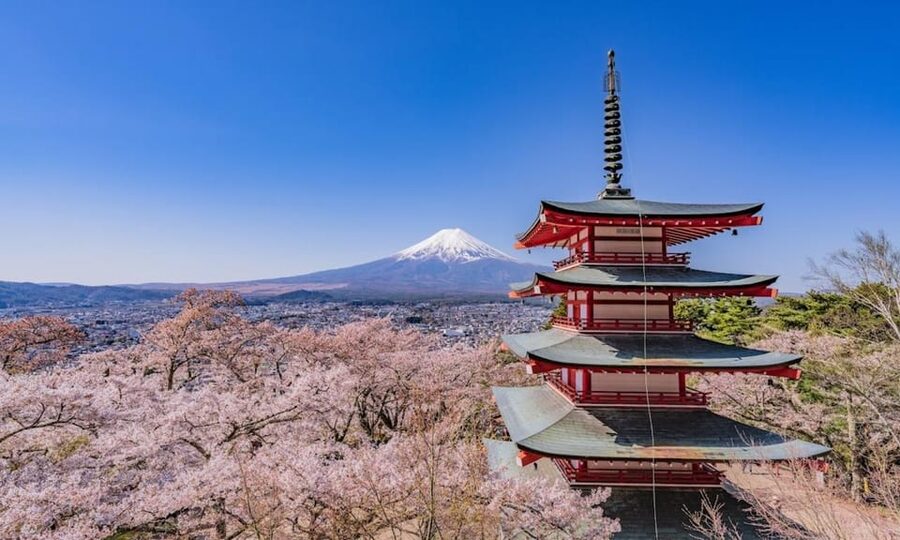
Lake Kawaguchiko is one of the Fuji Five Lakes and one of the day’s strongest places for open views. The mountain may appear across the water, giving you the classic combination of blue lake and Fuji’s symmetrical cone. The schedule allows about an hour for a break, photographs, and lunch.
Food and drinks are not included, so plan to pay for lunch yourself. The private vehicle makes this easier than a large group outing because you can discuss how much time you want to spend eating versus walking by the water.
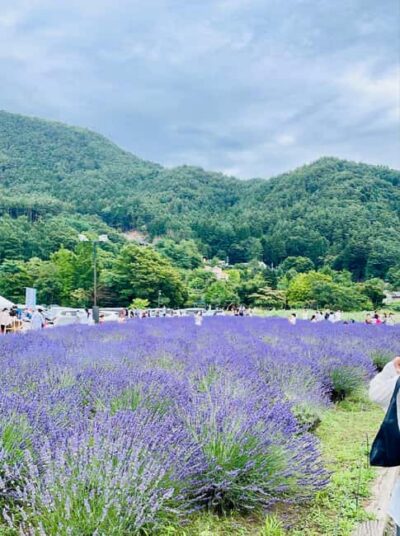
Oishi Park follows with about 40 minutes for a visit and photographs. It is a useful place to frame Mount Fuji with seasonal flowers and the lake. The exact appearance changes with the time of year, and the view is never guaranteed in cloudy weather. I would keep both Kawaguchiko and Oishi Park if seeing Fuji is your main aim, since different angles give you more than one chance for a clear photograph.
Chureito Pagoda, the famous Fuji photograph
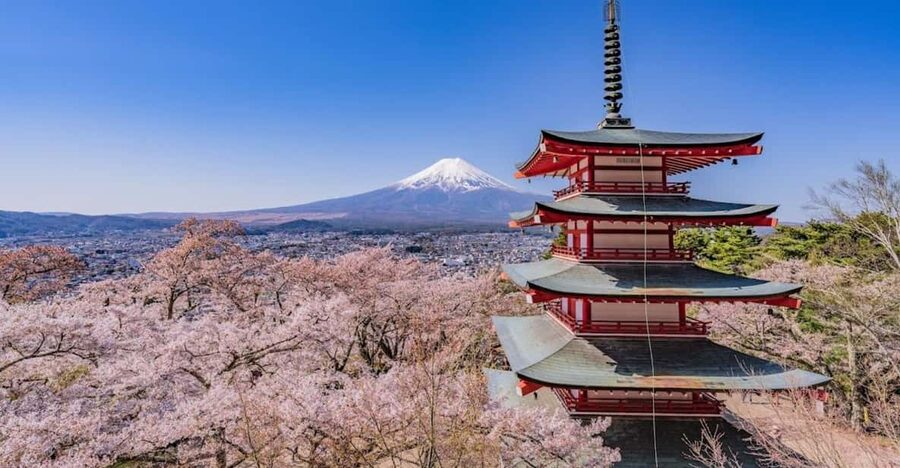
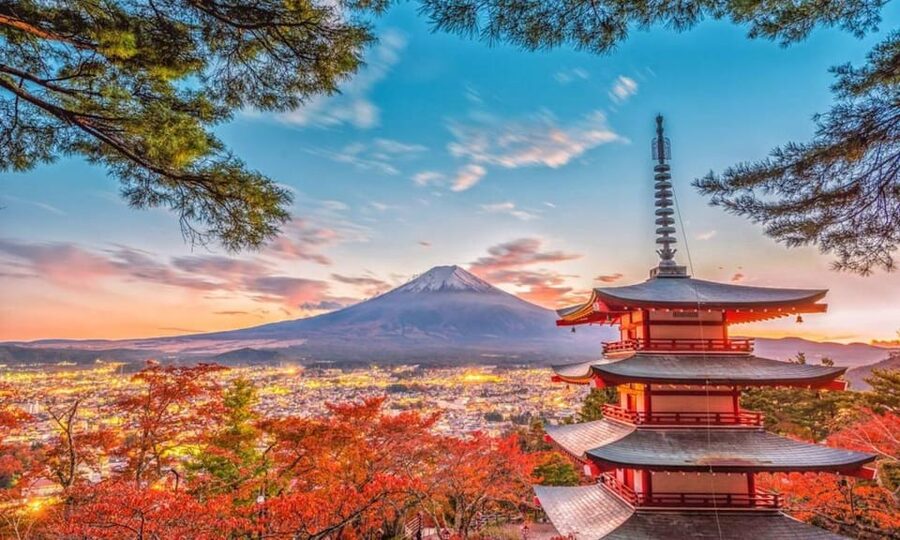
Chureito Pagoda is the most recognizable photo stop on this route. The five-story pagoda sits above the town, with Mount Fuji behind it when the weather cooperates. Cherry blossoms can add pink in spring, while autumn leaves may bring warm color later in the year.
The visit lasts around 45 minutes, but that includes the uphill approach and time at the viewpoint. Wear shoes you can walk in comfortably. The reward is a classic Japan image, but the stop is not effortless. You will need to climb to the pagoda, and busy weekends or blossom periods can make the viewing area crowded.
I would place this near the top of your priority list if photography matters to you. It also makes a strong family stop because the view is immediate once you reach the platform, though the climb may be tiring for anyone with limited mobility. The activity is not designed for people over 95, and the information does not describe special accessibility arrangements.
Choosing Hakone instead of trying to do everything
The Hakone option changes the day from a Fuji Five Lakes tour into a broader circuit of volcanic scenery, lake views, shrines, and art. You may ride the Hakone Ropeway over the Owakudani Valley, cruise Lake Ashi, visit Hakone Shrine, and spend time at the Hakone Open-Air Museum.
That sounds appealing, but it is a lot for one day from Tokyo. You should decide early whether Hakone is a main goal or simply a backup if Fuji visibility is poor. A clear agreement with the driver will help prevent disappointment later.
The Ropeway offers views across volcanic terrain and the steaming vents of Owakudani Valley. Ropeway tickets are not included. At Owakudani, you have time for photographs, a guided visit, and shopping, though the exact order can change with conditions.
Lake Ashi gives you a slower section of the day. You may take a motorboat or a traditional-style sightseeing boat, depending on the available option and your chosen plan. Boat tickets are extra, and the famous view of Fuji across the water depends heavily on clouds.
Hakone Shrine adds a wooded cultural stop, while the Hakone Open-Air Museum offers art, open space, free time, and shopping. The museum is a better fit for groups with different interests because not everyone has to spend the whole day chasing mountain views.
What the $407 group price really buys
The advertised rate is $407 per group of up to six, not per person. That works out to about $68 per person for six people, before optional tickets and food. For four people, it is about $102 each, and for two people, about $204 each.
That is a fair value if you want door-to-door transport and a private schedule. It becomes less attractive for a couple who could use public transport and does not care about hotel pickup or route changes. The vehicle, driver-guide, water, and return transfer are included. Food, drinks, Mount Fuji 5th Station entry, Ropeway or motorboat tickets, and the Saiko Iyashi no Sato Nenba village entrance are extra.
The biggest value is convenience. You do not need to organize separate connections between Tokyo, the Fuji area, and Hakone. You can also ask for an extra photo stop, as Mirza did for one family interested in autumn leaves. The biggest risk is spending much of that convenience in traffic.
Traffic can rewrite the whole day
The drive from Tokyo is listed as about two hours each way in normal conditions, but that is not a guarantee. On Golden Week, one group spent close to five hours reaching its first destination. Weekend traffic and flower season can also create major delays.
The provider warns that arrival back in Tokyo may be two to three hours later than planned. That matters if you have dinner reservations, a train connection, or a flight. Do not book this as a tight final-day excursion before an airport departure.
An early start is the best practical choice. It may not remove congestion, but it gives you more daylight and a better chance of keeping the main stops. Drivers may also arrive up to 30 minutes late because of highway traffic, so keep the first morning flexible.
Visibility is just as important as traffic. Mount Fuji may be hidden by cloud, and a clear view is not promised. A private vehicle helps because the guide can adjust the route, but it cannot create a mountain view in bad weather. The 5th Station may close in rain or other poor conditions, and the itinerary can change because of weather, road conditions, or other events.
Who will get the most from this day
I would recommend this trip to a family, group of friends, or multigenerational party that values private transport. Six people sharing the vehicle get the best price, and the ability to move at your own pace is useful when different ages want different amounts of walking.
It also suits photographers who want several Fuji viewpoints. Chureito Pagoda, Oshino Hakkai, Lake Kawaguchiko, Oishi Park, and Hakone offer different settings, so you have more than one chance to catch clear skies or seasonal color.
The trip is less suitable if you want a slow, detailed cultural tour at every stop. Most visits are short, and one critical booking found the guide’s English and cultural explanations too limited. It is also a poor match for anyone who dislikes long road journeys or must return to Tokyo at a precise time.
Before departure, tell the provider about child-seat needs, allergies, or other requirements. Pets, smoking in the vehicle, alcohol, and drugs are not allowed. Pickup is not available from airports, ports, or stations, so use a hotel, apartment, hostel, Airbnb, or another address in Tokyo’s 23 wards.
Should you book this Mount Fuji trip?
Book it if you have up to six people, want hotel pickup, and prefer a flexible private day over a fixed coach schedule. The strongest plan is to choose either the Fuji Five Lakes route or a Hakone-focused day, then identify two or three must-see stops.
I would put Chureito Pagoda, Lake Kawaguchiko, and Oshino Hakkai at the top for a first Fuji visit. Choose Hakone instead if the Ropeway, Owakudani, Lake Ashi, or the Open-Air Museum matters more to you. Start early, allow a large buffer for the return journey, and confirm the guide language and route before setting off.
The 4.4 rating reflects a generally comfortable and flexible experience, but not perfectly consistent guiding. With the right expectations, a cooperative driver, and a weather-friendly day, this can be a very practical way to see Mount Fuji without managing a complicated transport network yourself.
FAQ
How long does the Mount Fuji trip last?
The experience lasts about 12 hours, including pickup in Tokyo, sightseeing, and the return journey. Traffic can delay the return by two to three hours.
Where can pickup take place?
Pickup is available from hotels, hostels, Airbnbs, apartments, and other addresses within Tokyo’s 23 wards. Pickup is not available from airports, ports, or stations.
How many people can join the private group?
The price covers a private group of up to six people.
Are food, drinks, and attraction tickets included?
Food and drinks are not included. You must also pay separately for the Mount Fuji 5th Station entry ticket, Hakone Ropeway or motorboat tickets, and the Saiko Iyashi no Sato Nenba village entry ticket.
Is Mount Fuji guaranteed to be visible?
No. Visibility depends on weather, and panoramic views are not guaranteed. Access to the 5th Station may also close in rain or bad weather.
Which languages are available for the guide?
Guides are available in English, Arabic, and Hindi. You should tell the provider about any special requirements, such as child-seat needs or allergies, before the trip.
Just added around Fujiyoshida
- Tokyo to Mount Fuji A Full Day Private Tour From Tokyo★ 3.8 · 4 reviews
- Tokyo: Mt-Fuji & Hakone Private Custom Tour English Driver★ 5.0 · 4 reviews
- Tokyo: Mt. Fuji and Hakone tour with English Speaking Driver★ 5.0 · 7 reviews
- Tokyo: Mount Fuji & Hakone Private Customized Full Day Tour★ 4.4 · 7 reviews
- Private Mount Fuji sightseeing Day trip with English Guide★ 5.0 · 8 reviews
- Mt. Fuji Private Tour With Hotel Pick Up From Tokyo★ 5.0 · 8 reviews
- Mt Fuji Private Day Tour with English Speaking Driver★ 4.0 · 4 reviews
- Mount Fuji Full Day Private Tour from Tokyo Full Customized★ 4.0 · 9 reviews
Fujiyoshida Volcano Tours, compared.
From Tokyo: Full-Day Mount Fuji Tour in English or Spanish
Read our review →
Tokyo: Mount Fuji & Hakone Private Car Day Tour Lowest Price
Read our review →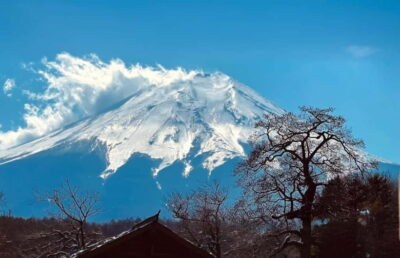
Tokyo: Mt. Fuji Summer Trip 5th Station & Lake Kawaguchi
Read our review →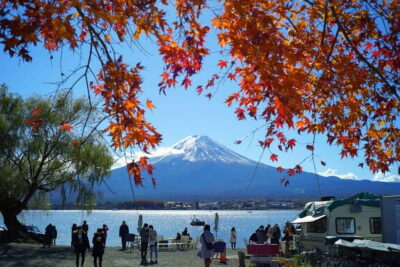
Tokyo: Private Mt. Fuji Luxury Day Tour – Fully Customizable
Read our review →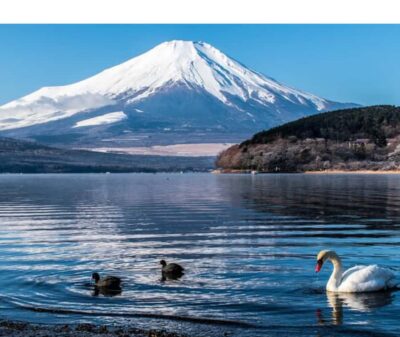
Mount Fuji Private Day Tour customized with English driver
Read our review →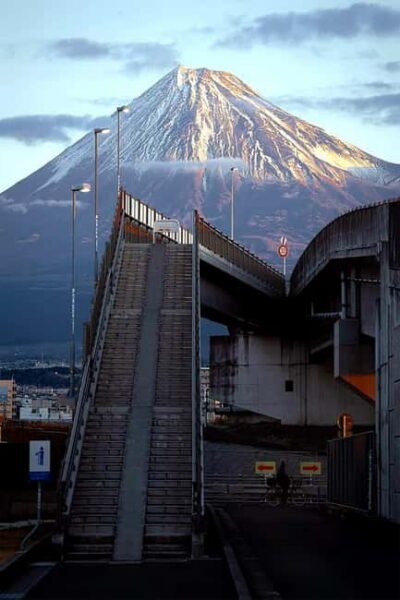
From Tokyo: 5 Best Mount Fuji Photo Spots Private Day Trip
Read our review →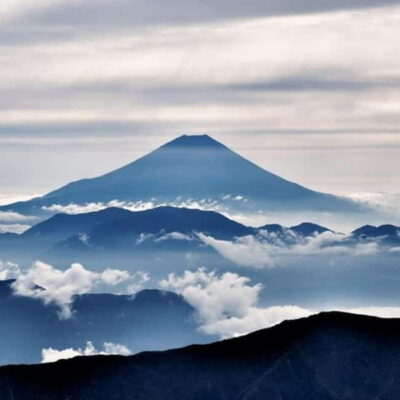
Mount fuji and Hakone full day private tour with English gui
Read our review →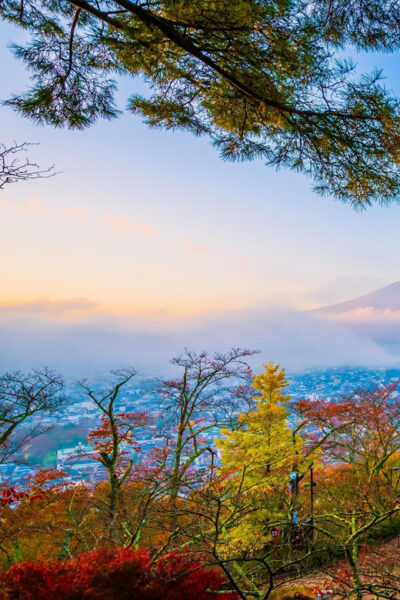
Fuji/Hakone Private Tour, English speaking guide, Photograph
Read our review →Browse the lists this tour appears in