
REVIEW · INDONESIA
3d/2n trekking mount rinjani summit lake & hot springs
Mount Rinjani saves its biggest rewards for tired legs: a sunrise from the 3,726-meter summit, sunset over Segara Anak Lake, and a swim in hot springs inside the crater. You cross open grassland, rocky volcanic slopes, and thick tropical forest in one trip.
I like the way this route shows both sides of the mountain, from Sembalun’s wide savanna to Senaru’s forest trail. I also like the practical support: porters carry the camp gear, cooks prepare hot meals, and the package includes tents, sleeping bags, mats, water, and a trekking pole.
The catch is simple: this is a very hard trek, not a gentle three-day walk. The summit attempt starts around 3 a.m., followed by a long descent to the lake and another steep climb to the Senaru rim. Some strong hikers may still choose to skip the summit.
Key points to know before booking
- Sembalun to Senaru route: You cross open savanna, camp on two crater rims, and finish through thick forest.
- Summit sunrise: The final ascent is steep, loose, and demanding, with a 3 a.m. start.
- Segara Anak Lake: The second day includes lunch by the crater lake and time at its hot springs.
- Useful camp support: Porters carry camping and cooking equipment, while meals, water, tents, sleeping bags, and mats are supplied.
- Cold nights and hard descents: Bring thermal layers, a jacket, gloves, a hat, and proper hiking shoes.
- Route flexibility: The trek may start and finish in the opposite direction if Sembalun permits are full.
What the $154 price covers, and where costs add up
At $154 per person, this is a useful package for anyone who wants a guided Rinjani trek without arranging every piece separately. The price includes hotel pickup in Senaru or Sembalun, transport to the trailhead, an English-speaking guide, porters, cooking gear, camping equipment, meals, water, and transport after the trek to Senggigi, Bangsal Port, or Mataram.
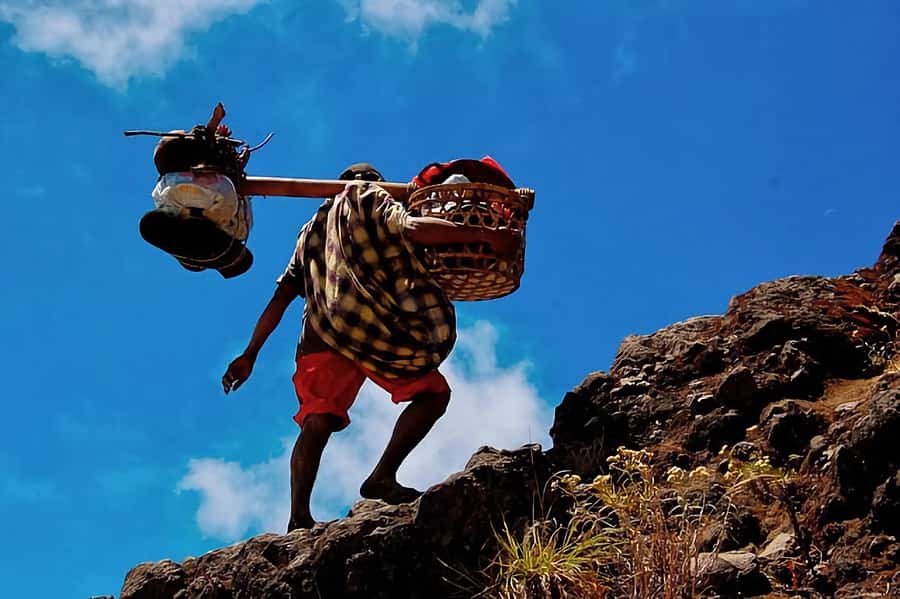
That bundle matters on Rinjani. You are not just paying for a walk. You are paying for a support team that carries the tent, toilet tent, cooking equipment, food, sleeping bags, and mats. The porters also prepare breakfast, lunch, and dinner, which saves you from carrying several days of supplies.
The package includes two lunches, three dinners, and two breakfasts. Water is supplied at two liters per person per day. That may be enough for some people, but you should still clarify the water plan before setting out, especially on the longest summit day.
The national park entrance fee is extra, listed as IDR 250,000 per person per day. Over three days, that daily charge can add a substantial amount to the advertised price. A raincoat and trekking shoes are also not included, so budget for those if you do not already own them.
Pickup is included, but you need to wait in your hotel lobby. The program is available as a private trip or in a small group. Those options can affect the feel of the trek, so ask which arrangement you are booking and how many people will be in your group.
Free cancellation is available up to 24 hours before departure, and you can reserve now and pay later. Starting times depend on availability.
More Volcanic Hot Springs in Indonesia
- Bali: Mount Batur Sunrise Guided Hike and Natural Hot Spring
★ 4.8 · 9,284 reviews - Bali/Mount Batur: Private Sunrise Jeep Tour & Hot Spring
★ 4.8 · 3,528 reviews - Mount Batur Sunrise Hike and Natural Hot Spring Option
★ 5.0 · 1,927 reviews
Day one: Sembalun’s grasslands to the crater rim
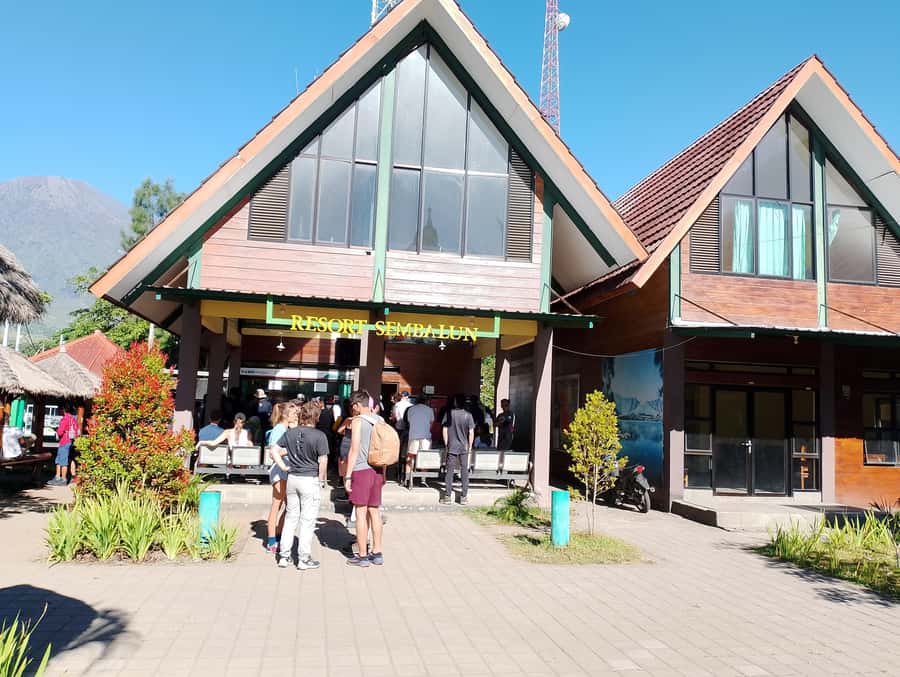
If you stay in Senaru, the driver picks you up at about 7 a.m. and takes you by four-wheel-drive vehicle to Sembalun. If you stay in Sembalun, pickup is listed for about 8:30 a.m. At the Rinjani Trek Centre, the group registers at roughly 1,156 meters before walking begins.
The first section is more open than many people expect. The path crosses broad grassland and rolling ground, with the mountain rising ahead. This part gives you wide views and room to settle into the rhythm of the trek, but the sun can feel strong because there is limited shade.
The trail passes Pos 1 and Pos 2, where you stop for rest and snacks. At Pos 3, around 1,800 meters, you take a longer lunch break. These rest points divide the day into manageable sections, though the steady uphill work starts to show in your legs.
After lunch, the route becomes much steeper as you climb toward the Sembalun Crater Rim. The final push is not a casual afternoon stroll. Loose volcanic ground makes progress slower, and the slope requires steady pacing rather than a fast start.
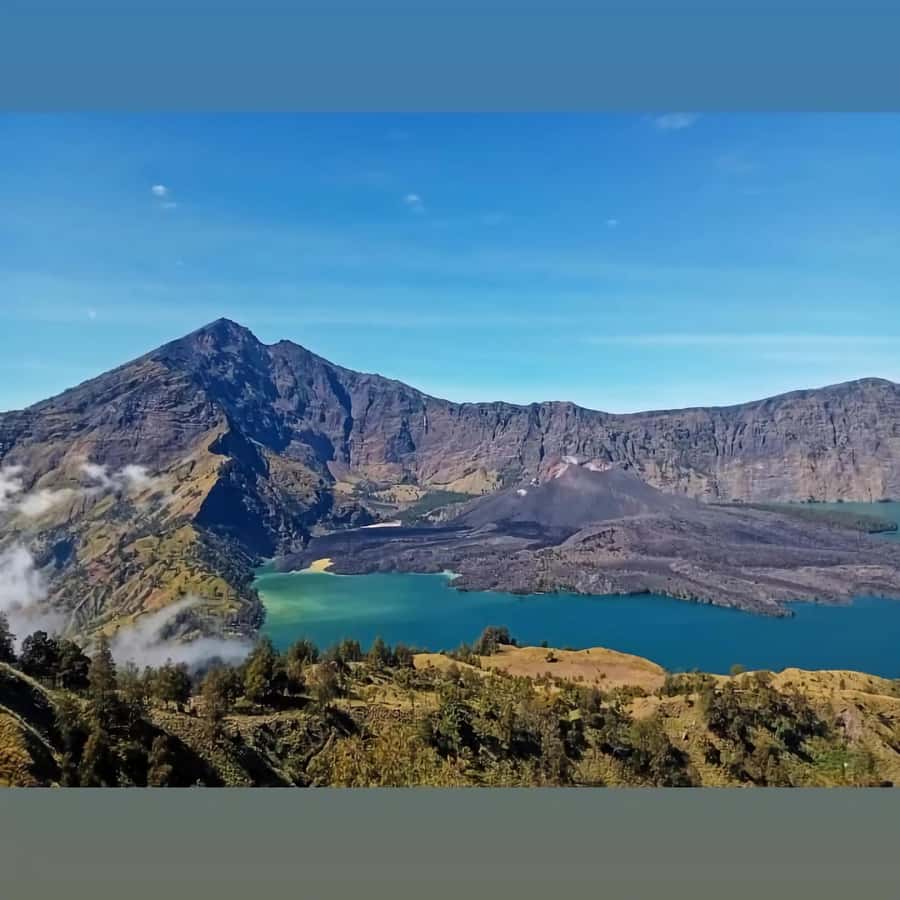
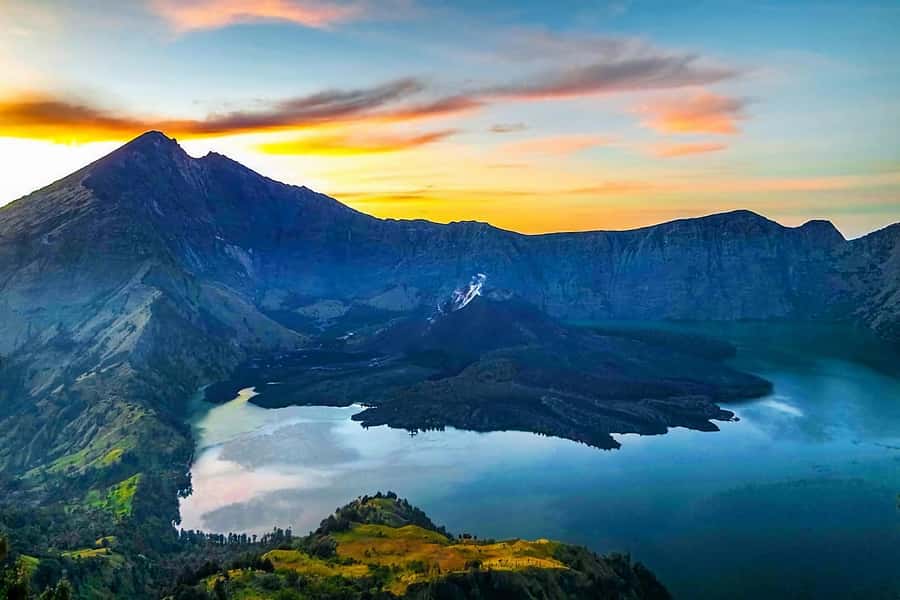
The camp sits at about 2,639 meters. From here, you can see Segara Anak Lake, Mount Rinjani’s summit, and northern Lombok. Sunset is the main event, with the crater opening below the camp and the summit forming a dramatic backdrop.
The campsite is also your first test of mountain nights. Temperatures can drop sharply, so keep your jacket, gloves, hat, and warm layers close rather than buried in your bag. The supplied sleeping bag and mattress help, but one account described sleeping fully dressed inside the sleeping bag, which is sensible advice.
Day two: the 3 a.m. summit push
The second day is the reason many people choose this program, and also the reason it can become too much. You wake at about 3 a.m. for a light breakfast, then begin the three-hour climb toward the summit.
That estimate depends on your pace and conditions. The upper trail is steep, rocky, and tiring. Loose volcanic material can make each step slide backward, especially near the top. You should expect a slow climb and avoid treating the summit time as a race.
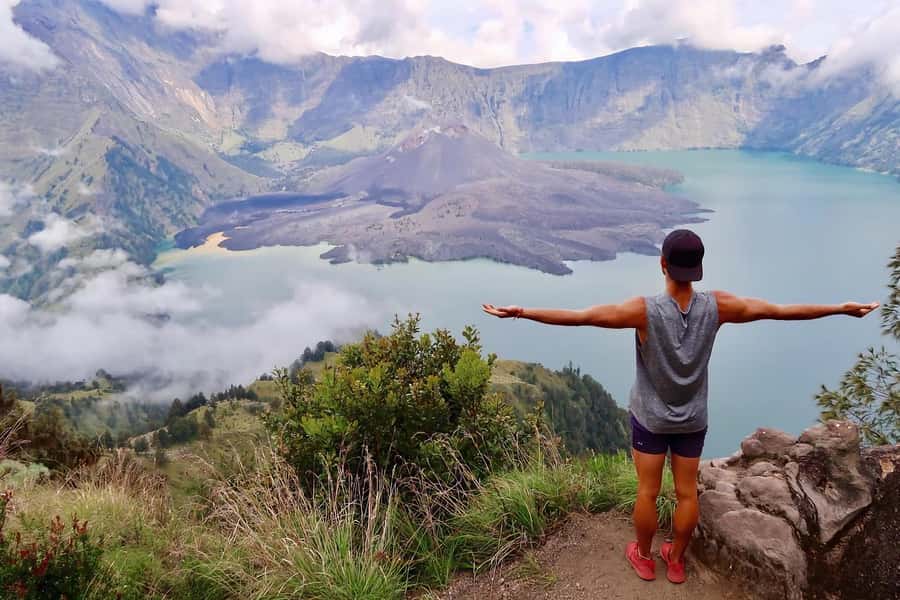
If you reach the summit around sunrise, the reward is a broad view across Lombok, Mount Agung in Bali, the three Gili Islands, the crater, and the tropical forest below. The timing gives you cooler air and better light, but it also means you are climbing in darkness for part of the route. A headlamp or hand torch is included, though bringing a backup light is a sensible precaution.
The summit is not guaranteed for every person in the group. One account describes a fit group finding the full 3-day, 2-night plan too exhausting, with several people choosing to skip the summit. That does not mean the summit is impossible, but it does show how much the schedule asks of you.
After the summit, you return to the first camp for a hot breakfast and a rest. This break is important because the day is far from finished. You then descend into the crater toward Lake Segara Anak at around 2,000 meters.
The descent can be hard on knees and ankles. It is also a major change in scenery, moving from exposed volcanic slopes toward the crater lake. Lunch is served by the shore, giving you a chance to eat before the next demanding section.
Segara Anak Lake and the hot springs
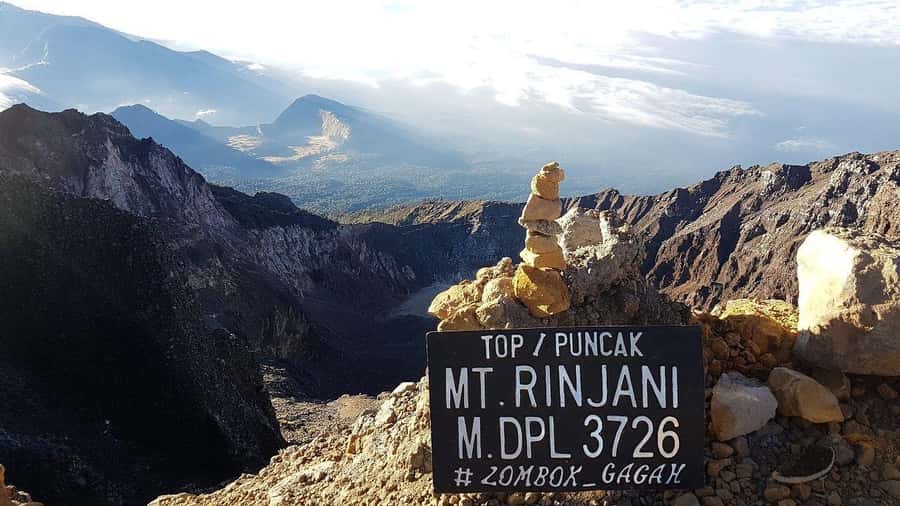
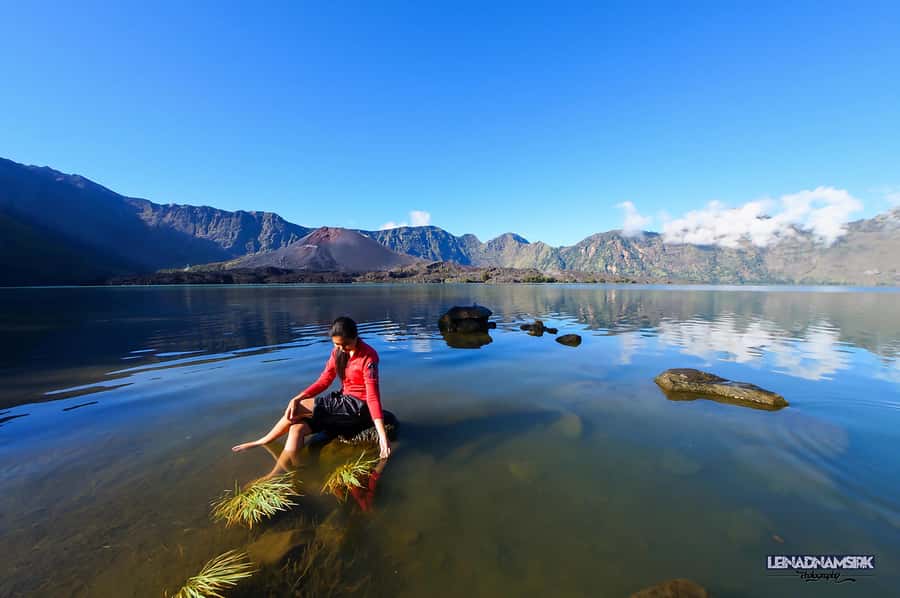
Segara Anak is the emotional center of the route. The blue crater lake sits inside Mount Rinjani, with the volcanic cone of Gunung Baru rising nearby. After the summit attempt and descent, reaching the water feels like a real change of pace.
You have time to swim in the hot springs for a few minutes. This is not a long spa session, but the warm water can feel welcome after the cold summit start and hours of walking. Bring a towel and sandals, both listed among the recommended items.
The lake stop also has a practical purpose. It breaks up the hardest day and gives you time to eat before climbing out of the crater. Do not linger too long if the guide sets a departure time. You still need to cross steep and rocky ground before reaching the second camp.
The route around the lake leads into a climb toward the Senaru Crater Rim. Here, the path passes through thicker forest and becomes another serious effort. The day combines the summit, a major descent, the lake, and a major ascent. That is why the 3-day itinerary can feel compressed.
There has also been concern about damaged sections of the trail after an earthquake. One account describes a particularly risky section after the hot springs, made worse by having to move in darkness because of a slow member of the group. This is a point to discuss with the guide before departure. Proper hiking shoes are essential, and you should not let group pressure push you onto a section you consider unsafe.
More Volcano Hikes and Treks in Indonesia
- Bali: Sunrise Mount Batur Guided Hike with Breakfast
★ 4.8 · 9,660 reviews - Bali: Mount Batur Sunrise Trek With Guide and Breakfast
★ 4.8 · 3,461 reviews - From Ubud: Mount Batur Hiking With Hotspring
★ 4.8 · 1,850 reviews - Mount Batur Sunrise Hike with Breakfast
★ 5.0 · 1,757 reviews
The Senaru Crater Rim camp
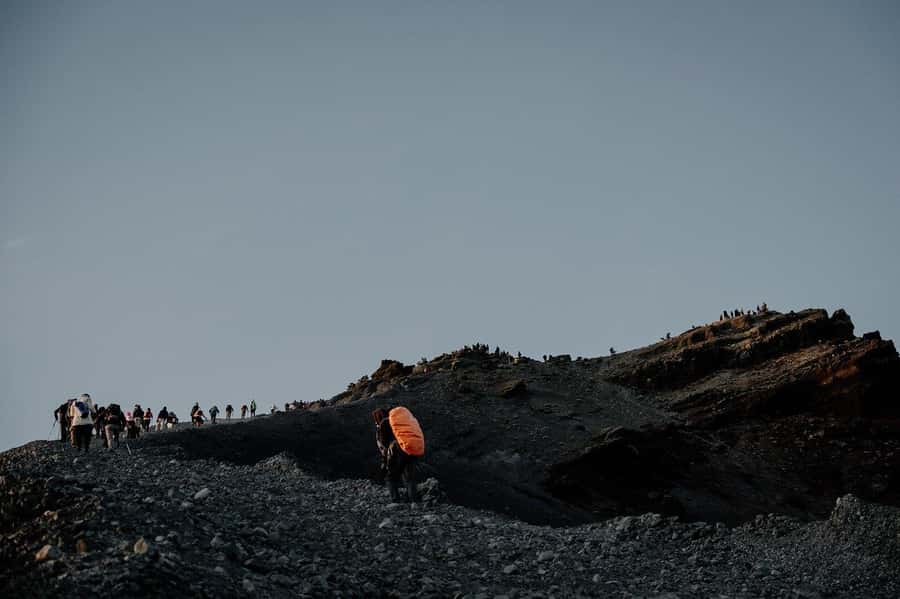
The second camp is at the Senaru Crater Rim, about 2,641 meters above sea level. From here, you look back across Segara Anak toward the summit and Gunung Baru.
The rim offers another sunset and a different angle on the crater. Mount Agung in Bali and the Gili Islands may also be visible from this side. The views are a strong reason to continue to Senaru rather than simply returning by the Sembalun route.
Dinner is served at camp, followed by another night in the supplied tent and sleeping bag. By this point, you will probably care less about camp comfort than about dry clothes, warm layers, and a chance to rest.
The guide and porters make a real difference here. The group does not need to carry the cooking equipment and camping load, while the porters prepare meals such as fried rice, curry, noodles, pancakes, vegetables, and fresh fruit. Food quality can vary with conditions, but the included meals are more substantial than the price might suggest.
Day three: five hours down through Senaru forest
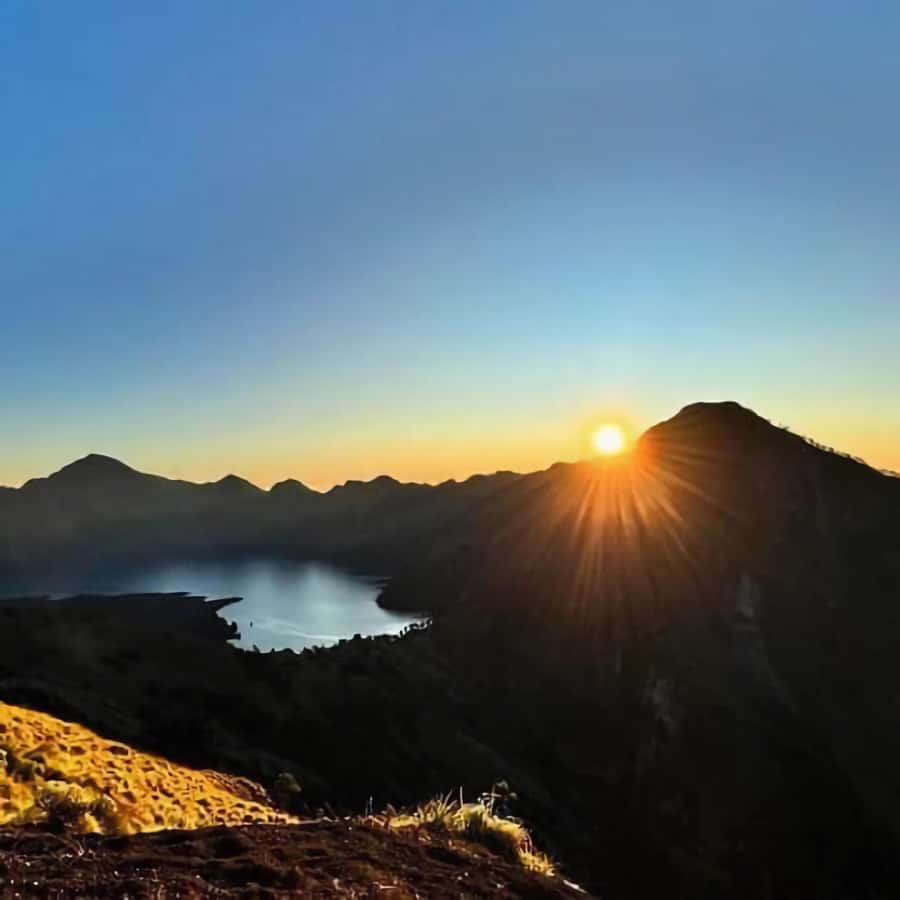
After breakfast, you begin the descent to Senaru. The route uses Pos 3, Pos 2, and Pos 1 as rest points, with a longer lunch break along the way.
The upper trail starts more open and rocky, then becomes thicker and more tropical as you lose height. The forest provides shade, which is welcome after the exposed slopes, but the descent can still take four to five hours. Tired legs often make downhill walking harder than expected.
You should reach Senaru at about 1 p.m. From there, the included vehicle transfer can take you to Senggigi, Bangsal Port, or Mataram. If you have a ferry or flight on the same day, allow a generous buffer. The tour gives an approximate arrival time, not a fixed guarantee.
The route can sometimes be reversed if permits from Sembalun are full. That matters because the direction changes the feel of the trek and may alter the most difficult sections. Confirm the start and finish gates before you pay.
How difficult is this Rinjani trek?
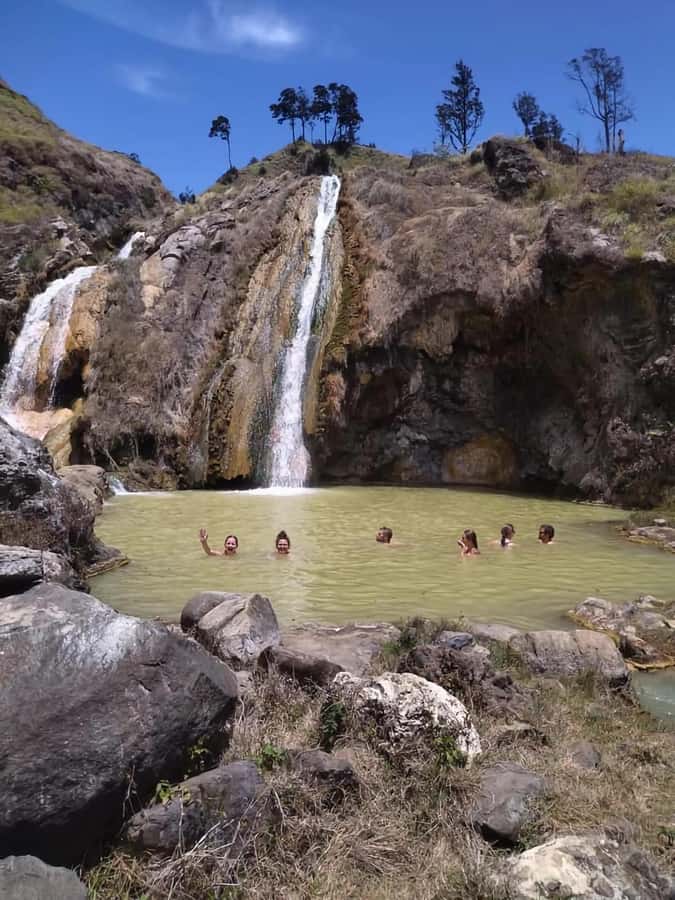
The short answer is very difficult. The itinerary is not aimed at casual walkers, and the summit day is especially demanding.
You need to handle:
- A pre-dawn summit climb
- Loose, steep volcanic ground
- A long descent from the summit
- A climb down to Segara Anak
- A hot springs stop followed by another steep climb
- A long forest descent on the final day
Fitness helps, but fitness alone does not remove the strain. Pacing, footwear, weather, sleep, and group speed all matter. The supplied trekking pole is useful, and you should bring proper hiking shoes rather than relying on sandals or casual trainers.
Children under four are not accepted. The data does not set a broader age limit, so older children and adults should assess their own fitness honestly and ask the operator for current route advice.
What to pack for cold, wet, rough conditions
The suggested packing list is sensible. I would pay special attention to the items that are easy to dismiss:
- Hiking shoes with a solid grip
- Warm jacket or down jacket
- Thermal shirt and trousers
- Gloves and a warm hat
- Long hiking pants
- Raincoat, which is not included
- Headlamp or hand torch
- Sunscreen, sunglasses, and a hat
- Towel and sandals for the hot springs
- Cash and a power bank
- Camera and binoculars if you want distant views
The temperatures can feel especially cold before sunrise and at the crater camps. Pack layers rather than one very heavy item, so you can adjust as the day warms.
Keep your passport with you, as it is listed among the required items. Protect electronics and spare clothes from rain. The operator supplies some water, but carrying a refillable bottle and confirming the full drinking-water arrangement is wise.
Who should book this trip?
I would choose this trek if you want the full Rinjani experience and accept that the summit may be the hardest physical challenge of your trip. It suits hikers who value big views, crater camping, hot springs, and a route that crosses several sides of the mountain.
I would think twice if you dislike steep descents, loose rock, cold nights, or early starts. A shorter Rinjani program may suit you better if your main goal is the lake or the crater rim rather than the summit.
The porters and guide support make the trip more manageable, but they do not make it easy. You still walk every difficult section under your own power.
Should you book the 3-day Rinjani trek?
Book it if you want the most varied route, can prepare properly, and are comfortable with a demanding second day. The value is strong because transport, guide service, porters, meals, water, camping equipment, and post-trek drop-off are bundled into the $154 price.
Do not book it simply because the schedule looks neat on paper. The summit, lake, hot springs, and second crater rim create an ambitious day that has left some people too tired to finish every planned section. Ask about current trail conditions, the exact route direction, group size, and the national park fee before departure.
For prepared hikers, this is a memorable way to see Rinjani from several angles. For anyone unsure about steep mountain terrain, choose a shorter route or skip the summit plan rather than treating this trek as a test of willpower.
FAQ
How long is the Mount Rinjani trek?
The program lasts three days and two nights.
Where does the trek start?
It normally starts at the Sembalun trekking route, with registration at the Rinjani Trek Centre in Sembalun.
Where does the trek finish?
The usual finish is Senaru, after descending from the Senaru Crater Rim.
Can the route be changed?
Yes. If permits from Sembalun are full, the trek may start from Senaru and finish at Sembalun instead.
What time does the summit climb start?
You wake at about 3 a.m. for a light breakfast and then begin the summit climb.
Is the national park entrance fee included?
No. The entrance fee is listed separately at IDR 250,000 per person per day.
Are meals included?
Yes. The package includes two lunches, three dinners, and two breakfasts.
Is drinking water included?
Yes. The package includes two liters of mineral water per person per day during the trek.
Is equipment provided?
Tents, a toilet tent and paper, sleeping bags, mattresses, trekking poles, and a headlamp or hand torch are included.
What should I bring myself?
Bring your passport, hiking shoes, raincoat, sunglasses, hat, towel, sandals, camera, sunscreen, jacket, gloves, long pants, cash, flashlight, hiking pants, binoculars, trekking gear, and a power bank.
Just added around Indonesia
- From Banyuwangi or Bali Sunrise Ijen Vulcano Hiking All Inclusive★ 5.0 · 50 reviews
- Ijen Blue Fire & Sunrise Sharing Tour★ 5.0 · 6 reviews
- Kawah Ijen Midnight Tour (1 Day)★ 4.5 · 7 reviews
- 1 Day – ULTIMATE Tour Ijen Blue Fire From Surabaya, Malang and Banyuwangi★ 5.0 · 6 reviews
- Kawah Ijen Blue Fire Tour – Share Package★ 5.0 · 7 reviews
- Ijen Crater Tour★ 5.0 · 33 reviews
- 2 Days Private Tour Ijen and Bromo from Banyuwangi★ 5.0 · 31 reviews
- Guided Tour to Ijen Crater Blue Fire★ 5.0 · 4 reviews
Indonesia Volcano Tours, compared.
Bali: Sunrise Mount Batur Guided Hike with Breakfast
Read our review →
Bali: Mount Batur Sunrise Guided Hike and Natural Hot Spring
Read our review →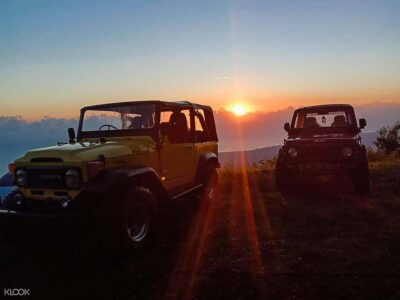
Bali/Mount Batur: Private Sunrise Jeep Tour & Hot Spring
Read our review →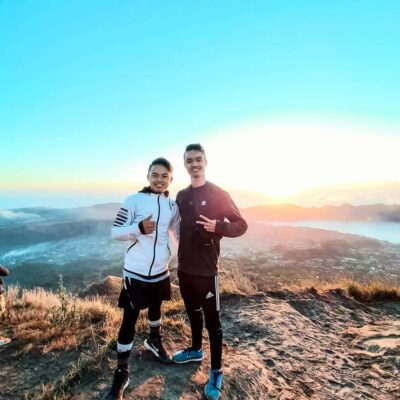
Bali: Mount Batur Sunrise Trek With Guide and Breakfast
Read our review →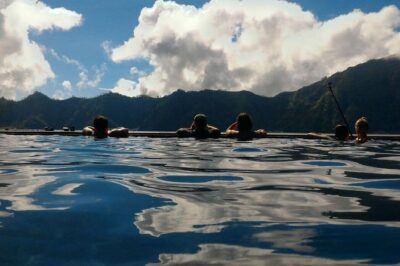
Mount Batur Sunrise Hike and Natural Hot Spring Option
Read our review →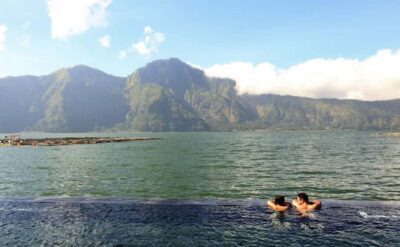
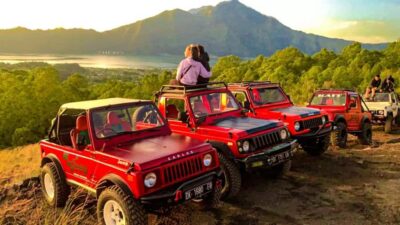
From Ubud: Mount Batur Shared Jeep Sunrise & Hot Spring Tour
Read our review →
Mount Bromo Sunrise Tour from Surabaya or Malang – 1 Day
Read our review →Browse the lists this tour appears in