
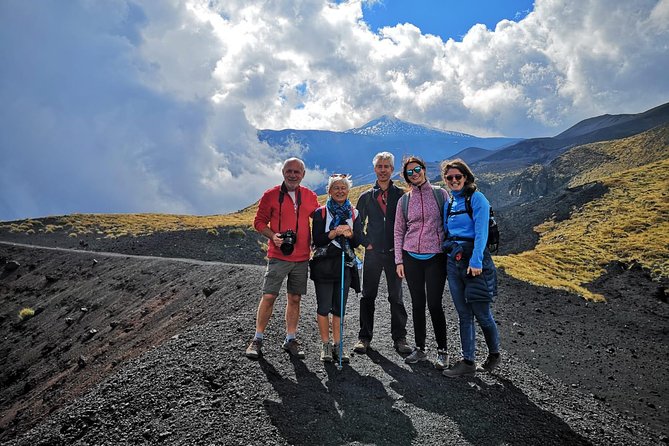
REVIEW · SICILY
2002 Crater Excursion – Northern Etna
Mount Etna’s north side gives you something the busy southern slopes often cannot: space to read the volcano itself. This three-hour walk crosses the huge 2002 lava flow, passes older craters, and reaches the eruptive fracture that caused the destruction below. The ground is loose and rough, but the route is manageable for anyone in sound physical condition.
I like the quiet setting at Piano Provenzana and the guide-led storytelling, especially the way guides such as Luca and Giuseppe mix facts with humor and keep a sensible pace. I also like that accident insurance and an authorized volcanological guide are included. The main drawback is the footing: ash and volcanic rock can shift under your boots, and steep descents may trouble anyone prone to vertigo.
Key points of the Northern Etna crater walk
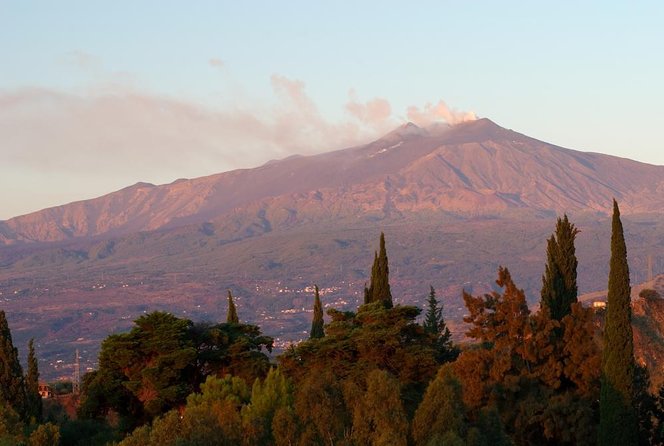
- See the buried remains of the 2002 eruption: A 7.2-kilometer lava flow covered hotels, shops, restaurants, and a large car park. Only the roof of one hotel remains visible.
- Walk the quieter north side: Piano Provenzana is less crowded than Etna’s southern station, giving you a calmer setting for the hike.
- Reach the 2002 eruptive fracture: The route climbs toward a broad crack filled with volcanic bombs and explosive vents reaching about 2,100 meters.
- Learn from an authorized guide: Guides explain Etna, volcanoes in general, and the details of the 2002 eruption in English.
- Expect a real but moderate hike: The route covers about 5 kilometers, with roughly 300 meters of ascent and descent, over 2.5 to 3 hours.
- Bring proper footwear and layers: Trekking shoes are essential for insurance coverage. You can rent them for €5, while snowshoes cost €15 in winter.
Why Etna’s north side tells a better story
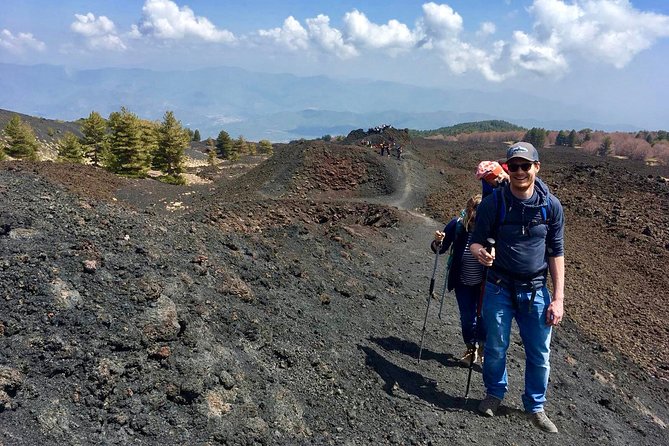
Etna is not just a mountain viewpoint. It is a working volcano, and the north side lets you walk through the evidence of recent eruptions rather than simply look at a distant summit.
Piano Provenzana was reshaped by the October 2002 eruption. The original facilities were destroyed, and the area now has a stark mix of pine forest, black lava, ash, and open volcanic ground. That contrast makes the place useful for understanding how quickly Etna can change.
The northern station also feels quieter than the better-known southern approach. You will find cafés, bars, souvenir shops, and water refill points, but the setting is not built around a large stream of tour groups. In winter, Piano Provenzana operates as a ski resort. In summer, it becomes a starting point for walks and guided excursions.
I would choose this side if you want a closer look at Etna’s geology and eruption history. If your main goal is a high-altitude cable-car ride or a quick summit view, another Etna outing may fit better. This experience is about walking across volcanic ground and learning what happened there.
More Mount Etna Tours in Sicily:
- Etna Morning Trip
★ 4.5 · 1,241 reviews - Mt. Etna nature and flavors half day Tour from Catania
★ 5.0 · 545 reviews - Etna excursion 3000 meters with 4×4 cable car and Trekking
★ 4.5 · 504 reviews
Arriving at Piano Provenzana
You meet at the Ufficio Guide Vulcanologiche Etna Nord at Via Provenzana 35 in Linguaglossa. The scheduled start is 9:15 am, and the activity finishes back at the same meeting point.
Piano Provenzana is reachable by private or rental car on fully paved public roads. Blue-lined spaces are available for cars and camper vans. Parking is not included, so allow €5 for a weekday ticket or €8 on Sundays and public holidays.
Give yourself time to arrive, park, and find the guide office. The area has cafés and bars where you can get breakfast or coffee, and you can refill water bottles before setting out. Pickup from your accommodation is not included, so this is a self-drive experience.
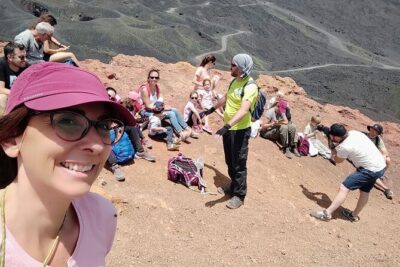
The first and final 30-minute portions of the schedule allow time at Piano Provenzana. The central hike lasts about 2.5 to 3 hours, depending on the group’s pace. The maximum group size is 20 people, large enough for conversation but still workable on a marked meeting point and open volcanic terrain.
Crossing the 2002 lava flow
The hike begins on the broad lava flow produced by the October 27, 2002 eruption. This is the most powerful part of the route because the ground under your feet has a clear human story.
The flow extended for about 7.2 kilometers and buried hotels, shops, restaurants, and a large car park. One hotel roof remains visible, a strange reminder that a functioning resort once occupied this area. Your guide can use the remains and the shape of the flow to explain how the eruption moved through the mountain zone.
This section is not a polished walking path. Volcanic rock is irregular, coarse, and often unstable. Long trousers are a smart choice, since the rough surface can scrape exposed legs. Taller hiking boots or trekking poles would also help on loose ground and downhill sections.
The route is not described as technically hard, but it does ask for steady movement over uneven ground. You need to watch your footing rather than walk while looking only at the views. The guide will stop at useful points to explain what you are seeing and to let the group catch its breath.
The 1911 and 1923 flows
The walk continues through forest toward lava flows from 1911 and 1923. These older eruptions give you a useful comparison with the 2002 event.
Instead of seeing one eruption as an isolated disaster, you begin to understand Etna as a mountain shaped by repeated activity. The forest, lava, ash, and craters sit close together, showing how vegetation and volcanic material occupy the same ground over time.
The guide’s role matters here. Several guides, including Luca and Giuseppe, have been praised for explaining volcanoes clearly without turning the walk into a lecture. A good guide will point out the details you might otherwise miss, then keep the pace moving.
Breaks are built into the walk. That is helpful because the route includes uphill sections and loose footing, yet does not require a rushed pace. You can ask questions about Etna or volcanoes in general as you go.
A few more volcano tours around Sicily worth a look
- Etna – Trekking to the summit craters (only guide service) experienced hikers
★ 5.0 · 286 reviews - Etna, Summit Craters
★ 5.0 · 272 reviews - Sicily: Mount Etna’s North Slope Craters Guided Hike Tour
★ 5.0 · 8 reviews - Reykjavik: Golden Circle Full-Day Tour with Kerid Crater
★ 4.8 · 24,485 reviews
The 1911 craters and deep shafts
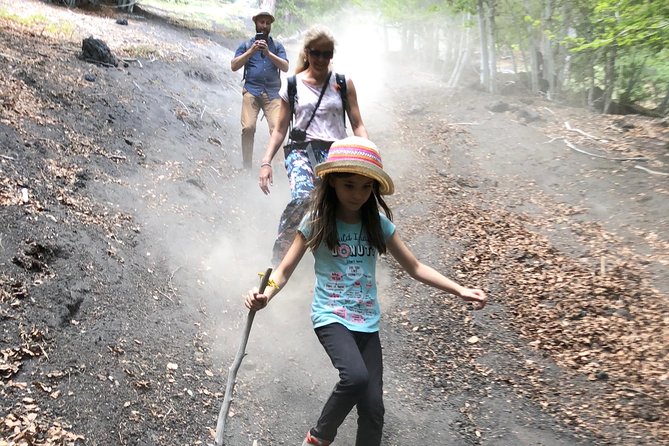
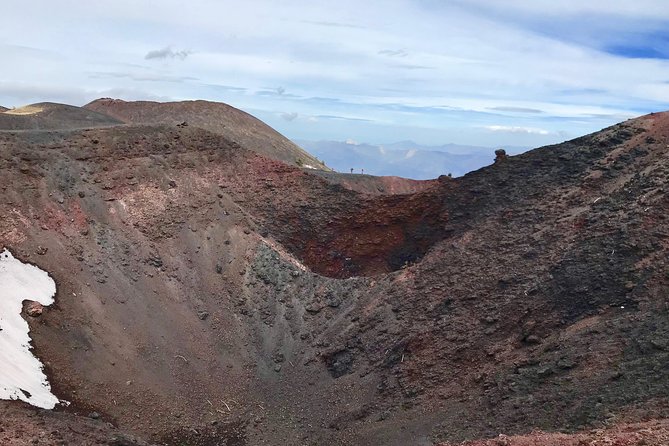
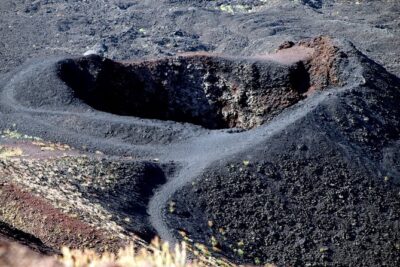
One of the route’s most unusual sections is a chain of craters from the 1911 eruption. Their shafts range from about 7 to 40 meters deep.
These are not simple round holes that you glance at from a safe paved platform. The route passes along crater edges, so you need to follow the guide’s instructions and take care near drops. The loose volcanic surface makes careful steps more important than speed.
This portion may not suit anyone with a strong fear of heights. The information specifically warns that the crater edges and ascent can cause vertigo for sensitive people. If you know that exposed ground bothers you, tell the guide before the walk begins.
For everyone else, the craters offer a direct look at the force beneath Etna. You are not simply hearing about an eruption in a museum. You are standing beside the openings made by one.
Climbing the 2002 eruptive fracture
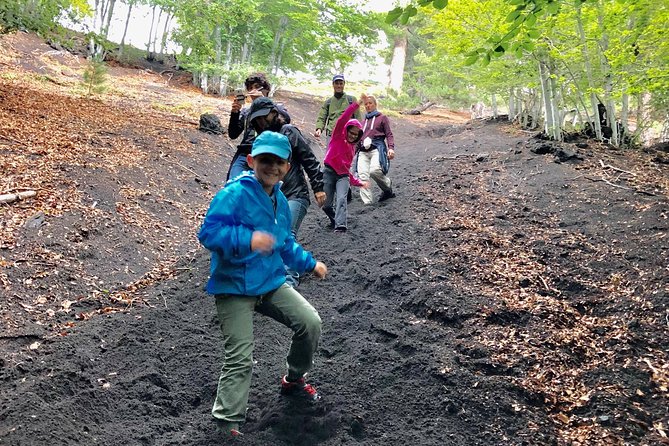
The route then climbs the crest of the large fracture linked to the 2002 eruption. The area is scattered with volcanic bombs and includes the vent that produced the destructive lava flow.
The hike also reaches other large explosive mouths at about 2,100 meters. This is the highest and most dramatic part of the walk, but do not expect a summit ascent. The attraction is the fracture and its vents, along with the view across the volcanic terrain.
This is where a trained volcanological guide adds real value. The guide can explain the connection between the fracture, the vents, the lava flow, and the buried facilities at Piano Provenzana. Without that context, the black rock can blur into one broad field.
The guides also bring a human touch to the walk. Luca is described as considerate and good with families, while Giuseppe is noted for patient answers and clear explanations. The exact guide depends on the day, but the experience is built around having a guide beside you rather than following a printed route alone.
The soft-ash descent through beech forest
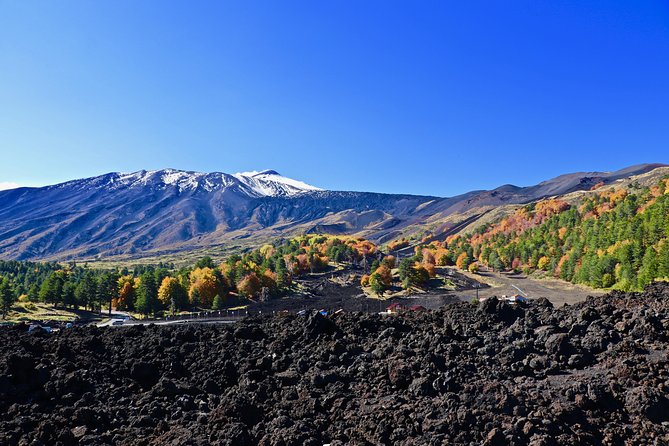
The return route follows soft ash channels through beech forest and ski slopes. Many people find the downhill section more demanding than the ascent because ash gives way beneath the feet.
A sandy descent can be playful, but it can also put pressure on knees and ankles. Use the guide’s advice, shorten your steps, and consider trekking poles if you have them. The rented trekking shoes are particularly useful here, since ordinary casual shoes are a poor match for loose ash and coarse lava.
The route returns to Piano Provenzana after roughly 5 kilometers. Reports from the activity describe it as suitable for people with good general fitness and as manageable for families with children. That does not mean it is a casual stroll. You should be comfortable with several hours of walking, uneven surfaces, and around 300 meters of total ascent and descent.
Weather can change quickly on Etna. Hail has interrupted outings, and the guide may alter or stop the route if weather, volcanic conditions, or ground safety changes. That is a sensible rule on an active volcano, even if it means your planned walk does not follow every section.
What the €43.55 price covers
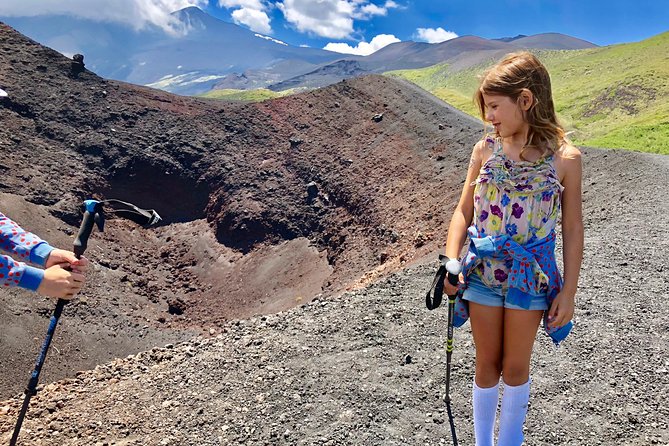
At $43.55 per person, this is a fair price for a guided volcanic walk, especially because the cost includes an authorized volcanological guide and accident insurance.
The guide is the main value. You could reach Piano Provenzana by car and see the lava fields without joining a tour, but you would lose the clear link between the 1911, 1923, and 2002 eruptions. You would also be responsible for judging the safest way across loose ground and around crater edges.
The price does not cover parking, bottled water, trekking shoes, poles, hats, gloves, or winter snowshoes. Trekking shoes can be rented from an authorized on-site rental service for €5 per pair. Snowshoes cost €15 per person in winter.
One detail deserves special attention: you are not covered by the accident insurance without adequate shoes. Do not treat footwear as an optional extra. Bring proper trekking shoes or budget for the rental.
The tour is offered in English and usually sells about 19 days ahead, so booking early is sensible if your Sicily schedule is tight. Free cancellation is available up to 24 hours before the 9:15 am start. Poor weather or an insufficient number of bookings can also lead to a new date or a full refund.
Clothing, fitness, and family suitability
Wear long trousers, a sturdy top, and layers. One outing may be comfortable without heavy warm clothing, while another can meet hail or colder mountain weather. A hat and gloves are especially useful in winter, spring, and autumn.
Bring water, since bottled water is not included. Trekking poles are not supplied, but they are helpful on lava rock and loose downhill ash. In winter, ask about snow conditions and include the snowshoe fee in your planning.
The route is suitable for people in good physical health, but it is not a good choice for someone who usually does very little activity. The stated health guidance advises against the hike for people with cardiovascular, respiratory, or hypertension conditions.
Children can manage the walk when they are used to walking on uneven ground and can keep pace for several hours. The route has no especially difficult passages, but the crater edges and unstable soil still require close attention. Service animals are allowed, and one family outing included a dog.
Guides may add light fun to the day. A small race at the end has been used to finish the walk on a cheerful note, but the main focus remains the volcano and the terrain.
Is this northern Etna walk right for you?
I would book this experience if you want a quieter, more physical look at Etna, with a guide who can explain what happened rather than simply point toward the summit. The 2002 flow, buried resort remains, crater shafts, and eruptive fracture give the walk a strong sense of place.
I would skip it if you want a very easy stroll, dislike loose ground, have trouble with exposed crater edges, or need hotel pickup. In that case, choose an Etna option with less walking and more vehicle access.
For most reasonably fit visitors, this is a strong-value half-day outing. Bring real shoes, water, layers, and patience for changing weather. The north side gives you a quieter setting, and the guide turns a field of black rock into a readable story about one of Europe’s highest active volcanoes.
FAQ
Where does the Etna crater walk start?
The activity starts at Ufficio Guide Vulcanologiche Etna Nord, Via Provenzana 35, 95015 Linguaglossa CT, Italy. The scheduled start time is 9:15 am.
How long is the hike?
The hike covers about 5 kilometers and lasts approximately 2.5 to 3 hours. The full activity takes about 3 hours, including time at Piano Provenzana.
Is the tour suitable for beginners?
The route has no particularly difficult passages and is described as moderate, but it crosses loose volcanic ground and includes about 300 meters of ascent and descent. You should be in good physical health and reasonably comfortable walking for several hours.
Do I need special shoes?
Yes. Trekking shoes are required for accident insurance coverage. You can rent a pair from an authorized on-site rental service for €5.
Are parking and equipment included?
Parking is not included. The parking ticket costs €5 on weekdays and €8 on Sundays and public holidays. Bottled water, trekking poles, hats, gloves, and winter snowshoes are also separate costs.
What happens if bad weather cancels the activity?
If poor weather makes the excursion unsafe, you will be offered a different date or a full refund. The route may also be changed or stopped if atmospheric or volcanic conditions affect group safety.
Just added around Sicily
- Sicily: Mount Etna’s North Slope Craters Guided Hike Tour★ 5.0 · 8 reviews
- Etna Southern Slope Guided Easy Trek★ 4.8 · 36 reviews
- Etna: Wine Tasting and Food Tour★ 4.7 · 201 reviews
- Enoteca dell’Etna: Iemu Spizzicannu Tasting★ 5.0 · 9 reviews
- Capo d’Orlando: Mini-cruises to Salina Panarea and Stromboli★ 3.0 · 5 reviews
- calice in cratere★ 5.0 · 6 reviews
- Summit Etna North 3380mt: 4×4 and trekking★ 5.0 · 98 reviews
- Etna at sunset – 4×4 tour with Sicilian sweet aperitif★ 5.0 · 247 reviews
Sicily Volcano Tours, compared.

Mt. Etna nature and flavors half day Tour from Catania
Read our review →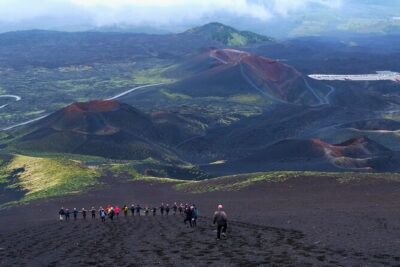
Etna excursion 3000 meters with 4×4 cable car and Trekking
Read our review →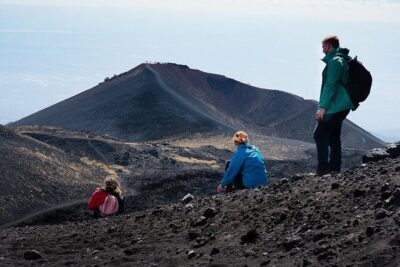
Mount Etna Adventurous Hiking Tour with Equipment
Read our review →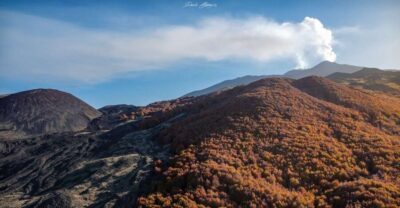
From Catania: Mt. Etna, Wine and Alcantara Tour
Read our review →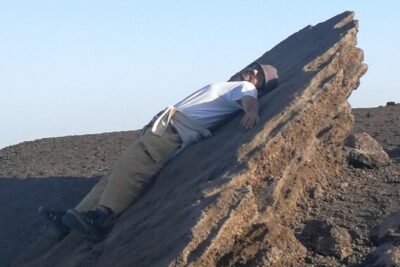
Etna Family Tour Excursion for families with children on Etna
Read our review →Browse the lists this tour appears in